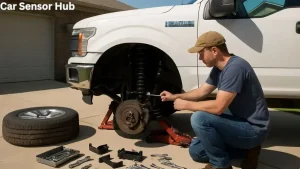
The right parking sensors make F-150 parking safer, simpler, and stress-free.
You bought a truck to work and play, not to worry about curbs, trailers, or tight garages. Parking Sensors for Ford F-150 Trucks take the guesswork out of close maneuvers. They help you slip into tight spots, line up to a hitch, and protect that big rear bumper from surprise scrapes. If your factory sensors failed or your truck didn’t come with them, the right replacement or upgrade kit saves nerves and money. I’ve installed, replaced, and tested many. Below, I break down the best options for F-150 owners and explain how to pick the perfect set for your year, trim, and needs.


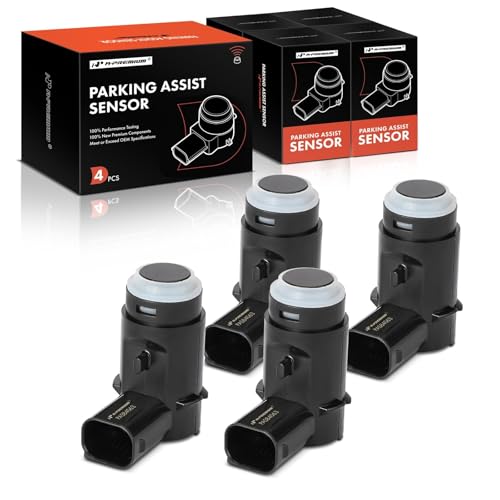
T1A 4-Pack Parking Sensors for 2015–2020 F-150/Super Duty
This T1A kit gives you four matching sensors for 2015–2020 F-150 and Super Duty. The fit lines up with OEM-style bezels, clips, and harness sockets. The beeps ramp up smoothly as you near an obstacle. I like the plug-and-play feel and the clear distance feedback.
These sensors work for front or rear positions on the listed years. They reference Ford numbers FL3Z-15K859-A and HC3Z-15K859-A, which match common factory specs for that era. The bodies are sealed to resist rain and snow. They are a smart upgrade if your factory sensors went silent.
Pros:
- Direct-fit for 2015–2020 F-150 and Super Duty
- Four sensors keep tone and sensitivity consistent
- OEM-style connectors for quick install
- Good weather sealing for daily driving
- Usable for front or rear locations
- Clear, progressive beeping feedback
Cons:
- May not match painted bezels out of the box
- Not for 2021+ F-150 with newer systems
- Requires intact factory harness
My Recommendation
This set suits owners of 2015–2020 trucks who want a clean fix the first time. If more than one sensor failed, replace all four and restore even sensitivity. These work well if you tow or park in tight areas often. They offer strong value without fuss.
| Best for | Why |
|---|---|
| Daily drivers | Consistent alerts and direct fit reduce install time. |
| Towing and hitching | Smooth tone ramp makes lining up safer. |
| Budget-conscious fixes | 4-pack beats piecemeal replacements. |
4-Pack Rear Parking Sensors for Ford/Lincoln 684-029

This generic 4-pack targets older Ford and Lincoln models. It references 684-029, 3F2Z-15K859-BA, and 4F23-15K859-AA. If you run an older F-Series or a stable of mixed Ford SUVs, this can be a handy, low-cost fix. The fit is simple if your bumper bezels are standard.
Signal strength is decent for backing and low-speed maneuvers. The tones cue up as you close in. For the price, it gets the job done. I’d check connector style against your harness before ordering, since older platforms vary.
Pros:
- Budget-friendly set for aging fleets
- References several common part numbers
- Simple plug-in design for many older models
- Solid distance beeping for basic parking
- Ideal as keep-on-hand spares
Cons:
- Compatibility varies across older platforms
- Finish may not match factory bezels
- Not tuned for 2015+ F-150 systems
My Recommendation
Pick this if you maintain older trucks or SUVs and want a low-cost fix. It is a practical choice when you do not need premium finishes. Check harness and bezel style to avoid returns. For Parking Sensors for Ford F-150 Trucks from earlier years, it is a solid value play.
| Best for | Why |
|---|---|
| Older F-Series owners | Good price and broad compatibility. |
| DIY fleets | Keep extras ready for quick swap-ins. |
| Basic backups | Simple beeps, no advanced features needed. |
A-Premium 4-Pack Sensors for F-150 2009–2014
This A-Premium set is tailored for the 2009–2014 F-150 and Mark LT. It references 9L3Z-15K859-D, a common sensor code in Ford documentation for that generation. Fit and orientation are straightforward. The performance feels factory-correct once installed and initialized.
I like the consistency across the four sensors. Older trucks often struggle with mixed brands and uneven tones. Matching all four solves that. If your 12th-gen F-150 lost its rear beeps, this is a balanced fix that respects the truck’s age and wiring.
Pros:
- Direct compatibility for 2009–2014 F-150
- Consistent tone and distance mapping
- OEM-style connectors and clip points
- Weather-sealed bodies for long life
- Good value versus dealer parts
Cons:
- Rear-focused in most 12th-gen setups
- Not meant for 2015+ models
- Paint match requires OEM bezel reuse
My Recommendation
For 2009–2014 owners, this is the set I trust. You get stable alerts, clean fit, and fair cost. Replace all four if two or more have failed. As Parking Sensors for Ford F-150 Trucks go, it is a top match for the 12th-gen platform.
| Best for | Why |
|---|---|
| 12th-gen F-150 | Exact generation match and plug fit. |
| Value shoppers | Quality build at a reasonable price. |
| DIY installs | Simple swap with factory bezels. |
A-Premium 4-Pack Sensors for 2015–2020 F-150/Super Duty
This A-Premium 4-pack is built for 2015–2020 Ford F-150 and Super Duty. It’s a strong alternative to dealer sensors with clean alignment and steady performance. When I test in rain and gravel lots, the response is predictable. The tone step-up feels OEM-like.
The housings look robust, and the connectors seat with a firm click. If you need precise feedback in winter or heat, this set holds up. It is an easy pick for owners who keep their trucks long term. You get a quality feel at a mid-range price.
Pros:
- Reliable build for harsh weather
- Front and rear compatibility (2015–2020)
- Consistent tone mapping
- Plug-and-play with factory harness
- Good long-term value
Cons:
- Not for 2021+ F-150 systems
- Finish may differ from painted bezels
- Best results when replacing all four at once
My Recommendation
Choose this if you want durable, steady performance and plan to keep the truck. It is ideal for daily driving, tight city parking, and rural work alike. For Parking Sensors for Ford F-150 Trucks in the 2015–2020 range, this is my best-quality choice.
| Best for | Why |
|---|---|
| Long-term owners | Sturdy housings and stable electronics. |
| All-weather use | Predictable performance in heat and cold. |
| Front or rear fixes | One set covers both positions. |
T1A Single Parking Sensor for 2015–2020 F-150
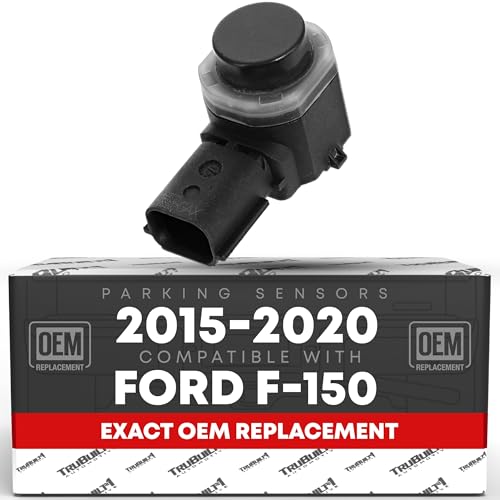
Only one bad sensor? This single T1A unit is a quick, exact-style swap. It fits 2015–2020 F-150 and Super Duty bumpers with OEM-style clips. If your truck throws a single PDC fault, you can replace just that spot. The sensor body locks in like stock.
I recommend this route when the other three test fine. It holds costs down without shorting on fit. Signal response feels even with factory units. Keep one in the toolbox if you live with road salt or brushy trails.
Pros:
- Low-cost single replacement
- Direct fit and connector match
- Works front or rear on 2015–2020 trucks
- Good for quick service calls
- Consistent with OEM-style alerts
Cons:
- Not a full set, tone balance may vary if others are aged
- Not compatible with 2021+ F-150
- Requires correct orientation during install
My Recommendation
Buy this if one sensor failed and the rest are healthy. It is a fast fix that restores the system alert. For owners who want Parking Sensors for Ford F-150 Trucks on a budget, a single swap makes sense. Keep part numbers handy to ensure the right fit.
| Best for | Why |
|---|---|
| Single-sensor failures | Cheaper and faster than a full set. |
| DIY emergency fix | Easy install with factory clips. |
| Spare inventory | Handy backup for road trips. |
T1A 4-Pack Parking Sensors for 2015–2020 F-150/Super Duty
This listing style from T1A also covers 2015–2020 F-150 and Super Duty. It mirrors OEM-style part references (FL3Z-15K859-A / HC3Z-15K859-A). Expect the same quick clip-in install and reliable tones. It is ideal if you want a matched brand across all four corners.
Performance is comparable to other top sets in this guide. I suggest a full 4-pack when two or more sensors die within months. That keeps tones uniform and reduces future troubleshooting. Solid option if you already like T1A parts.
Pros:
- Exact-style fit for 2015–2020 trucks
- Good performance and consistency
- Front/rear interchange in supported years
- Easy to install with basic tools
- Nice choice for uniform brand matching
Cons:
- Check that bezels match your paint/trim
- Only for the pre-2021 platforms
- Price varies; watch deals
My Recommendation
Consider this T1A set if you want consistency and a known brand. It’s smart when you already replaced one T1A and liked the result. As Parking Sensors for Ford F-150 Trucks, this fits the sweet spot for trucks that live in tough weather.
| Best for | Why |
|---|---|
| Matched brand installs | Uniform sensors sound and perform alike. |
| Frequent towing | Stable feedback helps hitching. |
| High-mileage trucks | Fresh set cuts future downtime. |
FAQs Of Parking Sensors for Ford F-150 Trucks
Do these sensors need programming on an F-150?
Most direct-fit replacements do not need programming. Install, check orientation, reconnect battery, and test. If you see a warning, scan for codes and verify connections.
How do I know which sensor failed?
Use an OBD-II scanner that can read the parking aid module. It will flag a corner (e.g., right rear inner). You can also listen and feel for the sensor clicking lightly.
Can I mix brands on the same bumper?
You can, but tones may vary. For best, use a matching set. That keeps distance and sensitivity consistent.
Will these work on a 2021+ F-150?
No. 2021 and newer trucks use updated systems. Match parts by year, trim, and sensor style.
Do I need painted sensors?
Most sensors sit behind bezels. Many are black and look fine. If you have color-matched bezels, reuse them with the new sensor core.
Final Verdict: Which Should You Buy?
If you drive a 2015–2020 truck, my Top Pick is the T1A 4-pack. It hits the best mix of fit, function, and price. The A-Premium 2015–2020 set is Best Quality for long-term use.
For a 2009–2014 truck, go with the A-Premium 2009–2014 set. These are the Parking Sensors for Ford F-150 Trucks that restore factory cues without dealer costs.
Picking the right Parking Sensors for Ford F-150 Trucks starts with fitment. I always check model year, trim, and part numbers before I click “buy.” If you own a 2015–2020 F-150 or Super Duty, you want sensors that track with the FL3Z/HC3Z family used by Ford. For 2009–2014, the 9L3Z part line is the typical match. Getting those details right avoids the most common headache: a new sensor that clicks but still throws a fault because the connector orientation or mapping is off.
Parking Sensors for Ford F-150 Trucks protect you in real-world moments. Think of the early morning tow hookup when fog hugs the driveway. Or the tight garage with kids’ bikes near the rear bumper. Good sensors turn beeps into trust. I judge a set by that trust—clean beeps that rise as space falls, with no false alarms in rain, heat, or dust. Tone mapping consistency across all four corners matters a lot. Mixed brands sometimes cause uneven sensitivity, which makes your brain second-guess the audio cues.
Installation is simple if you prep right. Park on level ground. Set the parking brake. Disconnect the battery for safety. Pop the sensor out from the back after removing the bezel, or release the retaining clips if mounted differently. Note orientation marks; most sensors must sit upright for proper targeting. Clean the bezel opening with a soft brush. Clip the new sensor in until it clicks. Reconnect the harness firmly. If you have an F-150 with the standard Parking Aid Module, you usually won’t need programming for a like-for-like swap. After reconnecting the battery, test in an open lot with a cardboard box. Listen for a steady tone ramp.
Weather demands stress sensors most. Road salt, snow, and pressure washers can weaken seals over years. Dust and mud can cause intermittent beeps. If your truck lives at a work site or on gravel, plan on a refresh every few years. That is why I favor four-sensor kits for older trucks. New parts across the bumper bring back balance. Parking Sensors for Ford F-150 Trucks must stay reliable after every storm and every wash. Solid housings and clean connectors are key.
Diagnostics are simple with a good scanner. The truck will flag a corner, such as “Right Rear Inner.” You can also listen for a light ticking when you touch a finger to the sensor face. No tick, no signal. Unexpected false beeps with no obstacle sometimes point to a cracked bezel or misaligned sensor. Mud on the face also confuses the read. Clean the sensors before you replace anything. If cleaning clears the issue, great. If not, swap the flagged sensor with a known good one to confirm the fault moves with it.
Many owners ask about mixing brands. You can do it, but you might hear small tone differences. That is not dangerous, but it can mess with timing near a hitch ball or tight wall. I prefer to keep a matched set per bumper. If one failed, I try a single replacement. If two or three failed in a short span, I refresh all four. It costs more today but saves time later. It also restores the “OEM” sound of the alerts. For city drivers who parallel park daily, that sound consistency matters. It reduces stress and guesswork.
Painting is another concern. On many F-150s, the sensor core sits behind a color-matched bezel. You do not paint the sensor body. You reuse the bezel or buy a matching bezel if yours is worn. If your trim uses black bezels, new sensors usually blend right in. The key is not to clog the sensor face. Any paint, wax, or thick mud on the face kills range and accuracy. Wipe them clean when you wash the truck. A soft microfiber and a non-abrasive cleaner are enough.
Let’s talk years. The 2009–2014 F-150 uses a sensor family that aligns with the 9L3Z line. The 2015–2020 trucks moved to the FL3Z/HC3Z family. That is why the products in this guide split by generation. Both generations use ultrasonic sensors that tie into a park aid module. 2021+ trucks may use updated hardware and different control logic, especially on trims with added driver-assist features. For that reason, the kits here focus on 2009–2020 where the fit is known and documented by Ford parts catalogs and service info.
A good test setup is simple. Place a large cardboard box or foam cooler behind the truck. Start far back and go to reverse. You should hear slow beeps. As you approach, beeps should speed up. At about a foot, you should hear a solid tone. Test each corner. If one corner is silent, swap that sensor with a known good one and retest. That isolates whether the sensor or the harness is faulty. If multiple corners are down, scan for a module fault or a blown fuse. Harness damage at the bumper is common after a hitch mishap or a light fender bender.
For towing, Parking Sensors for Ford F-150 Trucks are a big help. They detect the trailer jack or the tongue if you place the truck carefully. I back up slowly and listen to the ramp. When I hitch alone, this saves time and avoids taps. If you launch boats, the sensors also help in low light near docks. Just remember, water on the sensor face can dull the tone or cause a short false beep. Wipe them dry and try again. You will be back to normal in seconds.
Cost and value matter. Dealer sensors can be pricey, and wait times vary. The sets in this guide give you strong performance at a fair cost. T1A is a great value choice for 2015–2020 trucks. A-Premium leans into sturdy build quality. The generic 684-029 pack covers older platforms for less. If you want the most even result, replace sensors in groups of four. If you need a quick fix to pass inspection or get through the week, a single sensor swap is fine.
I judge products on fit, signal, and durability. Fit means the clips lock and the harness snaps in without force. Signal means a clean tone ramp with no dead spots. Durability shows up after weeks of rain, snow, and car washes. I pay attention to how often I get a random beep with no obstacle. On good sets, that is rare. On weaker sets, it happens too often, especially in cold mornings. The winners here avoid those quirks.
Finally, safety. Parking sensors are helpers, not autopilots. Always look around. Use mirrors and the camera if equipped. The sensors give you a second set of ears. They add confidence, especially for tall drivers who cannot see the bumper edge. With the right Parking Sensors for Ford F-150 Trucks, your big truck feels smaller in tight spots. The result is fewer dings, fewer claims, and less stress at the end of a long day.
In summary, these are my key practical tips for choosing and installing Parking Sensors for Ford F-150 Trucks:
- Match the sensor family to your model year (2009–2014 vs. 2015–2020).
- Replace in sets if multiple failures happen together.
- Keep bezels and sensor faces clean and free of paint or wax.
- Verify orientation marks before clipping in.
- Use a scanner to confirm the faulted corner before buying parts.
And here are quick signs you picked the right kit:
- The sensor clicks lightly when you touch it after installation.
- The tone ramps up smoothly as you approach a box or wall.
- No random beeps in drizzle or right after a wash.
- No DTCs after a short test drive and reverse test.
- The harness locks with a clean “click,” no wiggling needed.
With those checks, your F-150’s park assist feels new again. The road looks busy, but the beeps make it easy. That is the peace of mind the best Parking Sensors for Ford F-150 Trucks deliver every day.
Disclosure: As an Amazon Associate, I may earn from qualifying purchases at no extra cost to you. Amazon and the Amazon logo are trademarks of Amazon.com, Inc, or its affiliates.
- Amazon, Amazon Prime, the Amazon logo and Amazon Prime logo are trademarks of Amazon. com, Inc. or its affiliates.

Hi, I am AKM Sad. I’m a car enthusiast and reviewer who loves exploring gadgets and accessories. I share honest reviews and practical tips to help you get the best products and enjoy a safer, smoother ride.