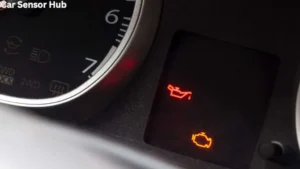
The Ford F-150 stands as one of the most popular pickup trucks in the United States, known for its durability and versatility. However, like any vehicle, it can develop issues over time. One small but important part that often goes overlooked is the oil pressure sensor. This sensor plays a key role in keeping your engine healthy by monitoring oil pressure and alerting you to problems before they become serious. If the sensor fails or sends false readings, you might see the oil pressure warning light on your dashboard—or worse, miss a real problem and damage your engine.
If you own or work on a Ford F-150, understanding the oil pressure sensor location and how to replace it is essential. This article will walk you through every detail, from understanding what the sensor does and where to find it, to the exact steps for safe replacement. You’ll also learn how to spot symptoms of a failing sensor, get answers to common questions, and see how the F-150 compares to other trucks. Whether you’re a DIY enthusiast or just want to know more about your vehicle, this guide will give you the practical insights you need.
What Is An Oil Pressure Sensor And Why Does It Matter?
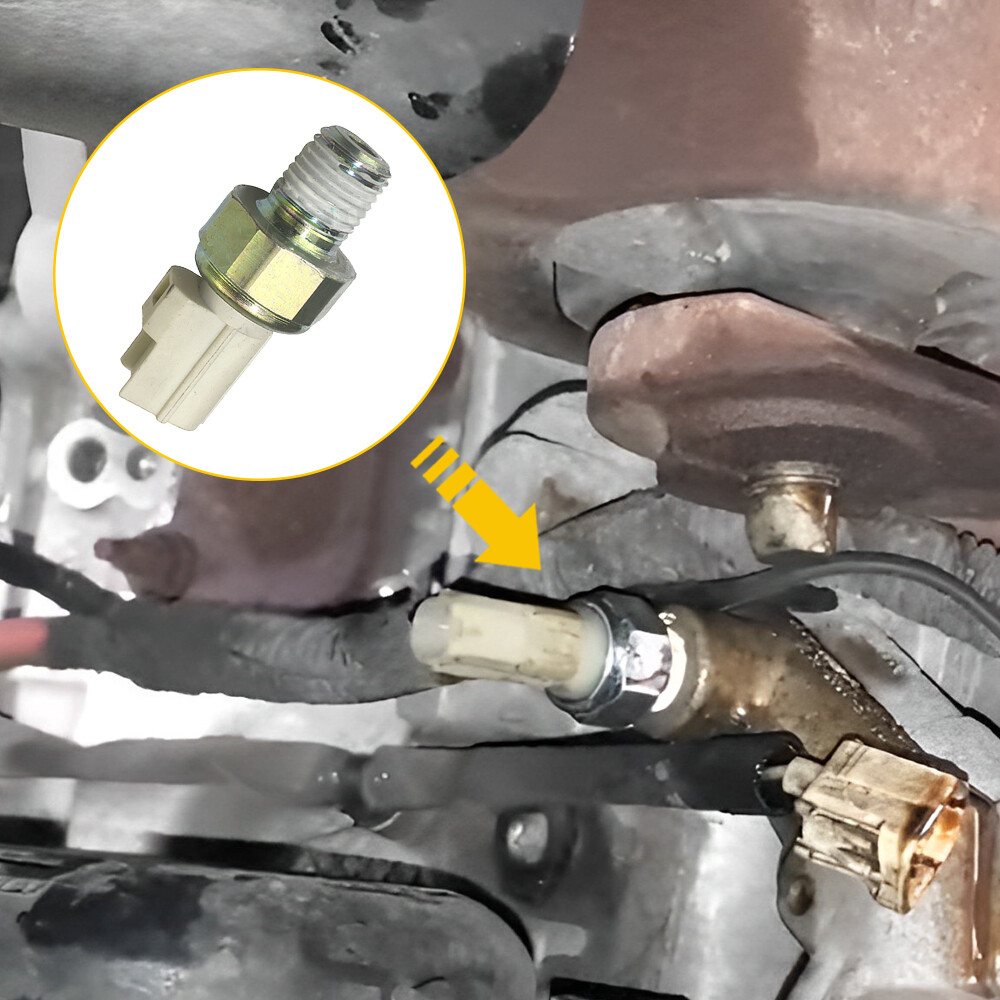
The oil pressure sensor (sometimes called the oil pressure switch or sender) is a small device screwed into the engine block. Its main job is to measure the pressure of the oil circulating inside the engine. If the oil pressure drops too low, the sensor triggers a warning light or gauge on your dashboard.
Oil lubricates the engine’s moving parts, reducing friction and wear. Low oil pressure means the engine isn’t getting enough lubrication, which can lead to overheating, increased friction, and even engine failure. For this reason, the oil pressure sensor is a vital line of defense.
If it’s not working correctly, you may not know when your engine is in trouble.
Many F-150 owners make the mistake of ignoring the oil pressure warning light, thinking it’s a false alarm. However, even a faulty sensor should be checked and replaced quickly. This is especially true for older F-150s or trucks used for towing and heavy hauling, where engine stress is higher.
Ford F150 Oil Pressure Sensor Location By Model Year
The location of the oil pressure sensor on a Ford F-150 depends on the engine type and model year. Ford has used several different engines and designs over the years, so it’s important to know where to look.
1990–1996 F-150 (5.0l, 5.8l V8)
On these classic models, you’ll find the sensor on the driver’s side of the engine block, just above the oil filter. It’s a small, round sensor with an electrical connector on top.
1997–2003 F-150 (4.2l V6, 4.6l & 5.4l V8)
For this generation, the sensor is usually located near the oil filter housing. On the 4. 2L V6, it’s on the passenger side of the engine, while the V8s often have it on the driver’s side, close to the front.
2004–2008 F-150 (4.2l V6, 4.6l & 5.4l V8)
These engines have a more compact design. The sensor sits above the oil filter, on the side of the block. You may need to reach from underneath the truck to see or access it.
2009–2014 F-150 (3.7l V6, 5.0l V8, 6.2l V8, 3.5l Ecoboost)
With the introduction of the EcoBoost and other modern engines, the sensor is often found at the rear of the engine block, close to the transmission bell housing. On the EcoBoost, it’s typically on the passenger side.
2015–2020 F-150 (2.7l & 3.5l Ecoboost, 5.0l V8)
The sensor is still near the rear of the engine, but tighter engine bays can make it harder to spot. Look for it just above the oil pan, sometimes hidden by wiring harnesses or intake components.
2021–present F-150 (all Engines)
Modern models use more compact sensors, often located at the rear of the block, on the passenger side. The location is similar to previous years but may be harder to see due to more components in the engine bay.
Pro Tip: If you can’t find the sensor by sight, trace the oil filter housing or follow the wiring harness from the oil pressure light/gauge.
Signs Your Oil Pressure Sensor Is Failing
A failing oil pressure sensor can show up in several ways. Here are the most common symptoms:
- Oil Pressure Warning Light: The most obvious sign. If this light comes on or flashes, check the sensor and oil level immediately.
- Erratic Oil Pressure Gauge: If the gauge jumps around or stays at zero/high all the time, the sensor could be at fault.
- Engine Ticking or Knocking: Low oil pressure can cause strange noises from the engine. This could be a real issue or a false reading from a bad sensor.
- Oil Leaks Around Sensor: Sometimes, the sensor or its seal can leak oil, making a mess in the engine bay.
- Check Engine Light: Some F-150s will trigger a check engine code if the oil pressure sensor signal is out of range.
Ignoring these signs can lead to bigger problems. If you notice any of them, stop driving and check the sensor right away.
Tools And Parts Needed For Replacement
Before you start, gather these tools and parts:
- Replacement oil pressure sensor (make sure it matches your engine and year)
- Socket set (usually a deep socket, 13mm or 27mm, depending on sensor)
- Ratchet or wrench
- Oil catch pan (in case oil leaks out)
- Shop towels
- Thread sealant (if required; some sensors come pre-coated)
- Work gloves
- Safety glasses
- Flashlight (for hard-to-see areas)
Tip: Always check the replacement sensor against the old one before installing. Even a small difference in size or connector can cause problems.

Credit: ford.car-owners-manual.com
Step-by-step Guide To Replacing The Oil Pressure Sensor
Replacing the oil pressure sensor on a Ford F-150 can seem intimidating, but most people with basic tools can handle it in about 30–60 minutes. Here’s a safe, clear process:
1. Prepare The Vehicle
- Park your F-150 on a flat, level surface.
- Let the engine cool completely. Hot oil and metal can cause burns.
- Disconnect the negative battery cable to prevent electrical shorts.
2. Locate The Sensor
- Use the guidance above based on your model year.
- If needed, raise the truck with a jack and secure with jack stands for easier access.
- Shine a flashlight to spot the sensor’s electrical connector and metal body.
3. Remove The Electrical Connector
- Squeeze or lift the locking tab and pull the connector straight off.
- If it’s stuck, gently wiggle—never force.
4. Remove The Old Sensor
- Place an oil catch pan underneath, just in case.
- Use the correct deep socket and ratchet to loosen the sensor. Turn counterclockwise.
- Once loose, unscrew by hand. A small amount of oil may leak out.
5. Prepare And Install The New Sensor
- Compare the new sensor to the old one. Check for matching threads and connector.
- If needed, apply a small amount of thread sealant (unless pre-coated).
- Screw the new sensor in by hand to avoid cross-threading.
- Tighten with the socket—snug, but not too tight (usually 10–20 ft-lbs torque).
6. Reconnect And Test
- Plug the electrical connector back into the sensor.
- Reconnect the negative battery cable.
- Start the engine. Watch for leaks and check that the oil pressure light/gauge works normally.
- If everything looks good, lower the truck (if raised) and clean up.
Common Problems And Mistakes
Even with clear instructions, some mistakes are common when replacing the F-150 oil pressure sensor:
- Overtightening the sensor: This can strip the threads or crack the block. Use a torque wrench if possible.
- Forgetting thread sealant: Some sensors need a sealant to prevent leaks. Check your part’s instructions.
- Mixing up sensors: F-150s use different sensors by year and engine. Always match part numbers.
- Damaging the connector: The electrical connector can be fragile. Handle with care.
- Ignoring real oil pressure problems: If the sensor is fine but you still see warnings, your engine may have a real oil pressure issue—get it checked by a professional.
Insider tip: After replacement, keep an eye on the oil pressure reading for a few days. If you still see problems, the issue may be deeper—such as an oil pump or engine wear.
Table: Ford F-150 Oil Pressure Sensor Locations By Year And Engine
To make things easier, here’s a quick summary of sensor locations for popular F-150 engines:
| Model Year | Engine | Sensor Location |
|---|---|---|
| 1990–1996 | 5.0L, 5.8L V8 | Driver’s side, above oil filter |
| 1997–2003 | 4.2L V6 | Passenger side, near oil filter |
| 1997–2003 | 4.6L, 5.4L V8 | Driver’s side, near front |
| 2004–2008 | All Engines | Above oil filter, side of block |
| 2009–2014 | 3.5L EcoBoost | Rear of block, passenger side |
| 2015–2020 | 2.7L, 3.5L EcoBoost | Rear of engine, above oil pan |
| 2021–Present | All Engines | Rear of block, passenger side |
This table covers the main variations. For rare engines or special editions, always consult your owner’s manual or a repair database.
How The Oil Pressure Sensor Works In The F-150
The oil pressure sensor in a Ford F-150 works as an electrical switch or variable resistor, depending on the year and model. When oil pressure is normal, the sensor sends a standard voltage (usually 5V) back to the truck’s computer. If the pressure drops, the voltage changes, triggering the dash warning.
Older F-150s use a simple switch that turns the light on or off. Newer models use a variable sensor for more accurate readings on a digital gauge. The system is wired so that a sensor failure usually triggers a warning, helping you avoid engine damage.
Interesting fact: Some F-150s use the same sensor design as other Ford trucks and cars, making replacement parts widely available and affordable.

Credit: www.youtube.com
Oil Pressure Sensor Costs And Replacement Time
The cost to replace an oil pressure sensor on a Ford F-150 is usually very reasonable:
- Parts: $15–$60 (sensor only; varies by year/engine)
- Labor (if done at shop): $50–$150 (depending on location and access difficulty)
- Total DIY Cost: Usually under $40
Most DIYers can finish the job in less than an hour. At a shop, expect to wait 1–2 hours total.
Tip: If your sensor fails repeatedly, check for wiring problems or oil pressure issues, not just a bad sensor.
Table: Diy Vs. Shop Replacement Comparison
Here’s a side-by-side comparison to help you decide whether to do it yourself or take your F-150 to a mechanic:
| Factor | DIY Replacement | Shop Replacement |
|---|---|---|
| Cost | $15–$60 (parts only) | $65–$200 (parts & labor) |
| Time Required | 30–60 minutes | 1–2 hours (including wait) |
| Tools Needed | Basic hand tools | None (shop provides) |
| Risk of Mistakes | Medium (if new to repairs) | Low (professional tech) |
| Satisfaction | High (for DIYers) | Convenient |
Credit: www.ebay.com
Preventing Oil Pressure Sensor Problems
You can reduce the chance of oil pressure sensor issues with a few simple habits:
- Regular oil changes: Dirty oil can clog the sensor and cause false readings.
- Check for leaks: Oil leaking near the sensor may point to a loose or failing part.
- Inspect wiring: Rodents or vibration can damage wires to the sensor.
- Listen for engine noise: Any new ticks or knocks should be checked immediately.
- Don’t ignore warning lights: Always investigate oil pressure warnings, even if you suspect the sensor.
Real-life Example: F-150 Owner’s Experience
Mike, a 2014 F-150 owner from Texas, noticed his oil pressure gauge would drop to zero for a few seconds, then jump back up. He checked the oil level, which was fine, but the warning light kept coming on. After searching online forums, he found many other owners had similar issues caused by a bad sensor.
Mike replaced his sensor in under an hour using basic tools. The problem disappeared, and he saved over $100 compared to the dealer’s quote. His story shows how knowing the sensor’s location and replacement steps can save time and money.
Advanced Troubleshooting: When A New Sensor Doesn’t Fix The Problem
Sometimes, replacing the oil pressure sensor does not solve the warning light or gauge issue. Here are advanced steps to try:
- Check the wiring harness for damaged or loose wires.
- Test oil pressure manually with a mechanical gauge to confirm real pressure.
- Inspect the oil pump for wear or failure.
- Look for clogged oil passages in high-mileage engines.
- Consult a professional if you suspect deeper internal engine problems.
Non-obvious insight: Some F-150s with turbo engines (EcoBoost) can have oil pressure problems related to the turbo’s oil feed line—so sensor warnings should not be ignored.
Table: F-150 Vs. Other Trucks—oil Pressure Sensor Access
How does the F-150 compare to other pickups when it comes to oil pressure sensor replacement?
| Truck Model | Sensor Access | DIY Difficulty | Sensor Cost |
|---|---|---|---|
| Ford F-150 | Moderate (varies by year) | Easy–Medium | $15–$60 |
| Chevy Silverado 1500 | Easy (top of block) | Easy | $20–$65 |
| Ram 1500 | Hard (behind intake) | Medium–Hard | $25–$70 |
| Toyota Tundra | Easy (side of block) | Easy | $20–$50 |
The F-150 is generally easier than the Ram but can be trickier than the Silverado or Tundra, depending on the year and engine.
Where To Buy A Replacement Oil Pressure Sensor
You can find oil pressure sensors for your F-150 at:
- Ford dealerships (OEM parts)
- Auto parts stores (AutoZone, O’Reilly, NAPA)
- Online retailers (RockAuto, Amazon, FordParts.com)
OEM parts are best for reliability, but quality aftermarket sensors can save money. Always check for a warranty and make sure the part matches your truck’s year and engine.
For more about how oil pressure sensors work, you can visit the Wikipedia Oil Pressure Sensor page.
Frequently Asked Questions
What Happens If I Drive With A Bad Oil Pressure Sensor?
If the sensor is only faulty, you might just see a warning light. But you won’t know if a real oil pressure problem develops, which can lead to serious engine damage. It’s best to replace a bad sensor quickly.
Can I Replace The Oil Pressure Sensor Myself?
Yes, most F-150 owners can do this with basic tools. The process is straightforward if you follow the steps above. Make sure to use the right part for your year and engine.
Will Changing The Sensor Stop My Oil Leak?
If the leak is coming from the sensor or its threads, replacing it should fix the leak. If oil is leaking from somewhere else, you’ll need to inspect for other gasket or seal issues.
How Do I Know If My Oil Pressure Warning Is Real Or A Sensor Fault?
Check your oil level first. If it’s normal and you hear no engine noise, it’s likely the sensor. If you hear knocking or ticking, or the oil is low, there may be a real problem—get it checked right away.
Is It Safe To Drive With The Oil Pressure Warning Light On?
No. Even if you think the sensor is faulty, driving with the warning light on can risk engine damage. Always stop, check oil level, and replace the sensor as soon as possible.
—
Knowing the Ford F-150 oil pressure sensor location and replacement process puts you in control of your truck’s health. By understanding the symptoms, gathering the right tools, and following clear steps, you can avoid expensive repairs and keep your F-150 running strong. Always stay alert to warning signs and don’t hesitate to consult a professional for deeper problems. With a little care and knowledge, you’ll ensure your F-150’s engine stays protected for years to come.
Disclosure: As an Amazon Associate, I may earn from qualifying purchases at no extra cost to you. Amazon and the Amazon logo are trademarks of Amazon.com, Inc, or its affiliates.
- Amazon, Amazon Prime, the Amazon logo and Amazon Prime logo are trademarks of Amazon. com, Inc. or its affiliates.

I am Sadman, the founder of CarSensorHub.com, where I share my passion for cars and technology. I specialize in writing detailed reviews and helpful guides on car gadgets, accessories, safety tools and many more. My mission is to help car owners discover the best products and tips to improve their driving experience and stay safe on the road.