Tesla Oil Pressure Sensor: Does It Have One?
The world has changed since Tesla began building electric cars. Many people now ask questions about how Teslas work, especially when it comes to things like sensors and maintenance. One common question is, “Does a Tesla have an oil pressure sensor?” This is a good question, because most people are used to regular gas-powered cars, which need oil to keep the engine working. In this article, we’ll take a close look at this topic. We’ll explain what an oil pressure sensor is, how Tesla vehicles are different, and what drivers need to know about sensors in electric cars.
Many car owners grew up with warnings about checking oil levels and watching for the oil warning light. The oil pressure sensor is a big reason for that. But Teslas are not like the cars from the past. Understanding why can save you money, time, and stress.
If you’re thinking of buying a Tesla, or you already own one, this article will help you understand what’s really going on under the hood — even if there’s no oil to check.
What Is An Oil Pressure Sensor?
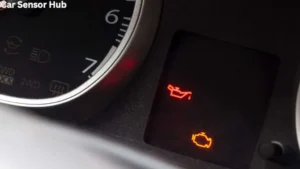
An oil pressure sensor is a small device found in gasoline or diesel engines. It measures the pressure of the oil inside the engine. This is important because oil keeps the engine’s moving parts cool and lubricated. If the oil pressure drops, the engine can get damaged very quickly. That’s why the oil pressure sensor sends information to your car’s computer or dashboard. If there’s a problem, you’ll see a warning light — usually shaped like an oil can.
How Oil Pressure Sensors Work
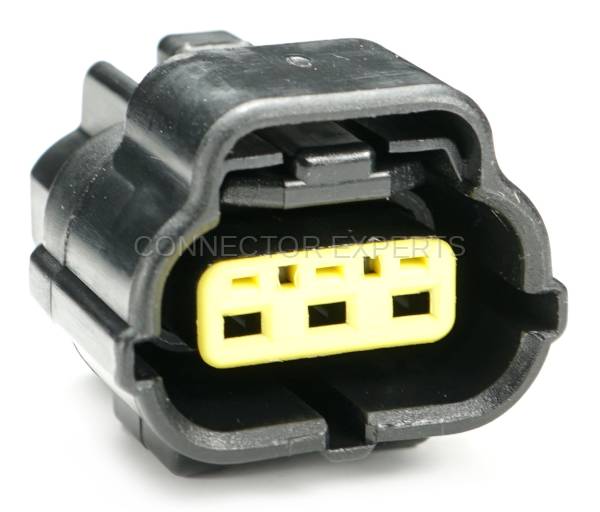
The oil pressure sensor is usually screwed into the engine block. It has a diaphragm inside that moves when oil pressure changes. This movement creates an electrical signal. The car’s computer reads this signal. If the pressure falls below a safe level, the sensor triggers the warning light.
Why It Matters In Gas And Diesel Cars
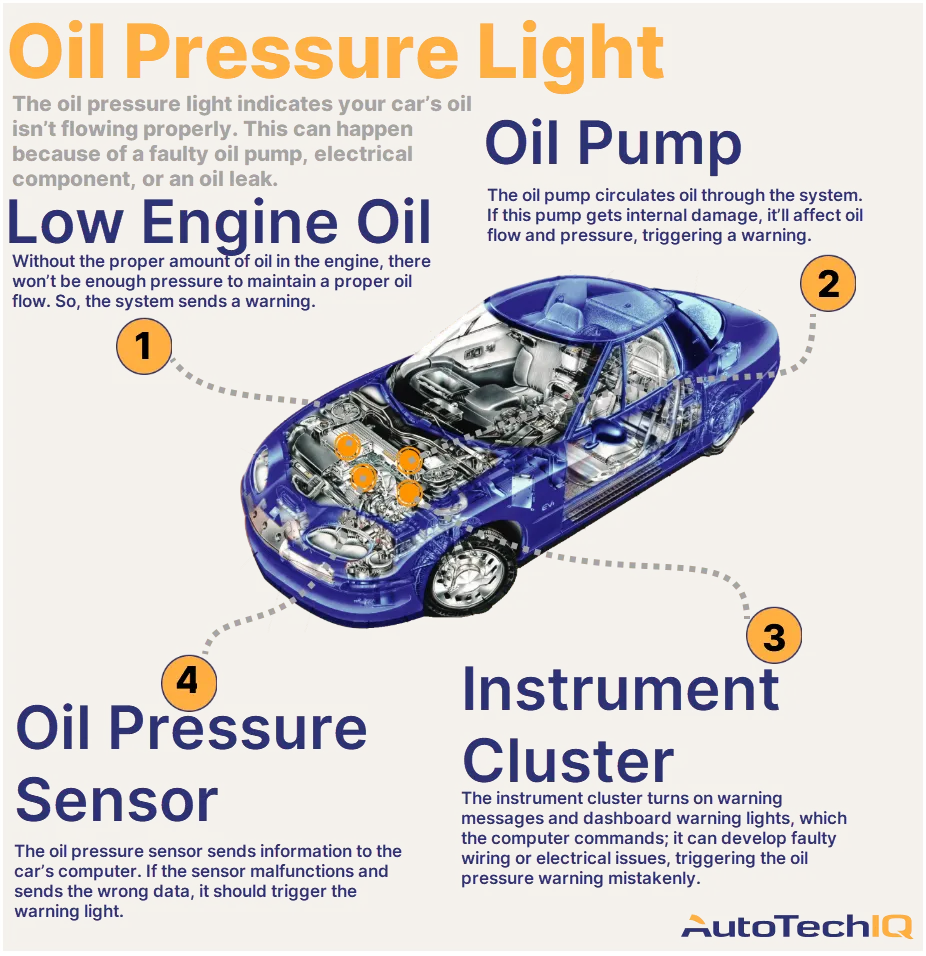
For traditional cars, oil is the lifeblood of the engine. Low oil pressure can mean:
- There isn’t enough oil
- The oil pump is failing
- There’s a leak
- The oil filter is clogged
Ignoring the oil pressure light can lead to engine failure. That’s why the sensor is so important in gas and diesel vehicles.
How Tesla Cars Are Different
Tesla cars are battery-electric vehicles (BEVs). This means they don’t use gasoline or diesel to run. Instead, they use large batteries and electric motors. Because of this, the way Teslas work is very different from traditional cars.
No Internal Combustion Engine
The biggest difference is that Teslas have no internal combustion engine. They don’t burn fuel, and they don’t have pistons, crankshafts, or valves that need oil lubrication. This changes everything about maintenance.
No Engine Oil
Because there’s no engine, there’s no engine oil. Teslas don’t need oil changes. There’s nothing to lubricate in the same way as a gas engine. That’s why you never see an oil dipstick or oil filler cap in a Tesla.
Do Teslas Have An Oil Pressure Sensor?
The simple answer is no, Teslas do not have an oil pressure sensor. There is no engine oil, so there is no need to measure its pressure. This is one of the main reasons electric cars are easier to maintain.
Credit: connectorexperts.com
Sensors Used In Tesla Vehicles
Even though Teslas don’t have oil pressure sensors, they do have many other sensors. These sensors help the car work safely and smoothly. Let’s look at some of the main sensors found in a Tesla.
Motor Temperature Sensors
Every Tesla has an electric motor temperature sensor. Electric motors can get hot, especially under hard use. The temperature sensor helps protect the motor from overheating.
Battery Temperature Sensors
Battery temperature sensors are critical in Teslas. The battery pack must stay within a safe temperature range. If it gets too hot or too cold, performance and lifespan can suffer. The car’s system uses these sensors to manage heating and cooling.
Coolant Flow Sensors
While Teslas don’t have engine oil, they do use coolant to keep the battery, motors, and electronics at safe temperatures. Some Teslas have sensors to measure the flow and temperature of the coolant.
Brake Fluid Level Sensors
Tesla vehicles still use brake fluid for the hydraulic brakes. There are sensors to check the level and condition of brake fluid.
Tire Pressure Monitoring Sensors
Every modern Tesla includes TPMS (Tire Pressure Monitoring System) sensors in each wheel. These help prevent blowouts and improve efficiency.
Other Important Sensors
- Accelerometer: Measures changes in speed and direction.
- Ultrasonic sensors: Help with parking and autopilot features.
- Cameras: Used for Tesla’s Autopilot and safety features.
- Rain sensors: Control the windshield wipers automatically.
These sensors work together to keep the car safe, efficient, and easy to drive.
Why Some People Think Teslas Might Have Oil Pressure Sensors
It’s common for people to assume all cars have oil pressure sensors. There are a few reasons for this confusion.
- Old habits: Most drivers grew up with gas cars, so they expect to see oil-related warnings.
- Service schedules: Some Tesla drivers look for oil changes in the maintenance schedule and are surprised when there’s no mention.
- Warning lights: The dashboard in Teslas still has warning lights, but none are for oil pressure.
- Confusing terms: Sometimes, people confuse other fluids (like coolant or brake fluid) with oil.
Understanding the basic differences between electric and gas cars can help clear up these misunderstandings.
Maintenance Differences: Tesla Vs. Gasoline Cars
One of the biggest selling points for Teslas is lower maintenance. Because there’s no engine oil, the car needs less regular service. Here’s a comparison of maintenance items:
| Maintenance Item | Tesla | Gasoline Car |
|---|---|---|
| Oil Change | Not needed | Every 3,000–7,500 miles |
| Spark Plugs | Not needed | Every 30,000–100,000 miles |
| Transmission Fluid | Rarely needed | Every 30,000–60,000 miles |
| Brake Pads | Last longer (regen braking) | More frequent |
| Coolant | Needed (for battery/motor) | Needed (for engine) |
| Tire Rotation | Needed | Needed |
As you can see, Teslas skip many of the most common and expensive services.
What Happens If You Ignore Oil Pressure In A Gas Car?
Ignoring low oil pressure in a gasoline or diesel car can be very dangerous. This is one reason people are so worried about sensors. Here’s what can happen:
- Engine overheating: Oil reduces friction. Without enough oil pressure, heat builds up quickly.
- Engine seizure: Metal parts can weld together, leading to complete engine failure.
- Expensive repairs: Fixing a seized engine can cost thousands of dollars.
Because Teslas don’t use engine oil, owners avoid these risks. However, it’s important to remember that Teslas still require other types of maintenance.

Credit: www.ebay.com
How Tesla Monitors Its Systems Without Oil Pressure Sensors
Tesla vehicles use advanced electronics to monitor and protect the main systems. Here’s how they do it:
Battery Health Monitoring
The car’s computer constantly checks the state of charge, temperature, and voltage of the battery cells. If something is wrong, the system warns the driver.
Motor Monitoring
Instead of oil pressure, the electric motor’s temperature and current flow are tracked. If the motor gets too hot, the car reduces power to prevent damage.
Cooling System Monitoring
Sensors check the coolant temperature and flow. If coolant levels are low or there’s a leak, the car alerts the driver.
Software Updates
Tesla uses over-the-air updates to improve the car’s monitoring and warning systems. New features and fixes are sent automatically, without a visit to the shop.
Common Misconceptions About Tesla Maintenance
People often make wrong guesses about Tesla maintenance. Let’s clear up some of the most common myths.
“teslas Need Oil Changes”
This is false. There is no engine oil, so there is nothing to change.
“electric Cars Have Fewer Sensors”
Actually, Teslas have more sensors than most gas cars. They need them for safety, self-driving, and battery health.
“no Maintenance Is Needed”
While Teslas need less maintenance, they still need service for tires, brakes, coolant, and air filters.
“all Fluids Are Gone”
Teslas still use fluids like brake fluid, coolant, and sometimes windshield washer fluid. Only engine oil is not needed.
What Fluids Does A Tesla Use?
Since Teslas don’t use engine oil, it’s natural to wonder what fluids they do use. Here’s a quick summary:
| Fluid | Used in Tesla? | Purpose |
|---|---|---|
| Engine Oil | No | N/A |
| Brake Fluid | Yes | Hydraulic brakes |
| Coolant | Yes | Battery/motor cooling |
| Windshield Washer Fluid | Yes | Cleaning windshield |
| Transmission Fluid | Rarely (sealed unit) | Lubricates gear reduction unit |
This shows that Teslas are much simpler when it comes to fluids.
How Do Teslas Warn Drivers Of Problems?
Even without an oil pressure sensor, Teslas are smart about warning drivers. Here’s how Tesla makes sure you know if something is wrong:
- Touchscreen alerts: If there’s a problem with the battery, motor, coolant, or brakes, the car shows a warning on the main touchscreen.
- Mobile app notifications: You can get alerts about your car sent to your phone.
- Sound alerts: Some warnings include sounds or chimes.
- Service reminders: The car reminds you when it’s time for service, like tire rotation or brake fluid check.
These systems are more advanced than most gas cars. They help drivers stay safe and avoid costly problems.
Examples: What Does Tesla’s Dashboard Warn About?
While there is no oil pressure warning, Tesla’s dashboard can warn you about:
- Low brake fluid
- Low coolant
- Tire pressure
- Motor overheating
- Battery overheating or low charge
- Door or trunk open
- Autopilot errors
If a sensor detects a real problem, the car explains it clearly. This helps drivers act quickly.
Insights Most People Miss About Tesla Sensors
Many new Tesla owners overlook some important details about sensors and maintenance.
1. Regenerative Braking Reduces Brake Wear
Tesla’s regenerative braking means the car slows down using the electric motor most of the time. This makes the brake pads last much longer. As a result, the brake fluid and brake sensors may need less frequent attention, but they are still important.
2. Coolant Is Still Critical
Even without engine oil, Teslas need their coolant system checked regularly. Battery and motor cooling is key to performance and battery life. Neglecting this can lead to expensive battery or motor repairs.
Comparing Tesla To Hybrid And Plug-in Hybrid Cars
Some people confuse Teslas with hybrid cars like the Toyota Prius or plug-in hybrids. Here’s a quick comparison:
| Feature | Tesla (BEV) | Hybrid/Plug-In Hybrid |
|---|---|---|
| Engine Oil | No | Yes |
| Oil Pressure Sensor | No | Yes |
| Exhaust System | No | Yes |
| Battery Cooling | Yes | Yes |
| Regenerative Braking | Yes | Yes |
This shows that only full electric vehicles like Teslas remove the need for engine oil and oil pressure sensors.
What Happens During A Tesla Service Visit?
When you bring a Tesla in for service, the technicians check different things than a gas car. Here’s what’s often included:
- Tire rotation and inspection
- Brake fluid check
- Coolant check
- Cabin air filter replacement
- Software updates
- Drive unit and battery inspection
There’s no oil change, spark plug replacement, or exhaust check.
Real-world Data: Tesla Maintenance Costs
According to a study by Consumer Reports, Teslas cost about half as much to maintain as gas cars over five years. For example:
- Tesla Model 3: About $1,410 in maintenance in five years
- Average gasoline car: About $3,500 in five years
This is mostly because Teslas don’t need oil changes, timing belt replacements, or spark plug service.
Does Tesla’s Absence Of Oil Pressure Sensors Cause Any Problems?
Some people worry that not having an oil pressure sensor could be a problem. But in reality, it’s an advantage:
- Fewer things can go wrong: No sensor means no risk of false warnings or sensor failure.
- Less maintenance: No oil changes or oil leaks to fix.
- Simpler design: Electric motors are less complex than combustion engines.
However, it’s important to remember that this only works because the entire system is designed for electric power. You can’t just remove the oil pressure sensor from a gas car!
How To Check For Leaks Or Fluid Issues In A Tesla
Even though there’s no engine oil to check, you should still look for leaks under your Tesla. Here’s what to watch for:
- Coolant puddles: Pink or orange fluid under the car may mean a leak.
- Brake fluid leaks: Clear to yellow fluid near the wheels or brake lines.
- Windshield washer fluid: Blue or green fluid, usually harmless.
If you see a leak, schedule a service visit. Teslas are designed to warn you about most critical issues, but a visual check is always wise.
The Future: Will Electric Cars Ever Use Engine Oil?
It’s very unlikely. The design of electric motors does not require engine oil. As batteries and motors get better, the need for oil will disappear in more and more vehicles. This is one reason so many car companies are moving to electric models.
What Owners Should Do Instead Of Checking Oil
If you own a Tesla, you don’t need to worry about oil pressure sensors. Instead, focus on:
- Checking tire pressure regularly (the car will help you).
- Watching coolant and brake fluid levels at each service.
- Keeping the software up to date for the latest features.
- Listening to warning messages on the touchscreen or app.
These steps will keep your Tesla running well for years.
Frequently Asked Questions
Why Don’t Teslas Have An Oil Pressure Sensor?
Teslas are fully electric and don’t use engine oil. Oil pressure sensors are only needed for engines that burn fuel and need oil lubrication. Since Teslas have no internal combustion engine, there’s no need for this sensor.
Do Teslas Have Any Kind Of Oil?
No, Teslas do not use engine oil. However, they may have a small amount of lubricant in the sealed gear reduction unit, but this is not engine oil and does not need regular checking or changing by the owner.
What Warning Lights Do Teslas Have Instead Of Oil Pressure?
Teslas have warning lights and alerts for battery temperature, coolant level, brake fluid, tire pressure, and other electronic systems. There is no oil pressure warning because it’s not needed.
Can I Add An Oil Pressure Sensor To My Tesla?
No, it’s not possible or needed. The electric motor and battery do not use oil, so there’s nothing for an oil pressure sensor to measure or warn about.
Where Can I Learn More About How Tesla Vehicles Work?
For a deeper technical understanding, you can read detailed guides and official documents on the Tesla Wikipedia page.
Electric vehicles like Teslas are changing what car maintenance means. The days of worrying about engine oil and oil pressure sensors are ending. Drivers can now focus on other, simpler steps to keep their cars running well — and enjoy the peace of mind that comes with fewer moving parts.
The future of cars is simpler, cleaner, and more reliable, and understanding these changes will help you make the most of your Tesla experience.
Credit: www.autotechiq.com
Disclosure: As an Amazon Associate, I may earn from qualifying purchases at no extra cost to you. Amazon and the Amazon logo are trademarks of Amazon.com, Inc, or its affiliates.
- Amazon, Amazon Prime, the Amazon logo and Amazon Prime logo are trademarks of Amazon. com, Inc. or its affiliates.

I am Sadman, the founder of CarSensorHub.com, where I share my passion for cars and technology. I specialize in writing detailed reviews and helpful guides on car gadgets, accessories, safety tools and many more. My mission is to help car owners discover the best products and tips to improve their driving experience and stay safe on the road.