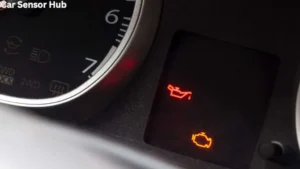
If your Cummins diesel engine is showing oil pressure problems, it can be stressful and confusing. The oil pressure sensor is a small part but has a big role. It tells you if your engine is running safely or if there might be damage. A wrong reading can cause you to panic or, worse, ignore a real issue. Many people replace sensors or even bigger parts when the problem is somewhere else. This guide will help you understand how the Cummins diesel oil pressure sensor works, what can go wrong, and how to troubleshoot issues step by step. You’ll get real examples, practical advice, and tips you won’t find in most manuals.
How The Cummins Diesel Oil Pressure Sensor Works
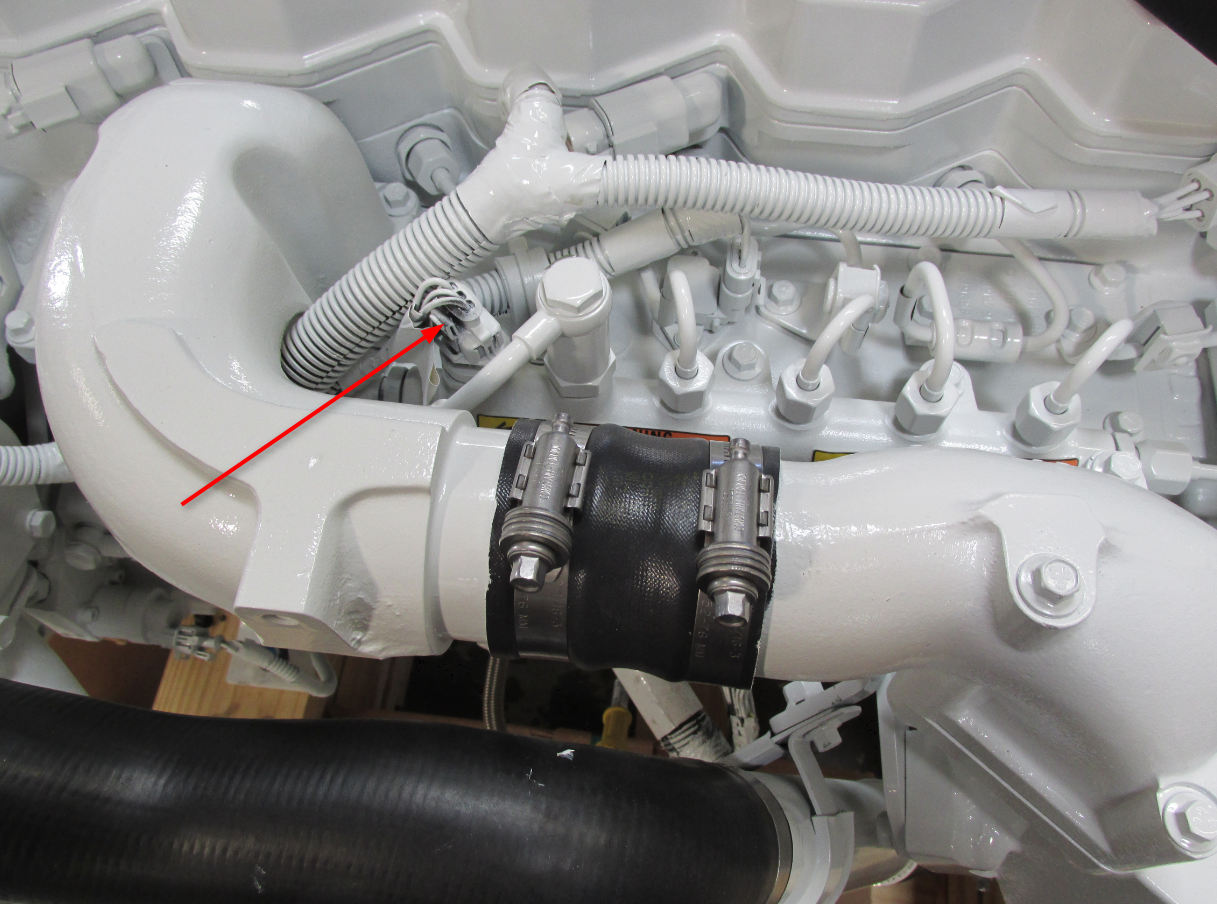
The oil pressure sensor is a small electrical device attached to your Cummins engine block. Its main job is to measure the pressure of the oil that flows through the engine. Oil pressure is vital because it keeps all moving parts lubricated, reduces friction, and prevents wear. The sensor sends this pressure information to the engine control module (ECM) and often to your dashboard gauge or warning light.
When the sensor works correctly, it helps you spot low oil or problems like leaks or worn bearings. If it fails, you might get a false warning or miss a real problem. On modern Cummins engines, the sensor is usually threaded into a port near the oil filter or on the main oil gallery.
It uses a tiny diaphragm inside that moves based on oil pressure, changing an electrical signal that the ECM reads.
One thing beginners often miss: sensor location can change depending on the model and year of your Cummins engine. Always check your service manual for the exact spot.
Common Symptoms Of A Faulty Oil Pressure Sensor
If the oil pressure sensor fails or gives wrong data, your engine may show several signs. These include:
- Dashboard warning light stays on or flashes, even if the oil level is fine.
- Oil pressure gauge shows zero, maximum, or jumps between values.
- Engine goes into limp mode to protect itself, limiting power.
- Error codes appear on a scan tool, such as P0520 (oil pressure sensor circuit).
- Strange noises like ticking or knocking (but only if real oil pressure is low).
It’s important to understand that a faulty sensor can make you chase the wrong problem. For example, if the sensor wire is loose, your dashboard might show “0 PSI” even though oil pressure is fine. That’s why careful troubleshooting saves time and money.
Key Tools And Equipment For Troubleshooting
Before you start, gather these tools. Having the right equipment makes the process smoother and reduces the chance of damaging parts.
- Digital multimeter (for checking voltage and resistance)
- Mechanical oil pressure gauge (for direct oil pressure reading)
- OBD-II or Cummins-specific scan tool
- Wrenches and sockets
- Safety gloves and glasses
- Service manual for your Cummins engine model
- Replacement sensor (if you plan to swap it)
A common mistake: Relying only on the dashboard gauge. Always double-check with a mechanical gauge for true oil pressure.
Step-by-step Troubleshooting Process
Troubleshooting a Cummins diesel oil pressure sensor means working through a logical order, from simple to complex. Here’s how to do it:
1. Visual Inspection
Start with a basic look around the engine. It’s easy to overlook small things.
- Check the oil level using the dipstick. Low oil can cause real low pressure.
- Look for oil leaks around the sensor, filter, and lines.
- Inspect the sensor wiring for damage, loose connectors, or corrosion.
- Make sure the sensor is tight but not over-tightened.
If you see oil on the sensor plug, it often means the sensor is leaking internally and needs replacement.
2. Check For Diagnostic Trouble Codes (dtcs)
Connect an OBD-II or Cummins scan tool to your truck or machine.
- Read stored codes related to oil pressure, such as P0520, P0521, or P0522.
- Write down any codes for later reference.
- Clear the codes and see if they return after running the engine.
DTCs point you in the right direction but don’t always mean the sensor is at fault. Sometimes, wiring or ECM problems create similar codes.
3. Test The Sensor’s Electrical Circuit
With your digital multimeter:
- Disconnect the sensor plug.
- Check for reference voltage (usually 5V) from the ECM at the sensor connector.
- Check signal wire continuity between the sensor and ECM.
- Measure ground connection at the sensor.
A missing 5V reference or poor ground means the problem is in the wiring or ECM, not the sensor.
4. Compare With A Mechanical Oil Pressure Gauge
Remove the sensor and install a mechanical gauge in its place.
- Start the engine and record actual oil pressure at idle and higher RPMs.
- Typical readings (for many Cummins engines):
- Idle: 10–20 PSI
- 2000 RPM: 30–60 PSI
Compare these readings to what the dashboard gauge or ECM reports. If the mechanical gauge shows normal pressure but the sensor/ECM does not, the sensor is likely bad.
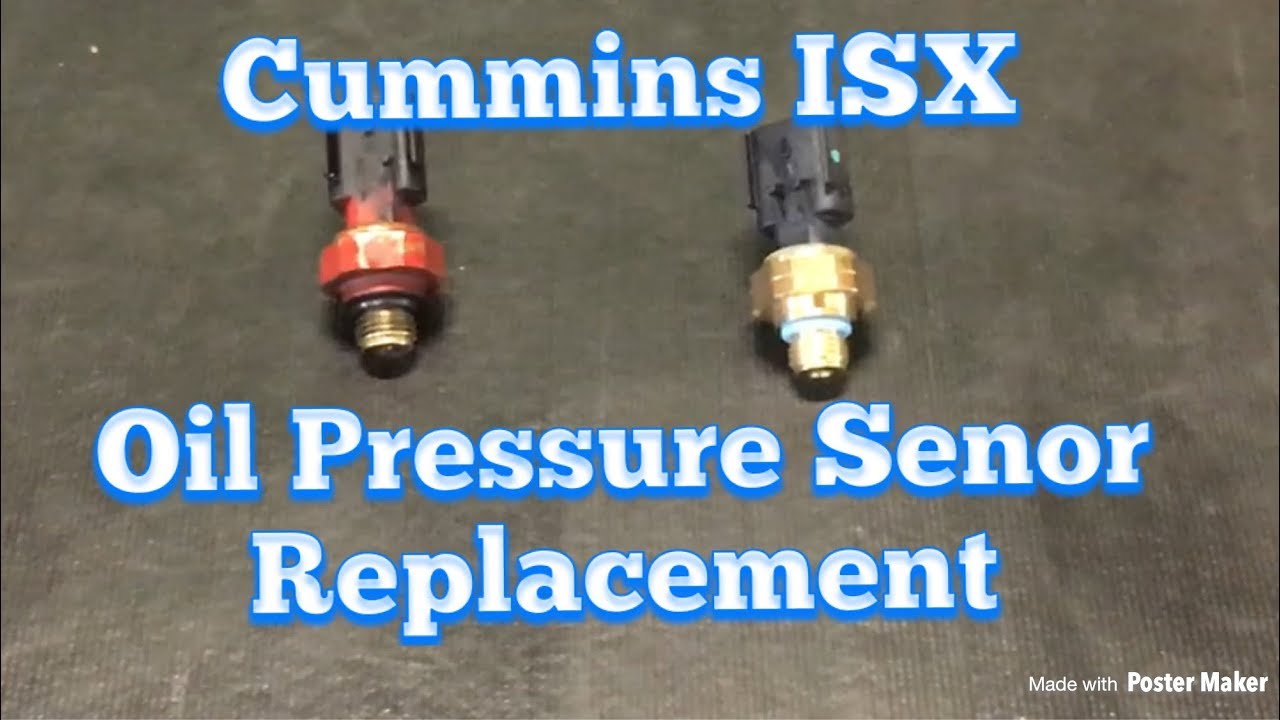
5. Sensor Replacement
If all tests point to a failed sensor:
- Buy a quality replacement (OEM is best).
- Remove the old sensor with the correct socket.
- Apply thread sealant if recommended.
- Install the new sensor and reconnect the harness.
- Start the engine and check readings again.
Don’t forget: Always use the correct torque (usually 15–22 ft-lb) to avoid damaging threads.
6. Check Ecm And Wiring (if Problems Remain)
If replacing the sensor does not fix the issue, the problem may be in the engine control module or wiring harness. Check for:
- Broken or shorted wires between sensor and ECM.
- Corroded connectors (especially in humid environments).
- ECM faults (rare, but possible).
Sometimes, a repair is as simple as cleaning a connector with electrical contact cleaner.
Data Table: Typical Oil Pressure Values For Common Cummins Engines
To help you compare readings, here are normal oil pressure ranges for popular Cummins diesel engines:
| Engine Model | Idle (PSI) | 2000 RPM (PSI) | Max (PSI) |
|---|---|---|---|
| ISX15 | 15–25 | 40–55 | 75 |
| 6.7L ISB | 10–20 | 30–50 | 70 |
| 5.9L 24V | 10–18 | 28–45 | 65 |
| QSB 6.7 | 12–22 | 35–55 | 75 |
If your readings are much lower or higher, investigate further before driving or working the engine hard.
Common Causes Of Oil Pressure Sensor Problems
Understanding why sensors fail helps you prevent future issues. The main causes include:
- Internal sensor failure: Over time, the diaphragm or electronics wear out.
- Oil contamination: Dirty oil can clog or damage the sensor.
- Engine vibration: Can loosen connectors or crack the sensor body.
- Wiring issues: Heat and age make wires brittle or corroded.
- Wrong sensor installed: Aftermarket sensors may not match ECM requirements.
Many beginners ignore the importance of oil cleanliness. Regular oil changes reduce sensor failures.
Credit: www.4btswaps.com
How To Tell The Difference Between Real And False Oil Pressure Problems
A key step in troubleshooting is deciding if you have a sensor issue or a real engine problem. Here’s how to tell:
- If the engine runs fine (no noise, no power loss) but the gauge is wrong, suspect the sensor.
- If you hear knocking, ticking, or see oil leaks, check for real oil pressure loss.
- If both the mechanical gauge and dashboard show low pressure, stop the engine and find the cause.
- If only the dashboard or ECM shows a problem, but the mechanical gauge is fine, the sensor or wiring is likely at fault.
Common Mistakes When Troubleshooting Oil Pressure Sensors
Avoid these errors, which can waste time or lead to bigger problems:
- Ignoring the service manual: Always check the correct sensor location, wiring colors, and pressure specs for your engine.
- Skipping the mechanical gauge test: Never trust only the dashboard reading.
- Overtightening the sensor: This can crack the housing or block the oil passage.
- Using the wrong sensor: ECMs are sensitive to sensor type and range.
- Not fixing wiring issues: Even a new sensor won’t help if wires are corroded or broken.
One advanced tip: Some Cummins engines have a separate oil temperature sensor. Don’t confuse this with the pressure sensor—they look similar but work differently.
When To Seek Professional Help
Sometimes, the problem is bigger than just the sensor. Call a professional if:
- You replace the sensor and still get low oil pressure readings on both gauges.
- The engine runs rough, makes noise, or loses power.
- You find metal shavings in the oil (a sign of internal damage).
- Diagnostic codes keep returning after all repairs.
A trained technician can do deeper tests, like oil pump checks or bearing inspections.
Case Study: Real-world Troubleshooting Example
Consider a 2016 Cummins ISX15 with a flashing oil pressure light and code P0520. The owner changed the sensor, but the problem stayed. A mechanic followed these steps:
- Checked the sensor wiring—found corrosion inside the connector.
- Cleaned the connector, cleared the code.
- Oil pressure readings returned to normal, and the warning light disappeared.
This shows that even experienced owners can miss simple things like corroded connectors. Always check wiring before replacing sensors.
Comparison Table: Oem Vs. Aftermarket Oil Pressure Sensors
Choosing the right sensor matters. Here’s how OEM (original) and aftermarket sensors compare:
| Feature | OEM Sensor | Aftermarket Sensor |
|---|---|---|
| Fit and Compatibility | Perfect match | May vary, sometimes issues |
| Warranty | Usually 1 year or more | Often limited or none |
| Price | Higher | Lower |
| Longevity | Lasts longer | May fail sooner |
| ECM Compatibility | Guaranteed | Sometimes causes codes |
If your engine is critical for work, spend more for OEM sensors. They usually prevent repeat failures.
How To Maintain Your Cummins Oil Pressure Sensor
Preventative steps keep your sensor working longer:
- Change oil and filter at recommended intervals.
- Use the correct oil grade for your engine.
- Check sensor and wiring during routine maintenance.
- Address oil leaks quickly.
- Keep electrical connectors clean and dry.
One insight: Many premature sensor failures come from using the wrong oil or skipping oil changes. Clean oil keeps the sensor’s diaphragm and electronics free from sludge.
Advanced Troubleshooting: Using Live Data
On many Cummins engines, you can use a scan tool to see live oil pressure data.
- Plug in the scan tool and select “Live Data.”
- Start the engine and watch oil pressure as RPM changes.
- Compare these values to your mechanical gauge.
If the live data jumps erratically or freezes, the sensor or wiring is likely bad. If live data matches the mechanical gauge but is outside normal range, you might have an engine problem.
Data Table: Common Oil Pressure Sensor Error Codes For Cummins Engines
For quick reference, here are common codes and what they mean:
| Code | Description | Possible Causes |
|---|---|---|
| P0520 | Oil Pressure Sensor Circuit | Sensor, wiring, ECM, poor ground |
| P0521 | Oil Pressure Sensor Range/Performance | Sensor, ECM, oil flow problems |
| P0522 | Oil Pressure Too Low | Low oil, wiring, sensor, engine wear |
| P0523 | Oil Pressure Too High | Sensor, high oil, ECM fault |
Always match the code to your symptoms and testing.
Credit: www.sbmar.com
Real-world Insights And Pro Tips
- Heat cycles are tough on oil pressure sensors. If your truck works in extreme heat, expect to replace the sensor more often.
- Aftermarket sensors may work but can cause odd error codes or gauge readings. If you have repeated problems, switch to OEM.
- A small amount of oil inside the sensor plug almost always means the sensor is leaking internally—replace it.
- If you replace the sensor and still get codes, check the wiring harness all the way to the ECM, not just at the plug.
- Some Cummins engines have multiple oil sensors (pressure and temperature). Double-check you are working on the right one.
Safety Tips For Working On Oil Pressure Sensors
- Always let the engine cool before removing the sensor. Hot oil can burn.
- Wear gloves and eye protection to avoid oil spray.
- Don’t run the engine with the sensor hole open—use a mechanical gauge or plug.
- Dispose of used oil and filters properly.
- If you see oil foam (bubbles) in the oil, stop and call a pro—this can mean coolant leak or engine failure.
Where To Find More Information
Always refer to your Cummins service manual for the most accurate details. For official specifications and technical support, the Cummins QuickServe site has manuals and parts lists for every engine.
Frequently Asked Questions
What Does The Oil Pressure Sensor Do On A Cummins Engine?
The oil pressure sensor measures the pressure of oil flowing through the engine. It sends this information to the engine control module and the dashboard. This helps protect the engine by warning you if oil pressure drops too low.
Can I Drive My Truck If The Oil Pressure Sensor Is Bad?
It’s not safe to drive with a faulty sensor. You might miss real oil pressure problems, which can cause engine damage. Always confirm oil pressure with a mechanical gauge before driving if you suspect a bad sensor.
How Do I Know If My Oil Pressure Sensor Is Actually Faulty?
Common signs include a warning light, erratic gauge readings, or error codes like P0520. Test the sensor’s circuit and compare readings with a mechanical gauge. If the mechanical gauge is normal but the sensor reads wrong, the sensor is likely bad.
How Often Should I Replace The Oil Pressure Sensor On My Cummins Diesel?
There’s no set interval, but sensors often last 100,000–150,000 miles. Replace if you see leaks, get error codes, or see wrong readings. Regular oil changes help sensors last longer.
Will A Bad Oil Pressure Sensor Cause My Cummins Engine To Shut Down?
Some Cummins engines will enter limp mode or reduce power if the sensor reports low oil pressure. In rare cases, the engine may shut down to prevent damage. Always fix sensor issues quickly.
If you follow these steps and tips, you can solve most Cummins diesel oil pressure sensor problems with confidence. You’ll save money, avoid downtime, and keep your engine running strong for many miles ahead.
Credit: www.youtube.com
Disclosure: As an Amazon Associate, I may earn from qualifying purchases at no extra cost to you. Amazon and the Amazon logo are trademarks of Amazon.com, Inc, or its affiliates.
- Amazon, Amazon Prime, the Amazon logo and Amazon Prime logo are trademarks of Amazon. com, Inc. or its affiliates.

I am Sadman, the founder of CarSensorHub.com, where I share my passion for cars and technology. I specialize in writing detailed reviews and helpful guides on car gadgets, accessories, safety tools and many more. My mission is to help car owners discover the best products and tips to improve their driving experience and stay safe on the road.