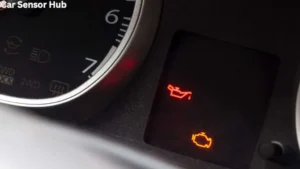
Bmw Oil Pressure Sensor Replacement Cost Diy
A warning light comes on in your BMW. The dashboard shows an oil can symbol, and suddenly, you feel worried. Is it the oil level? Maybe, but often the real cause is a faulty oil pressure sensor. For BMW owners, this is a common issue—one that can be fixed at home with the right approach. If you want to save money and learn how to tackle it yourself, understanding the BMW oil pressure sensor replacement cost DIY is your first step.
Replacing this sensor yourself is not only possible, but it’s also a project many drivers complete successfully. By the end of this guide, you’ll know what tools you need, the real costs involved, step-by-step instructions, and tips to avoid mistakes that could cost you more in the long run.
What Does The Oil Pressure Sensor Do In A Bmw?
The oil pressure sensor is a small part with a big job. It monitors the oil pressure inside your engine and sends this information to your BMW’s computer. If the pressure drops below a safe level, the sensor triggers a warning light on your dashboard.
Without a working sensor, you might not know when oil pressure is dangerously low. This can lead to engine damage, as oil is essential for reducing friction and keeping parts cool. That’s why a faulty sensor should not be ignored—even if your car feels fine.
Why Bmws Are Sensitive To Oil Pressure Issues
BMW engines are known for their performance and technology. But this also means they rely heavily on sensors and electronic systems. A small failure, like the oil pressure sensor, can trigger warning lights and even put the car into “limp mode” (reduced power).
If you drive with a bad sensor, you risk:
- Not knowing your real oil pressure
- Engine damage from lack of lubrication
- Stress from persistent dashboard warnings
Many BMWs, especially models from the mid-2000s onward, use advanced sensors and can be sensitive to electrical issues. That’s why fixing this problem quickly is important.
Signs Your Bmw’s Oil Pressure Sensor Needs Replacing
Sometimes, the sensor fails and gives false readings. Here are the most common symptoms:
- Oil pressure warning light stays on, even with correct oil levels.
- The warning light blinks or comes and goes.
- Fault codes related to oil pressure when using a diagnostic tool (OBD2 scanner).
- Oil leaks around the sensor area.
- Engine seems to run fine, but warnings persist.
It’s important to confirm the problem is the sensor, not actual low oil pressure. Always check your oil level first. If it’s correct, but you still see warnings, the sensor is a likely culprit.
Diy Vs. Professional Replacement: What’s The Real Cost?
Let’s look at the two main options: doing it yourself or hiring a mechanic.
Professional Replacement
Most shops charge for both parts and labor. In the US, the average cost at a BMW dealer is:
- Parts: $40–$120 (depending on model and sensor type)
- Labor: $100–$250 (usually 1–2 hours)
Total Cost: $140–$370
Independent shops may charge less, but dealer prices are often higher due to OEM (original equipment manufacturer) parts and labor rates.
Diy Replacement
If you do it yourself, you only pay for parts and basic tools (if you don’t already have them):
- Sensor part: $25–$100 (aftermarket or OEM)
- Socket/wrench: $10–$30 (if needed)
- OBD2 scanner: $20–$50 (optional, but helpful)
Total Cost: $35–$180
You save on labor, and you can choose between OEM and quality aftermarket parts. In most cases, you spend under $100 total if you already have common tools.
Real-world Example
Let’s compare two scenarios for a 2014 BMW 328i (F30):
| Option | Part Cost | Labor Cost | Total Cost |
|---|---|---|---|
| Dealer Service | $90 | $180 | $270 |
| DIY (OEM sensor) | $90 | $0 | $90 |
| DIY (Aftermarket sensor) | $45 | $0 | $45 |
You can see the savings are significant, especially if you choose a quality aftermarket sensor.
Tools And Parts Needed For Bmw Oil Pressure Sensor Replacement
Before you start, gather all necessary items. The process is similar for most BMW models, but always check your specific car’s repair manual.
Essential Tools
- Socket set (metric sizes, usually 22mm or 24mm for the sensor)
- Ratchet wrench
- Torque wrench (optional, but helps prevent overtightening)
- Screwdriver (if you need to remove covers)
- OBD2 scanner (to clear the warning light after replacement)
- Gloves and safety glasses
Parts
- Replacement oil pressure sensor (OEM part numbers vary—verify with your VIN)
- Crush washer or seal (if your sensor uses one)
- Small amount of engine oil (to top up if needed)
Optional Items
- Penetrating oil (if the sensor is stuck)
- Shop towels (for cleaning up oil drips)
- Flashlight (for seeing in tight spaces)
Step-by-step Diy Guide: Bmw Oil Pressure Sensor Replacement
This guide fits most modern BMWs (E46, E90, F30, etc. ), but always check your owner’s manual or a repair database for your specific engine.
1. Prepare Your Workspace
Park your car on a flat surface. Let the engine cool down for at least 30 minutes. Open the hood and disconnect the negative battery terminal for safety.
2. Locate The Oil Pressure Sensor
The sensor is usually screwed into the engine block, near the oil filter housing. On many BMWs, you’ll find it:
- On the passenger side of the engine
- Underneath the intake manifold (some 6-cylinder models)
- Attached to the oil filter housing (common on 4-cylinder turbo engines)
Look for an electrical connector plugged into a small metal sensor.
3. Remove Engine Covers (if Needed)
Some models have plastic engine covers. Use a screwdriver or the appropriate socket to remove these for better access.
4. Disconnect The Sensor’s Electrical Connector
Press the tab and gently pull the connector off the sensor. Do not yank the wires.
5. Remove The Old Sensor
Use the correct size socket (usually 22mm or 24mm) with a ratchet. Turn counterclockwise to loosen the sensor. Some oil may drip out, so have towels ready.
If the sensor is stuck, spray a small amount of penetrating oil and wait a few minutes.
6. Install The New Sensor
Check if your new sensor needs a crush washer or seal. Install the sensor by hand first, then use the socket to tighten. Do not overtighten—snug plus a quarter turn is enough, or use a torque wrench to the manufacturer’s spec (usually 18–22 ft-lb).
7. Reconnect The Electrical Connector
Push the connector onto the new sensor until it clicks.
8. Reinstall Any Covers
Put back any engine covers you removed.
9. Reconnect The Battery
Attach the negative battery cable.
10. Check Oil Level And Start Engine
Check your oil level with the dipstick. Top up if needed. Start the engine and look for leaks. The warning light should go off after a few seconds. If it stays on, use an OBD2 scanner to clear any stored codes.
11. Test Drive And Monitor
Take a short drive. Watch for warning lights and check for any oil leaks around the sensor.
Practical Tips For A Smooth Bmw Oil Pressure Sensor Diy
- Double-check the part number before buying. BMW used different sensors even within the same model year.
- Use a deep socket if the sensor is recessed.
- Don’t overtighten. Cracking the housing can cause leaks and big repair bills.
- If the sensor is covered in oil, clean the area first. This helps prevent dirt from entering your engine.
- If you get a “Check Engine” light after replacement, scan for codes. Sometimes, a second reset is needed.
- Consider replacing the sensor preemptively if your BMW is over 100,000 miles and you’re having oil leaks in that area.

Credit: www.reddit.com
Common Mistakes And How To Avoid Them
- Buying the wrong sensor: Always match the part number to your VIN. Even similar-looking sensors can have different threads or electrical connectors.
- Not cleaning the area: Dirt can fall into the engine during removal. Wipe everything first.
- Overtightening: This can strip threads or break the sensor.
- Skipping the crush washer: If your old sensor had one, make sure the new one does too, or you’ll have oil leaks.
- Ignoring persistent warning lights: If the light stays on after replacement, check for wiring issues or scan for other engine codes.
How To Choose The Right Oil Pressure Sensor For Your Bmw
Not all sensors are equal. Here’s what matters:
Oem Vs. Aftermarket
- OEM (Original Equipment Manufacturer): Made by the same company that supplies BMW. Fits perfectly, but usually more expensive.
- Aftermarket: Many reputable brands make sensors that work just as well for less money. Look for brands like Bosch, VDO, or Febi.
Check Compatibility
- Use your VIN to search for the right part.
- Compare the connector type and thread size.
Price Vs. Quality
- Cheaper sensors can fail sooner. If you want peace of mind, choose OEM or a trusted aftermarket brand.
Where To Buy
- BMW dealerships (expensive, but guaranteed fit)
- Auto parts stores
- Online retailers (make sure they have good reviews and return policies)
Credit: repairpal.com
Oil Pressure Sensor Location: Model Differences
Different BMW engines put the sensor in different places. Here are a few examples:
| BMW Model | Engine | Sensor Location |
|---|---|---|
| 3 Series (E46) | Inline-6 | Near oil filter housing |
| 3 Series (E90) | Inline-6 N52/N54 | Under intake manifold |
| 5 Series (F10) | 4-cylinder turbo | On oil filter housing |
| X5 (E70) | V8 | Near oil cooler, driver’s side |
| 7 Series (G11) | Turbo-6 | Front of engine block |
Always check your engine code and consult a diagram if you’re unsure.
How Long Does It Take To Replace A Bmw Oil Pressure Sensor?
DIY replacement typically takes 30–90 minutes for most BMWs. If it’s your first time, allow extra time for locating the sensor and working carefully.
Professional shops book about 1 hour for the job, but some models with hard-to-reach sensors may take longer.
Some sensors are buried under the intake manifold or behind other components. For these, you might need to move extra parts. This can double the time required.
Is It Safe To Drive With A Faulty Oil Pressure Sensor?
If your only problem is a bad sensor (not actual low oil pressure), your engine is safe—but you won’t know if a real problem happens. If the warning light is on, and you’re sure oil level is fine, you can drive short distances to get home or to a parts store.
However, never ignore the light without checking your oil level first. If you hear engine knocking, ticking, or see smoke, stop immediately.
How To Reset The Bmw Oil Pressure Warning Light
After replacing the sensor, the warning light should turn off. If it stays on, you may need to reset it.
- Use an OBD2 scanner to clear fault codes.
- Disconnect the battery for 10 minutes (last resort, as it resets all settings).
- If the warning returns, double-check your work and sensor connection.
Bmw Oil Pressure Sensor Replacement: Hidden Costs And Non-obvious Insights
Many guides skip these details, but experienced BMW owners know:
- Coolant Leaks Can Mimic Oil Sensor Failure: In some models, a coolant leak above the sensor can drip onto it, causing a false oil pressure warning. Always inspect the area for other leaks.
- Wiring Harness Issues: Sometimes, the problem isn’t the sensor but a broken wire or corroded connector. If your new sensor doesn’t fix the warning, check the wiring.
- Oil Quality Affects Pressure Readings: Using the wrong oil viscosity can cause real pressure drops, especially in cold weather. Always use BMW-approved oil.
- Aftermarket Sensors May Trigger “Check Engine” Lights: Some cheaper sensors work mechanically but send the wrong signal to the computer. If you get new warning lights after installing an aftermarket sensor, try an OEM part.
- Multiple Sensors in Some Models: Some advanced BMW engines have more than one oil pressure sensor. Make sure you’re replacing the right one.
Real-world Bmw Owner Experiences
Many BMW drivers have shared their stories online. Here’s what comes up often:
- “I replaced my sensor with a $30 aftermarket part. It worked, but my check engine light came back a week later. Swapped for OEM, and the problem was solved.”
- “DIY was easy, but I had to remove the intake manifold on my E90. Took an extra hour but saved $200.”
- “My oil pressure warning light came on after a coolant leak. Turns out the sensor was fine, but the connector was soaked.”
Reading forums and owner stories can help you avoid mistakes and pick the right sensor for your car.
Credit: repairpal.com
When To Ask A Mechanic For Help
DIY isn’t always the best choice. Get professional help if:
- The sensor is buried behind major components, and you’re not comfortable removing them.
- You see oil mixing with coolant (a sign of a bigger problem).
- The warning light stays on after replacing the sensor and checking the wiring.
- You hear unusual engine noises or see smoke.
A mechanic can also diagnose wiring issues with advanced tools.
How To Dispose Of Old Sensors And Oil Responsibly
Don’t toss the old sensor in the trash. Take it to an auto parts store or recycling center. If you spill oil during the job, clean it up and dispose of oil-soaked towels properly. Never pour used oil down the drain.
Should You Replace The Oil Pressure Sensor With Other Parts?
If your BMW is older, it’s smart to replace related parts at the same time:
- Oil filter housing gasket: These often leak after 60,000 miles.
- Oil filter: Fresh oil and filter help with accurate readings.
- Engine oil: If it’s time for an oil change, do it now.
Bundling repairs saves time and avoids future leaks.
Cost Comparison: Bmw Vs. Other Brands
BMW parts are not always the most expensive, but labor can be high due to engine design. For comparison:
| Vehicle | Sensor Part Cost | DIY Total Cost | Shop Replacement Cost |
|---|---|---|---|
| BMW 3 Series | $45–$90 | $45–$100 | $150–$300 |
| Toyota Camry | $15–$30 | $15–$50 | $80–$180 |
| Honda Accord | $20–$40 | $20–$60 | $100–$200 |
| Ford F-150 | $20–$50 | $20–$70 | $110–$220 |
BMW sensors are pricier, and labor costs more, but DIY savings are similar.
Resources For Further Reading
If you want more technical details, repair diagrams, or part numbers, visit the official BMW forums or the BMW section of the Wikipedia Oil Pressure Sensor page.
Frequently Asked Questions
How Do I Know If My Bmw Oil Pressure Sensor Is Bad?
Common signs include a persistent oil pressure warning light, especially if your oil level is correct. You may also see fault codes when scanning with an OBD2 tool. Sometimes, oil leaks around the sensor or erratic warning lights point to sensor failure.
Can I Drive My Bmw With A Faulty Oil Pressure Sensor?
If you’ve confirmed that oil level and pressure are normal, you can drive short distances. But you won’t know if a real problem happens, so replace the sensor as soon as possible.
How Much Does It Cost To Replace A Bmw Oil Pressure Sensor Myself?
Most DIYers spend between $35 and $100, depending on whether you choose OEM or aftermarket parts. Buying tools adds to the cost if you don’t already have them.
Do I Need To Reset Anything After Replacing The Oil Pressure Sensor?
Usually, the warning light goes off by itself. If not, use an OBD2 scanner to clear codes. If the light stays on, check your work and make sure the sensor is plugged in correctly.
What If The Oil Pressure Light Is Still On After Replacing The Sensor?
If the warning stays on, check for wiring problems or make sure you replaced the correct sensor. Scan for other codes—sometimes another issue (like a faulty oil filter housing gasket) can cause similar symptoms.
Replacing a BMW oil pressure sensor yourself is a smart way to save money and learn more about your car. With the right parts, tools, and guidance, it’s a project most owners can do in an afternoon. By paying attention to details like part compatibility and installation technique, you can avoid common mistakes and keep your BMW running smoothly for years to come.
Disclosure: As an Amazon Associate, I may earn from qualifying purchases at no extra cost to you. Amazon and the Amazon logo are trademarks of Amazon.com, Inc, or its affiliates.
- Amazon, Amazon Prime, the Amazon logo and Amazon Prime logo are trademarks of Amazon. com, Inc. or its affiliates.

I am Sadman, the founder of CarSensorHub.com, where I share my passion for cars and technology. I specialize in writing detailed reviews and helpful guides on car gadgets, accessories, safety tools and many more. My mission is to help car owners discover the best products and tips to improve their driving experience and stay safe on the road.