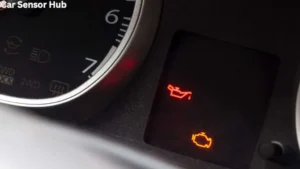
If you’ve ever seen the oil pressure warning light blink on your dashboard, you might wonder, “Is it safe to keep driving? ” The oil pressure sensor is a small but important part of your car’s engine. It might seem like a minor problem if this sensor goes bad, but ignoring it can lead to big and expensive trouble.
Many drivers are tempted to keep driving with a faulty sensor, thinking it’s not a big deal. But the truth is, the oil pressure sensor is more important than most people realize.
Let’s take a deep look at what happens when your oil pressure sensor goes bad, why it matters, and whether you can safely drive with this problem. We’ll also cover common symptoms, risks, repair costs, and give you clear advice for handling this issue.
By the end, you’ll know exactly what to do if your oil pressure sensor fails.
What Does The Oil Pressure Sensor Do?
The oil pressure sensor (sometimes called oil pressure switch or sender) is a small electronic device in your car’s engine. Its main job is to measure the oil pressure and send this information to your car’s dashboard gauge or warning light.
Engine oil is like your car’s lifeblood. It lubricates moving parts, reduces friction, and helps keep the engine cool. Oil pressure tells you if the oil is flowing properly. If oil pressure drops too low, the engine parts won’t get enough lubrication, which can quickly cause damage.
Here’s how the sensor works:
- When oil pressure is normal, the sensor sends a signal to keep the dashboard light off.
- If oil pressure drops too low, the sensor triggers a warning light or message.
- On some cars, the sensor also sends real-time oil pressure data to the engine computer, which can adjust engine operation for safety.
So, the oil pressure sensor is your early warning system. Without it, you could be driving with dangerously low oil pressure and not know until it’s too late.
Signs Of A Bad Oil Pressure Sensor
A faulty oil pressure sensor can be tricky to spot, especially if you’re not familiar with car problems. But there are clear warning signs that you shouldn’t ignore.
- Oil Pressure Warning Light: The most common sign is the oil pressure light coming on or flickering. It may come on and off, or stay on constantly, even if your oil level is fine.
- Inaccurate Gauge Readings: If your car has an oil pressure gauge, you may see it jump around, show zero, or display unusually high readings.
- Strange Engine Noises: Sometimes, the sensor fails to warn you of real low oil pressure. If you hear ticking, knocking, or grinding from the engine, stop driving immediately.
- Check Engine Light: A bad sensor can trigger the check engine light, especially in newer cars.
- Oil Leaks Around the Sensor: In some cases, the sensor itself might leak oil, which you may see on the engine or the ground.
It’s easy to confuse a bad sensor with actual low oil pressure. The only way to be sure is to check the oil level and have a mechanic test the sensor.
Can You Drive With A Bad Oil Pressure Sensor?
This is the big question many drivers ask. The answer depends on a few important factors:
If It’s Really Just The Sensor
If you’re sure the only problem is a faulty oil pressure sensor (and not actual low oil pressure), you might be able to drive for a short time. The car will run normally because the sensor itself doesn’t affect engine operation.
It only tells you if there’s a problem.
But here’s the catch: You lose your warning system. If you drive with a bad sensor, and your engine really does lose oil pressure, you won’t know until you hear engine noises, lose power, or the engine fails completely. That’s a huge risk.
If There’s Any Chance Of Actual Low Oil Pressure
Never take a chance if you’re not sure. Low oil pressure can destroy an engine in minutes. If you see the oil pressure warning light, check the oil level right away. If it’s low, add oil. If the light stays on, get the car checked by a mechanic before driving further.
Temporary Driving
In a real emergency—like needing to drive a short distance to a repair shop—it might be possible to drive with a bad sensor, but only if you are certain the engine has enough oil and sounds normal. Never drive far, and never ignore strange noises or smells.
Risks Of Driving With A Bad Oil Pressure Sensor
Many drivers think, “It’s just a sensor, what’s the worst that can happen? ” But the risks are bigger than you may realize.
1. Losing Your Early Warning System
The biggest danger is not knowing when real oil pressure is low. If the sensor is bad, you won’t get a warning if there’s a real problem—like a sudden oil leak or oil pump failure. In this case, the first sign might be catastrophic engine damage.
2. Engine Damage
Without enough oil pressure, metal parts in your engine can grind together, overheat, and seize up. This can cause:
- Worn or broken bearings
- Damaged camshaft or crankshaft
- Blown engine (a total failure requiring a rebuild or replacement)
Engine repairs for oil starvation can cost anywhere from $2,000 to over $10,000, depending on the car.
3. Safety Risks
If your engine fails while driving, you could lose power steering and brakes, making it hard to control the car. On highways or in traffic, this can be very dangerous.
4. Expensive Towing And Repairs
If you keep driving and the engine dies, you’ll need a tow, and the repair bill will be much higher than simply replacing the sensor.
How To Diagnose A Bad Oil Pressure Sensor
If you think your sensor is bad, don’t just guess. Here’s how you or a mechanic can check:
- Check the Oil Level: Use the dipstick. If oil is low, top it up and see if the warning goes away.
- Listen for Noises: If the engine sounds normal, it’s less likely you have real low oil pressure.
- Scan for Codes: Mechanics use a code scanner to see if the sensor or related systems are reporting errors.
- Manual Oil Pressure Test: A mechanic can install a mechanical oil pressure gauge to check the real oil pressure. This is the best way to tell if the sensor is lying or if there’s a real problem.
- Inspect the Sensor: Sometimes, you can see oil leaking from the sensor, or the wiring may be damaged.
Never ignore oil pressure warnings. Even if you suspect the sensor, confirm before driving.
Common Causes Of Oil Pressure Sensor Failure
Oil pressure sensors don’t last forever. Here are some reasons they fail:
- Age and Wear: Sensors can wear out after 50,000 to 100,000 miles.
- Oil Contamination: Sludge or dirty oil can clog or damage the sensor.
- Heat and Vibration: Constant engine heat and shaking can break internal parts.
- Electrical Problems: Corroded wires or connectors can cause bad readings.
- Physical Damage: Impact from tools or road debris can crack the sensor.
Regular oil changes and careful engine work can help sensors last longer.
Symptoms That Often Confuse Drivers
Many drivers mistake sensor problems for other issues. Here’s what often confuses people:
- Warning Light After Oil Change: Sometimes, the oil pressure light comes on after an oil change. This can be from a loose sensor wire, the wrong oil filter, or a bad sensor.
- Oil Light Flickers at Idle: A flickering oil light at low RPMs can be a sensor problem, but it can also mean the oil pump is weak or the engine is worn out.
- High Oil Pressure Readings: If your gauge shows very high oil pressure, it’s usually a sensor or wiring issue, not real high pressure.
If you’re not sure, don’t guess. Get it checked.
How Much Does It Cost To Replace An Oil Pressure Sensor?
The good news is, oil pressure sensors are usually cheap to replace—much less than fixing engine damage.
Parts And Labor
- Sensor cost: Most sensors cost between $20 and $80, depending on the car.
- Labor cost: Mechanics charge $50 to $200 for labor, based on how hard the sensor is to reach.
Total repair bill is usually $70 to $280.
Diy Vs. Professional Replacement
If you’re handy with tools, you may be able to replace the sensor yourself. It usually takes 15–60 minutes, depending on location.
But if the sensor is hard to reach or you’re not sure, let a professional handle it. Cross-threading or overtightening the sensor can cause oil leaks.
Real-world Example
Let’s compare two cars:
| Car Model | Sensor Cost | Labor Cost | Total Cost |
|---|---|---|---|
| 2015 Toyota Camry | $35 | $75 | $110 |
| 2018 Ford F-150 | $50 | $120 | $170 |
As you can see, it’s a small price compared to engine repairs.
Can A Bad Oil Pressure Sensor Cause Other Problems?
Yes. In modern vehicles, a faulty oil pressure sensor can do more than turn on a warning light.
- Trigger “Limp Mode”: Some cars go into a safe, low-power mode if they detect oil pressure issues.
- Affect Engine Timing: On certain engines, oil pressure data helps control variable valve timing.
- Annoying Warnings: Constant warning lights or chimes can distract drivers.
In rare cases, a bad sensor can even cause the engine to shut down as a safety feature.
How Long Can You Safely Drive With A Bad Oil Pressure Sensor?
There’s no fixed answer, but here’s a practical guideline:
- If you’re 100% sure it’s just the sensor, and you check oil level often, you might get by for a few days, just enough to get to a repair shop.
- If there’s any doubt, don’t drive. Towing is much cheaper than engine damage.
Think of the oil pressure sensor like a smoke detector. Would you live without one, hoping nothing goes wrong? Most people wouldn’t. The same logic applies to your engine.

Credit: www.machinerylubrication.com
What To Do If Your Oil Pressure Warning Light Comes On
If you see the oil pressure light, follow these steps:
- Pull Over Safely: Find a safe place to stop the car.
- Turn Off the Engine: This prevents possible damage.
- Check Oil Level: Use the dipstick. If low, add the correct oil type.
- Restart and Observe: If the light stays off and engine sounds normal, you may drive cautiously to a mechanic.
- If Light Stays On: Call for help. Don’t drive further.
- Listen for Noises: Any ticking, knocking, or rattling means stop immediately.
Never ignore the warning light. Even if you suspect the sensor, check everything before driving.
How To Prevent Oil Pressure Sensor Problems
You can’t always prevent sensor failure, but there are steps to reduce the risk:
- Regular Oil Changes: Dirty oil causes sludge, which can clog sensors.
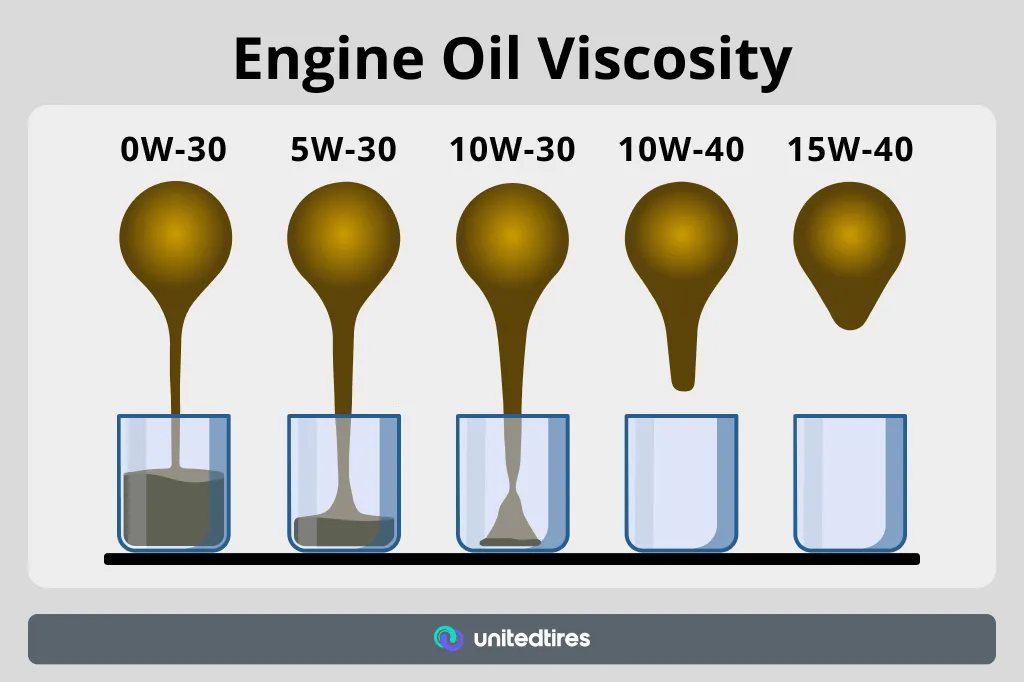
- Use the Correct Oil: Always use the oil type and grade recommended by your car’s manual.
- Replace the Oil Filter: A clogged filter can drop oil pressure.
- Fix Leaks Quickly: Low oil levels can damage more than just the sensor.
- Inspect Wiring and Connectors: Corroded or loose wires cause false warnings.
A little prevention goes a long way.
Oil Pressure Sensor Vs. Oil Pressure Switch: What’s The Difference?
People often use these terms interchangeably, but there’s a difference:
- Oil Pressure Sensor: Measures the actual oil pressure and sends a signal to the gauge or computer.
- Oil Pressure Switch: Acts like a simple on/off device, turning the warning light on if pressure drops below a set point.
Some cars use one or the other, some use both. In modern vehicles, sensors are more common.
Here’s a quick comparison:
| Feature | Oil Pressure Sensor | Oil Pressure Switch |
|---|---|---|
| Type of Output | Variable (shows actual pressure) | On/Off (just a warning) |
| Dashboard Gauge | Yes | No, just warning light |
| Common in | Modern cars | Older/basic cars |
Knowing which your car uses helps with diagnosis and repair.
Why Some Mechanics Miss Bad Oil Pressure Sensors
Even experienced mechanics can misdiagnose oil pressure sensor issues. Here’s why:
- Intermittent Problems: A sensor that works sometimes and fails other times can confuse even pros.
- Multiple Warning Lights: Modern cars use shared warning systems. A sensor problem can trigger unrelated warnings, leading to extra checks.
- Wiring Issues: Sometimes, the sensor is fine, but wires or connectors are damaged.
- Cheap Replacement Parts: Low-quality sensors from discount stores can fail quickly, causing repeat problems.
Always insist on a proper diagnosis and quality parts.
Credit: www.utires.com
Real-world Stories: What Happens When You Ignore The Sensor
Let’s look at two true scenarios:
Case 1: The Lucky Driver
A driver saw the oil pressure warning light, checked the oil (it was full), and suspected the sensor. He drove 100 miles before the sensor was replaced. Luckily, no real oil pressure problem happened. But if an oil leak or pump failure had occurred, the engine would have been unprotected.
Case 2: The Unlucky Driver
Another driver ignored the oil pressure light, thinking it was a sensor problem. In reality, the oil pump was failing. The engine seized on the freeway, needing a full replacement. The repair bill was over $5,000.
These stories show why it’s never smart to drive long with a bad sensor.
The Bottom Line: Should You Drive With A Bad Oil Pressure Sensor?
Here’s the clear answer: It’s not worth the risk. While you might be able to drive a short distance if you’re certain it’s just the sensor, every mile is a gamble. The cost and trouble of fixing a sensor is tiny compared to rebuilding an engine.
If you see the oil pressure light, always check the oil level and listen for engine noises. If you have any doubt, get your car to a mechanic as soon as possible. In almost every case, the safest choice is to replace the bad sensor right away.
For extra reading on how oil pressure sensors work and their importance, you can check this Wikipedia article.

Credit: www.youtube.com
Frequently Asked Questions Drive With Bad Oil Pressure Sensor
What Happens If I Ignore The Oil Pressure Warning Light?
Ignoring the oil pressure warning light is very risky. If oil pressure is actually low, your engine can suffer serious damage in just a few minutes. Even if it’s just a sensor problem, you lose the ability to detect real problems as they happen.
Is It Safe To Drive Short Distances With A Bad Oil Pressure Sensor?
It’s possible to drive a short distance if you’re sure oil level is normal and the engine sounds fine. But you should only do this to reach a repair shop. Never drive long or ignore strange noises.
How Do I Know If It’s The Sensor Or A Real Oil Pressure Problem?
Check your oil level first. If it’s normal, listen for engine noises. If everything seems fine, it’s likely the sensor. The best way to know is to have a mechanic do a manual oil pressure test.
Can A Bad Oil Pressure Sensor Affect Fuel Economy Or Performance?
Usually, a bad sensor doesn’t affect fuel economy or power. But in some newer cars, the computer may limit engine power or enter “limp mode” for safety if oil pressure readings are faulty.
How Often Should I Replace My Oil Pressure Sensor?
Oil pressure sensors don’t have a set replacement interval. Replace them when they fail, show false readings, or at major service intervals if your mechanic recommends. Regular oil changes help sensors last longer.
If you ever doubt your oil pressure sensor, treat it seriously. A few minutes of caution can save you thousands of dollars and keep your engine safe.
Disclosure: As an Amazon Associate, I may earn from qualifying purchases at no extra cost to you. Amazon and the Amazon logo are trademarks of Amazon.com, Inc, or its affiliates.
- Amazon, Amazon Prime, the Amazon logo and Amazon Prime logo are trademarks of Amazon. com, Inc. or its affiliates.

I am Sadman, the founder of CarSensorHub.com, where I share my passion for cars and technology. I specialize in writing detailed reviews and helpful guides on car gadgets, accessories, safety tools and many more. My mission is to help car owners discover the best products and tips to improve their driving experience and stay safe on the road.