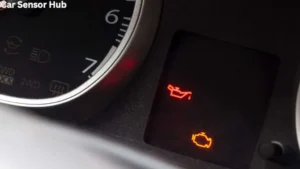
When your car’s oil pressure warning light blinks or the gauge drops suddenly, it can make your heart race. You know something is wrong, but is it a failing oil pressure sensor or the oil pump itself? This is a critical difference one is a sensor you can replace easily, the other can destroy your engine if ignored. Many drivers, even those who love working on their cars, struggle to tell the difference. Acting quickly and correctly can save you thousands of dollars and a lot of headaches.
Let’s break down how you can confidently tell if the problem is your oil pressure sensor or the oil pump. You’ll learn about symptoms, testing, and real-world examples so you don’t have to guess. Plus, I’ll point out a few things even experienced DIYers often overlook.
Why Oil Pressure Matters
Oil pressure is like your engine’s lifeblood. Without proper oil pressure, metal parts rub together, creating heat and wear. In seconds, your engine can go from healthy to ruined if it’s starved of oil.
Most modern cars use an oil pressure sensor (sometimes called a sender or switch) to monitor pressure. The sensor sends data to the gauge or warning light. The oil pump creates the pressure by circulating oil through the engine.
Knowing which one is failing isn’t just about fixing a problem—it’s about protecting your engine’s life.
How The Oil Pressure System Works
Your car’s oil pump draws oil from the pan and pushes it through tiny passages. The oil pressure sensor monitors the force of this oil and sends a signal to your dashboard. If pressure drops too low, you’ll see a warning light or low reading on the gauge.
Here’s a simple flow:
- Oil pump pulls oil from the pan.
- Oil passes through the filter and into the engine.
- Oil pressure sensor measures the pressure.
- Sensor sends data to the dashboard.
- If pressure is low, you get a warning.
If any part of this system fails, the consequences can be severe.
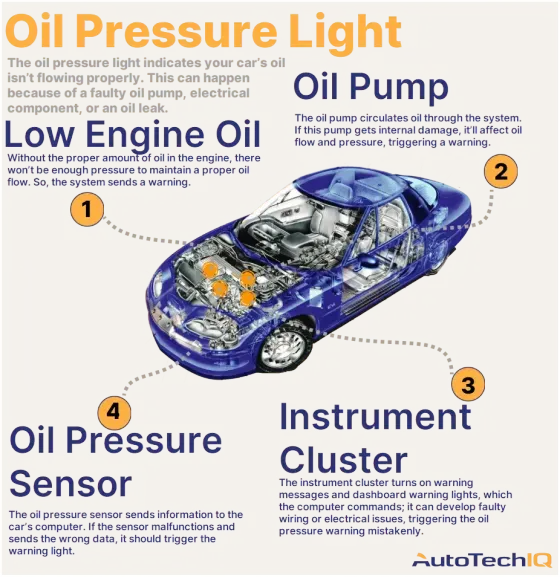
Credit: www.autotechiq.com
Common Symptoms Of Oil Pressure Sensor Failure
A faulty oil pressure sensor often causes more worry than real danger, but it’s important to spot the signs:
- Sudden oil pressure warning light, but engine runs fine.
- Oil pressure gauge reads zero or full when you know oil is okay.
- Warning light flickers, especially when idling or at low speeds.
- No strange engine noises (like ticking or knocking).
- No changes in engine temperature.
What’s happening: The sensor is sending the wrong signal, not measuring real oil pressure. It’s the automotive version of a faulty thermometer—alarming, but not always a true emergency.
Common Symptoms Of Oil Pump Failure
A bad oil pump is much more serious. The symptoms are harder to ignore:
- Oil pressure warning light comes on and stays on, even at higher RPM.
- Gauge shows low or zero pressure, and the reading doesn’t change.
- Loud ticking, knocking, or grinding noises from the engine.
- Engine runs rough, loses power, or stalls.
- Oil level is normal, but pressure stays low.
- Burning oil smell or smoke in severe cases.
These symptoms point to real loss of oil flow, which can destroy your engine in minutes.
Comparing Oil Pressure Sensor Vs Oil Pump Failure
To help you see the differences clearly, here’s a side-by-side comparison:
| Feature | Oil Pressure Sensor Failure | Oil Pump Failure |
|---|---|---|
| Warning Light | May flicker or come on at random | Stays on, usually at all speeds |
| Gauge Reading | Erratic, pegged high/low, or jumps | Consistently low or zero |
| Engine Noise | Usually quiet, no change | Ticking, knocking, or grinding |
| Engine Performance | Normal | Poor, may stall or lose power |
| Oil Level | Normal | Normal or low (if leak present) |
Quick Checks Before You Diagnose
Before you start replacing parts, do these quick checks:
1. Check Oil Level
Always start here. Low oil can mimic both sensor and pump failure. Add oil if needed and recheck.
2. Check Oil Condition
Dirty or sludgy oil can block passages and lower pressure. Change the oil if it’s old or dirty.
3. Look For Leaks
Inspect the engine for oil leaks. A bad leak can drop pressure and damage the pump.
4. Listen To The Engine
Noises like ticking or knocking mean real oil pressure is low. Silence usually means sensor trouble.
5. Check For Recent Work
Sometimes, a sensor wire gets knocked loose during other repairs.
If you catch a mistake here, you might save yourself a lot of time and money.

Credit: www.youtube.com
How To Test The Oil Pressure Sensor
Testing the oil pressure sensor is easier than many think. Here’s how you can do it at home:
1. Visual Inspection
Look for oil leaks around the sensor. A wet sensor often means it’s bad.
2. Wiggle Test
Move the sensor’s wire gently. If the gauge jumps or the light flickers, you likely have a bad connection.
3. Swap The Sensor
Many sensors are cheap and easy to replace. Swapping it for a new one is a quick test.
- Test with a Multimeter
- Unplug the sensor.
- With the ignition on, the warning light should come on.
- Short the sensor wire to ground. The light should go off.
If not, the sensor or wiring is at fault.
5. Manual Pressure Gauge
For a sure answer, remove the sensor and screw in a mechanical oil pressure gauge. Start the engine and check the reading. If pressure is good, your sensor is bad.
Pro tip:
Manual gauges are cheap and give a direct answer. Many auto parts stores will let you borrow one.
How To Test The Oil Pump
Testing the oil pump is trickier, but you can still do a lot without fancy tools.
1. Manual Oil Pressure Test
Just like with the sensor, connect a mechanical gauge. If the reading is low, and you’ve checked the oil level and condition, the pump may be failing.
2. Listen For Engine Noise
Ticking or knocking gets louder as pressure drops. If you hear these with a low manual gauge reading, it’s likely the pump.
3. Check For Delayed Oil Pressure
On cold starts, it should only take a few seconds for oil pressure to build. If the light stays on for 10+ seconds, the pump may be worn out.
4. Inspect The Oil Filter
A collapsed or clogged oil filter can block oil flow. Remove and inspect it.
5. Check For Metal Shavings
If you find metal in the oil or filter, the pump and engine may already be damaged.
6. Remove And Inspect The Pump
Sometimes, you need to remove the oil pan and look at the pump. This is a big job, but necessary if you suspect internal failure.
Common Mistakes When Diagnosing Oil Pressure Issues
Many car owners (and even mechanics) make these mistakes when chasing low oil pressure:
- Ignoring the Oil Level
It’s easy to forget, but always check first.
- Assuming the Sensor Is Always the Problem
People often replace the sensor first, but real pressure loss can destroy an engine.
- Not Using a Manual Gauge
Relying only on the dash light or gauge can mislead you.
- Overlooking Oil Condition
Old, sludgy oil thickens and drops pressure.
- Missing Engine Noises
Subtle ticking is easy to ignore at first, but it’s a big warning sign.
- Skipping Regular Oil Changes
Dirty oil kills both pumps and sensors faster.
What Causes Oil Pressure Sensor Or Pump Problems?
Oil pressure sensor failures are often due to:
- Age and heat cycling
- Oil leaks into the sensor body
- Electrical connector corrosion
Oil pump failures are more serious and often caused by:
- Worn internal gears or rotors
- Lack of oil (due to leaks or burning)
- Blocked oil pickup screen
- Using the wrong oil viscosity
- Sludge buildup from missed oil changes
A less-known cause: Some engines have a pressure relief valve inside the pump. If this sticks open, oil pressure drops even if the pump isn’t worn out.
How To Replace An Oil Pressure Sensor
Replacing an oil pressure sensor is usually simple:
- Locate the sensor (often near the oil filter or at the back of the engine).
- Disconnect the wire harness.
- Use the right socket to unscrew the sensor.
- Screw in the new sensor by hand, then tighten gently.
- Reconnect the wire.
Always check for oil leaks after starting the engine. Don’t overtighten—the sensor body can break.
How To Replace An Oil Pump
Replacing the oil pump is much more work. Here’s a general overview:
- Safely raise and support the vehicle.
- Drain the engine oil.
- Remove the oil pan (may require removing exhaust or other parts).
- Unbolt and remove the old oil pump.
- Clean the pickup screen and surrounding area.
- Install the new pump, making sure it’s properly seated.
- Reinstall the pan with a new gasket.
- Fill with fresh oil.
- Start the engine and check pressure right away.
Some vehicles require special tools or removing the timing cover. Always use a service manual for your specific engine.
Tip:
If your engine has over 100,000 miles and the pump is easy to reach, consider replacing it as preventive maintenance.

Credit: www.machinerylubrication.com
Real-world Examples
Case 1:
A driver notices the oil light flickers when stopping but the engine sounds fine. Oil level is good. Replacing the sensor fixes the problem. No damage.
Case 2:
Another driver ignores a steady oil light and keeps driving. Engine develops a loud knock and seizes. Manual test showed zero oil pressure. The oil pump had failed—repair cost: new engine.
Case 3:
An older car shows low oil pressure on the gauge, but a manual test shows healthy pressure. The dash gauge wiring was corroded.
These stories show why correct diagnosis is so important.
How Mechanics Diagnose Oil Pressure Problems
Professional mechanics often follow these steps:
- Verify the warning light or gauge reading.
- Check oil level and condition.
- Listen for engine noise.
- Plug in a scan tool to check for codes (modern cars).
- Use a manual oil pressure tester.
- Inspect the sensor and wiring.
- If pressure is low, inspect the oil filter and pump.
A good mechanic relies on both experience and tools. Never skip steps—missing one can lead to expensive mistakes.
When To Stop Driving
This is a critical question. If you see the oil pressure light or hear engine noise, STOP the engine immediately. Driving even a short distance with no oil pressure can destroy your engine.
If you are sure the sensor is bad (and have verified with a manual gauge), it may be safe to drive to a repair shop. But if in doubt, tow the car.
The Cost Of Repair
Here’s a rough idea of what you might pay:
| Repair Type | Parts Cost | Labor Cost | Total (Range) |
|---|---|---|---|
| Oil Pressure Sensor | $20 – $60 | $50 – $150 | $70 – $210 |
| Oil Pump | $80 – $250 | $300 – $900 | $380 – $1,150 |
Prices vary by car model and region. Some luxury or performance engines cost much more.
Tip:
If your engine has high miles, replace the oil pickup screen and pan gasket at the same time.
How To Prevent Future Oil Pressure Problems
Prevention is better than repair. Here’s what you can do:
1. Change Oil Regularly
Use the right oil and change it at the recommended interval.
2. Check Oil Level Often
Make a habit of checking at every fuel fill-up.
3. Fix Leaks Quickly
Small leaks can turn into big problems.
4. Use Quality Filters
Cheap filters can collapse or clog.
5. Listen To Your Engine
If you hear new noises, investigate right away.
6. Don’t Ignore Warning Lights
Always check warnings, even if the car seems fine.
Some car models have oil pressure issues as a known problem. Search your vehicle’s make and model for recalls or service bulletins. For up-to-date information, check the Wikipedia Oil Pressure page.
Advanced Tips For Accurate Diagnosis
A few expert tips can save you time and money:
- Try the Key-On Test
Turn the key to ON (engine off). The oil pressure light should come on. If not, check the bulb or wiring.
- Warm vs. Cold Engine
Oil pressure is always higher when cold. If you only have low pressure when hot, the pump or engine bearings may be worn.
- Aftermarket Gauges
Factory gauges are often not accurate. If you want real data, install a quality aftermarket gauge.
- Sensor Location
On some engines, the sensor is hard to reach. Use a special socket for removal.
- Watch for Intermittent Problems
If the warning comes and goes, suspect wiring or sensor before the pump.
Frequently Asked Questions Of How To Tell If Oil Pressure Sensor Is Bad or Pump
How Long Can I Drive With A Bad Oil Pressure Sensor?
If you are sure it’s only the sensor (manual test confirms good pressure), you can drive short distances. But don’t ignore the light for long. If you’re not sure, fix it as soon as possible.
Can Low Oil Cause Oil Pressure Sensor Problems?
Low oil itself doesn’t usually damage the sensor, but it causes real low pressure. The sensor just reports what’s happening. Always fix low oil before replacing parts.
How Often Should I Replace The Oil Pressure Sensor?
Most sensors last many years, often over 100,000 miles. Replace only if it fails or leaks, not on a schedule.
What Happens If I Ignore A Bad Oil Pump?
Your engine will lose lubrication, leading to severe damage or complete failure. Never drive with a bad oil pump.
Can I Test Oil Pressure Without Special Tools?
You can do basic checks (oil level, listen for noise), but a manual oil pressure gauge is the only way to know for sure. Many auto stores loan them for free.
When your oil pressure warning light comes on, don’t panic—but don’t ignore it, either. Diagnosing whether it’s the oil pressure sensor or the oil pump can feel intimidating, but with the right steps, you can get a confident answer. Always check the basics first, listen to your engine, and use a manual gauge when in doubt. Protecting your engine starts with knowledge and quick action. Your car—and your wallet—will thank you for it.
Disclosure: As an Amazon Associate, I may earn from qualifying purchases at no extra cost to you. Amazon and the Amazon logo are trademarks of Amazon.com, Inc, or its affiliates.
- Amazon, Amazon Prime, the Amazon logo and Amazon Prime logo are trademarks of Amazon. com, Inc. or its affiliates.

I am Sadman, the founder of CarSensorHub.com, where I share my passion for cars and technology. I specialize in writing detailed reviews and helpful guides on car gadgets, accessories, safety tools and many more. My mission is to help car owners discover the best products and tips to improve their driving experience and stay safe on the road.