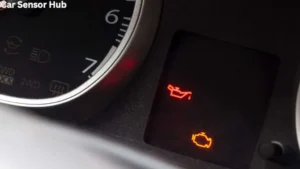
If you’ve ever seen your dashboard’s oil light flicker, you know how critical an accurate oil pressure reading is. The oil pressure sensor acts as your engine’s early warning system. It tells you if the oil isn’t reaching vital parts of your car’s motor. When this little part fails, the consequences can be expensive or even catastrophic.
Many car owners, mechanics, and DIY enthusiasts face a key decision: should you choose an OEM (Original Equipment Manufacturer) oil pressure sensor or an aftermarket one? The answer is not as simple as it seems. There are differences in accuracy, quality, lifespan, and even how these sensors affect your car’s computer systems.
This guide will help you understand the real differences between aftermarket and OEM oil pressure sensors. We’ll break down how each type works, compare their accuracy, reveal common mistakes, and give you the insights you need to choose confidently. If you care about your engine’s health—and your wallet read on.
What Is An Oil Pressure Sensor And Why Does Accuracy Matter?
The oil pressure sensor (sometimes called an oil pressure switch or sender) monitors the oil pressure inside your engine. It sends data to your dashboard gauge or warning light. If the pressure drops too low, you get an alert. Maintaining correct oil pressure is critical. Low or high oil pressure can lead to:
- Engine wear or damage
- Poor lubrication
- Overheating
- Costly repairs
A faulty sensor can send false readings. This means you might ignore a real problem or panic over nothing. That’s why accuracy isn’t just a nice-to-have—it’s essential.
Understanding Oem And Aftermarket Sensors
Before comparing accuracy, it’s important to clarify what “OEM” and “aftermarket” actually mean:
- OEM (Original Equipment Manufacturer): Made by the same company that supplied your car’s factory sensor, or by a licensed partner. Designed to match your vehicle’s specifications exactly.
- Aftermarket: Produced by third-party companies. May fit a range of vehicles. Quality, materials, and design can vary widely.
Some well-known OEM brands include ACDelco (for GM), Denso (for Toyota), and Bosch (for European cars). Aftermarket brands range from respected names like Delphi to generic, no-name options.
How Oil Pressure Sensors Work
An oil pressure sensor typically uses a diaphragm and an electrical circuit. When oil enters the sensor, the pressure pushes the diaphragm. This mechanical movement changes the electrical signal sent to your car’s computer or dashboard. The signal triggers your oil pressure gauge or warning light.
Most modern sensors use a variable resistor, which gives a more precise reading than older on/off (switch-style) sensors. However, both types exist in today’s vehicles.
The Importance Of Sensor Accuracy
Why is accuracy so critical? Here are two scenarios:
- False Low Reading: Your sensor incorrectly reports low oil pressure. You may stop driving and pay for a tow or a mechanic—when your engine was fine.
- False High or Normal Reading: Your sensor fails to detect a real pressure drop. You keep driving, risking engine seizure, bearing failure, or worse.
Inaccurate sensors can also affect your engine control unit (ECU). Some cars use oil pressure data to adjust timing, fuel delivery, or activate safety features.

Credit: www.loaderpartssource.com
Comparing Oem Vs. Aftermarket Oil Pressure Sensor Accuracy
Let’s get to the heart of the matter: are aftermarket sensors as accurate as OEM ones? There’s no universal answer, but we can look at real-world data, expert experience, and user reports.
Accuracy Benchmarks: What Do The Numbers Say?
OEM sensors must meet strict standards. They are tested to work within a narrow range—often ±2 psi (pounds per square inch) of the actual oil pressure. For example, if your engine’s real oil pressure is 40 psi, an OEM sensor should read between 38–42 psi.
Aftermarket sensors, however, can show much larger variations. Studies and mechanic reports show aftermarket sensors can be off by ±5 psi, or even more in cheaper brands. Some low-cost aftermarket sensors have been known to:
- Show high oil pressure at all times
- Trigger false warning lights
- Fail after only a few months
Example Data Comparison
Here’s a comparison of typical accuracy ranges for OEM and aftermarket sensors:
| Sensor Type | Typical Accuracy Range | Consistency Over Time |
|---|---|---|
| OEM | ±2 psi | High, reliable over years |
| Quality Aftermarket | ±3–4 psi | Varies, usually good for 1–2 years |
| Low-end Aftermarket | ±5–10 psi | Poor, may degrade quickly |
Why Do Aftermarket Sensors Vary So Much?
There are three main reasons why aftermarket sensor accuracy is less consistent:
- Manufacturing Tolerances: OEMs use tighter quality controls. Aftermarket suppliers may use broader tolerances to lower costs.
- Material Quality: OEM sensors typically use better diaphragms and electronics. Cheap aftermarket sensors may use plastic parts or inferior soldering.
- Calibration: OEM sensors are calibrated for specific vehicles. Many aftermarket sensors are “universal” and not always calibrated for your car’s exact needs.
Real-world Example: Honda Accord 2012
A 2012 Honda Accord owner reported replacing a failed OEM sensor with a popular aftermarket brand. The new sensor showed oil pressure 7 psi lower than the OEM, triggering the warning light on cold starts. Switching back to an OEM sensor solved the problem immediately.
This type of mismatch can confuse your car’s computer and cause unnecessary worry or repairs.
Advantages And Disadvantages: Oem Vs. Aftermarket
It’s not always black and white. Let’s break down the main pros and cons of each option.
Oem Oil Pressure Sensors
Advantages:
- Exact Fit: Designed for your vehicle’s system
- High Accuracy: Meets or exceeds factory specs
- Durability: Typically lasts as long as the original
- Warranty Compatible: Less risk of voiding warranties
Disadvantages:
- Higher Cost: Often 2–3 times more expensive
- Availability: Sometimes only available at dealerships
Aftermarket Oil Pressure Sensors
Advantages:
- Lower Price: Can cost half as much or less
- Wide Availability: Easy to find online or at auto parts stores
- More Options: Some brands offer improved features
Disadvantages:
- Variable Accuracy: Quality ranges from excellent to very poor
- Fit Issues: Some “universal” sensors may require adapters
- Shorter Lifespan: Especially with the cheapest brands
- Potential ECU Conflicts: Some sensors send signals your car’s computer doesn’t expect
Key Factors To Consider When Choosing
How do you decide between OEM and aftermarket? Here are the most important things to consider:
1. Your Vehicle’s Age And Value
- For newer or high-value cars, accuracy and reliability matter most. OEM is the safer bet.
- For older cars or those with many miles, a high-quality aftermarket part can make sense if cost is a concern.
2. Brand Reputation
Not all aftermarket brands are equal. Brands like Denso, Bosch, and Delphi have better quality control. Generic, no-name brands are riskier.
3. Warranty And Insurance
Some warranties require OEM parts. Using an aftermarket sensor might void coverage for related repairs.
4. Local Climate And Driving Conditions
Extreme temperatures or heavy towing put more stress on sensors. OEM sensors are generally more robust.
5. Installation Experience
Some aftermarket sensors require modifications, such as different wiring or thread adapters. If you’re not comfortable with these changes, OEM is less hassle.
Common Mistakes People Make
Even experienced DIYers and mechanics sometimes make errors when choosing or installing oil pressure sensors. Here are some common mistakes to avoid:
- Choosing the Cheapest Sensor: Rock-bottom prices often mean poor quality and unreliable readings.
- Ignoring Thread Type and Size: Sensors come in various thread sizes. Forcing the wrong one can damage the engine block.
- Skipping Calibration: Some universal sensors need to be calibrated after installation. Skipping this step leads to inaccurate readings.
- Mixing Up Switch and Sender Types: Some cars need a pressure switch (on/off), others a variable sender (gauge reading). Using the wrong type can confuse your dashboard or ECU.
- Not Checking for Leaks: Improper installation can cause oil leaks, which are dangerous and messy.

Credit: tamelessperformance.com
How To Test Sensor Accuracy
If you suspect your new sensor isn’t accurate, you can test it. Here’s a simple process:
- Use a Mechanical Gauge: Remove the sensor and install a mechanical oil pressure gauge in the same spot.
- Compare Readings: Start the engine. Compare the gauge’s reading to what your dashboard shows.
- Look for Large Gaps: More than 2–3 psi difference is a warning sign for most cars.
Some mechanics use advanced diagnostic tools to check sensor output voltage, but the mechanical gauge method works for most DIYers.
Case Study: Aftermarket Vs. Oem In A Fleet Of Trucks
A fleet manager tested 10 trucks using both OEM and aftermarket sensors. Aftermarket sensors from a well-known brand averaged 3 psi lower readings than OEM. In two cases, aftermarket sensors failed within six months, while OEM sensors lasted over two years.
This shows that even “good” aftermarket sensors might not match OEM performance, especially in demanding environments.
Table: Oem Vs. Aftermarket Oil Pressure Sensor Comparison
Here’s a side-by-side comparison of key factors:
| Criteria | OEM Sensor | Aftermarket Sensor |
|---|---|---|
| Accuracy | High (±2 psi) | Medium–Low (±3–10 psi) |
| Durability | 5–10 years typical | 1–3 years typical |
| Price | Higher | Lower |
| Fit/Compatibility | Perfect match | Can require adapters |
| Warranty Impact | Safe | Possible risk |
Hidden Factors That Affect Accuracy
Many people believe that accuracy is only about the sensor itself. There are, however, two lesser-known factors that can also affect your oil pressure readings:
1. Electrical Connections
Corroded or loose electrical connections can make even the best sensor give bad readings. Always check and clean connectors when installing a new sensor.
2. Oil Type And Condition
Thick or dirty oil can cause temporary low-pressure readings, regardless of sensor quality. Make sure your oil is clean and at the right viscosity for your car.
Practical Tips For Choosing And Installing
If you decide to go with an aftermarket sensor, follow these tips:
- Pick a brand with a good reputation and reviews for your specific vehicle.
- Check that the thread size, connector, and pressure range match your car’s requirements.
- If possible, test the sensor before installation.
- Carefully torque the sensor to avoid stripping the threads—don’t over-tighten!
- Always check for leaks after installation.
If you’re unsure, consult your owner’s manual or a trusted mechanic.
Industry Standards And Certification
OEM sensors are made to meet international standards (such as ISO/TS 16949 for automotive parts). Some higher-end aftermarket brands also follow these standards, but many do not. Always look for certifications on the package or company website.
For more information about automotive part standards, you can check the Society of Automotive Engineers (SAE).
How The Wrong Sensor Can Affect More Than Readings
One thing many car owners don’t realize: the wrong oil pressure sensor can cause ripple effects. In modern cars, the sensor might trigger other systems, such as:
- Disabling start/stop systems
- Putting the car into limp mode
- Affecting fuel injection timing
This is more common in cars built after 2010, where sensor data is integrated with the ECU. An inaccurate sensor can therefore cause unexpected drivability problems.
When An Aftermarket Sensor Makes Sense
Despite the risks, there are situations where a good aftermarket sensor is a smart choice:
- Your car is out of warranty and you want to save money
- The OEM sensor is discontinued or hard to find
- You need a temporary fix while waiting for a dealer part
- You’re working on a classic or modified car where OEM sensors are no longer available
Just remember, the cheapest option is rarely the best for something as important as oil pressure.
The Bottom Line: Which Should You Choose?
If accuracy and reliability are your top priorities, and you want to avoid headaches, the OEM oil pressure sensor is usually the best choice. It will last longer, fit perfectly, and keep your engine safe. For many drivers, the extra cost is worth the peace of mind.
If you’re on a budget, and you do your homework, a high-quality aftermarket sensor can work well. But avoid unknown brands and always check the fit and compatibility.
The most important thing is to never ignore oil pressure warnings or trust a sensor just because it’s new. Testing and smart installation are just as critical as choosing the right part.
FAQs Of Oil Pressure Sensor Aftermarket vs OEM Accuracy
What Happens If My Oil Pressure Sensor Is Inaccurate?
An inaccurate sensor can trigger false warning lights, cause you to ignore real problems, or make your engine run poorly if it feeds bad data to the ECU. Always verify readings if you suspect a problem.
Can I Use A Universal Oil Pressure Sensor In My Car?
Universal sensors may fit, but they’re not always calibrated for your engine. This can lead to inaccurate readings or warning lights. It’s safer to use a sensor made for your specific make and model.
How Long Do Oil Pressure Sensors Typically Last?
OEM sensors often last 5–10 years. Quality aftermarket sensors may last 1–3 years. Cheap sensors can fail much sooner, especially in harsh conditions.
Are Aftermarket Sensors Really That Much Less Accurate?
Some quality aftermarket sensors are nearly as good as OEM, but many are less accurate by 3–10 psi. Cheap brands often have poor accuracy and shorter lifespans.
Should I Replace My Sensor If My Oil Light Comes On?
Not always. First, check your oil level and quality. Low oil can trigger the light. If oil is fine, test the sensor with a mechanical gauge before replacing it.
Choosing between OEM and aftermarket oil pressure sensors is more than just a price decision. Accuracy matters for your engine’s health and your own peace of mind. Take the time to pick the right sensor, and your car (and wallet) will thank you.
Disclosure: As an Amazon Associate, I may earn from qualifying purchases at no extra cost to you. Amazon and the Amazon logo are trademarks of Amazon.com, Inc, or its affiliates.
- Amazon, Amazon Prime, the Amazon logo and Amazon Prime logo are trademarks of Amazon. com, Inc. or its affiliates.

I am Sadman, the founder of CarSensorHub.com, where I share my passion for cars and technology. I specialize in writing detailed reviews and helpful guides on car gadgets, accessories, safety tools and many more. My mission is to help car owners discover the best products and tips to improve their driving experience and stay safe on the road.