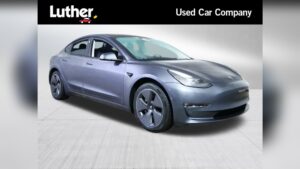
The Tesla Model 3 changed the way people think about electric cars, bringing high performance, modern technology, and a unique driving experience to a wide audience. One of the most surprising updates in recent years was Tesla’s decision to remove ultrasonic parking sensors (USS) from new Model 3 vehicles starting in late 2022.
For many drivers, these sensors were a standard feature for safe and easy parking. The move raised big questions: Why did Tesla make this change? What does it mean for safety, convenience, and the future of car technology?
Let’s explore the reasons behind this decision, look at how Tesla plans to replace these sensors, and understand the impact on drivers. If you’re thinking about buying a Tesla Model 3, or just curious about the future of smart cars, this article will give you a clear, complete picture.
What Are Ultrasonic Parking Sensors And Why Were They Important?
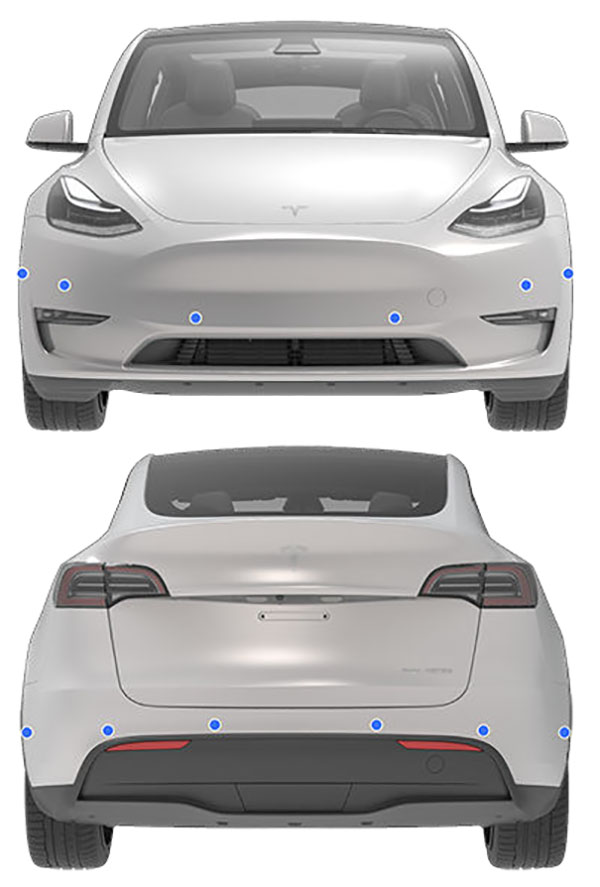
Ultrasonic parking sensors use high-frequency sound waves to detect objects near the car. Usually placed in the front and rear bumpers, they help drivers know if something is close when parking or moving slowly. When the car gets near a wall, pole, or another car, the sensors beep and can show a graphic on the screen.
In the Tesla Model 3, there were typically 12 sensors—six in the front, six in the back. These sensors made parking much easier, especially in tight spaces or low-visibility situations. For many people, especially new drivers or those with big vehicles, these sensors helped prevent minor accidents and made daily driving less stressful.
Why Did Tesla Remove Ultrasonic Parking Sensors? The 3 Main Reasons
Tesla’s move to remove USS was not random. The company gave three main reasons for this decision. Each reason is tied to Tesla’s larger vision for vehicle technology and the future of driving.
1. Shift To Tesla Vision: Camera-based Sensing
The biggest reason for removing the ultrasonic sensors is Tesla’s move to Tesla Vision. This is a camera-based system that uses neural networks and advanced software to “see” and understand the car’s surroundings. Tesla believes that a camera-only approach is not only possible, but better in the long run.
How Tesla Vision Works
Tesla Vision uses multiple cameras placed around the car. These cameras collect video data, which is then processed by powerful computers inside the car. Using deep learning and artificial intelligence, the car can recognize objects, understand distances, and react to changing situations.
With this system, Tesla aims to replace not just ultrasonic sensors, but also radar and other traditional sensors. The belief is that, just like a human driver uses their eyes and brain to navigate, cars can do the same with cameras and AI.
Advantages Over Ultrasonic Sensors
- Higher Resolution Data: Cameras can “see” more detail than simple sound waves.
- Longer Range: Ultrasonic sensors have a very limited range (usually less than 5 meters). Cameras can see much farther.
- Software Updates: Tesla Vision can improve over time with new software, while hardware like USS does not improve after installation.
- One Unified System: Removing different types of sensors simplifies the car’s hardware and makes maintenance easier.
Challenges And Early Limitations
When Tesla first made this change, some parking features were temporarily disabled or reduced. For example, distance measurements to objects and some automatic parking functions were not available while the new system was being trained and improved. This led to some frustration among early buyers.
Many drivers also noticed that, in certain conditions (such as heavy rain, fog, or direct sunlight), cameras might not work as well as ultrasonic sensors. Tesla has worked to improve these weaknesses, but as of 2024, some edge cases still exist.
Example: Human Eyes Vs. Bats
A good way to understand the difference is to think of a person (camera-based) vs. a bat (ultrasonic). A bat uses sound to “see” in the dark, but a human uses eyes for detailed vision. Tesla wants its cars to be like humans, not bats—using vision for a more complete understanding of the environment.
2. Manufacturing Simplification And Cost Reduction
Another major reason for removing USS is simplification. Tesla is famous for its focus on making factories and cars as simple as possible. Every part, wire, or sensor in a car adds weight, cost, and possible points of failure.
How Removing Uss Helps
- Fewer Parts to Install: Each USS must be placed, connected, and tested. Removing them speeds up production.
- Lower Cost: Each sensor costs money. Removing 12 sensors from every Model 3 saves significant money over thousands of cars.
- Easier Repairs: With fewer sensors, there are fewer things that can break or need replacement after minor accidents.
- Streamlined Supply Chain: Fewer parts mean less risk of shortages or delays from suppliers.
Data: Production Efficiency Gains
According to industry reports, Tesla’s vehicle production time per car has dropped by almost 30% in the past five years. Removing hardware like USS is part of this improvement. It also helps Tesla keep prices stable, even as inflation and supply chain issues affect other carmakers.
Example: The Smartphone Analogy
Tesla often compares its cars to smartphones. Older phones had lots of physical buttons and ports, but now most functions are managed by software and a simple touchscreen. Similarly, Tesla wants its cars to rely more on software, less on hardware, and have a cleaner design.
3. Preparing For Full Self-driving And Future Features
The third big reason is preparing for the future. Tesla is committed to building fully self-driving cars. The company believes that camera-based systems will be key to making cars drive themselves safely in all situations.
How Uss Limited Full Self-driving (fsd)
Ultrasonic sensors are great for simple tasks like parking, but they cannot understand complex scenes or see traffic lights, pedestrians, or road signs. Tesla’s engineers found that using different types of sensors (cameras, radar, ultrasonic) created confusion for the AI.
Each sensor has its own strengths and weaknesses, and combining their data can be difficult.
By switching to a single, camera-based system, Tesla’s software team can focus on making the AI as smart as possible. This helps with:
- Consistent Data: The AI gets information from one type of sensor.
- Easier Machine Learning: Training the system is simpler when the data comes from cameras only.
- Faster Updates: Improvements can be rolled out to all cars at once through software.
Example: Software-defined Cars
The idea of a software-defined car means most features and improvements come from code, not new hardware. Tesla wants to lead this trend, and removing USS is one step in that direction.
Potential For New Features
With Tesla Vision, features like Smart Summon, Autopark, and advanced obstacle detection can improve much faster. In the future, the car could recognize more types of objects, understand unusual parking situations, or even park itself in complex garages.
Comparing Ultrasonic Sensors And Tesla Vision
Understanding how these two systems work helps explain why Tesla made the change. Here’s a side-by-side comparison:
| Feature | Ultrasonic Sensors (USS) | Tesla Vision (Camera-Based) |
|---|---|---|
| Detection Method | Sound waves | Visual (cameras + AI) |
| Range | Short (up to 5m) | Long (up to 200m for some cameras) |
| Object Detail | Distance only | Shape, size, type |
| Weather Resistance | Works in low visibility | Can struggle with rain/fog |
| Software Updates | Limited/None | Frequent, ongoing |
| Cost | Higher (hardware + install) | Lower (cameras are multi-purpose) |
| Maintenance | Can fail after bumps | Camera lens cleaning needed |
The Impact On Model 3 Owners
When Tesla removed USS from the Model 3, there was a real impact on drivers—especially those who bought cars during the transition period. Let’s look at the main effects.
Short-term Loss Of Parking Features
For a few months after the change, cars without USS did not have:
- Park Assist (distance display to objects)
- Autopark (automatic parking)
- Summon (moving the car using the app)
Tesla promised that these features would return as the Vision system improved. By mid-2023, updates started to restore some functions, but not all features matched the previous USS abilities right away.
Adapting To A New System
Drivers had to adjust to the new way their cars “saw” the world. Instead of clear beeps and distance numbers, early Vision-only cars sometimes gave less precise information. Some owners reported feeling less confident in tight parking spots.
Safety Considerations
Tesla stated that removing USS would not reduce safety, because the cameras and AI would quickly become as good (or better) than the old sensors. Still, some experts raised concerns about:
- Blind spots (places where cameras could not see well)
- Dirty or blocked cameras (which can happen in snow or mud)
- Edge cases (like very low or small objects)
Tesla responded by adding warnings and encouraging drivers to keep cameras clean. Over time, software updates have improved detection, but some differences remain.
Example: User Experience Before And After
| Feature | With USS | With Vision (Early) | With Vision (Latest) |
|---|---|---|---|
| Distance Display | Yes (accurate) | No | Yes (returning, improving) |
| Autopark | Yes | No | Limited (expanding) |
| Summon | Yes | No | Partial (beta) |
| Obstacle Types Detected | Most objects | Fewer (initially) | More (after updates) |
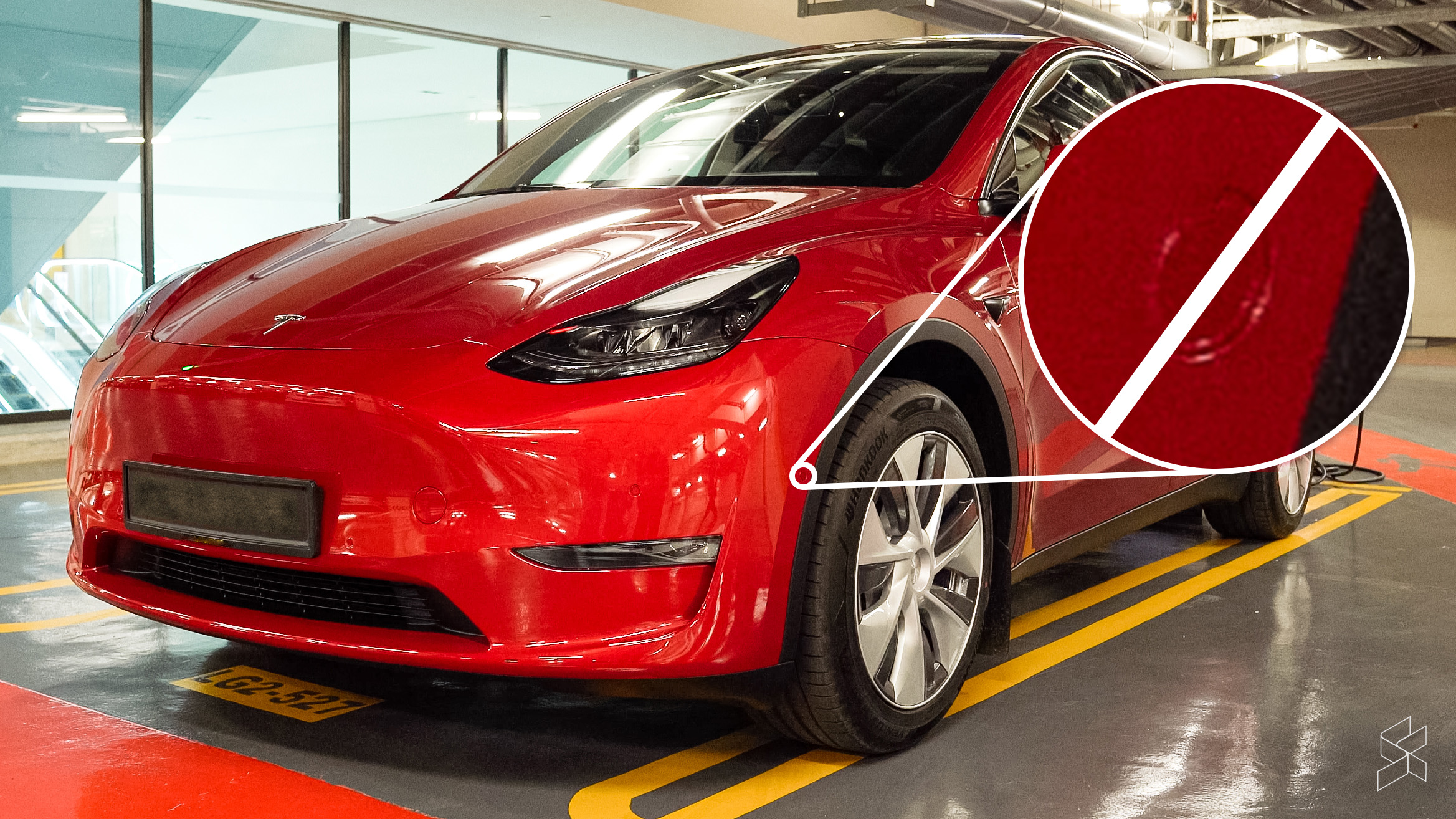
Credit: soyacincau.com
Non-obvious Insights Most Beginners Miss
While the main reasons for removing USS are clear, there are some deeper points that many people do not realize.
1. Software-first Approach Is Risky But Powerful
Tesla’s choice to rely on software is bold. It means early adopters might not get full features right away. However, over time, the car can become better than when it was new—something not possible with most traditional vehicles. This also means that owners play a role in training the AI, as data from their driving helps improve the system for everyone.
2. Data Collection Is Key To Progress
Tesla collects video and sensor data from hundreds of thousands of cars. This gives the company a unique advantage: it can improve its software much faster than competitors who use fewer vehicles or rely on traditional testing. This data-driven approach is one reason why Tesla can make big changes like removing USS and still keep improving.
3. Some Features Depend On Local Laws
Not all features can be enabled everywhere. For example, automatic parking and Summon features may be limited by local regulations in some countries. Removing USS makes it easier for Tesla to standardize its cars globally, but it also means some features may appear or disappear based on local rules.
How Does Tesla Vision Compare To Other Car Brands?
Many automakers still use ultrasonic sensors, radar, and even lidar for parking and self-driving features. Why is Tesla different? Here’s a comparison of Tesla’s approach vs. traditional automakers.
| Brand | Sensors Used | Parking Features | Self-Driving Approach |
|---|---|---|---|
| Tesla | Cameras (Vision) | Vision-based (no USS after 2022) | Software-focused, camera-only |
| Mercedes-Benz | Cameras, ultrasonic, radar, lidar | USS + cameras, advanced parking | Sensor fusion (multiple types) |
| BMW | Cameras, ultrasonic, radar | USS + cameras, 360° view | Sensor fusion |
| Ford | Cameras, ultrasonic | USS + backup camera | Partial automation, USS for parking |
| Waymo | Cameras, radar, lidar | USS for parking only | Lidar-focused, multi-sensor |
Tesla stands out by removing not just USS, but also radar and lidar from most models. The company’s bet is that cameras and AI can eventually do everything—while most others play it safe with multiple sensors.
What Should Buyers Consider Before Choosing A Model 3 Without USS?
If you are thinking about buying a new Tesla Model 3, the removal of ultrasonic sensors is a key point to consider. Here are some things to keep in mind:
1. Current Features Vs. Promised Features
Some features that used to be standard may not be available right away or may work differently. Check the latest software update notes and ask your Tesla representative about current capabilities.
2. Personal Parking Habits
If you often park in very tight spaces or rely heavily on parking sensors, you may notice differences. Practice using the Vision-based system to see if it meets your needs.
3. Software Updates
Tesla Vision is improving quickly. What is missing today may be added in the next update. Be ready for a changing experience over time.
4. Cleaning And Maintenance
Cameras need to be clean to work well. If you live in a place with snow, mud, or lots of dust, get in the habit of checking and cleaning your cameras often.
5. Resale Value
Changes in features can affect resale value. Some buyers may prefer cars with USS, while others will trust the Vision system. Keep this in mind if you plan to sell your car in a few years.
Real-world Experiences: What Drivers Are Saying
Since the change, thousands of Model 3 owners have shared their experiences online. Here are some common themes:
- Mixed Feelings: Some owners miss the precise feedback from USS, while others do not notice a big difference.
- Software Updates Help: Many report that Vision-based parking has improved with each update.
- Confidence Grows Over Time: Most drivers say they adapt after a few weeks, but there is a learning curve.
- Edge Cases Remain: Very low objects (like curbs) or unusual situations can still confuse the Vision system.
One Model 3 owner wrote, “At first, I was nervous parking without the sensors. But after a month, I trust the cameras more. I’m seeing fewer errors as the software gets better. ”
Credit: www.teslaoracle.com
Looking Ahead: Will Other Automakers Follow Tesla?
Tesla’s move is bold, but will others do the same? Here are some factors to watch:
- Cost Pressures: As electric cars become more common, carmakers will look for ways to cut costs. Removing hardware like USS is one way to do this.
- AI Improvements: If Tesla Vision proves reliable, competitors may try similar systems. However, most will keep multiple sensors for now.
- Regulation: Safety standards and local laws may require certain sensors, slowing down the move to camera-only systems in some markets.
- Consumer Preference: Some buyers want traditional features like beeping sensors. Carmakers may offer both options, at least for a while.
For now, Tesla is the only major automaker to make this change across its main models. The industry will be watching closely to see if this gamble pays off.
Tesla’s decision to remove ultrasonic parking sensors from the Model 3 marks a big step toward a future where cars rely more on software and artificial intelligence. While the change brought some challenges, it also opens new possibilities for smart driving and continuous improvement.
For drivers, the key is to stay informed, adapt to new systems, and enjoy the ride as technology continues to evolve.
FAQs About Why Did Tesla Model 3 Remove Ultrasonic Parking Sensors
What Exactly Are Ultrasonic Parking Sensors And How Do They Work?
Ultrasonic parking sensors are small devices placed in a car’s bumpers. They send out sound waves, which bounce off nearby objects and return to the sensor. The car’s computer measures how long the sound takes to return and calculates the distance to the object. This helps drivers park safely by warning them about obstacles.
How Does Tesla Vision Differ From Traditional Parking Sensors?
Tesla Vision uses cameras and advanced software to detect and identify objects. Instead of sound waves, it “sees” the environment much like a person does. This allows the system to recognize more types of objects and work at longer distances, but it depends on good lighting and clean cameras.
Are There Any Features Lost By Removing Ultrasonic Sensors?
When Tesla first removed ultrasonic sensors, some features like Park Assist, Autopark, and Summon were not available. Over time, Tesla has restored many of these using the Vision system, but the experience may still be different in some situations—especially in poor weather or with small objects close to the car.
Is The Camera-only System As Safe As The Old System?
Tesla claims the Vision system will be as safe or safer than the old ultrasonic sensors, thanks to constant software improvements. However, some experts say there are still risks in certain situations, like dirty cameras or unusual parking scenarios. It’s important for drivers to stay alert and not rely only on automation.
Where Can I Learn More About Tesla’s Approach To Vehicle Sensors?
You can read more about Tesla’s sensor strategy and vision-based approach on the official Tesla Blog, which covers their latest updates and reasons for these changes.
Disclosure: As an Amazon Associate, I may earn from qualifying purchases at no extra cost to you. Amazon and the Amazon logo are trademarks of Amazon.com, Inc, or its affiliates.
- Amazon, Amazon Prime, the Amazon logo and Amazon Prime logo are trademarks of Amazon. com, Inc. or its affiliates.
I am Sadman, the founder of CarSensorHub.com, where I share my passion for cars and technology. I specialize in writing detailed reviews and helpful guides on car gadgets, accessories, safety tools and many more. My mission is to help car owners discover the best products and tips to improve their driving experience and stay safe on the road.