The Tesla Model 3 has become one of the most recognized electric vehicles in the world, not just for its speed or efficiency but for its advanced safety features. Many drivers and future owners wonder: How many sensors does the Tesla Model 3 use for safety? The answer is more complex than a simple number.
Tesla’s safety system is a blend of several types of sensors, each serving a different purpose. To fully understand how the Model 3 achieves such high levels of safety, it’s important to look at each sensor type, how they work together, and why Tesla made these choices.
Choosing an electric vehicle is not only about range and design but also about how well the car can keep you safe. For the Tesla Model 3, sensors are at the heart of this promise. This article will give you a deep look at the exact sensors used in the Model 3, explain their roles, and compare Tesla’s approach to other car manufacturers.
You’ll also learn about common misunderstandings, the evolution of Tesla’s sensor suite, and what all this means for your real-world safety.
The Role Of Sensors In Tesla Model 3 Safety
Before diving into numbers, it’s important to understand what “safety sensors” actually do. Sensors are electronic devices that detect what is happening around the car. They send information to the car’s computer, which then makes decisions—such as warning the driver, braking, or steering to avoid a crash. The Model 3 uses these sensors for features like automatic emergency braking, lane keeping, collision warnings, and more.
Tesla’s philosophy is clear: more accurate data from the environment means better decisions for safety. This is why their sensor suite is a key part of the car’s design.
The Three Main Types Of Sensors In The Tesla Model 3
The Tesla Model 3 relies on three main types of sensors for its safety systems. Each sensor has a dedicated role, and together they create a 360-degree understanding of the car’s surroundings.
1. Cameras
The most important sensors in the Model 3 are cameras. These are not just for recording; they work as the car’s “eyes.” As of the latest versions, the Model 3 uses a total of eight cameras placed around the vehicle.
Camera Placement And Coverage
- Three front-facing cameras: Placed above the rearview mirror, these cover wide, medium, and narrow fields of view.
- Two side cameras (one on each side): Located on the front fenders, these help monitor the car’s blind spots and assist with lane changes.
- Two rearward side cameras: Placed near the back wheels, these give the car awareness of vehicles approaching from behind.
- One rear camera: Above the license plate, used mainly for reversing and detecting obstacles behind the car.
Camera Capabilities
These cameras work together to provide a full 360-degree view around the Model 3. With different fields of view and overlapping coverage, the system can detect cars, pedestrians, cyclists, and road markings in almost all directions. The cameras feed visual data into Tesla’s neural network, which is a type of artificial intelligence trained to recognize and interpret what each camera sees.
Why Cameras Matter
Tesla’s focus on cameras is unique. Many other manufacturers rely heavily on radar or lidar. Tesla believes that cameras, paired with advanced AI, are closer to how humans actually drive—by seeing and interpreting the environment.
Key Insight: While eight cameras are standard, the number and placement might change depending on the production year or model variant. Always check your own vehicle’s specification.
2. Ultrasonic Sensors
The second key type is the ultrasonic sensor. These small sensors emit sound waves and measure how long it takes for the echo to return. This tells the car how close objects are, even if they are very small or low to the ground.
Ultrasonic Sensor Placement And Number
The Model 3 is equipped with twelve ultrasonic sensors:
- Six on the front bumper
- Six on the rear bumper
They are spaced to cover the entire front and rear width of the vehicle.
What Ultrasonic Sensors Do
Ultrasonic sensors are perfect for detecting things that cameras may miss—such as curbs, walls, or children’s toys. They are mainly used for parking assistance (guiding the driver into tight spots), detecting objects when moving slowly, and for automatic parking features.
Sensor Range
Ultrasonic sensors have a short range, usually about 8 meters (26 feet). This is enough for parking and low-speed maneuvers but not for detecting fast-moving vehicles on the highway.
Practical Tip: If one ultrasonic sensor is blocked by dirt or snow, the car will warn you, but the system can still function using the other sensors. Keeping them clean is important for best safety.
3. Radar (legacy And Changes)
The third main sensor, at least in earlier versions of the Model 3, was radar. Radar uses radio waves to detect objects, especially at medium and long distances, and works well in poor visibility (fog, rain, darkness).
Radar In Older Model 3
- One forward-facing radar: Located behind the front bumper, centered on the car.
Radar helped the Model 3 “see” vehicles or obstacles ahead, even if the cameras were blocked by bad weather. It was especially useful for features like adaptive cruise control and automatic emergency braking.
Tesla Vision: Moving Away From Radar
Starting in 2021, Tesla began removing radar from the Model 3 in North America and some other regions. The company now uses a system called Tesla Vision, which relies only on cameras and AI software for all safety and driver-assist features.
Why Drop Radar?
Tesla believes that cameras and artificial intelligence can give more accurate, human-like perception of the road. Removing radar simplifies the system and reduces cost. However, this shift is still debated among experts, as radar can be useful in low-visibility conditions.
Non-Obvious Insight: If you own an older Model 3 (built before mid-2021), your car likely has radar. Newer cars may not. Always check your car’s build date and owner’s manual to confirm.

Credit: teslaunch.net
How Tesla’s Sensors Work Together
Each sensor type in the Model 3 has strengths and weaknesses. The real power comes from how Tesla fuses the data from all sensors using its onboard computer (the “FSD computer”).
- Cameras: Great for detailed object recognition and reading road signs.
- Ultrasonic sensors: Best for very close objects and parking.
- Radar (if equipped): Good for tracking cars at a distance, especially in bad weather.
The computer combines this information to create a real-time “map” of the environment. This is called sensor fusion.
Example: Automatic Emergency Braking
If a car suddenly stops in front of you, the Model 3 uses:
- Front cameras to identify the car and estimate its distance.
- Radar (if available) to confirm distance and relative speed.
- The computer decides whether to warn the driver or apply the brakes.
If the cameras or radar sense danger, the car can automatically stop to avoid a crash.
Example: Parking Assistance
When parking, the Model 3 relies mostly on:
- Ultrasonic sensors to detect curbs, walls, and nearby cars.
- Rear and side cameras to give a visual of the space.
The car can warn you if you’re too close to an object or even steer itself into a parking spot.
Advanced Note: As Tesla transitions to Tesla Vision, some features may change, especially those that relied on radar.
Read More: Why Did Tesla Model 3 Remove Ultrasonic Parking Sensors
Sensor Comparison: Tesla Model 3 Vs. Other Evs
Tesla’s approach is unique, but how does it compare to other electric vehicles? Here’s a quick side-by-side overview:
| Sensor Type | Tesla Model 3 (2023+) | Rivian R1T | Lucid Air | Mercedes EQS |
|---|---|---|---|---|
| Cameras | 8 | 11 | 9 | 8 |
| Ultrasonic Sensors | 12 | 12 | 12 | 12 |
| Radar | 0 (post-2021) | 1 | 1 | 1 |
| Lidar | 0 | 0 | 1 | 1 |
Key Takeaway: Most competitors use a mix of cameras, radar, and sometimes lidar. Tesla stands out by relying only on cameras and ultrasonic sensors (in the latest versions).
Credit: www.feyree.com
The Evolution Of Tesla’s Sensor Suite
The Model 3’s sensor setup has changed over time. Understanding this evolution can help owners and buyers know what their car is capable of.
Early Model 3 (2017–2020)
- Cameras: 8
- Ultrasonic sensors: 12
- Radar: 1 (forward-facing)
Model 3 (2021 And After)
- Cameras: 8
- Ultrasonic sensors: 12
- Radar: Removed in most regions
Latest Model 3 (2023+)
- Cameras: 8
- Ultrasonic sensors: Sometimes removed in favor of “vision-only” features
- Radar: Not included
Tesla has even started rolling out versions of the Model 3 without ultrasonic sensors, relying fully on cameras. This is called the “Tesla Vision Only” system.
Practical Note: If you’re buying used, check which sensor setup your Model 3 has. Some features may behave differently depending on the sensors installed.
Real-world Safety: How Do These Sensors Perform?
It’s not just about how many sensors a car has, but how well they work together. The Model 3 has earned top safety ratings in many countries. In crash tests by the National Highway Traffic Safety Administration (NHTSA), the Model 3 received a 5-star safety rating in every category.
Accident Prevention
The camera and ultrasonic sensor systems help prevent:
- Rear-end collisions
- Lane departure accidents
- Low-speed parking bumps
- Pedestrian accidents
Driver Assistance
Features like Autopilot and Navigate on Autopilot use all sensors to help with:
- Lane keeping
- Automatic lane changes
- Traffic-aware cruise control
Limitations
No sensor system is perfect. Cameras can be blocked by mud, snow, or direct sunlight. Ultrasonic sensors are less useful at high speeds. And while Tesla’s AI is advanced, it can still misinterpret unusual situations.
Non-Obvious Insight: Some drivers think more sensors always mean more safety. In reality, sensor quality, placement, and how the software interprets data are even more important.
Maintaining And Calibrating Tesla Model 3 Sensors
Keeping your Model 3’s sensors in good condition is key for safety.
Cleaning And Care
- Cameras: Wipe with a soft cloth if dirty. Avoid harsh chemicals.
- Ultrasonic sensors: Check for mud or ice on bumpers.
- Radar (if equipped): Rarely needs cleaning but keep the front bumper clear.
Calibration
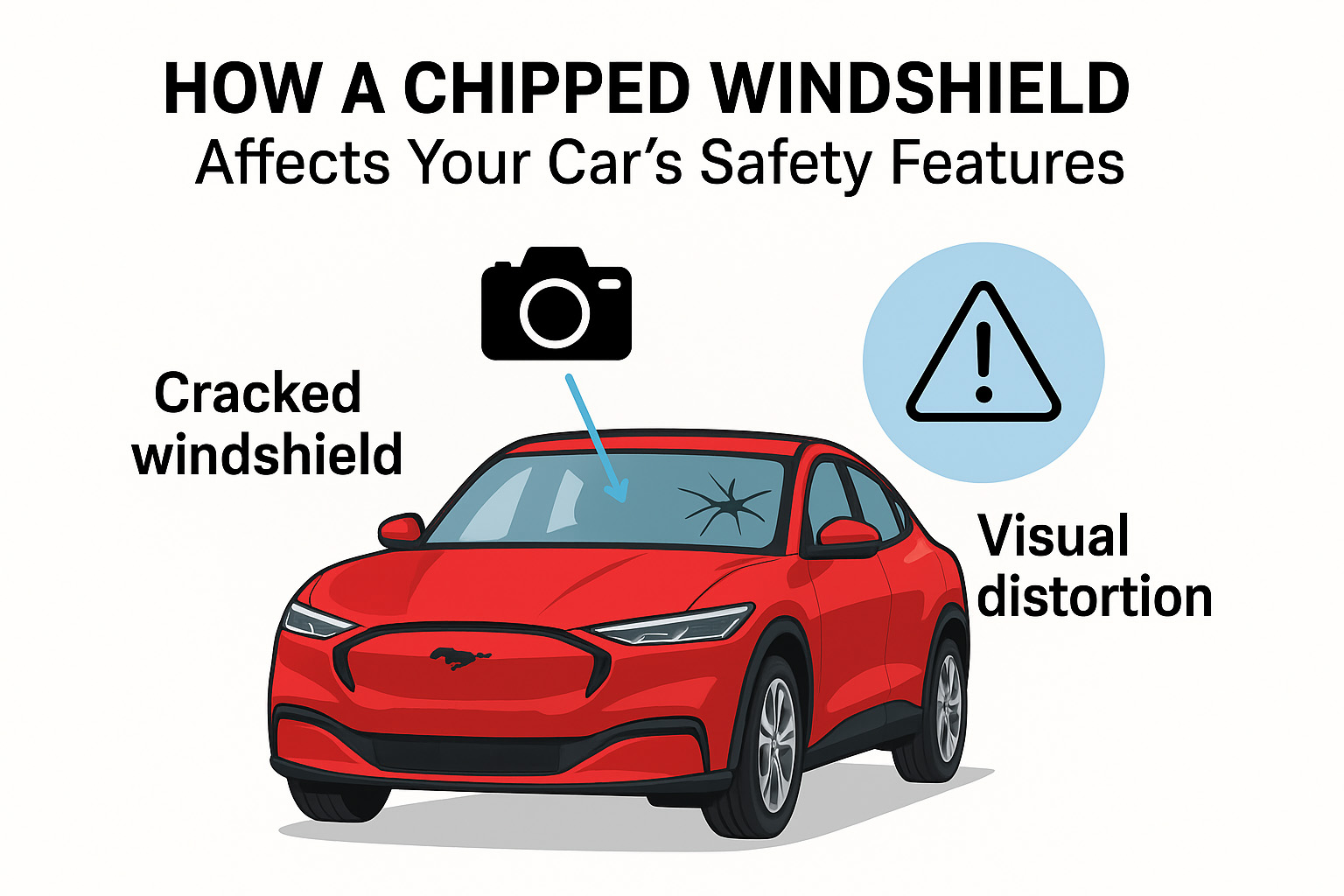
After repairs or glass replacements, cameras may need recalibration. The car will usually prompt you when this is required. Calibration is mostly automatic but may require driving a certain distance for the system to relearn its environment.
Practical Tip: If you get a warning about a sensor, don’t ignore it. Even one blocked sensor can reduce the effectiveness of safety features.
Common Misunderstandings About Tesla Model 3 Sensors
Many new car owners have questions or wrong ideas about the Model 3’s sensors. Let’s clear up some common myths.
Myth 1: Tesla Model 3 Uses Lidar
Fact: The Model 3 does not use lidar sensors. Tesla believes cameras and AI are enough for safe driving.
Myth 2: More Sensors Always Mean Better Safety
Fact: The number of sensors matters, but how well they work together is even more important.
Myth 3: Tesla Vision-only Cars Are Less Safe
Fact: While some features may be limited (such as parking distance alerts), Tesla is constantly updating its software to improve performance without radar or ultrasonic sensors.
Myth 4: The Sensors Never Fail
Fact: Sensors can be blocked, damaged, or misaligned. Regular care and attention are essential.
Myth 5: All Model 3s Have The Same Sensors
Fact: Sensor suites can vary by production date and region. Always check your own car’s specs.
Data Table: Model 3 Sensor Features And Their Functions
To make things clearer, here’s a breakdown of what each sensor type does:
| Sensor Type | Number | Main Functions | Best Use Case |
|---|---|---|---|
| Cameras | 8 | Object detection, lane keeping, sign reading | Highway driving, city streets |
| Ultrasonic sensors | 12 | Parking, close-range obstacle detection | Parking lots, low-speed maneuvers |
| Radar (if equipped) | 1 | Distance measurement, speed detection | Adaptive cruise, emergency braking |
Tesla’s Sensor Suite: Practical Considerations For Drivers
If you’re a Model 3 owner or thinking of buying one, here are some practical tips for getting the most from the car’s sensors:
- Keep sensors clean: Road dirt, mud, or snow can block cameras and ultrasonic sensors, reducing their effectiveness.
- Update your software: Tesla regularly improves sensor performance through over-the-air updates.
- Know your car’s build: Sensor setups change with model years. Check your VIN or Tesla account for details.
- Don’t over-trust automation: Even with advanced sensors, you must stay alert and ready to take control.
- Report issues: If you notice a sensor problem, report it through the Tesla app for quick service.
Advanced Example: In some countries, Tesla Vision-only cars may have limited features. For example, automatic lane change or smart summon may not be available until a future update. Always check the latest release notes for your region.
Sensor Redundancy And Fail-safe Features
Redundancy is a safety feature that means the system can still function if one sensor fails. In the Model 3, if a camera or ultrasonic sensor is blocked, the car uses the remaining sensors to keep you safe, though some features may be limited.
Key Insight: If a critical sensor fails, the car will alert you and may disable features like Autopilot or automatic emergency braking until the problem is fixed.
Regulatory And Legal Requirements
The Model 3’s sensor suite is designed to meet strict safety standards worldwide. For example, automatic emergency braking and lane keeping are required for top safety ratings in Europe and North America.
Practical Example: In some regions, features like “Navigate on Autopilot” or “Smart Summon” are only allowed if the sensor system passes local regulations. This is why sensor setups can vary by region.
The Future Of Tesla Model 3 Sensors
Tesla is always developing new hardware and software. Rumors suggest that future Model 3s may include even more advanced sensors or improved cameras. However, the company’s current direction is to rely more on vision and AI, reducing the number of physical sensors.
Non-Obvious Insight: As technology advances, some hardware features may be replaced by software improvements. For example, Tesla Vision’s AI could soon match or even surpass the abilities of radar and ultrasonic sensors through smarter programming.
For the latest updates, the official Tesla Autopilot Support page offers detailed information.
Credit: blog.glass.net
The Final Thoughts
The Tesla Model 3’s approach to safety is built around cameras, ultrasonic sensors, and, in some versions, radar. While the exact sensor setup can depend on the model year and region, Tesla’s strategy is to use these tools together with advanced software to keep drivers and passengers safe. Understanding how these sensors work, their strengths and limits, and how to care for them is essential for every Tesla owner.
As technology evolves, so will the Model 3’s safety features. But the core idea remains: sensors are the foundation of modern automotive safety, and Tesla’s use of them is among the most advanced in the world today.
FAQs Of How Many Sensors Does Tesla Model 3 Use for Safety
How Many Sensors Does The Tesla Model 3 Use For Safety?
The Model 3 uses eight cameras and twelve ultrasonic sensors in most configurations. Older versions also included one forward-facing radar, but newer models rely only on cameras and ultrasonic sensors for safety features.
Does The Tesla Model 3 Use Lidar Sensors?
No, the Model 3 does not use lidar. Tesla believes that cameras and advanced AI software can provide enough information for safe driving.
What Happens If A Sensor Is Blocked Or Fails?
If a sensor is blocked by dirt or snow, or if it fails, the Model 3 will alert the driver. Some safety features may be limited until the sensor is cleaned or repaired, but most basic driving functions will still work.
Are All Model 3s Equipped With The Same Sensors?
No, the sensor suite can vary by production year and region. Earlier Model 3s included radar; newer ones use only cameras and ultrasonic sensors. Always check your car’s specifications.
Can Tesla Add New Sensors Or Features With Software Updates?
Tesla can improve sensor performance and add new features through software updates, but physical sensors like cameras or ultrasonic sensors cannot be added to existing cars without hardware changes.
Disclosure: As an Amazon Associate, I may earn from qualifying purchases at no extra cost to you. Amazon and the Amazon logo are trademarks of Amazon.com, Inc, or its affiliates.
- Amazon, Amazon Prime, the Amazon logo and Amazon Prime logo are trademarks of Amazon. com, Inc. or its affiliates.
I am Sadman, the founder of CarSensorHub.com, where I share my passion for cars and technology. I specialize in writing detailed reviews and helpful guides on car gadgets, accessories, safety tools and many more. My mission is to help car owners discover the best products and tips to improve their driving experience and stay safe on the road.