If you own a Tesla Model 3 or are thinking about getting one, you probably wonder what kind of care it needs to keep running smoothly. Unlike traditional cars, electric vehicles like the Model 3 have unique maintenance needs that can save you time and money—but only if you know what to look for.
You’ll discover the key maintenance tasks that will protect your investment and keep your Tesla performing at its best. Ready to learn how to make your Model 3 last longer and drive better? Let’s dive in.
Tesla Model 3 Maintenance Basics
The Tesla Model 3 is a popular electric car with fewer moving parts than gas cars. This means less maintenance but not zero. Understanding the basics helps keep the car running smoothly and safely. Regular checks and simple care can extend the life of the Model 3. It also helps avoid costly repairs later.
Knowing what to watch and when to act is key. This section covers the main points of Tesla Model 3 maintenance. It explains the schedule for service and the parts that need attention. Clear and simple advice for every Tesla owner.
Scheduled Service Intervals
Tesla recommends service checks every 12,500 miles or once a year. This keeps the car in good shape. The checks include tire rotation, brake fluid replacement, and battery inspection. Software updates happen over the air, so no need to visit the service center for that.
Some parts last longer and need checking less often. For example, the cabin air filter should be changed every 2 years. Following the schedule helps catch small problems early. Saves money and time in the long run.
Key Components To Monitor
Battery health is crucial. Watch for any drop in range or charging issues. Tires need regular inspection for wear and proper inflation. Brake pads last longer in electric cars but still need checking.
The cooling system keeps the battery safe from overheating. Make sure coolant levels are good. Lights, wipers, and door handles also require simple checks. These small things improve safety and comfort.
Battery Care And Longevity
The Tesla Model 3’s battery is its heart. Taking care of it ensures your car runs longer and better. Battery care means more than just charging. It involves smart habits that protect the battery’s health and extend its life.
Charging Best Practices
Use a home charger for daily needs. It gives a steady, gentle charge. Avoid frequent use of fast chargers. Fast charging heats the battery and wears it down faster. Charge the battery up to 80-90% for regular use. Full charges reduce battery lifespan. Keep the charge above 20%. Letting the battery run very low harms it.
Battery Health Tips
Keep the car in cool places during hot weather. Heat damages the battery over time. Park in the shade or a garage. Avoid charging the battery right after long, hard drives. Let it cool down first. Update your car’s software regularly. Tesla improves battery management with updates. Drive smoothly to reduce battery strain. Sudden acceleration uses more power and heats the battery.
Read More: Best Portable Tire Inflator for Tesla Model Y
Tire Maintenance And Rotation
Tire maintenance and rotation play a big role in keeping your Tesla Model 3 safe and efficient. Proper care of tires helps improve the car’s handling and extends tire life. Regular checks and rotations prevent uneven wear and reduce the risk of tire damage.
Tire Wear Signs
Look for uneven tread wear on your tires. Bald spots or smooth patches mean the tires need attention. Cracks or bulges on the tire sidewalls show damage. Notice any vibration or noise while driving? This could signal tire problems. Check tire pressure often to avoid under or overinflation. Worn tires reduce traction and can lead to accidents.
Recommended Rotation Schedule
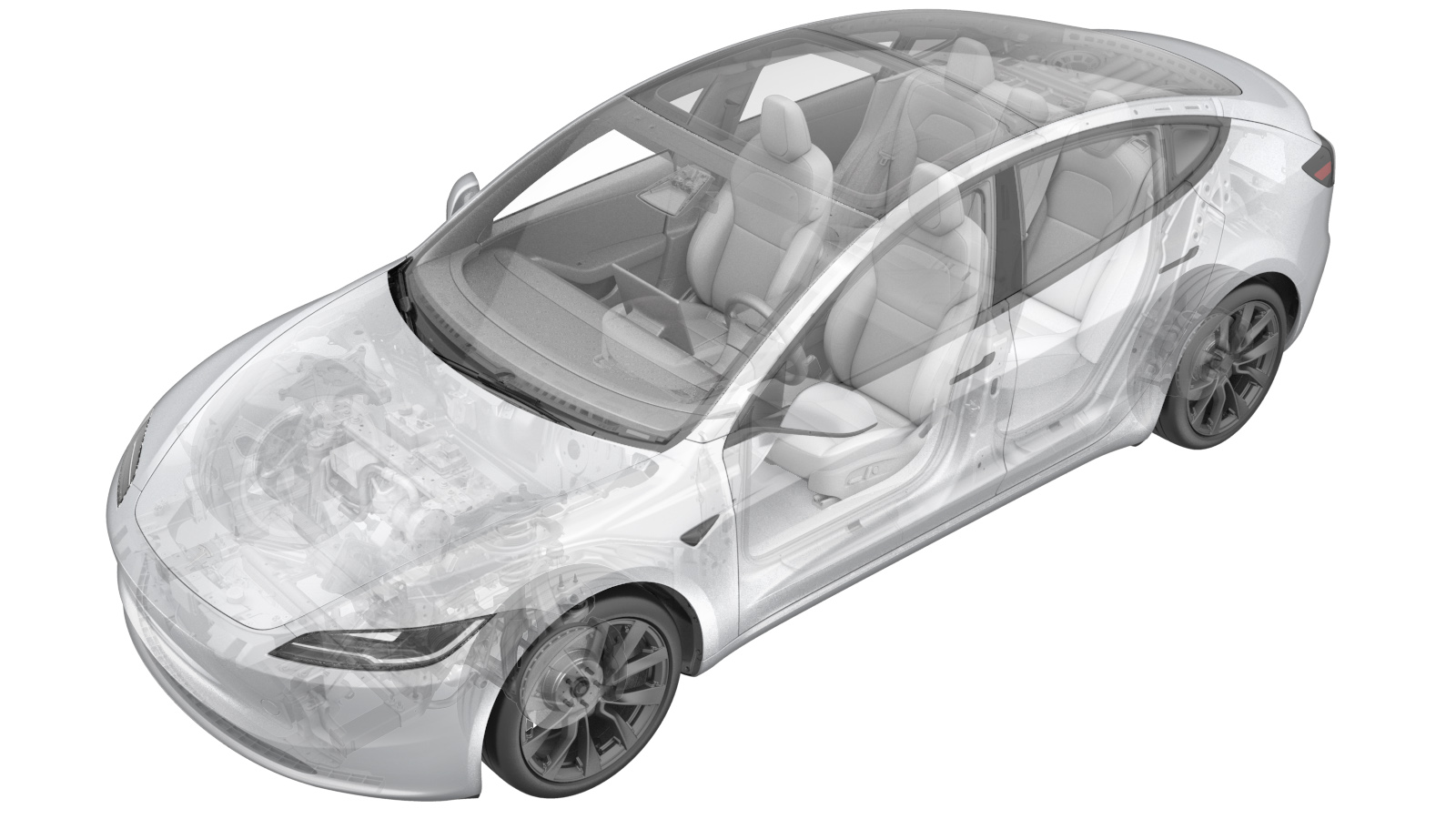
Tesla suggests rotating the Model 3 tires every 6,250 miles or about every six months. Rotate tires front to back and side to side for even wear. Use a tire rotation pattern that matches your Model 3’s drivetrain type. Regular rotation keeps tires balanced and extends their life. Schedule tire rotation with other routine maintenance checks. This simple step saves money and keeps your ride smooth.
Credit: service.tesla.com
Brake System Upkeep
The brake system of the Tesla Model 3 needs regular care to stay safe and efficient. This system is different from traditional cars because it uses electric power to help slow down the vehicle. Proper upkeep keeps the brakes working well and extends their life. Understanding the brake system helps you know what maintenance is needed.
Regenerative Braking Benefits
Regenerative braking uses the electric motor to slow the car. This process saves energy by sending power back to the battery. It reduces wear on the brake pads. The brake pads last longer than in regular cars. This means fewer repairs and less maintenance cost. Regenerative braking also helps the car stop smoothly and safely.
Brake Fluid Replacement
Brake fluid is important for the brake system’s performance. It transfers force from the brake pedal to the brake pads. Over time, brake fluid absorbs moisture. Moisture can cause brake failure and rust inside the system. Tesla recommends changing the brake fluid every two years. Regular replacement keeps the brakes responsive and safe.
Software Updates And Diagnostics
The Tesla Model 3 relies heavily on its software for performance and safety. Software updates and diagnostics play a key role in keeping the car running smoothly. These updates improve features and fix bugs without visiting a service center.
Tesla’s system also runs diagnostics to detect issues early. This helps avoid bigger problems and costly repairs. Owners stay informed about their car’s health through smart tools.
Over-the-air Updates
Tesla sends software updates directly to the Model 3 via the internet. This process is called over-the-air (OTA) updates. It lets Tesla add new features or improve existing ones quickly.
OTA updates also fix software bugs and security issues. The car downloads and installs updates while parked. This saves time and keeps the car up to date without hassle.
Using Tesla App For Monitoring
The Tesla app helps owners monitor their Model 3 remotely. It shows real-time information about battery charge, location, and temperature. The app also alerts owners to any maintenance needs or warnings.
Through the app, owners can schedule service appointments or request roadside assistance. The app acts as a digital dashboard, keeping the owner connected to the car at all times.
Cabin And Exterior Care
The cabin and exterior of your Tesla Model 3 need regular care to keep them looking fresh and lasting long. Clean surfaces prevent damage and keep your car comfortable to use. Taking small steps often saves big repair costs later.
Maintaining the cabin means keeping the inside clean and free from dust. Exterior care protects the paint and glass from weather and dirt. Both parts need attention to keep your Tesla Model 3 in top shape.
Cleaning Tips
Use a soft cloth or microfiber towel to clean the cabin surfaces. Avoid harsh chemicals that may damage the materials. Wipe the dashboard, seats, and door panels gently to remove dust.
For the exterior, wash your Tesla regularly with mild soap and water. Rinse well to avoid soap spots. Dry with a clean, soft towel to stop water marks. Do not use abrasive brushes that may scratch the paint.
Protecting Paint And Glass
Apply a good quality wax on the paint every few months. Wax acts as a shield against dirt and UV rays. It also keeps the paint shiny and smooth.
Clean the windshield and windows with glass cleaner for clear visibility. Check for chips or cracks and repair them quickly to avoid spreading damage. Use sunshades to protect the interior from harsh sunlight.
Common Issues And Troubleshooting
The Tesla Model 3 is known for its advanced technology and electric powertrain. Yet, like all cars, it can face some common issues. Understanding these problems helps keep your car in good shape. It also makes troubleshooting easier.
Many issues are simple to spot early. Catching them fast can prevent bigger repairs. This section covers common problems and how to notice them. It also explains when to visit the service center for expert help.
Warning Signs To Watch
Watch for unusual noises from the brakes or wheels. Strange sounds may mean worn brake pads or loose parts. Pay attention to any alert messages on the screen. These messages warn about battery or software problems.
Check if the car drives differently. Pulling to one side or poor acceleration can signal issues. Notice if the range drops quickly. A sudden drop may indicate battery health problems. Also, look for leaks or fluid spots under the car.
When To Visit Service Center
Visit the service center if warning lights stay on. Do not ignore persistent alerts about the battery or motors. Bring the car in if you hear loud noises or feel vibrations. These symptoms need professional checks to avoid damage.
Schedule a visit if software updates fail or the touchscreen freezes. Experts can fix software glitches and perform system resets. Also, seek help for charging problems or slow charging speeds. Early service keeps your Model 3 running smoothly.

Credit: www.youtube.com
Final Thoughts
Tesla Model 3 needs regular checks to stay in top shape. Change the cabin air filter every two years. Keep an eye on tire pressure and rotate tires often. Brake fluid should be tested and replaced as needed. Battery health is key—Tesla handles much of this automatically.
Software updates improve performance and safety. Simple maintenance keeps your car running smoothly. Saves money and avoids bigger repairs later. Stay aware and care for your Tesla well. Your Model 3 will thank you with great driving.
FAQs Of What Maintenance Does Tesla Model 3 Need
What Are The Key Maintenance Tasks For Tesla Model 3?
Key maintenance includes tire rotations, brake fluid checks, and cabin air filter replacements. Software updates are automatic. Battery health should be monitored regularly. Regular inspections ensure optimal performance and safety.
How Often Should Tesla Model 3 Tires Be Rotated?
Tesla recommends tire rotations every 6,250 miles or if tread wear is uneven. Regular rotation promotes even tire wear and extends tire life. Proper tire care enhances driving safety and efficiency.
Does Tesla Model 3 Need Oil Changes?
No, Tesla Model 3 is an electric vehicle and does not require oil changes. This reduces maintenance costs and complexity compared to traditional gasoline cars.
How Frequently Should Tesla Model 3 Brake Fluid Be Checked?
Brake fluid should be checked every two years or 25,000 miles. Maintaining proper brake fluid levels ensures safe braking performance and prevents system issues.
Disclosure: As an Amazon Associate, I may earn from qualifying purchases at no extra cost to you. Amazon and the Amazon logo are trademarks of Amazon.com, Inc, or its affiliates.
- Amazon, Amazon Prime, the Amazon logo and Amazon Prime logo are trademarks of Amazon. com, Inc. or its affiliates.

I am Sadman, the founder of CarSensorHub.com, where I share my passion for cars and technology. I specialize in writing detailed reviews and helpful guides on car gadgets, accessories, safety tools and many more. My mission is to help car owners discover the best products and tips to improve their driving experience and stay safe on the road.