For many adventure seekers and weekend explorers, the Toyota Rav4 has become a favorite companion. While it started as a compact SUV for city streets, its reliability, comfort, and fuel efficiency make it an attractive option for those who want more outdoor action. However, the factory Rav4 is not a hardcore off-roader—at least, not right out of the box. With the right upgrades, though, you can transform this everyday SUV into a capable machine ready for trails, mud, sand, and rocky roads.
Understanding which off-road upgrades are most common is key if you want to get the most from your Rav4 without wasting money or choosing parts that don’t fit your needs. In this article, you’ll discover the four essential upgrades that most Rav4 owners use to boost their off-road performance. You’ll see not only what each upgrade does, but also how they compare, where beginners go wrong, and what you should consider before making changes. Whether you’re new to off-roading or looking to take your Rav4 further, this guide will help you make smart, confident decisions.
Suspension Lift Kits
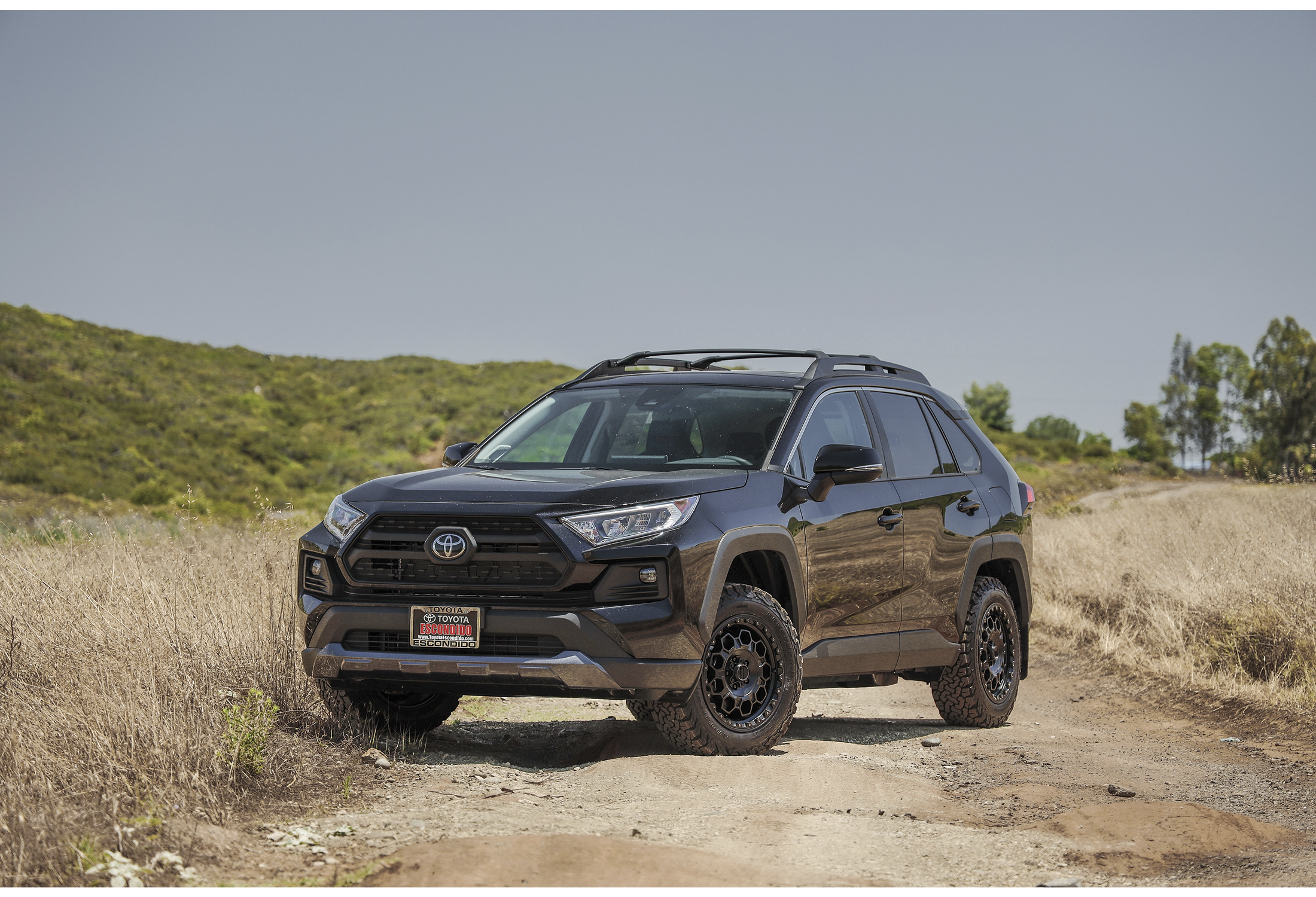
A suspension lift kit is often the first upgrade Rav4 owners consider. The main reason is simple: the factory Rav4 sits fairly low, which limits ground clearance. More ground clearance means you can drive over rocks, roots, and ruts without scraping the bottom of your SUV.
What Does A Suspension Lift Kit Do?
A suspension lift kit raises the body and undercarriage of your Rav4. Most kits for this SUV add between 1. 5 and 2. 5 inches of extra height. This may not sound like much, but it can make a big difference.
For example, lifting your Rav4 by just 2 inches can help you clear larger obstacles and reduce the risk of getting stuck on uneven trails.
There are two main types of lift kits:
- Spacer lifts – These use metal or polyurethane spacers between the strut and the vehicle’s body. They are affordable and simple to install.
- Coilover lifts – These replace your existing struts with longer or adjustable ones. They cost more but can improve both height and suspension performance.
Benefits Of Lifting Your Rav4
- Better ground clearance for rough terrain.
- Space for larger tires, which also boost off-road ability.
- Improved approach, breakover, and departure angles (how steep a hill or obstacle you can climb or descend without scraping).
What Beginners Miss
Many people forget that lifting your Rav4 changes its center of gravity. This can make the SUV a little less stable in sharp turns or emergency maneuvers on pavement. It’s important to drive carefully, especially at first, until you get used to the new feel.
Another detail: some lift kits may require professional installation, especially if they change your suspension geometry. Cheap kits can also wear out quickly or cause uneven tire wear if not aligned properly after installation.
Example: Real-world Data
Let’s compare the stock ground clearance of a Rav4 with and without a lift kit.
| Model | Stock Ground Clearance | With 2″ Lift Kit |
|---|---|---|
| Rav4 (2021 AWD) | 8.4 inches | 10.4 inches |
| Rav4 (2018 FWD) | 6.1 inches | 8.1 inches |
Choosing The Right Lift Kit
Not all lift kits are equal. Look for kits made by brands with good reviews and support. Avoid very cheap kits—these can fail and may even damage your suspension. Always check if the kit fits your exact Rav4 year and trim.
All-terrain Tires
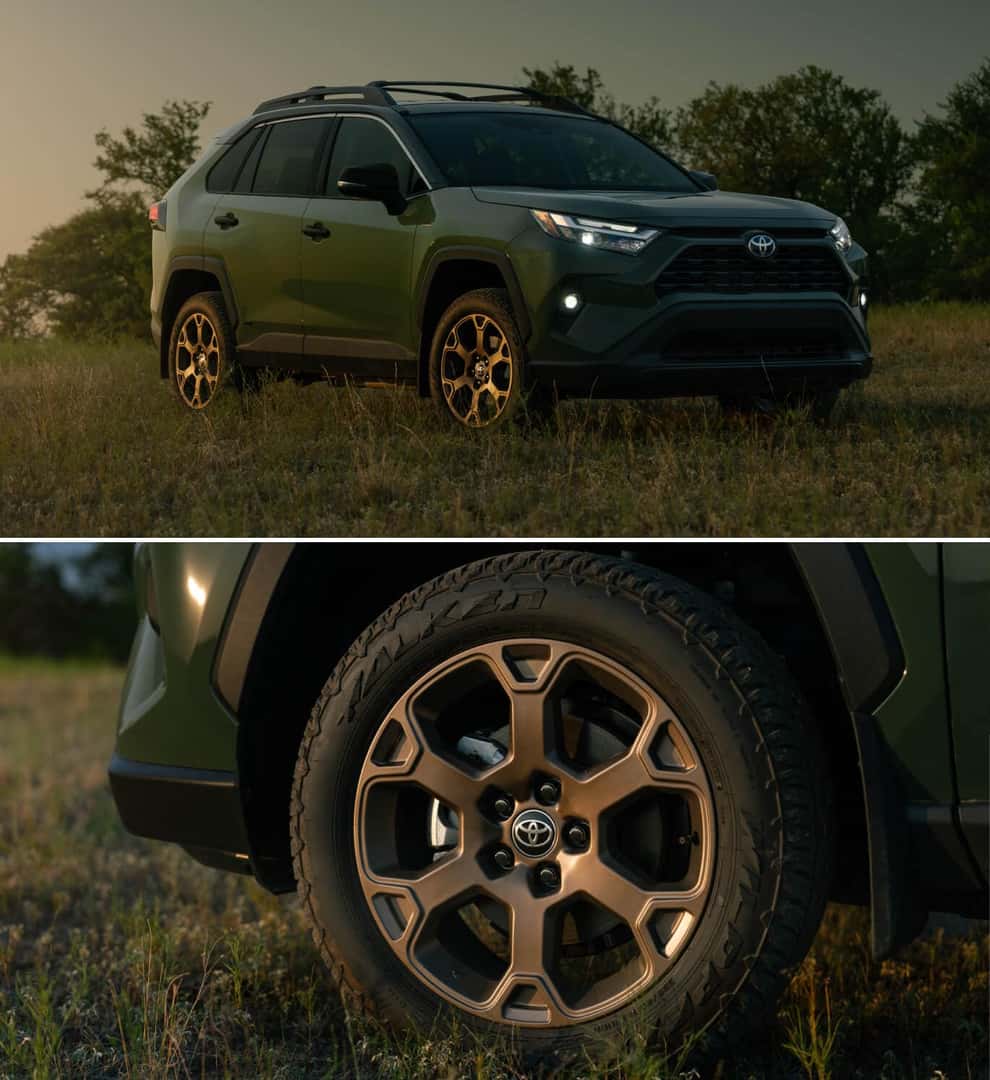
If you ask experienced off-roaders for the most important upgrade, many will say all-terrain tires. Your tires are the only part of your Rav4 that actually touch the ground. The right tires can turn a slippery, muddy mess into a fun adventure.
What Are All-terrain Tires?
All-terrain (A/T) tires are designed with deeper tread patterns and stronger sidewalls than regular street tires. This gives them better grip on dirt, sand, gravel, and wet grass. They also resist punctures from sharp rocks and debris.
Key Benefits
- Better traction off-road and in bad weather.
- Less likely to get stuck in mud or loose sand.
- More durable when driving on sharp rocks or rough roads.
How They Compare To Stock Tires
Let’s see a side-by-side comparison of typical Rav4 factory tires and a popular all-terrain tire.
| Feature | Stock Tire (e.g., Michelin Primacy) | All-Terrain Tire (e.g., Falken Wildpeak A/T) |
|---|---|---|
| Tread Depth | 8/32” | 13/32” |
| Puncture Resistance | Low | High |
| Off-Road Grip | Poor | Excellent |
| On-Road Noise | Quiet | Moderate |
| Fuel Efficiency | Good | Slightly lower |
What Beginners Miss
Many first-timers choose the most aggressive-looking tire they can find. But not all all-terrain tires are the same. Some are very noisy or rough on the road. Others wear out quickly if you drive mostly on pavement. Choose a tire that matches your real-world use.
If you do 90% city driving, a mild all-terrain will be more comfortable and last longer.
Also, if you add larger tires, check if they fit your Rav4’s wheel wells—especially if you haven’t lifted your suspension. Oversized tires can rub against the fenders or suspension parts.
Practical Tire Tips
- Rotate your tires regularly to avoid uneven wear.
- Check tire pressure often; off-road tires may lose air more easily.
- Carry a tire repair kit and a portable air compressor for emergencies.
Skid Plates
One of the biggest risks when off-roading is damaging the underside of your vehicle. The Rav4’s oil pan, transmission, and gas tank are all exposed from the factory. Skid plates act like armor, protecting these critical parts from rocks, logs, and debris.
How Skid Plates Work
A skid plate is a thick metal or composite shield that bolts to the underside of your Rav4. It covers vulnerable components so if you hit a rock or bottom out, the force is spread out and absorbed by the plate—not your engine or transmission.
There are different types of skid plates:
- Front skid plate – Protects the oil pan and lower engine.
- Transmission skid plate – Shields the transmission case.
- Fuel tank skid plate – Covers the gas tank (less common for Rav4, but available).
- Full underbody kits – Offer maximum protection, but are heavier and cost more.
Benefits Of Skid Plates
- Prevent expensive repairs from impacts.
- Build confidence to tackle harder trails.
- Can help with resale value if the plates prevent underbody damage.
What Beginners Miss
Many owners think skid plates are only for “serious” off-roading. In reality, even a small rock or tree branch can crack your oil pan or transmission case, leaving you stranded. Skid plates are cheap insurance, especially if you travel in remote areas.
Another common mistake: not checking the skid plate’s material and thickness. Aluminum plates are lighter but can dent more easily than steel. Steel is stronger but adds weight. Make sure the plate is at least 3/16” thick for real protection.
Installing Skid Plates
Most Rav4 skid plates are bolt-on. You’ll need basic tools and usually 1-2 hours for installation. Some plates require drilling, but many use factory mounting points.
Real-world Example
A Rav4 owner in Colorado installed a front skid plate before a trip to Moab, Utah. On their second day, they hit a hidden rock that bent the skid plate but left the oil pan untouched. Without the plate, they would have lost all engine oil and needed a tow.
Roof Racks And Storage Solutions
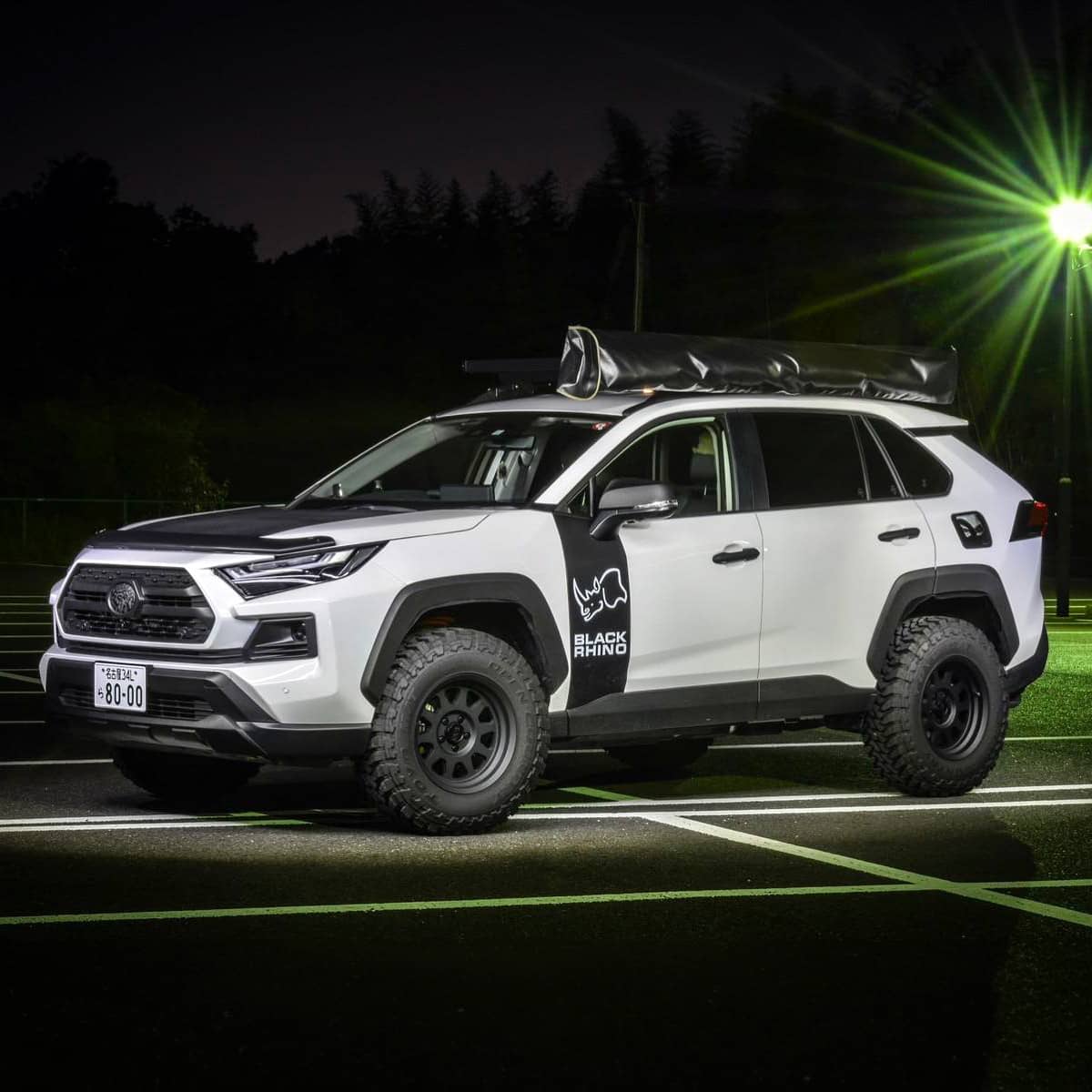
Off-roading often means carrying more gear: camping supplies, recovery tools, or even a kayak or mountain bike. The Rav4’s interior is spacious for a small SUV, but it fills up fast. This is where roof racks and storage solutions come in.
Why Upgrade Your Roof Storage?
A strong roof rack lets you carry more than just luggage. You can mount:
- Roof boxes for weatherproof storage
- Cargo baskets for odd-shaped gear
- Bike or kayak racks
- Awning mounts for shade or camping
Types Of Roof Racks
- Factory crossbars – Many Rav4s come with these. They’re fine for light loads but can flex or break with heavy use.
- Aftermarket crossbars – Stronger and usually made from aluminum or steel. Support more weight and have more mounting options.
- Full-length platforms – Cover the whole roof, allowing you to bolt on almost any accessory.
Let’s compare the main types:
| Type | Max Load (lbs) | Mounting Options | Weight |
|---|---|---|---|
| Factory Crossbars | 100-150 | Limited | Light |
| Aftermarket Crossbars | 150-200 | Moderate | Medium |
| Full-Length Platform | 200-300 | High | Heavy |
What Beginners Miss
Many owners overload their roof racks, risking damage or even roof collapse. Always check your Rav4’s roof weight limit (usually around 150 lbs for dynamic loads). Remember, the higher you pack your gear, the more your center of gravity shifts—this can affect handling.
Another common mistake is not securing gear properly. Off-road vibrations can loosen straps and bolts. Always use high-quality tie-downs, and check them at every stop.
Storage Accessories
- MOLLE panels for inside the cargo area let you organize tools, first aid kits, and small equipment.
- Drawer systems fit in the trunk and keep recovery gear or cooking supplies secure and easy to reach.
- Rear cargo barriers help keep loose items from flying forward if you stop suddenly.
Practical Example
A Rav4 owner who camps every weekend installed a full-length roof rack and uses a waterproof cargo box for tents and sleeping bags. This freed up enough interior space for their dog and a cooler. On a trip to the mountains, the cargo box kept all gear dry during heavy rain.
Credit: offroadium.com
Comparing The 4 Common Rav4 Off-road Upgrades
Let’s summarize and compare the four most common Rav4 off-road upgrades for quick reference:
| Upgrade | Main Benefit | Approximate Cost | Install Difficulty | Biggest Beginner Mistake |
|---|---|---|---|---|
| Suspension Lift Kit | Ground clearance | $300 – $1,200 | Medium – High | Ignoring alignment/handling changes |
| All-Terrain Tires | Off-road traction | $500 – $900 (set of 4) | Low | Choosing too aggressive for daily use |
| Skid Plates | Underbody protection | $200 – $600 | Low – Medium | Picking thin or weak material |
| Roof Racks & Storage | Gear capacity | $150 – $1,000+ | Low – Medium | Overloading or poor tie-downs |
Other Important Upgrades To Consider
While the four upgrades above are the most common, some owners go further with:
- Recovery gear: Like tow straps, traction boards, and portable winches.
- Lighting upgrades: LED light bars or spotlights for night driving.
- Snorkels: For water crossings (rare for Rav4 but possible).
These are less common but can be useful for serious off-roaders.
Credit: www.streettoyota.com
Practical Tips For Rav4 Off-road Upgrades
Before you start spending money, take time to plan:
- Set a budget. Off-road parts add up quickly. It’s better to do one upgrade well than several poorly.
- Think about your real use. If you only hit easy trails, a good set of all-terrain tires may be enough.
- Read real owner reviews. Forums and groups can help you find what works best for your Rav4 year and trim.
- Check your warranty. Some upgrades (like suspension lifts) can affect your Toyota warranty. Ask your dealer before making big changes.
- Do one upgrade at a time if you’re new. This way, you can feel the difference and avoid problems.
Common Mistakes To Avoid
- Ignoring alignment after a lift kit: Not realigning your wheels can lead to uneven tire wear and poor handling.
- Choosing the wrong tires: Aggressive tires are not always better. If you drive mostly on pavement, you’ll regret noisy, rough all-terrains.
- Skipping underbody protection: Even mild off-roading can hit vital parts. Don’t wait until it’s too late.
- Overloading roof racks: Stay within the rated limits to avoid damaging your Rav4 or risking an accident.
- Not upgrading in stages: Changing everything at once can be overwhelming and expensive. Take your time to learn what works.
Credit: www.wheelpros.com
Real-world Stories
Rav4 off-road groups are full of stories about trips that went well—and some that didn’t. One owner in Oregon lifted their Rav4, added all-terrain tires, and tackled some local forest roads. After scraping their oil pan on a rock, they realized they needed a skid plate.
Another driver loaded too much on their roof rack and heard a loud pop—the factory crossbars bent, ruining their trip.
The most successful owners are those who learn from others, do their research, and upgrade carefully. For more inspiration, many share their builds and trail stories on the Toyota 4Runner Forum, which also covers Rav4s.
FAQs Of Common Rav4 Off-Road Upgrades
What Is The First Off-road Upgrade I Should Make To My Rav4?
For most people, all-terrain tires are the best first upgrade. They give the biggest improvement in off-road traction and safety. If you drive mostly on mild trails, start here before buying a lift kit or skid plates.
Can I Install A Lift Kit And Bigger Tires Without Ruining My Rav4’s Warranty?
This depends on your dealer and the laws in your country. Some dealers are fine with mild lift kits, while others may void your suspension warranty. Always ask before installing, and keep all receipts in case you need to reverse the changes.
Are Skid Plates Necessary For Light Off-roading?
Even for light off-roading, skid plates can save you from expensive damage. A small rock or tree branch can puncture your oil pan or transmission case, especially if you’re not paying attention.
How Much Weight Can The Rav4’s Roof Rack Safely Carry?
Most Rav4s can carry 100-150 lbs on the roof when driving. This includes the weight of the rack itself. Never exceed this, and check your owner’s manual for exact numbers. For rooftop tents, always check both static (parked) and dynamic (driving) weight limits.
What Are Common Mistakes When Upgrading For Off-road Use?
The biggest mistakes are choosing tires that are too aggressive for daily driving, not realigning after a lift kit, and overloading roof racks. Also, some people skip underbody protection, which can lead to major repairs after one bad hit.
Upgrading your Rav4 for off-road adventures is rewarding, but it pays to plan carefully. Start with the basics, learn from others, and enjoy exploring new trails with confidence. With the right upgrades, your Rav4 can be more than just a family SUV—it can be your ticket to adventure.
Disclosure: As an Amazon Associate, I may earn from qualifying purchases at no extra cost to you. Amazon and the Amazon logo are trademarks of Amazon.com, Inc, or its affiliates.
- Amazon, Amazon Prime, the Amazon logo and Amazon Prime logo are trademarks of Amazon. com, Inc. or its affiliates.

I am Sadman, the founder of CarSensorHub.com, where I share my passion for cars and technology. I specialize in writing detailed reviews and helpful guides on car gadgets, accessories, safety tools and many more. My mission is to help car owners discover the best products and tips to improve their driving experience and stay safe on the road.


