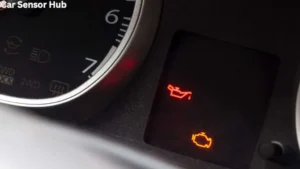
Toyota Camry Oil Pressure Sensor Problems
If you drive a Toyota Camry, you expect it to be reliable. This car has a strong reputation for lasting many years with few issues. But even the most dependable vehicles can face problems, and one hidden trouble spot is the oil pressure sensor. It’s a small part with a big job: it monitors your engine’s oil pressure and warns you if something goes wrong. When this sensor fails, it can lead to confusion, engine damage, or even unexpected repair bills.
Understanding the symptoms, causes, and solutions for Toyota Camry oil pressure sensor problems can help you catch issues early. With the right knowledge, you can avoid costly mistakes and keep your Camry running smoothly for years. This guide covers everything you need to know, from how the sensor works to real-world advice and common pitfalls owners face.
What Is An Oil Pressure Sensor?
The oil pressure sensor is a small electrical device attached to your Camry’s engine block. Its main job is to measure the amount of oil pressure inside the engine. If the oil pressure drops too low, the sensor sends a signal to your dashboard, often lighting up the oil warning lamp. Low oil pressure can mean the engine is not getting enough lubrication, which can damage moving parts and lead to engine failure.
In most Toyota Camry models, the sensor is connected to the car’s computer and dashboard warning system. When the sensor works correctly, it helps prevent engine damage. But when it fails, it can give false warnings—or worse, fail to warn you about real trouble.
How The Oil Pressure Sensor Works
The oil pressure sensor in the Toyota Camry is often called a switch or sender. It usually has a threaded body that screws directly into the engine’s oil passage. Inside, there’s a diaphragm that moves in response to oil pressure. This movement triggers an electrical signal sent to the car’s computer or gauge cluster.
Most Camry models use a simple on/off switch type sensor. If oil pressure drops below a certain point (usually around 5-10 psi), the sensor closes the circuit and turns on the oil warning light. Higher trims or newer Camrys might use a more advanced sensor that sends a variable signal, allowing a gauge to show the actual oil pressure.
Not all sensors are created equal. Aftermarket sensors can sometimes be less accurate or fail sooner than original parts. Using the correct type for your Camry’s year and engine is critical.
Common Symptoms Of Oil Pressure Sensor Problems
Oil pressure sensor issues often show similar signs. But the same symptoms can also mean other engine problems, so it’s important to check carefully.
- Oil warning light stays on: The most obvious sign is the oil warning light or message on your dashboard. If the light stays on even after you’ve checked the oil level and it’s full, the sensor might be faulty.
- Oil warning light flickers: If the light flickers while driving or at idle, it can mean the sensor is sending an erratic signal. Sometimes, it points to real oil pressure issues.
- False warnings: The sensor may trigger the light when the engine is cold or only at certain speeds, then go off again.
- No warning during real problems: A failed sensor may not alert you even if oil pressure drops dangerously low.
- Oil leaks near the sensor: Sometimes, oil can leak from around the sensor’s body or connector, especially if the housing cracks.
- Engine running rough or making noise: While not always linked to the sensor, a real oil pressure drop can cause ticking or knocking sounds from the engine. If you hear noises, take it seriously.
A common mistake is to ignore the warning light, assuming it’s a sensor glitch. This can destroy your engine if the oil pressure is actually low.
What Causes Oil Pressure Sensor Failure?
Understanding why the oil pressure sensor fails in a Toyota Camry can help you prevent future problems.
Age And Wear
Most sensors are designed to last many years, but heat, vibration, and oil exposure can cause them to break down. As a Camry gets older—especially after 100,000 miles—sensor failure becomes more likely.
Oil Contamination
Dirty or sludgy oil can clog the sensor’s small passages. Skipping oil changes or using poor-quality oil increases this risk. Once clogged, the sensor can give false readings or fail completely.
Physical Damage
Sensors can crack if overtightened during installation or if the engine is hit by road debris. Even a small crack can cause oil to leak and the sensor to malfunction.
Electrical Problems
Corroded connectors or damaged wiring can interrupt the signal between the sensor and the car’s computer. Moisture or oil getting into the connector is a frequent problem, especially in older Camrys.
Incorrect Parts
Installing the wrong sensor for your model year or engine can cause inaccurate readings. Aftermarket sensors may not meet Toyota’s specifications.
How To Diagnose A Faulty Oil Pressure Sensor
Diagnosing sensor problems can be tricky, because the symptoms often look like other engine issues. Here’s how to narrow it down:
- Check the oil level. Always start by checking the oil dipstick. Low oil can cause real pressure drops and light up the warning lamp.
- Inspect for leaks. Look around the sensor for oil leaks. A leaking sensor is likely bad.
- Listen for engine noises. If you hear knocking, ticking, or grinding, turn off the engine. Do not drive until you know oil is circulating properly.
- Scan for codes. Use a scan tool to check for trouble codes. Many Camrys will set a P0520 or similar code for oil pressure sensor circuit issues.
- Test the sensor. If you have basic tools, you can disconnect the sensor’s electrical connector and check for oil inside (a sign of failure). Use a multimeter to check continuity if it’s a switch type sensor.
- Manual oil pressure test. The best way to confirm oil pressure is with a mechanical gauge. Remove the sensor, install the test gauge, and run the engine. This tells you if the problem is the sensor or real low oil pressure.
A key insight: Even if you replace the sensor, always check the actual oil pressure with a gauge. Never trust a warning light alone if the engine sounds rough or the light comes on with proper oil level.
Typical Years And Engines Affected
While all Camry models can have oil pressure sensor issues, some years and engines are more likely to develop problems.
- 1997-2001 Camry (4-cylinder 5S-FE, V6 1MZ-FE): Sensors often fail due to age and oil sludge.
- 2002-2006 Camry (2AZ-FE, 1MZ-FE, 3MZ-FE): Some reports of sensor leaks and wiring issues.
- 2007-2011 Camry (2.4L, 2.5L, 3.5L V6): Fewer sensor failures, but oil leaks from the sensor are not rare.
- 2012-present (2AR-FE, 2GR-FE, hybrid models): Sensors are more reliable, but electrical problems or wrong part installation can cause trouble.
Camrys with high mileage, especially those with infrequent oil changes, see more sensor failures.
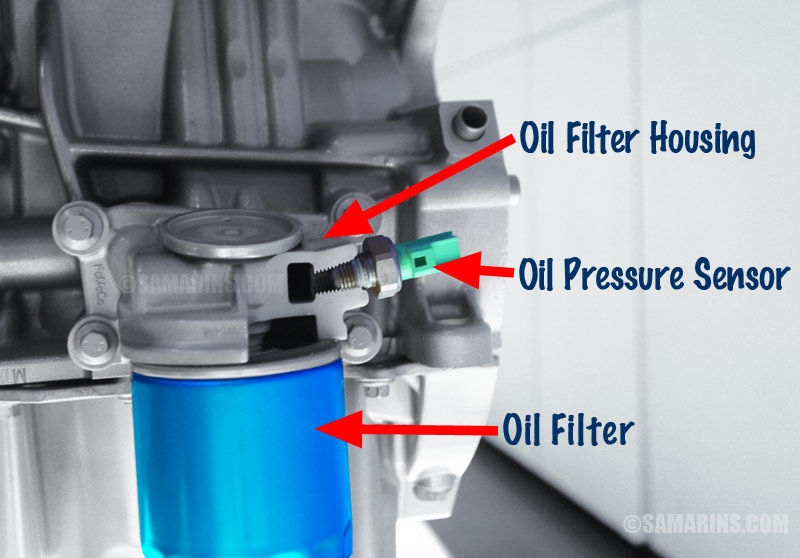
Credit: www.samarins.com
Real-world Example: 2008 Toyota Camry
Let’s look at a real-world case. A 2008 Camry owner noticed the oil warning light flickering at idle but going out at higher speeds. The oil level was fine. No strange noises came from the engine. A mechanic found the sensor connector soaked in oil.
After replacing the sensor and cleaning the connector, the problem disappeared.
This shows a classic sensor failure: false warning at idle, but no real oil pressure problem. However, the mechanic wisely checked the engine with a manual gauge to confirm safe oil pressure before clearing the warning.
Consequences Of Ignoring Sensor Problems
Ignoring a faulty oil pressure sensor in your Camry is risky. Here’s what can happen:
- Engine damage: If you get used to ignoring the oil warning light, you might miss a real oil pressure drop. This can ruin your engine in minutes.
- Oil leaks: A leaking sensor can cause oil to drip onto hot engine parts, increasing fire risk.
- Failed emissions tests: Some states will fail your car if warning lights are on, even if the sensor is the only problem.
- Annoying warnings: Constant dashboard beeping or messages can distract you while driving.
A key insight: Many drivers replace the sensor but don’t check for deeper problems like sludge or wiring damage. Always confirm there are no other engine issues.
How To Replace The Oil Pressure Sensor
Replacing a Toyota Camry oil pressure sensor is a moderate DIY job if you have basic tools. Here’s a step-by-step overview.
- Gather tools and parts: You’ll need a new OEM or high-quality sensor, a wrench (usually 24mm or 27mm), and possibly a socket extension.
- Let the engine cool: Sensors are mounted on a hot engine block.
- Locate the sensor: On most Camrys, it’s on the back or side of the engine, near the oil filter.
- Disconnect the battery: This prevents electrical shorts.
- Unplug the electrical connector: Carefully squeeze and pull the connector off.
- Remove the sensor: Use a deep socket or wrench to unscrew the sensor. Some oil may leak out.
- Clean the area: Wipe away any old oil or debris before installing the new sensor.
- Install the new sensor: Hand tighten, then snug with the wrench. Do not overtighten—this can crack the sensor.
- Reconnect the electrical connector.
- Reconnect the battery and start the engine: Check for leaks and confirm the warning light is off.
A common mistake: Overtightening the sensor or cross-threading it into the engine block. This can damage the threads and require major repairs.
Preventing Oil Pressure Sensor Problems
You can reduce the risk of sensor issues in your Toyota Camry with a few smart habits.
- Change oil regularly: Use the oil type and weight recommended in your owner’s manual. Dirty oil causes sludge, which can clog sensors.
- Inspect for leaks: Check the sensor area during oil changes for signs of oil or dirt buildup.
- Replace the sensor proactively: If your Camry is over 100,000 miles and you notice flickering warnings, consider replacing the sensor even if it hasn’t failed.
- Protect electrical connectors: Use dielectric grease on connectors to prevent corrosion.
- Avoid cheap parts: Stick to OEM or high-quality sensors. Cheap aftermarket sensors often fail early.
Many Camry owners overlook the sensor until there’s a warning light. By taking these steps, you’ll reduce the chance of surprise breakdowns.
Comparing Oil Pressure Sensor Costs
Let’s compare the costs involved in sensor replacement versus engine repairs due to undetected low oil pressure.
| Repair Type | Typical Cost | Time Required | Risk if Ignored |
|---|---|---|---|
| Oil Pressure Sensor Replacement | $50 – $150 | 30-60 minutes | False warnings, minor oil leaks |
| Manual Oil Pressure Test | $30 – $80 | 30-45 minutes | Missed real low oil pressure |
| Engine Repair (due to low oil pressure) | $2,500 – $5,000+ | Several days | Engine failure, car unusable |
Replacing the sensor is a small investment compared to the risk of ignoring real engine problems.
Oem Vs Aftermarket Oil Pressure Sensors
Choosing the right sensor matters. Here’s how OEM and aftermarket parts compare.
| Sensor Type | Reliability | Warranty | Price | Compatibility |
|---|---|---|---|---|
| OEM (Toyota Genuine) | High | 1 year or more | Higher ($60-$120) | Guaranteed fit |
| Aftermarket (High Quality) | Good | 6-12 months | Lower ($25-$60) | Check model/year |
| Aftermarket (Cheap Brands) | Poor | 30-90 days | Lowest ($10-$25) | May not fit, fails early |
An often-missed insight: Saving a few dollars with a cheap sensor can lead to repeated false warnings or leaks. For critical engine parts, quality matters more than a small price difference.

Credit: www.youtube.com
Diagnosing Related Problems
Sometimes, oil pressure sensor trouble is a sign of deeper engine issues. Here are other problems that can create similar symptoms:
- Clogged oil filter: If the filter is blocked, oil pressure drops. Always change the filter with the oil.
- Worn oil pump: High-mileage engines may have a weak oil pump. This causes low pressure and warning lights.
- Engine sludge: Thick, tar-like sludge from skipped oil changes can block oil passages and sensors.
- Wiring faults: Broken wires or loose connectors can imitate sensor failure.
- Faulty gauge cluster: Rarely, the dashboard itself has a problem, causing false warnings.
If a new sensor doesn’t solve the issue, it’s time for deeper diagnostic work.
How To Tell If It’s The Sensor Or Real Oil Pressure Loss
Many drivers wonder: Is my warning light a real danger, or just a bad sensor? Here’s how to tell:
- Check for engine noise: Real low oil pressure usually makes the engine noisy—knocking, ticking, or rattling.
- Manual pressure test: This is the gold standard. A mechanic (or skilled DIYer) can check oil pressure with a mechanical gauge. Normal hot idle oil pressure should be above 10 psi, and above 30-50 psi at higher RPMs.
- Sensor location and leaks: If oil leaks from the sensor body, it’s almost always a sensor problem.
- Code scan: If the car has a P0520 or similar code, it points to a sensor or wiring issue, not always real pressure loss.
If in doubt, never risk engine damage. Shut off the engine and check.
The Role Of Regular Maintenance
Regular maintenance is your best defense against oil pressure sensor problems. Camrys that receive timely oil changes, use the correct oil, and have sensors inspected during routine service rarely suffer major sensor failures.
Many owners only notice the sensor during a crisis. Ask your mechanic to inspect the sensor and wiring every 30,000 miles, especially if your Camry is over 10 years old.
Common Mistakes Toyota Camry Owners Make
Here are mistakes Camry owners often make when dealing with oil pressure sensor problems:
- Ignoring the oil warning light: Assuming it’s “just a bad sensor” can lead to engine failure.
- Using the wrong oil: Thicker or thinner oil than recommended can affect pressure and trigger warnings.
- Buying the cheapest sensor: Low-quality parts fail early and can cause leaks.
- Skipping manual pressure tests: Replacing the sensor without checking real oil pressure can hide deeper engine trouble.
- Not cleaning connectors: Oil-soaked or corroded connectors can cause false warnings even with a good sensor.
Learning from these mistakes can save you time, money, and stress.
When To See A Mechanic
While some Camry owners can change the sensor themselves, see a professional if:
- The warning light comes on with low oil level or engine noise.
- You don’t have the tools for a manual oil pressure test.
- The sensor is hard to reach (especially V6 engines).
- The warning returns after sensor replacement.
Professional mechanics have special tools and can spot related problems—like wiring faults or sludge—that DIYers may miss.
Warranty And Recall Information
Toyota has not issued major recalls for Camry oil pressure sensors in the US. However, some extended warranties may cover sensor replacement, especially if it leads to engine damage. Always check your warranty booklet or Toyota’s official website for up-to-date recall and warranty details.
If your Camry is still under powertrain warranty and the sensor fails, repair may be free. For older cars, this is usually considered a wear item and not covered.
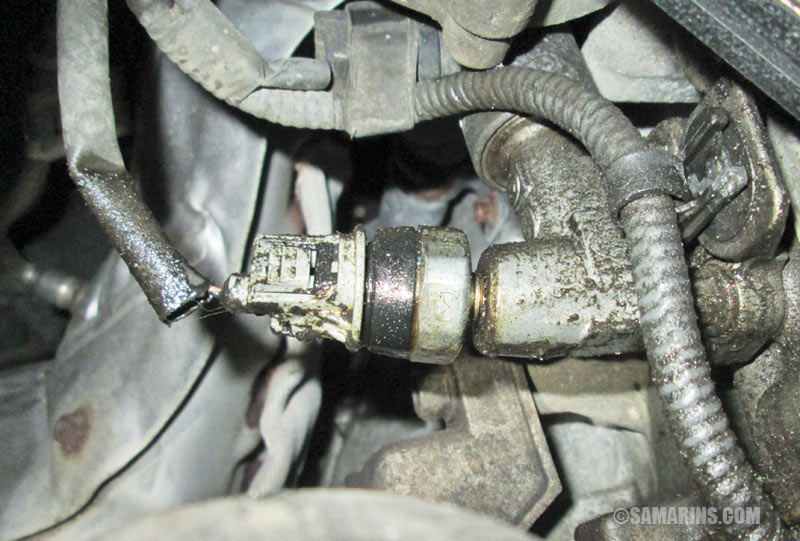
Credit: www.samarins.com
Diy Vs Professional Replacement
DIY replacement can save money, but it’s not for everyone.
| Replacement Method | Cost | Skill Level | Tools Needed | Risk |
|---|---|---|---|---|
| DIY | $25 – $120 (part only) | Moderate | Socket set, wrench | Possible leaks, overtightening |
| Professional | $100 – $250 (parts and labor) | None | None | Warranty on work |
If you’re not comfortable working around the engine, paying for a professional replacement is wise.
Long-term Impact On Your Camry
A working oil pressure sensor protects your engine for the long term. By catching low pressure early, it prevents expensive repairs and keeps your Camry reliable. Ignoring or bypassing the sensor puts your engine at risk.
Most Camrys can go 200,000+ miles with few major problems if sensors and oil are maintained. Neglecting the sensor can cut engine life in half.
Additional Resources
For more information on Toyota Camry maintenance and oil pressure systems, visit the official Toyota Owners site. This resource covers maintenance schedules, recalls, and technical tips for your Camry.
Frequently Asked Questions
What Does The Oil Pressure Sensor Do In A Toyota Camry?
The oil pressure sensor monitors the engine’s oil pressure and signals the dashboard warning light if pressure drops too low. It helps prevent engine damage by alerting you to lubrication problems before they get serious.
How Do I Know If My Oil Pressure Sensor Is Bad?
Common signs include the oil warning light staying on with correct oil level, the light flickering, or oil leaks around the sensor. Testing with a manual gauge confirms if the sensor or real pressure is the problem.
Can I Drive My Camry With A Bad Oil Pressure Sensor?
It’s risky. If the sensor fails, you might ignore real engine problems. If the warning light is on but the engine sounds normal and oil level is correct, drive only to a repair shop for diagnosis.
How Much Does It Cost To Replace The Oil Pressure Sensor?
Costs range from $50 to $150 for parts and labor, depending on the model year and repair shop. DIY replacement is cheaper but requires basic tools and care to avoid leaks.
Is The Oil Pressure Sensor Covered Under Warranty?
Usually, the sensor is only covered under the original powertrain warranty. Most Camrys out of warranty will need to pay for replacement. Check with Toyota or your warranty booklet for details.
A little knowledge about your Camry’s oil pressure sensor goes a long way. By understanding how it works, watching for warning signs, and acting fast, you’ll keep your Toyota running strong for years to come.
Disclosure: As an Amazon Associate, I may earn from qualifying purchases at no extra cost to you. Amazon and the Amazon logo are trademarks of Amazon.com, Inc, or its affiliates.
- Amazon, Amazon Prime, the Amazon logo and Amazon Prime logo are trademarks of Amazon. com, Inc. or its affiliates.

I am Sadman, the founder of CarSensorHub.com, where I share my passion for cars and technology. I specialize in writing detailed reviews and helpful guides on car gadgets, accessories, safety tools and many more. My mission is to help car owners discover the best products and tips to improve their driving experience and stay safe on the road.