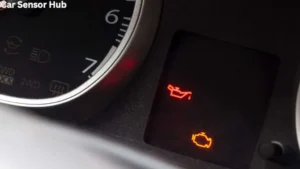
The Jeep Wrangler is famous for its rugged design, off-road performance, and loyal fan base. But even the toughest vehicles have small parts that play a big role. One such part is the oil pressure sensor—sometimes called the oil pressure switch or sender. If you own a Jeep Wrangler, understanding this sensor is more important than you may think. Oil pressure issues can lead to engine damage, breakdowns, and expensive repairs. This article will guide you through everything you need to know about the Jeep Wrangler oil pressure sensor: how it works, signs it’s failing, how to fix it, and tips to keep your engine running smoothly.
What Is An Oil Pressure Sensor?
The oil pressure sensor is a small electrical device screwed into your engine. Its job is simple but crucial: it measures the oil pressure inside the engine and sends this information to your vehicle’s computer or dashboard gauge. When you turn on your Wrangler, the sensor checks if the oil pressure is within a safe range. If it’s too low, the sensor triggers a warning light on your dashboard.
Some people call it an oil pressure switch or oil sender. These terms are often used interchangeably. On newer Jeeps, the sensor can also send data to the engine control module (ECM), which helps adjust engine performance for better efficiency and protection.
The oil pressure sensor is vital because oil is the lifeblood of your engine. Without enough oil pressure, engine parts can grind together, overheat, or seize up. That’s why even a small sensor plays a big part in keeping your Jeep running strong.
Why Is The Oil Pressure Sensor Important In A Jeep Wrangler?
The Jeep Wrangler is built for adventure: rocky trails, muddy fields, and long highway drives. In these conditions, the engine works harder than in most cars. Engine oil keeps everything lubricated and cool, but if the oil pressure drops, even for a short time, the risk of damage rises fast.
An accurate oil pressure sensor helps in three main ways:
- Prevents Engine Damage: It warns you if oil pressure gets dangerously low, so you can stop the engine and avoid big repairs.
- Improves Engine Performance: The sensor gives data to the computer, which can adjust fuel and timing for the best performance.
- Safety: It gives you peace of mind, knowing you’ll be warned of problems before they get serious.
A faulty sensor can give false readings, making you think there’s a problem when there isn’t—or worse, missing a real drop in oil pressure until it’s too late.
How Does A Jeep Wrangler Oil Pressure Sensor Work?
The sensor has a pressure-sensitive diaphragm inside. When the engine runs, oil flows past the sensor. If the oil pressure is within the correct range, the diaphragm moves and completes an electrical circuit. This sends a signal to the gauge or warning light.
On some Wranglers, the sensor sends a simple “on or off” signal (like a switch). On others, especially newer models, it sends variable data to the ECM, which then shows the oil pressure on the dashboard gauge.
Here’s a basic flow:
- Engine starts → oil pump builds pressure → sensor detects pressure → signal sent to gauge/ECM → dashboard shows pressure or warning light.
If the oil pressure drops (from low oil, a failing pump, or a leak), the sensor’s signal changes, and the warning light comes on.
Types Of Oil Pressure Sensors In Jeep Wranglers
There are a few main types used in Jeep Wranglers over the years:
- Simple Switch Type: Used in older Wranglers. It acts like a light switch—if the pressure is good, the circuit is closed; if not, it’s open and the warning light comes on.
- Variable Resistor (Sender) Type: Common in newer models. This type changes resistance depending on pressure, allowing the gauge to show actual numbers, not just “good” or “bad.”
- Digital Sensors: On the latest Wranglers, sensors may send digital signals directly to the ECM for more precise readings.
Here’s a quick comparison of sensor types across Wrangler generations:
| Wrangler Model Year | Sensor Type | Dash Display |
|---|---|---|
| YJ (1987-1995) | Switch/Sender | Warning Light/Gauge |
| TJ (1997-2006) | Sender | Gauge |
| JK (2007-2018) | Variable Sender | Digital Gauge |
| JL (2018+) | Digital Sensor | Digital Display |
Note: The exact sensor varies by engine size and model year. Always check your owner’s manual or parts diagram.
Common Signs Of A Bad Oil Pressure Sensor In A Jeep Wrangler
A failing oil pressure sensor can cause confusing symptoms. Here are the most common signs:
1. Oil Pressure Warning Light
If your dashboard suddenly shows the oil pressure warning light (often looks like an oil can), but the engine sounds and feels normal, the sensor may be faulty. Don’t ignore the light, but remember: a bad sensor can trigger a false alarm.
2. Fluctuating Or Inaccurate Oil Pressure Gauge
If the gauge needle jumps up and down, or shows zero pressure for a few seconds before returning to normal, the sensor may be the problem. This is especially common on JK and JL models.
3. Engine Ticking Or Knocking Sounds
Low oil pressure can cause engine noises. But sometimes, a bad sensor makes you think the pressure is low when it’s not. Always check the oil level and listen to your engine.
4. Oil Leaks At The Sensor
Oil pressure sensors can develop leaks where they screw into the engine. If you see oil on the sensor or nearby wiring, inspect it carefully.
5. Check Engine Light (cel) Or Error Codes
Modern Wranglers may show a check engine light if the sensor circuit has a problem. Common error codes include P0520 (Oil Pressure Sensor/Switch Circuit) and P0522 (Low Voltage).
Tip: If you see any of these symptoms, don’t panic. First, check your oil level. If it’s full, the sensor may be the issue. If the engine is noisy or the oil is low, shut off the engine and investigate further.
How To Test A Jeep Wrangler Oil Pressure Sensor
Before replacing the sensor, it’s smart to test it. Here’s a step-by-step guide:
- Check Oil Level: Make sure the engine has enough oil. Low oil can cause real pressure problems.
- Look for Oil Leaks: Inspect the sensor for leaks or damage.
- Scan for Error Codes: Use an OBD-II scanner to read any codes. Codes like P0520 or P0522 suggest a sensor issue.
- Manual Test: If you have a multimeter, you can test the sensor’s electrical connection. On a simple switch, check for continuity with the engine off and on. On a sender, measure resistance and compare to factory specs.
- Mechanical Test: For a more accurate check, use a mechanical oil pressure gauge. Remove the sensor, screw in the gauge, start the engine, and read the actual oil pressure. Compare it to Jeep’s specs (usually 20-60 psi at idle, depending on engine and model).
If the manual or mechanical test shows normal pressure but your dashboard says otherwise, the sensor is likely bad.

Credit: www.ebay.com
How To Replace A Jeep Wrangler Oil Pressure Sensor
Replacing the oil pressure sensor on a Jeep Wrangler is a job many owners can handle with basic tools. Here’s a step-by-step guide:
Tools And Parts Needed
- New oil pressure sensor (make sure it matches your engine/model year)
- Socket set (usually a 27mm or 1-1/16” deep socket)
- Ratchet and extension
- Thread sealant (if needed)
- Clean rags
Steps
- Disconnect the Battery: Always disconnect the negative battery cable before working on sensors.
- Locate the Sensor: It’s usually near the oil filter or on the side of the engine block. Check your manual for the exact spot.
- Unplug the Sensor: Press the tab and gently pull the connector off.
- Remove the Old Sensor: Use the deep socket to unscrew the sensor. Be careful—some oil may leak out.
- Prepare the New Sensor: If required, add a small amount of thread sealant to the threads (not the tip).
- Install the New Sensor: Screw it in by hand, then tighten with the socket. Don’t overtighten.
- Reconnect the Connector: Push the plug onto the new sensor until it clicks.
- Reconnect the Battery: Tighten the negative cable.
- Start the Engine: Check for leaks and make sure the warning light is off.
Pro Tip: On some Wranglers, access is tight. Removing the air intake tube or other parts can make the job easier.
Jeep Wrangler Oil Pressure Sensor Location By Engine
Depending on your Wrangler’s engine, the sensor location may change:
- 4.0L Inline-6 (YJ, TJ): Usually on the driver’s side, near the rear of the engine block, above the oil filter.
- 3.6L V6 (JK, JL): On the top rear of the engine, near the intake manifold.
- 2.0L Turbo (JL): Near the oil filter housing.
- 2.5L/4.2L (Older YJ): On the side of the engine, near the oil filter.
Always double-check with your repair manual or a trusted Jeep forum for your exact year and model.
Choosing The Right Oil Pressure Sensor For Your Jeep Wrangler
Not all oil pressure sensors are the same. Here are some factors to consider when buying a replacement:
1. Compatibility
Check your Wrangler’s year, engine type, and trim. Sensors are specific to engine size and sometimes to transmission type.
2. Quality And Brand
OEM (original equipment manufacturer) sensors usually last longer and are more reliable. Aftermarket sensors can work well, but quality varies.
3. Price
Sensors range from $15 to $60. Cheaper isn’t always better; a failed sensor can cause costly engine problems.
4. Warranty
Look for sensors with at least a one-year warranty.
5. Reviews
Read reviews from other Wrangler owners. Some brands are known for better fit and reliability.
Here’s a quick comparison of popular sensor brands:
| Brand | OEM Compatible | Price Range | Warranty |
|---|---|---|---|
| Mopar | Yes | $40–$60 | 12 Months |
| Dorman | Yes | $20–$35 | 12 Months |
| Standard Motor Products | Yes | $25–$40 | 12 Months |
| Aftermarket (Various) | No/Yes | $15–$30 | Varies |
Preventing Oil Pressure Sensor Problems
While sensors can fail due to age or factory defects, you can extend their life and avoid false alarms with some easy habits:
- Regular Oil Changes: Dirty oil can clog the sensor or cause false readings.
- Use Quality Oil and Filters: Cheap oil can break down and leave sludge, affecting sensor accuracy.
- Check for Oil Leaks: Oil near the sensor can cause it to fail or give wrong readings.
- Inspect Wiring: Damaged or corroded wires can cause sensor problems.
- Avoid Over-Tightening: When replacing the sensor, don’t over-tighten or use too much sealant.
Many Jeep owners overlook the wiring and connectors. Vibration and off-road driving can loosen connections or crack wires. If your sensor keeps failing, check the wiring harness.
Non-obvious Insights For Wrangler Owners
- Sensor Issues Can Mimic Bigger Problems: Many owners worry about low oil pressure when the real problem is just a bad sensor. Always test the sensor before assuming the worst.
- Aftermarket Sensors May Read Differently: Some non-OEM sensors don’t match factory gauge readings perfectly. This can cause confusion, especially if you use your Jeep for towing or off-roading.
- Dashboard Gauge Is Not Always Accurate: Even with a good sensor, the dash gauge is often “damped” (smoothed out by the computer), so it doesn’t show small pressure changes. Always trust a mechanical gauge for precise readings.
- Oil Pressure Drops at Idle Are Normal: Some owners panic when pressure drops at idle (especially after hard driving). As long as it stays above the minimum spec (usually 10-15 psi at hot idle), this is normal.
- Sensor Location Makes a Difference: On some engines, the sensor is at the top, not the bottom. This means it reacts slower to pressure changes after startup. Don’t worry if it takes a second for the gauge to move.
Real-world Example: Diagnosing A 2012 Wrangler Jk
A Jeep owner noticed the oil pressure warning light flashing on his 2012 Wrangler JK, even though the oil level was full and the engine sounded fine. A shop scanned the code and found P0520 (Oil Pressure Sensor/Switch Circuit). They replaced the sensor with a cheap aftermarket part, but the warning light came back a week later.
The mechanic then used a mechanical gauge and found oil pressure was actually normal. The fix? Installing a quality OEM sensor solved the problem for good.
This story shows two key lessons: always confirm with a mechanical gauge, and don’t cheap out on replacement parts.
Credit: wrangleryjforum.com
Costs: Oil Pressure Sensor Replacement
Replacing the oil pressure sensor on a Jeep Wrangler is not very expensive:
- Part Cost: $15–$60, depending on brand and model.
- Labor Cost: $50–$150 at a shop, depending on difficulty and local rates.
- DIY Savings: Most owners can do the job at home in under an hour.
Compared to a $3,000+ engine rebuild, replacing a sensor is cheap insurance.
Diy Vs. Professional Replacement
Should you change the oil pressure sensor yourself or take it to a mechanic? Here’s a comparison:
| Factor | DIY | Professional |
|---|---|---|
| Cost | Low (parts only) | Higher (parts + labor) |
| Skill Needed | Basic tools/skills | None |
| Time Required | 30–60 minutes | Varies (shop schedule) |
| Risk of Mistakes | Possible if inexperienced | Low |
| Warranty | Parts only | Parts and labor |
If you’re comfortable with basic car repairs, DIY is a good option. If you’re unsure or your engine is hard to reach, a shop may be safer.
When To Worry: Real Vs. False Oil Pressure Alarms
One of the biggest fears for Jeep owners is seeing the oil pressure light and not knowing if it’s serious. Here’s how to tell the difference:
- If the engine is noisy (ticking, knocking) and the light is on: Shut off the engine immediately. This may be a real oil pressure problem.
- If the engine runs smoothly, oil level is good, but the light flickers or stays on: Likely a sensor or wiring issue. Still, check with a mechanical gauge to be sure.
- If the warning light only comes on at idle after hot driving: This is often normal, but check the actual pressure if you’re concerned.
Never ignore an oil pressure warning. False alarms are common, but so are real problems. A quick check can save you thousands.
How To Extend The Life Of Your Oil Pressure Sensor
Besides regular maintenance, here are some tips:
- Avoid Engine Sludge: Use synthetic oil if possible, and don’t stretch oil change intervals.
- Check Sensor Torque: Over-tightening can crack the sensor or damage threads.
- Protect the Harness: Off-roading can snag or break wires. Secure the harness with clips or zip ties.
- Replace with Quality Parts: Cheap sensors can fail quickly or give bad readings.

Credit: www.youtube.com
Oil Pressure Sensor Recalls And Tsbs (technical Service Bulletins)
While not common, some Jeep Wranglers have had recalls or TSBs related to oil pressure sensors. For example, some 2012–2013 JK models had issues with faulty sensors causing false warnings. Jeep issued technical bulletins to address these problems. Always check with your dealer or the NHTSA for current recalls.
Frequently Asked Questions
What Happens If I Drive With A Bad Oil Pressure Sensor?
If the sensor is bad but oil pressure is actually normal, you might just see a warning light or wrong gauge reading. But if the sensor is right and the pressure is actually low, driving can destroy your engine. Always double-check with a mechanical gauge if you’re unsure.
How Long Does A Jeep Wrangler Oil Pressure Sensor Last?
Most sensors last 5–10 years, or 60,000–100,000 miles. Off-road use, high heat, and poor oil quality can shorten its life.
Can I Clean An Oil Pressure Sensor Instead Of Replacing It?
In rare cases, you can clean the connector if it’s dirty or oily. But the sensor itself usually isn’t cleanable—if it fails, replacement is the best option.
Are Oil Pressure Sensors The Same As Oil Level Sensors?
No, they’re different. Oil pressure sensors measure pressure inside the engine; oil level sensors measure how much oil is in the pan. Some vehicles have both, but most Wranglers use only a pressure sensor.
Where Can I Find More Information About Jeep Wrangler Maintenance?
The best sources are your owner’s manual, trusted Jeep forums, or official sites like Jeep.com for maintenance schedules and part diagrams.
Taking care of your Jeep Wrangler oil pressure sensor is a simple but important part of vehicle ownership. By understanding how it works, knowing the signs of trouble, and choosing the right replacement, you can protect your engine and enjoy worry-free adventures on and off the road. With a bit of knowledge and attention, your Wrangler will keep rolling strong for years to come.
Disclosure: As an Amazon Associate, I may earn from qualifying purchases at no extra cost to you. Amazon and the Amazon logo are trademarks of Amazon.com, Inc, or its affiliates.
- Amazon, Amazon Prime, the Amazon logo and Amazon Prime logo are trademarks of Amazon. com, Inc. or its affiliates.

I am Sadman, the founder of CarSensorHub.com, where I share my passion for cars and technology. I specialize in writing detailed reviews and helpful guides on car gadgets, accessories, safety tools and many more. My mission is to help car owners discover the best products and tips to improve their driving experience and stay safe on the road.