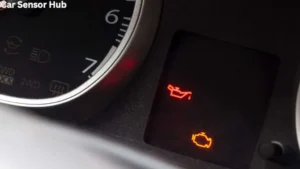
When you see the oil pressure warning light or a strange gauge reading in your Nissan, it’s natural to worry. Low oil pressure can cause serious engine damage, but sometimes, the problem is not real oil pressure—it’s a false reading from the oil pressure sensor. Diagnosing this issue can save you from expensive repairs and unnecessary stress. Let’s explore how to identify, diagnose, and fix false oil pressure readings in your Nissan, using clear steps, real examples, and practical advice.
What Is The Oil Pressure Sensor In A Nissan?
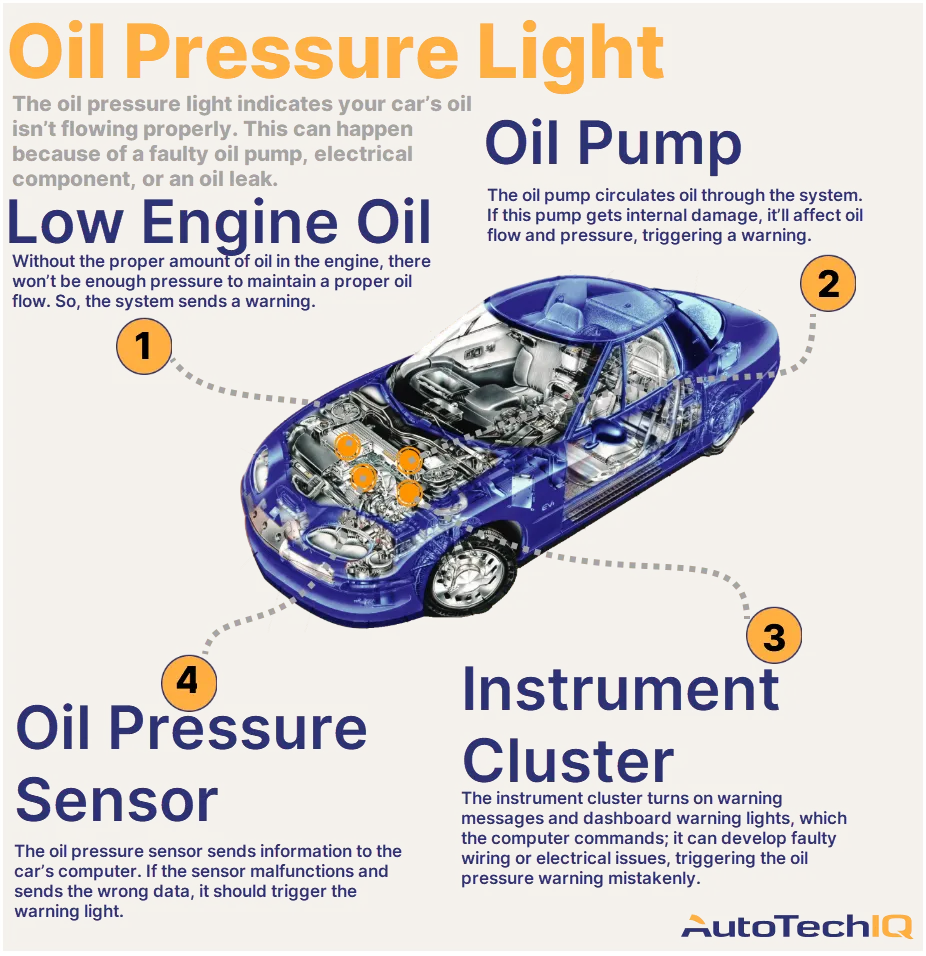
The oil pressure sensor, sometimes called the oil pressure switch or sender, is a small but important part of your Nissan’s engine. Its main job is to measure the pressure of oil inside the engine and send this information to the car’s computer or the dashboard gauge. If the oil pressure falls below a safe level, the sensor alerts you with a warning light or message.
Nissans have used different types of oil pressure sensors over the years. Some models have a simple on/off switch, while others use a variable sensor that sends exact pressure values. Older vehicles often have a basic sensor, while newer models, like the Altima, Rogue, and Titan, use advanced sensors connected to the car’s electronic systems.
A working oil pressure sensor helps you keep your engine safe. But like any part, it can fail or give false readings. Knowing how it works is the first step to a proper diagnosis.
How The Oil Pressure Sensor Works
The oil pressure sensor is usually screwed into a passage in the engine block, where it can “feel” the oil pressure directly. When you start the engine, the oil pump pushes oil through the engine. The sensor senses this pressure and sends an electrical signal to the car’s computer.
- In older cars: If pressure is too low, the sensor completes a circuit and lights up the oil warning light.
- In modern cars: The sensor sends a voltage signal that matches the actual oil pressure. The computer uses this data to show a gauge reading or trigger warnings.
The sensor’s readings depend on proper installation, engine oil level, and clean passages inside the engine. Dirt, sludge, or incorrect installation can cause problems even if the sensor itself is good.
Common Signs Of A False Oil Pressure Reading
Many Nissan owners panic when they see the oil light or a low reading on the oil pressure gauge. But not every warning means real trouble. Here’s how to spot a false oil pressure reading:
- Oil pressure warning light comes on at idle, but goes off at higher RPMs.
- Gauge shows zero or maximum pressure, but the engine sounds normal.
- Warning comes and goes without a pattern.
- No engine noises like ticking or knocking.
- Recent oil change or sensor replacement before warnings started.
If you notice these signs, don’t rush to replace the oil pump or open the engine. The problem could be the sensor or wiring.
Reasons For False Oil Pressure Sensor Readings
Let’s dig deeper into why your Nissan might show a false oil pressure warning. Each cause needs a different approach.
1. Faulty Oil Pressure Sensor
Sensors wear out over time. The internal parts can fail or get clogged with sludge, leading to inaccurate readings.
2. Wiring And Connector Issues
Loose, corroded, or damaged wires can break the signal from the sensor to the computer. Water, oil, or road salt can cause problems, especially in older vehicles.
3. Wrong Oil Filter Or Oil Type
Using a non-Nissan oil filter or the wrong oil can affect pressure. Some aftermarket filters restrict flow, which can trigger a false warning.
4. Dirty Or Blocked Oil Passages
Sludge or debris inside the sensor’s hole or the engine block can “trick” the sensor. Even if oil pressure is fine, the sensor can’t read it.
5. Recent Service Mistakes
Incorrect sensor installation, over-tightening, or using Teflon tape on sensor threads can block the sensor’s port.
6. Computer Or Instrument Cluster Faults
In rare cases, the car’s computer or dashboard cluster misreads the sensor’s signal, causing a false warning.
7. Extreme Temperatures
Very cold or hot weather can sometimes cause sensors to give incorrect readings for a short time.
How To Diagnose A Nissan Oil Pressure Sensor False Reading
Finding the real cause of a false oil pressure reading takes patience and the right steps. Here’s a reliable approach, used by professional mechanics.
Step 1: Check For Engine Noise
Before anything, listen to the engine. If you hear loud ticking, knocking, or grinding, stop the engine immediately—real oil pressure might be low. If the engine sounds normal, you can safely continue diagnosis.
Step 2: Inspect The Oil Level And Condition
Check the oil level with the dipstick. Low oil can cause both real and false warnings. Also, look at oil color and smell. Dirty or burnt oil may point to maintenance problems.
- Add oil if needed, but do not overfill.
- Change the oil if it’s overdue or looks dirty.
Step 3: Scan For Trouble Codes
Modern Nissans will store trouble codes in the computer if they detect sensor problems. Use an OBD2 scanner to check for codes like P0520 (oil pressure sensor circuit). Write down any codes and clear them after repairs.
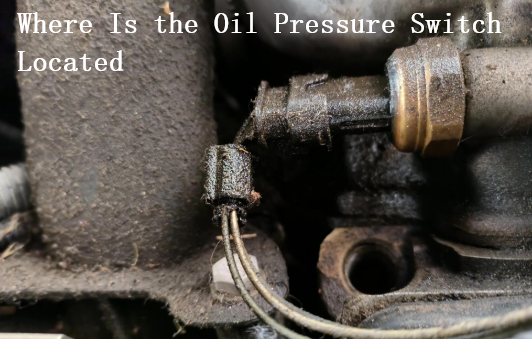
Step 4: Visual Inspection Of Sensor And Wiring
Carefully inspect the sensor area:
- Look for oil leaks around the sensor.
- Check the connector for corrosion or loose pins.
- Follow the wiring for damage or rubbing.
- Clean any dirt or debris.
If the sensor is soaked in oil or the connector is broken, replace or repair them before going further.
Step 5: Compare With A Mechanical Oil Pressure Test
This is the most accurate way to check for a false reading. A mechanical oil pressure gauge screws into the sensor’s hole and gives a real-time reading.
- Remove the oil pressure sensor.
- Install the mechanical gauge.
- Start the engine and note the pressure at idle and at 2,000 RPM.
- Compare the readings to Nissan’s specifications (usually 10-20 psi at idle, 40-60 psi at higher RPM, but check your model’s manual).
If the gauge shows good pressure, but the dash warning remains, you have a false reading.
Step 6: Replace The Oil Pressure Sensor
If all tests point to the sensor, replace it with a genuine Nissan part. Aftermarket sensors can cause issues. Always torque the sensor to the correct specification and never use Teflon tape unless Nissan recommends it.
Step 7: Test The System Again
After replacing the sensor, clear codes and drive the car. Watch for warning lights or strange gauge behavior. If the problem is gone, you’ve solved it.
Real-world Example: Nissan Altima Oil Pressure Sensor Issue
A 2014 Nissan Altima owner noticed the oil pressure warning light at idle after a quick lube oil change. The engine sounded fine, and oil level was correct. A mechanical gauge test showed normal pressure. The shop found the oil pressure sensor connector was loose due to a rushed oil change.
After cleaning and securing the connector, the warning disappeared.
Insight: Quick lube shops sometimes knock wires loose. Always double-check connectors after service.
Important Differences: Real Vs. False Low Oil Pressure
It’s vital to know the difference between a false sensor reading and true low oil pressure. Here’s a simple comparison:
| Sign | False Reading | Real Low Pressure |
|---|---|---|
| Engine Noise | None | Ticking/Knocking |
| Oil Level | Normal | Low or Empty |
| Gauge Behavior | Erratic, stuck, or always zero/full | Consistently low |
| After Sensor Change | Problem fixed | No change |
Never ignore engine noise or ignore the warning if the oil level is low.
Common Nissan Models Affected By Oil Pressure Sensor Issues
Some Nissan models are more likely to have oil pressure sensor problems, especially as they age.
- Nissan Altima (2007–2018): Sensor failures and wiring issues.
- Nissan Rogue (2014–2020): False warnings after oil changes.
- Nissan Sentra (2013–2017): Cheap aftermarket sensors causing issues.
- Nissan Frontier (2005–2019): Sensor leaks and connector corrosion.
- Nissan Titan (2004–2015): Blocked sensor ports due to sludge.
If you drive one of these, regular sensor checks are smart.
Testing And Replacing The Nissan Oil Pressure Sensor
Replacing an oil pressure sensor is a common repair, but doing it the right way prevents repeat problems. Here’s how:
Tools And Parts Needed
- New Nissan oil pressure sensor (OEM recommended)
- Socket set (usually 24mm or 27mm deep socket)
- Mechanical oil pressure gauge (for testing)
- Rags, gloves, and safety glasses
Steps To Replace
- Let the engine cool.
- Disconnect the battery for safety.
- Find the oil pressure sensor—usually near the oil filter or on the engine block.
- Unplug the sensor’s connector.
- Remove the sensor with a deep socket.
- Clean the area; check for sludge or debris.
- Install the new sensor; tighten to spec.
- Reconnect the connector.
- Start the engine and check for leaks.
- Clear any trouble codes and test the gauge or warning light.
Tip: Always use the correct sensor for your engine code and year.
Oil Pressure Sensor Location In Nissan Vehicles
Finding the sensor can be tricky. Here are typical locations:
- Nissan Altima: Near the oil filter on the engine block.
- Nissan Rogue: Front or side of the engine, close to the oil pan.
- Nissan Sentra: Near the firewall side of the engine.
- Nissan Titan: Passenger side, above the oil filter.
If unsure, check your owner’s manual or a service guide.
Cost Of Replacing A Nissan Oil Pressure Sensor
Replacement cost depends on the Nissan model and location of the sensor. Here’s a general price range:
| Model | Sensor Cost (Parts Only) | Labor Cost (Estimate) | Total Cost |
|---|---|---|---|
| Altima | $25–$50 | $50–$120 | $75–$170 |
| Rogue | $30–$60 | $60–$150 | $90–$210 |
| Titan | $35–$75 | $80–$200 | $115–$275 |
Labor cost is higher if the sensor is hard to reach. Doing it yourself saves money, but be sure to follow safe practices.
Mistakes To Avoid In Oil Pressure Sensor Diagnosis
Even experienced mechanics can make mistakes. Here are common errors and how to avoid them:
- Ignoring the mechanical gauge test. Never trust the dash gauge alone—verify with a real gauge.
- Using cheap aftermarket sensors. These often fail or give wrong readings.
- Over-tightening the sensor. This can crack the sensor or engine block.
- Using Teflon tape. Most Nissan sensors require a clean metal-to-metal fit. Tape can block the sensor port.
- Forgetting to check wiring. Many problems are just loose connectors.
- Not clearing codes. Old codes can cause confusion after repair.
- Replacing parts without testing. Don’t guess—test first.
Maintenance Tips To Prevent Future False Readings
A little prevention goes a long way. Here’s how to avoid oil pressure sensor issues:
- Change oil and filter on schedule using Nissan-approved products.
- Inspect the sensor and connector during each oil change.
- Avoid quick lube shops that may rush and damage wiring.
- Use an engine flush if sludge is a problem (ask a mechanic first).
- Keep the engine bay clean to prevent dirt and water from entering connectors.
When To Get Professional Help
While many sensor issues can be fixed at home, sometimes you need a professional mechanic:
- If you hear engine knocking or ticking
- If oil level is dropping quickly
- If you can’t reach the sensor or remove it safely
- If warning lights remain after sensor replacement
Engine damage from real low oil pressure can cost thousands to repair. When in doubt, get expert help.
Credit: www.sunautoservice.com
Non-obvious Insights Most Nissan Owners Miss
Many owners (and even some repair shops) miss these key points:
- Sensor failure may not trigger a check engine light in older Nissans. You must check manually.
- Oil leaks at the sensor can drip onto hot parts, causing smoke or fire in rare cases. Fix leaks right away.
- Low-quality oil filters can cause pressure drops and false readings, especially in newer engines with tight tolerances.
- A failed sensor can sometimes leak oil externally, not just give bad readings. Always check for wetness at the sensor base.
Nissan Oil Pressure Sensor Part Numbers And Compatibility
Using the right part number is critical. Here are some common Nissan oil pressure sensor part numbers:
- Altima (2013–2018): 25070-89942
- Rogue (2014–2020): 25070-89942
- Sentra (2013–2017): 25070-89942
- Frontier (2005–2019): 25070-89942
- Titan (2004–2015): 25070-89942
But always check your VIN and consult a Nissan dealer or parts professional, as there are exceptions.
Credit: www.autotechiq.com
How Nissan Oil Pressure Sensor Differs From Other Brands
Nissan sensors are known for:
- Compact size: Fits tight engine bays.
- Thread pitch: Usually 1/8 NPT or metric.
- Electrical connector: Unique to Nissan, so generic sensors may not fit.
- Pressure range: Designed for modern engines—using the wrong sensor can cause constant warnings.
Some aftermarket sensors claim to fit, but often trigger false readings or leak. OEM is best.
What To Do If The Warning Comes Back After Sensor Replacement
If you replace the sensor and the warning comes back, try these steps:
- Recheck wiring and connector for looseness or corrosion.
- Use a mechanical gauge to confirm oil pressure.
- Check for software updates—some Nissans need a computer reset.
- Inspect for internal engine problems if pressure is truly low.
If you cannot solve the issue, visit a dealer or trusted shop with Nissan experience.
Importance Of Genuine Nissan Parts
Using genuine Nissan parts is important for accurate readings and long-term reliability. Non-OEM sensors often fail early or give wrong signals. If you buy online, use trusted sources like NissanPartsDeal or the official Nissan website.
How To Read And Reset The Oil Pressure Warning
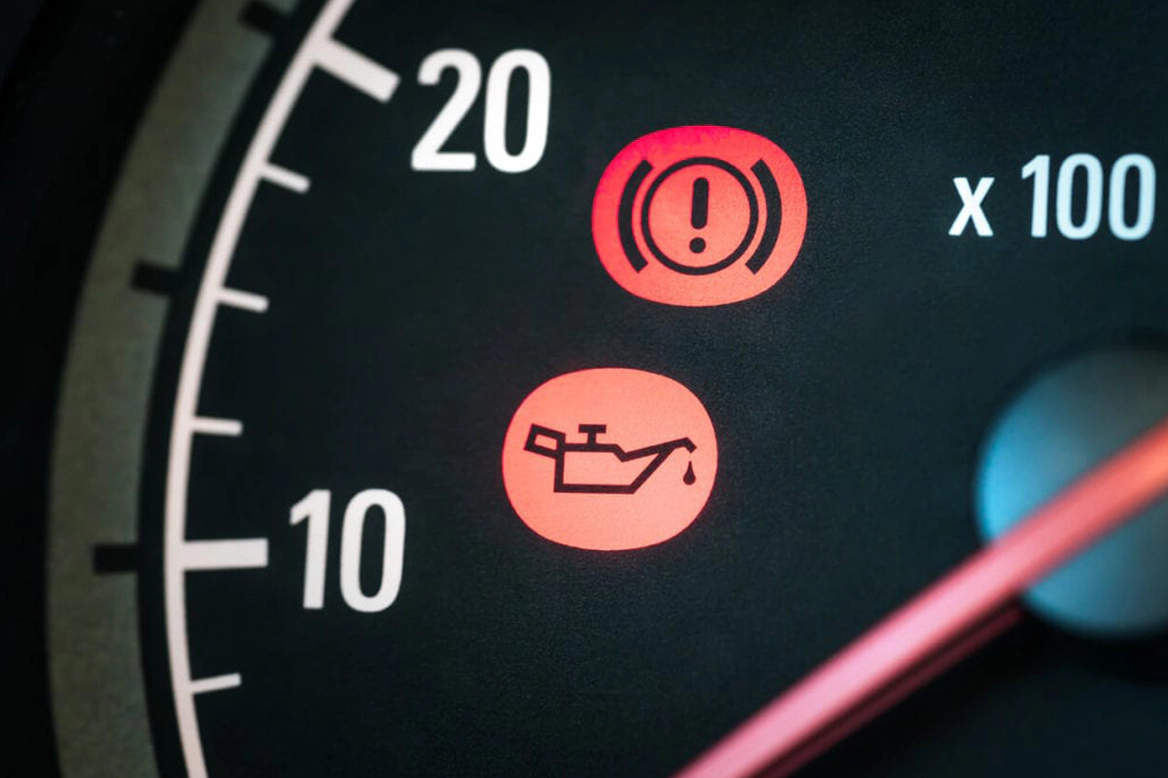
On most modern Nissans, the oil pressure warning is shown by a red oil can symbol. If you fix the problem, the light should go off after a short drive. If not, use an OBD2 scanner to clear codes. Some codes may require a trip to the dealer.
Should You Drive With The Oil Pressure Warning On?
Never drive with the oil pressure warning light on unless you are certain it’s a false reading. Real low oil pressure can ruin the engine in minutes. If in doubt, tow the car to a shop.
Comparing Nissan Oem Vs. Aftermarket Oil Pressure Sensors
Here’s a quick comparison to help you choose the right part:
| Feature | Nissan OEM Sensor | Aftermarket Sensor |
|---|---|---|
| Accuracy | High | Varies, often less accurate |
| Reliability | 5+ years typical | 1–3 years, sometimes less |
| Warranty | Full Nissan warranty | Limited or none |
| Price | Higher | Lower, but quality may suffer |
Advanced Troubleshooting: When The Simple Fixes Don’t Work
If you’ve replaced the sensor, checked wiring, and used a mechanical gauge, but still see false readings, consider:
- Checking the engine control module (ECM) for software updates.
- Inspecting the instrument cluster for faults.
- Looking for hidden oil leaks or blockages.
- Using a professional scan tool to view live oil pressure data.
Sometimes, the problem is deeper than the sensor itself.
Where To Find Trusted Nissan Repair Information
For the most accurate and up-to-date repair steps, use the official Nissan service manual or visit Nissan’s Technical Information. This ensures you get real specifications and procedures for your exact model.
Credit: www.foxwelldiag.com
Final Thoughts
A false oil pressure sensor reading in your Nissan can be scary, but with careful diagnosis and the right steps, you can avoid major repairs and drive with confidence. Always verify warnings with a mechanical gauge, check wiring, and use genuine Nissan parts for repairs.
Regular maintenance keeps your engine and sensors working correctly. If you’re ever unsure, ask a trusted mechanic for help.
Frequently Asked Questions
Why Does My Nissan Oil Pressure Light Come On At Idle But Go Off When Driving?
This usually means the oil pressure sensor is faulty or dirty, or the wiring is loose. If engine oil level and noise are normal, test the sensor before worrying about the oil pump.
Can I Drive My Nissan With A Bad Oil Pressure Sensor?
If you are sure it’s a false warning (normal engine sound, oil level good, and a mechanical gauge shows normal pressure), it’s safe short-term. But fix the sensor soon to avoid missing real problems.
How Often Should I Replace The Oil Pressure Sensor In My Nissan?
There’s no set schedule—replace only if it fails, leaks, or gives false readings. Sensors can last 5–10 years or more with good maintenance.
What Happens If I Ignore A False Oil Pressure Warning?
If the warning is truly false, there’s no immediate risk. But you may ignore a real problem in the future. Fix the false reading so your warning system stays reliable.
Where Can I Get The Correct Oil Pressure Sensor For My Nissan?
Always buy from a Nissan dealer, trusted parts store, or the official Nissan website. Avoid unknown online sellers, as cheap sensors often give bad readings.
By following these steps and tips, you’ll avoid unnecessary panic and keep your Nissan running smoothly for years to come.
Disclosure: As an Amazon Associate, I may earn from qualifying purchases at no extra cost to you. Amazon and the Amazon logo are trademarks of Amazon.com, Inc, or its affiliates.
- Amazon, Amazon Prime, the Amazon logo and Amazon Prime logo are trademarks of Amazon. com, Inc. or its affiliates.

I am Sadman, the founder of CarSensorHub.com, where I share my passion for cars and technology. I specialize in writing detailed reviews and helpful guides on car gadgets, accessories, safety tools and many more. My mission is to help car owners discover the best products and tips to improve their driving experience and stay safe on the road.