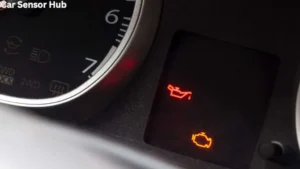
Every car owner wants their vehicle to be reliable and safe. If you drive a Hyundai Sonata, you probably expect smooth rides and worry-free driving. But sometimes, a small error code can create big stress. One of the most common and confusing warning messages is the oil pressure sensor error code. Many Sonata drivers have faced this issue, and it can show up suddenly, even if your car seems fine.
Understanding what this error means, why it happens, and how to fix it is very important. Ignoring the oil pressure warning can cause serious engine damage and expensive repairs. On the other hand, overreacting to a false alarm wastes money and time. This article explains everything you need to know about the Hyundai Sonata oil pressure sensor error code. You’ll learn what causes it, what symptoms to watch for, how to diagnose and repair it, and how to avoid future problems. Whether you’re a DIY car lover or just want to talk confidently with your mechanic, this guide is for you.
What Is The Oil Pressure Sensor In A Hyundai Sonata?
The oil pressure sensor (sometimes called the oil pressure switch or sending unit) is a small but critical part inside your Hyundai Sonata’s engine. Its main job is to monitor the oil pressure in the engine and send information to the car’s computer and dashboard.
Engine oil is like the blood of your car. It lubricates moving parts, reduces friction, and helps control engine temperature. If the oil pressure drops too low, parts can grind together and cause permanent damage. The oil pressure sensor tells you if something is wrong before your engine is ruined.
Most modern Sonatas have an electronic sensor that reads the pressure and sends a signal to your car’s control module. If the pressure goes outside normal range, your car will show a warning light or code.
Where Is The Oil Pressure Sensor Located?
In most Hyundai Sonata models (especially from 2011 to 2023), the oil pressure sensor is screwed directly into the engine block. It is usually found:
- Near the oil filter housing
- On the side or back of the engine, depending on the year/model
- Sometimes under the intake manifold, making it harder to see
If you need to find it, check your owner’s manual, or look for a small, round or hex-shaped piece with an electrical connector and a wire attached.
What Does The Oil Pressure Sensor Error Code Mean?
When your Sonata’s computer detects a problem with oil pressure, it stores a diagnostic trouble code (DTC). The most common codes include:
- P0520: Oil Pressure Sensor/Switch Circuit Malfunction
- P0521: Oil Pressure Sensor/Switch Range/Performance Problem
- P0522: Oil Pressure Sensor/Switch Low Voltage
- P0523: Oil Pressure Sensor/Switch High Voltage
These codes mean the sensor is reporting readings that are too high, too low, or out of the normal range. Sometimes the code is caused by a real oil pressure problem. Other times, it’s just a bad sensor or a wiring issue.
The car’s dashboard may show a red oil can warning light or a “Check Engine” light. Some Sonatas also display a message like “Low Oil Pressure—Stop Engine.”
Common Symptoms Of An Oil Pressure Sensor Error
You might not notice any problems at first, but it’s important to pay attention to these signs:
- Red oil warning light on the dashboard (usually looks like an oil can).
- Check Engine light comes on.
- Engine ticking noises—especially when starting the car.
- Low engine oil level (check the dipstick).
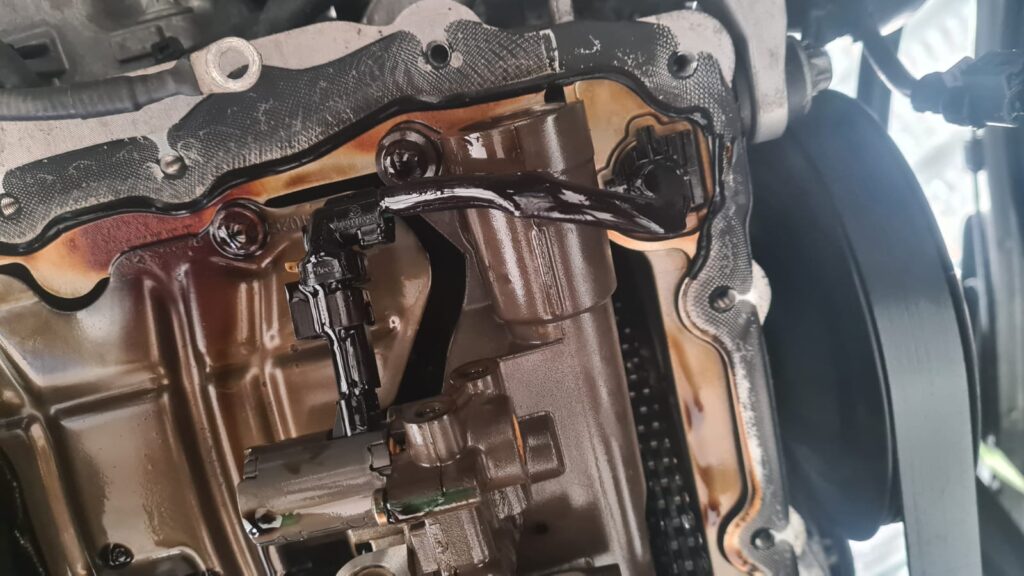
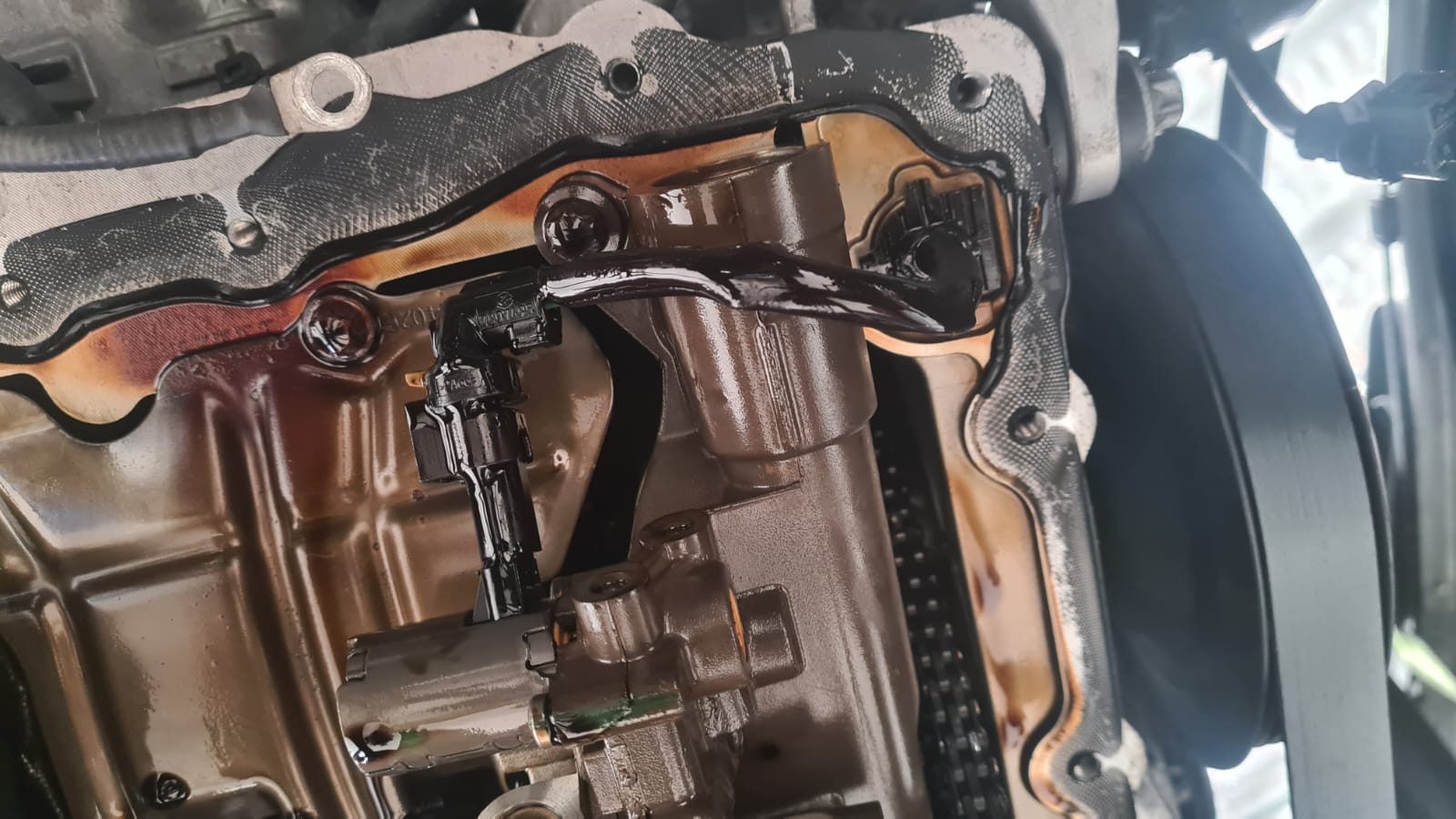
- Oil leaks under the car.
- Engine stalling or running rough.
- Sudden loss of power while driving.
Not all these symptoms happen every time. Sometimes, the only sign is a warning light. But even one of these symptoms means you should check your car soon.
Why Is This Warning So Important?
Low oil pressure is one of the most serious engine problems. If the engine runs with low pressure, it can quickly lead to:
- Worn out bearings
- Overheated engine parts
- Seized engine (total failure)
- Huge repair bills
So, never ignore the oil pressure warning, even if your car seems fine.
Main Causes Of Oil Pressure Sensor Error Codes In Hyundai Sonata
Understanding the cause helps you solve the problem faster and avoid expensive mistakes. Here are the most common reasons for oil pressure sensor errors in Sonata models:
1. Faulty Oil Pressure Sensor
The sensor itself can wear out, get clogged, or break. This is especially common in older cars or cars with high mileage. If the sensor is bad, it sends wrong signals to the computer.
2. Wiring Problems Or Loose Connections
The electrical connector or wiring harness can get loose, corroded, or damaged. Sometimes, engine heat or vibration causes wires to break or lose contact, causing false error codes.
3. Low Engine Oil Level
If your engine doesn’t have enough oil, the sensor will report low pressure. This can happen from oil leaks, burning oil, or forgetting to add oil during maintenance.
4. Dirty Or Sludged Oil
Old, dirty oil or sludge can block oil flow and reduce pressure. This causes the sensor to send a warning, even if the engine is not damaged yet.
5. Worn Engine Parts
If the engine bearings, oil pump, or other parts are worn, real oil pressure will drop. This is a serious problem that needs fast repair.
6. Oil Filter Problems
A clogged or wrong oil filter can block oil flow. Sometimes, a cheap filter collapses inside, causing low pressure.
7. Aftermarket Parts Or Incorrect Repairs
Using the wrong type of oil pressure sensor, cheap filters, or poor-quality oil can all cause problems. Even a small mistake during repair can create warning codes.
8. Ecu (engine Computer) Problems
Rarely, the car’s computer has a software or hardware fault. This can create false warnings or trouble codes.

Credit: www.youtube.com
How To Diagnose An Oil Pressure Sensor Error In Your Sonata
Fixing the oil pressure sensor error code starts with a clear diagnosis. Here’s how you (or your mechanic) should approach the problem step by step:
1. Read The Error Code
Use an OBD-II scanner to read the code from the car’s computer. You can buy a scanner or visit an auto parts store—many will check the code for free.
Write down the exact code (like P0520 or P0521). This gives clues about what is wrong.
2. Check The Engine Oil Level And Condition
- Park the car on a flat surface.
- Wait for the engine to cool.
- Pull out the oil dipstick, wipe it clean, reinsert, and check the level.
- The oil should be between the “Low” and “Full” marks. If it’s low, add oil.
- Check the color and texture. Fresh oil is amber and clear; old oil is dark or sludgy.
Low or dirty oil is a simple fix that can solve the error.
3. Inspect The Oil Pressure Sensor
- Find the sensor (usually near the oil filter).
- Look for oil leaks, broken wires, or loose connectors.
- Gently wiggle the connector—if it’s loose, clean and reconnect it.
4. Test Real Oil Pressure
If you have the tools, or your mechanic does, use a mechanical oil pressure gauge:
- Remove the sensor and screw in the test gauge.
- Start the engine and note the pressure reading.
- Compare to Hyundai’s recommended specs (often 10-30 psi at idle, 40-60 psi at higher RPM).
If real pressure is normal but the sensor throws a code, the sensor is likely bad.
5. Check For Oil Leaks
Look under the car and around the engine for fresh oil spots or wet areas. A leak near the sensor can cause false readings.
6. Scan For Other Codes
Sometimes, other error codes give more clues. For example, codes for the oil temperature sensor, variable valve timing, or other engine sensors may be related.
7. Consider Engine Noise
If you hear ticking, knocking, or grinding, do not drive the car. This means oil is not reaching all parts of the engine.
Diagnostic Data Table: Common Codes, Symptoms, And Likely Causes
| Error Code | Typical Symptoms | Most Likely Cause |
|---|---|---|
| P0520 | Oil light, Check Engine light, no other symptoms | Bad sensor, wiring problem |
| P0521 | Oil light, possible engine noise | Dirty oil, sensor, or oil passage |
| P0522 | Oil light, low oil level | Real low oil, sensor problem |
| P0523 | Oil light, high reading, possible leaks | Wiring short, wrong sensor |
How To Fix Hyundai Sonata Oil Pressure Sensor Error Code
Once you have diagnosed the problem, here’s how to fix it. Some steps are easy for DIYers, others may need a mechanic.
1. Top Up Or Change The Engine Oil
If oil is low or dirty, fill to the proper level with the recommended type (usually 5W-20 or 5W-30 for most Sonatas). Change the oil and filter if you haven’t done this in the last 5,000-7,500 miles.
2. Replace The Oil Pressure Sensor
If the sensor is bad, replacing it is usually simple:
- Disconnect the battery for safety.
- Unplug the sensor’s wiring connector.
- Use a deep socket or wrench to unscrew the sensor.
- Screw in the new sensor (be careful not to over-tighten).
- Reconnect the wiring.
- Start the engine and check for leaks.
Most sensors cost $20-$60. Always use an OEM or high-quality replacement.
3. Repair Wiring Or Connectors
If wires are broken, frayed, or corroded:
- Cut out the bad section and splice in new wire.
- Clean connectors with electrical contact cleaner.
- Use heat-shrink tubing or electrical tape for protection.
4. Fix Oil Leaks
Replace any leaking gasket, seal, or O-ring near the sensor. Check the oil filter and drain plug as well.
5. Replace The Oil Filter
If you suspect a clogged or wrong oil filter, install a new Hyundai-recommended filter.
6. Address Real Engine Problems
If the real oil pressure is low (confirmed by a mechanical gauge), you may need to:
- Replace the oil pump
- Repair worn bearings
- Rebuild or replace the engine (in extreme cases)
This is not a DIY job—get professional help.
7. Clear The Error Code
After repairs, use the OBD-II scanner to clear the code. If it returns, something was missed.
Practical Example: Fixing A P0520 Code
A 2015 Hyundai Sonata shows a P0520 code and the oil warning light, but the oil level is normal and there are no leaks. A mechanic uses a mechanical gauge and finds oil pressure is OK. The old sensor is replaced with a new OEM part, and the code is cleared.
The warning light does not return.
Credit: www.eurotechautohaus.com.au
Cost Comparison: Diy Vs. Professional Repair
Some Sonata owners wonder if they should fix the oil pressure sensor error themselves or go to a shop. Here is a typical cost comparison:
| Repair Option | Parts Cost | Labor Cost | Total Cost |
|---|---|---|---|
| DIY (sensor replacement only) | $20–$60 | $0 | $20–$60 |
| Professional repair (sensor) | $25–$70 | $70–$120 | $95–$190 |
| Professional (oil pump repair) | $120–$250 | $300–$800 | $420–$1,050 |
DIY saves money but requires the right tools and some experience. For bigger repairs, a trusted mechanic is safer.
Key Mistakes To Avoid When Dealing With Oil Pressure Sensor Errors
Many Sonata owners make costly mistakes when facing oil pressure sensor codes. Avoid these common errors:
1. Ignoring The Warning Light
Never keep driving with the oil light on. Even if the car seems fine, you risk engine damage.
2. Replacing Parts Blindly
Don’t swap parts without diagnosis. The problem may be wiring, oil level, or another cause.
3. Using Cheap Or Wrong Parts
Always buy quality sensors and filters. Cheap parts often fail quickly or don’t fit properly.
4. Skipping Oil Changes
Old, dirty oil is a common cause of sensor errors. Regular changes prevent problems.
5. Not Resetting The Error Code
After repairs, clear the code. If it comes back, recheck everything.
6. Forgetting About Warranty
If your Sonata is still under warranty, let the dealer handle repairs. DIY fixes can sometimes void coverage.
Preventing Future Oil Pressure Sensor Problems
Prevention is always better than a cure. Here are practical tips to keep your Sonata’s oil system healthy:
1. Change Oil And Filter Regularly
Follow Hyundai’s schedule (every 5,000–7,500 miles). Use the right grade and quality.
2. Use Genuine Or High-quality Parts
Always buy OEM or top-rated aftermarket sensors and filters.
3. Check Oil Level Monthly
Low oil is the #1 trigger for warning lights. Top up as needed.
4. Inspect For Leaks
Look under your car regularly for oil spots. Fix leaks quickly.
5. Listen For Engine Noises
Unusual sounds often warn of oil problems before the sensor does.
6. Avoid Over-tightening Sensors Or Filters
Too much force can crack housings or strip threads, causing leaks.
7. Keep Engine Clean
A clean engine bay makes it easier to spot leaks and prevents dirt from damaging sensors.
8. Service The Engine Cooling System
Overheating can damage oil and sensors.
Advanced Tip: Use An Oil Additive Carefully
Some experts recommend using an oil additive to clean sludge or protect the engine. Only use products approved for your Sonata, and never as a replacement for oil changes.
How Hyundai Sonata Oil Pressure Sensor Issues Affect Different Model Years
While the basics are similar, some Sonata generations have unique quirks. Here’s what you should know:
2011–2014 Sonata
- More likely to develop oil leaks around the sensor.
- Some engines (2.4L and turbo models) are sensitive to low oil and dirty oil.
- Sensor is usually easy to reach.
2015–2019 Sonata
- Improved sensor design; fewer failures but still possible.
- More electronic sensors, so wiring issues are more common.
- Some turbo models have the sensor in a tight spot—professional help may be needed.
2020–2023 Sonata
- Advanced sensors and engine management.
- Warning lights are more accurate but can be triggered by small faults.
- Always use the exact sensor part number.
Comparison Table: Common Issues By Generation
| Model Year | Sensor Location | Typical Problems |
|---|---|---|
| 2011–2014 | Near oil filter, easy access | Oil leaks, sensor wear |
| 2015–2019 | Behind intake, moderate access | Wiring faults, rare sensor issues |
| 2020–2023 | Under intake manifold, hard access | Wiring, advanced sensor mismatch |
When To See A Mechanic
While many oil pressure sensor problems are simple, you should see a professional if:
- The warning light stays on after adding oil and resetting the code.
- You hear engine noises or notice poor performance.
- There are oil leaks you can’t fix yourself.
- You don’t have the right tools or skills.
A good mechanic can quickly test oil pressure, check wiring, and make safe repairs.
Real-world Insights: What Sonata Owners Usually Miss
Many owners focus only on the sensor itself, but two non-obvious problems often create confusion:
1. Wiring Harness Fatigue
On some Sonata models, the wiring harness near the sensor gets stiff and cracks with age. Even if the sensor is new, bad wires will keep causing codes. Always check for brittle wires or green (corroded) connectors.
2. Oil Filter Collapse
Cheap aftermarket oil filters sometimes collapse inside, blocking oil flow. This creates a low-pressure reading even though everything else is fine. If you use a bargain filter and get a sensor error, replace the filter before doing anything else.
Understanding these hidden issues saves time and money.
Trusted Resources For Further Reading
If you want to dig deeper or need official specs, visit the official Hyundai Owners Site for manuals, technical bulletins, and recall information.
Frequently Asked Questions
Why Does My Hyundai Sonata Keep Showing The Oil Pressure Sensor Error Even After Replacing The Sensor?
If you keep seeing the warning after replacing the sensor, check for wiring problems, low or dirty oil, or a collapsed oil filter. Rarely, the car’s computer may have an issue. A professional scan tool can help find the real cause.
Is It Safe To Drive My Sonata With The Oil Pressure Sensor Warning Light On?
No, it’s not safe. Even if the engine sounds normal, driving with the oil light on can cause serious and expensive engine damage. Stop and check oil level immediately. If in doubt, tow the car to a mechanic.
How Often Should I Change The Oil Pressure Sensor In My Hyundai Sonata?
There’s no set schedule. Replace the sensor only if it fails or shows signs of damage. Most last 60,000–120,000 miles. Regular oil changes and checking for leaks help sensors last longer.
Can A Bad Oil Pressure Sensor Cause My Engine To Run Poorly Or Stall?
Usually, a failed sensor only triggers a warning light. But if the sensor’s wiring shorts out or the car goes into “limp mode,” you may notice poor performance. Always fix sensor errors quickly to avoid bigger problems.
What Type Of Oil Pressure Sensor Should I Buy For My Sonata?
Always use a genuine Hyundai part or a top-rated aftermarket sensor that matches your car’s year, engine, and VIN. Avoid cheap, no-name sensors—they often don’t fit or fail early.
Solving the Hyundai Sonata oil pressure sensor error code is not just about changing a small part. It’s about understanding your car’s warning system and taking care of your engine. With careful diagnosis, the right parts, and good maintenance habits, you can keep your Sonata running smoothly for years. Don’t ignore warning lights—act quickly, and your car will reward you with many safe, worry-free miles.
Credit: www.eurotechautohaus.com.au
Disclosure: As an Amazon Associate, I may earn from qualifying purchases at no extra cost to you. Amazon and the Amazon logo are trademarks of Amazon.com, Inc, or its affiliates.
- Amazon, Amazon Prime, the Amazon logo and Amazon Prime logo are trademarks of Amazon. com, Inc. or its affiliates.

I am Sadman, the founder of CarSensorHub.com, where I share my passion for cars and technology. I specialize in writing detailed reviews and helpful guides on car gadgets, accessories, safety tools and many more. My mission is to help car owners discover the best products and tips to improve their driving experience and stay safe on the road.