If you drive a Dodge Ram, you rely on your truck for power, reliability, and performance. But when something as simple as an oil pressure sensor starts to fail, it can lead to stress and even expensive engine damage. Many truck owners ignore small dashboard warnings, hoping they will disappear. But ignoring oil pressure sensor issues can cost you thousands of dollars in repairs. Understanding the symptoms, causes, and fixes for a faulty Dodge Ram oil pressure sensor is essential for keeping your engine safe and your truck on the road.
This article will guide you through everything you need to know about the Dodge Ram oil pressure sensor. You’ll learn what the sensor does, how to spot trouble early, and the exact steps to fix or replace it. We’ll also cover common mistakes, professional vs.
DIY solutions, and real-world tips that most guides miss. Whether you’re a hands-on truck owner or just want to avoid future headaches, you’ll find clear, simple answers here.
What Is The Dodge Ram Oil Pressure Sensor?
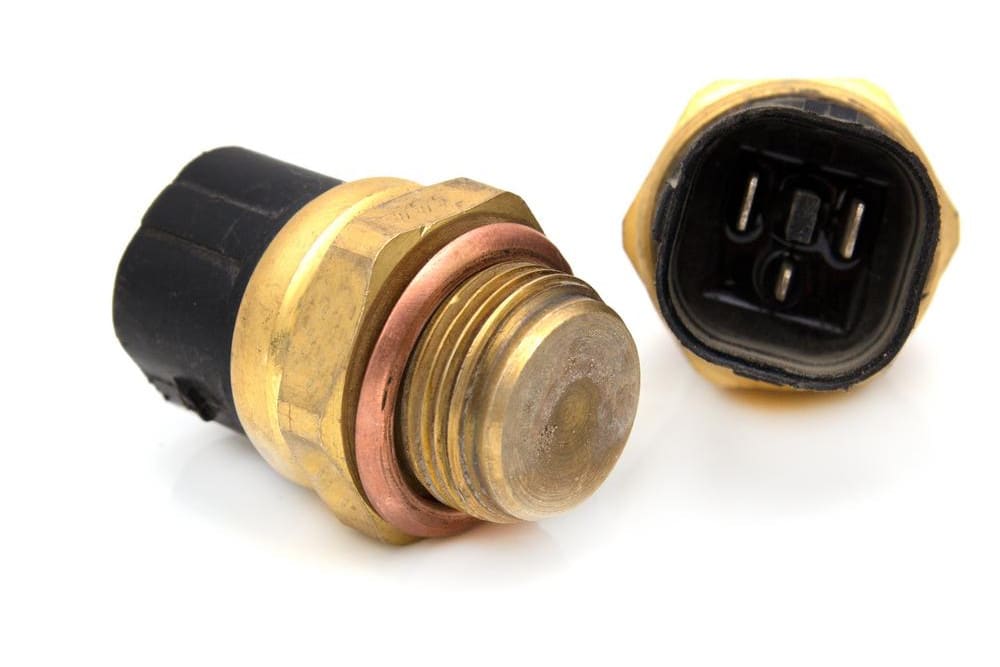
The oil pressure sensor (sometimes called the oil pressure sending unit) is a small but critical part of your Dodge Ram’s engine. Its main job is to monitor the oil pressure inside your engine and send that information to your truck’s computer. If the oil pressure falls outside the safe range, the sensor triggers a warning light or message on your dashboard.
Without this sensor, you would have no idea if your engine is running with too little oil pressure, which could lead to serious engine failure. In short, the oil pressure sensor acts as an early warning system for your engine’s health.
Where Is It Located?
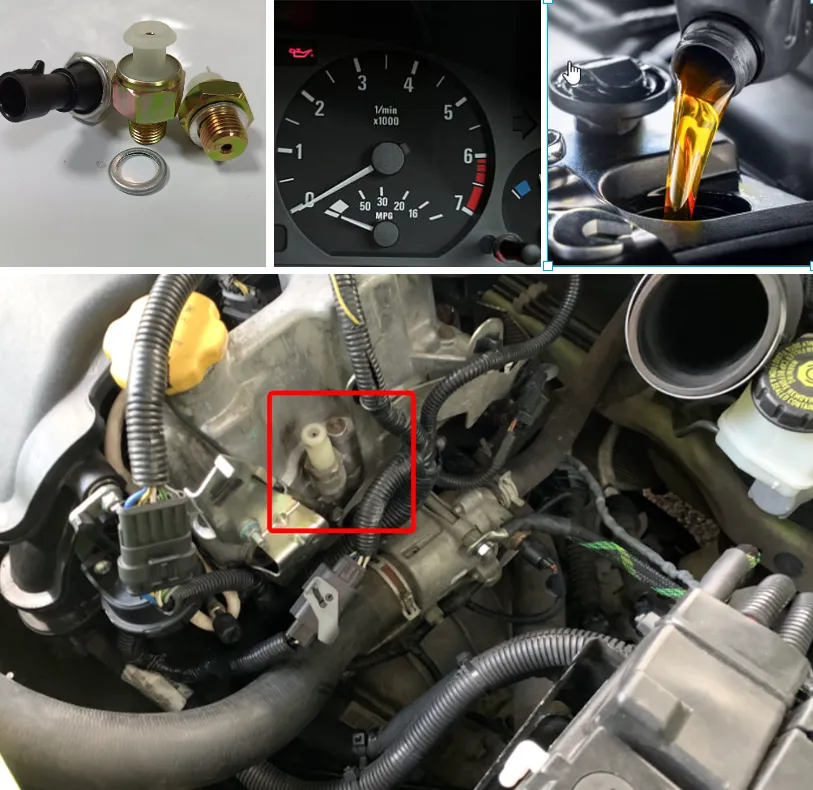
In most Dodge Ram models, the oil pressure sensor is screwed into the engine block. It’s often found near the oil filter or around the back of the engine, depending on the year and engine type. Access can be tight, especially on newer Rams, so locating it may require a flashlight and a little patience.
Why Does Oil Pressure Matter?
Engine oil is the lifeblood of your Dodge Ram. It lubricates moving parts, reduces friction, and helps cool the engine. Oil pressure ensures that oil reaches every part of the engine. If the pressure is too low, some areas may not get enough lubrication, causing metal parts to rub together and wear out quickly.
Low oil pressure can lead to:
- Overheating
- Worn bearings
- Engine knocking
- Complete engine failure
On the other hand, high oil pressure can indicate a blocked oil passage or a faulty pressure relief valve, which can also damage the engine.

Credit: www.youtube.com
Common Symptoms Of A Faulty Oil Pressure Sensor
A failing oil pressure sensor can be tricky to diagnose, especially because its symptoms often mimic other engine problems. Here are the top signs that your Dodge Ram’s oil pressure sensor might be on its way out:
1. Oil Pressure Warning Light
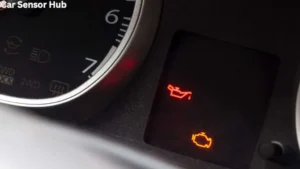
The most obvious clue is the oil pressure warning light on your dashboard. If this light appears, it’s a sign that the sensor is detecting low or no oil pressure. Sometimes the light flickers or stays on even if the oil level is correct. This could mean the sensor is faulty, not the oil pressure itself.
2. Inaccurate Oil Pressure Gauge Readings
If your Ram has an oil pressure gauge, you might notice strange readings:
- The gauge stays at zero
- The needle jumps around
- The gauge shows maximum pressure all the time
These are classic signs of a sensor sending false signals to your dashboard.
3. Intermittent Warning Chimes Or Messages
Some Ram trucks display “Low Oil Pressure” messages or sound a chime. If these alerts come and go, especially after checking that the oil level is fine, suspect the sensor.
4. Engine Performance Issues
A malfunctioning oil pressure sensor can sometimes cause the engine to enter limp mode or reduce power to prevent damage. This isn’t common, but it’s possible in newer models with advanced computers.
5. Oil Leaks Around The Sensor
If you see oil seeping or leaking from the area where the sensor is installed, the sensor itself might be cracked or the seal has failed. This is often overlooked but can lead to low oil levels if ignored.
6. Check Engine Light
A faulty oil pressure sensor can trigger the check engine light. Diagnostic codes like P0520 (Oil Pressure Sensor/Switch Circuit) or similar may appear when scanned with a code reader.
7. Unusual Engine Noises
While not directly caused by the sensor, if the sensor fails to alert you to real low oil pressure, you might hear ticking, knocking, or clattering noises from the engine. This means damage is already happening.
Non-obvious insight: Many people change the oil filter or switch oil brands when they see the oil warning light, but the real issue can be the sensor itself. Always check the sensor if oil changes and levels don’t solve the warning.
Causes Of Oil Pressure Sensor Problems
Understanding why the oil pressure sensor fails can help you prevent future issues. Here are the most common reasons:
1. Age And Wear
Like any electrical part, sensors wear out over time. Heat, vibration, and oil exposure eventually cause them to fail.
2. Oil Contamination
Dirty or sludgy oil can clog the sensor or its small passages, causing false readings or total failure.
3. Faulty Wiring Or Connectors
Broken wires, corroded pins, or loose connectors can interrupt the signal between the sensor and the truck’s computer.
4. Physical Damage
Dropping tools, engine repairs, or accidents can crack the sensor. Sometimes, over-tightening during installation damages the sensor body or threads.
5. Cheap Replacement Parts
Low-quality aftermarket sensors often fail sooner than genuine or high-quality replacements. Saving a few dollars upfront can cost more in the long run.
Non-obvious insight: Using the wrong type of oil or skipping oil changes increases the chance of sensor failure because dirty oil is harder on sensor electronics.
Credit: www.yourmechanic.com
How To Diagnose A Faulty Oil Pressure Sensor
Before replacing the sensor, you need to be sure it’s the problem. Here’s how you can diagnose it:
Step 1: Check Oil Level And Condition
Always start by checking the engine oil level. Low oil can trigger the same symptoms as a bad sensor. Also, look at the oil’s color and thickness. If it’s dirty, change it first.
Step 2: Inspect The Sensor Visually
Use a flashlight to look at the sensor and its wiring. Look for oil leaks, broken wires, or loose connectors.
Step 3: Scan For Diagnostic Trouble Codes (dtcs)
A basic OBD-II scanner can pull codes from your Dodge Ram. Codes like P0520, P0521, or P0522 often point directly to oil pressure sensor issues.
Step 4: Use A Mechanical Oil Pressure Gauge
If you want to be sure, remove the sensor and screw in a mechanical oil pressure gauge. This tool shows you the real oil pressure. If the gauge reads normal but your dashboard says “low oil pressure,” the sensor is bad.
Step 5: Wiggle Test
With the engine off, gently move the sensor’s connector and wires. If the warning light flickers or the gauge jumps, you have a wiring or connector problem.
Step 6: Check The Sensor’s Resistance
Using a multimeter, you can test the sensor’s resistance. Compare it to the manufacturer’s specs. If the numbers don’t match, the sensor is faulty.
Tip: Don’t skip the mechanical gauge test. Some engine problems mimic sensor failure, and you don’t want to replace the wrong part.
How To Fix Or Replace The Oil Pressure Sensor
Replacing the oil pressure sensor on a Dodge Ram is a job most owners can do with basic tools. Here’s a step-by-step guide:
Tools And Materials Needed
- New oil pressure sensor (OEM recommended)
- Socket set (deep sockets often required)
- Ratchet or wrench
- Oil catch pan
- Clean rag
- Torque wrench (optional but preferred)
- Thread sealant (if recommended)
- Safety gloves
Step-by-step Replacement Guide
- Let the engine cool: Hot oil and metal can cause burns. Wait until the engine is cool.
- Disconnect the battery: This prevents accidental shorts.
- Locate the sensor: Usually near the oil filter or back of the engine.
- Place the oil catch pan: Some oil may leak out when you remove the sensor.
- Disconnect the sensor connector: Gently squeeze the tab and pull.
- Remove the old sensor: Use a socket and ratchet. Turn counter-clockwise.
- Check the threads: Inspect for damage or old sealant. Clean if needed.
- Apply thread sealant: Use only if the new sensor does not have a pre-applied seal.
- Install the new sensor: Thread by hand, then tighten to spec (usually 15–22 ft-lb).
- Reconnect the connector: Make sure it clicks into place.
- Reconnect the battery.
- Start the engine: Check for leaks and watch the gauge or light.
- Check oil level: Top off if any oil was lost.
Practical example: Many Dodge Ram owners find that a deep socket (often 1 1/16-inch) is needed for the sensor. Buying a sensor socket from an auto parts store can save frustration.
When To Seek Professional Help
If you don’t have the right tools, can’t reach the sensor, or the problem returns after replacement, let a trusted mechanic handle it. Some models have hard-to-reach sensors that require special tools or lifting the truck.
Dodge Ram Oil Pressure Sensor Replacement Cost
The cost depends on your Ram’s year, engine, and whether you do the work yourself or hire a shop.
| Replacement Option | Parts Cost | Labor Cost | Total Estimated Cost |
|---|---|---|---|
| DIY | $25–$60 | $0 | $25–$60 |
| Independent Shop | $35–$80 | $80–$150 | $115–$230 |
| Dealership | $50–$100 | $120–$200 | $170–$300 |
OEM parts cost more, but they usually last longer than cheaper aftermarket options.
Common Mistakes When Replacing The Sensor
Many Dodge Ram owners make small mistakes that lead to repeat repairs or even engine damage. Here’s what to avoid:
- Over-tightening the sensor: This can crack the sensor or damage engine threads.
- Skipping thread sealant: Some sensors need it, others don’t. Check instructions.
- Using the wrong socket: Slipping or rounding off the sensor can create a tough removal job.
- Forgetting to check for leaks: Always inspect after the first drive.
- Ignoring wiring issues: Sometimes the connector is the problem, not the sensor.
- Using cheap sensors: Low-quality parts may fail in months.
How To Prevent Future Oil Pressure Sensor Problems
You can’t prevent every sensor failure, but you can reduce the risk:
- Change your oil and filter on schedule. Clean oil is easier on sensors.
- Use the correct oil type for your engine.
- Check for oil leaks around the sensor during regular maintenance.
- Inspect wiring for cracks or corrosion.
- Use high-quality replacement parts when needed.
Pro tip: Schedule an oil pressure sensor check every 60,000–100,000 miles, especially on older Rams. Early detection saves money.
Dodge Ram Oil Pressure Sensor: Model Differences
The location, type, and replacement process for the oil pressure sensor can vary by Dodge Ram year and engine. Here’s a comparison of common models:
| Model Year | Engine Size | Sensor Location | Sensor Type |
|---|---|---|---|
| 2002–2008 | 4.7L, 5.7L | Near oil filter | Single-pin |
| 2009–2018 | 5.7L HEMI | Back of block, passenger side | Three-pin |
| 2019–2023 | 5.7L eTorque | Near oil cooler | Digital sensor |
Tip: Always check your owner’s manual or a repair database for your specific Ram’s sensor details.
How Oil Pressure Sensor Failure Can Affect Your Engine
Ignoring a faulty oil pressure sensor isn’t just annoying—it can be dangerous for your engine. Here’s what can happen:
Engine Damage
If the sensor fails to warn you about real low oil pressure, your engine can run without proper lubrication. This can lead to bearing damage, warped parts, or even a seized engine.
False Alarms
A bad sensor can cause the oil light to come on even when pressure is normal. This can lead to unnecessary repairs or, worse, ignoring a real problem later on.
Reduced Resale Value
If you try to sell your Dodge Ram with the oil light on, buyers will assume there’s an expensive engine problem, lowering your truck’s value.
Safety Concerns
Sudden loss of power or limp mode on the highway can create dangerous situations. Don’t drive for long with oil pressure warnings.
Professional Vs. Diy Oil Pressure Sensor Replacement
Deciding whether to fix the sensor yourself or hire a professional depends on your skills, tools, and truck model.
Diy Pros
- Save money on labor
- Learn about your truck
- Quick fix (30–60 minutes for most models)
Diy Cons
- Hard-to-reach sensors may require special tools
- Risk of breaking the sensor or threads if not careful
- No warranty on your work
Professional Pros
- Guaranteed repair
- Correct diagnosis (if root cause is unclear)
- Warranty on parts and labor
Professional Cons
- Higher cost
- Need to schedule and leave your truck at the shop
Real-world tip: For most 2002–2018 Rams, DIY is simple if you have a deep socket and basic skills. For 2019+ models, access can be tight—consider a shop if you’re not comfortable.
Real Owner Experiences And Data
Thousands of Dodge Ram owners have faced oil pressure sensor issues. Here’s what real drivers report:
- Many see the oil light after 80,000–120,000 miles, even with regular oil changes.
- Some owners report replacing the sensor two or three times with cheap parts before switching to OEM and solving the problem.
- A surprising number of trucks develop slow oil leaks around the sensor, which go unnoticed until the oil warning appears.
Data point: According to Dodge Ram owner forums, sensor failure is one of the top 10 most common electrical issues on 2002–2018 models.
When The Problem Isn’t The Sensor
Sometimes, the oil pressure sensor isn’t the problem. If a new sensor doesn’t solve the warning light, consider these possibilities:
- Oil pump failure
- Clogged oil passages
- Worn engine bearings
- Faulty engine control module (ECM)
- Wrong oil viscosity
If you suspect one of these, get a professional diagnosis. Ignoring real oil pressure problems can destroy your engine.
Dodge Ram Oil Pressure Sensor And Warranty
If your Ram is still under the original powertrain warranty (usually 5 years/60,000 miles), a faulty oil pressure sensor may be covered. Always check with your Dodge dealer before doing the work yourself. Warranty coverage may be denied if the sensor is replaced with non-OEM parts.
Expert Tips For Long-term Reliability
- Keep records of oil changes and sensor replacements.
- Use a code scanner to check for related engine codes every oil change.
- Ask your mechanic to check the sensor and wiring during every major service.
- Never ignore the oil pressure warning light, even if you think it’s a sensor issue.
Credit: www.autotechiq.com
Frequently Asked Questions
What Does A Dodge Ram Oil Pressure Sensor Do?
The oil pressure sensor measures the oil pressure inside your truck’s engine and sends this data to the dashboard. If pressure drops too low, it triggers a warning light or message. This helps protect your engine from damage due to low oil pressure.
How Can I Tell If My Oil Pressure Sensor Is Bad Or If I Really Have Low Oil Pressure?
First, check your oil level. If it’s normal and the engine sounds fine, the sensor may be faulty. Scan for error codes like P0520. For a sure answer, use a mechanical oil pressure gauge to check real pressure. If the gauge shows normal pressure but the warning light is on, the sensor is likely bad.
Can I Drive My Dodge Ram With A Faulty Oil Pressure Sensor?
It’s risky. If the sensor gives false warnings, you might ignore a real oil pressure problem later. Also, some Rams may enter limp mode or reduce power. Fix or replace the sensor as soon as possible to avoid engine damage.
How Often Should I Replace The Oil Pressure Sensor On My Dodge Ram?
There’s no set schedule, but sensors often last 80,000–120,000 miles. Replace it if you see warning lights, odd gauge readings, or leaks. Check it during major engine work or if you notice oil leaks nearby.
Is It Okay To Use Aftermarket Oil Pressure Sensors?
Aftermarket sensors can save money, but many owners report more frequent failures. OEM (original equipment manufacturer) sensors are more reliable. If you use aftermarket, choose a trusted brand and check reviews.
For more details about vehicle sensors and diagnostics, visit the Wikipedia page on oil pressure.
Taking the time to understand your Dodge Ram’s oil pressure sensor can save your engine—and your wallet. With the right knowledge, you’ll drive with confidence, knowing your truck’s most important warning system is working as it should.
Disclosure: As an Amazon Associate, I may earn from qualifying purchases at no extra cost to you. Amazon and the Amazon logo are trademarks of Amazon.com, Inc, or its affiliates.
- Amazon, Amazon Prime, the Amazon logo and Amazon Prime logo are trademarks of Amazon. com, Inc. or its affiliates.

I am Sadman, the founder of CarSensorHub.com, where I share my passion for cars and technology. I specialize in writing detailed reviews and helpful guides on car gadgets, accessories, safety tools and many more. My mission is to help car owners discover the best products and tips to improve their driving experience and stay safe on the road.