Owning a Volkswagen can be a rewarding experience these cars are known for their engineering and comfort. However, nothing breaks the sense of confidence like a sudden warning message on your dashboard. If you’ve ever seen the Volkswagen oil pressure sensor warning message, you know the feeling: a mix of confusion, worry, and urgency. This warning isn’t something to ignore or put off. It’s a direct signal from your car that something needs attention sometimes immediately.
This article takes a deep dive into everything you need to know about the Volkswagen oil pressure sensor warning message. We’ll explore what this message actually means, why it appears, how the oil pressure sensor works, and what steps you should take when it lights up.
You’ll also learn about the possible causes, how to diagnose the problem, repair options, and ways to prevent oil pressure issues in the future. Whether you’re a long-time Volkswagen driver or new to the brand, this guide will help you handle this warning message with confidence and avoid costly mistakes.
What Is The Volkswagen Oil Pressure Sensor Warning Message?
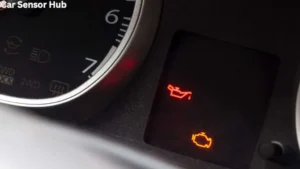
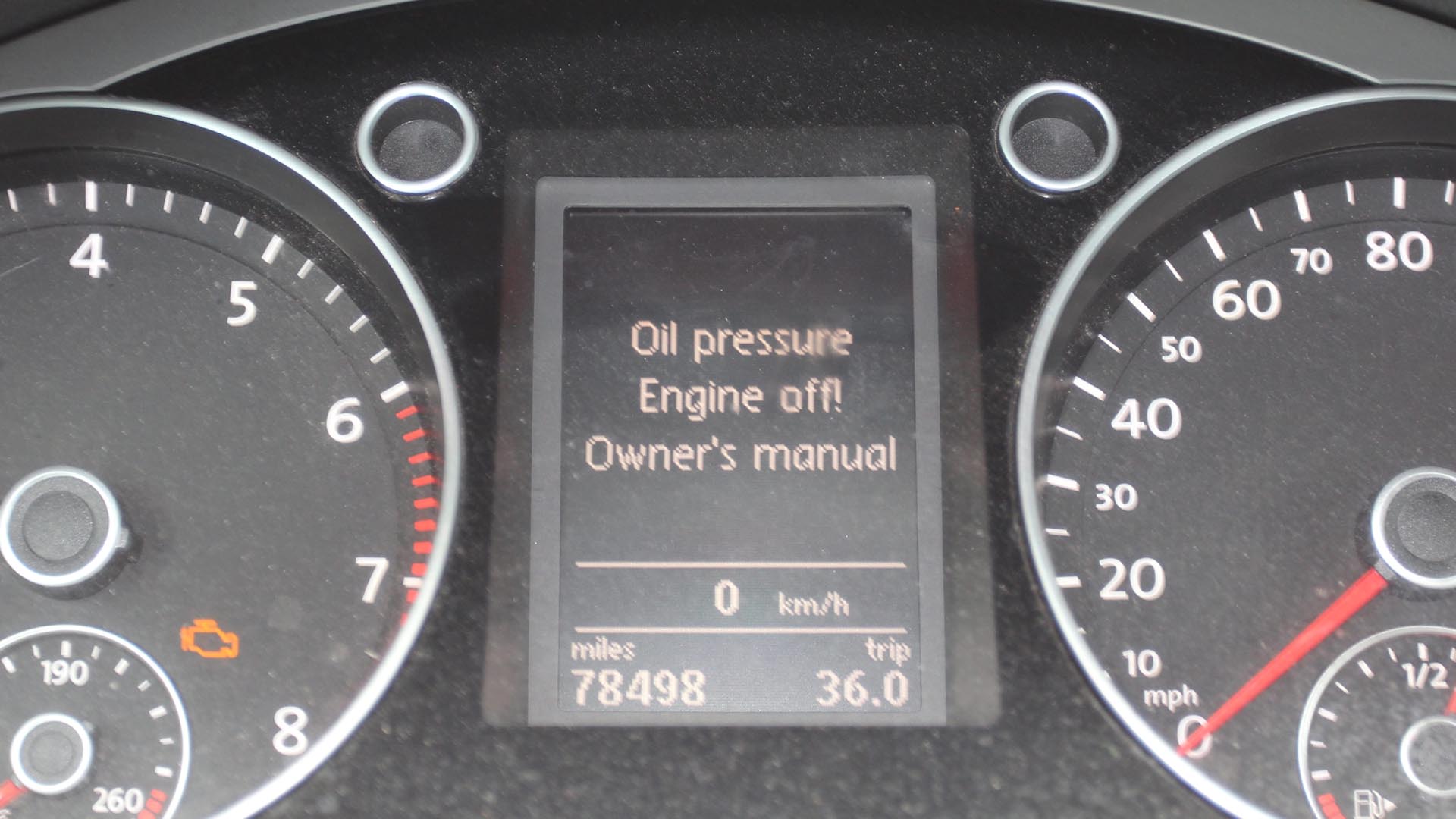
When you see the oil pressure warning message on your Volkswagen, it usually appears as a red oil can symbol or a text warning like “Oil Pressure: Stop!” on your dashboard. Sometimes, you may also hear a beep or chime. This is not a routine reminder like the “service soon” light; it’s a critical alert.
The oil pressure sensor warning means your car’s computer has detected low oil pressure, or a problem with the oil pressure sensor itself. Oil pressure is vital for your engine. Without it, key moving parts won’t receive proper lubrication, leading to friction, overheating, and possibly catastrophic engine damage.
Many Volkswagen models—such as the Golf, Jetta, Passat, Tiguan, and Touareg—use an electronic sensor that constantly checks the engine’s oil pressure. If pressure drops below a safe level, or if the sensor fails, the system triggers the warning. Unlike some other dashboard lights, you should never ignore this one.
Continuing to drive even a short distance could mean expensive repairs or even a ruined engine.
Why Oil Pressure Matters In Your Volkswagen
Oil pressure is more than just a number. It plays a direct role in the health and lifespan of your engine.
- Lubrication: Engine oil creates a thin barrier between moving metal parts. This prevents wear, reduces friction, and keeps temperatures down.
- Heat Control: Oil absorbs heat from engine components and carries it away, preventing overheating.
- Cleaning: Oil picks up tiny particles and sludge, helping keep the engine clean.
When oil pressure drops, lubrication fails. Metal parts can grind, causing rapid wear or even seizing. Overheated components may warp. If the oil isn’t moving at the right pressure, it can’t clean or cool the engine effectively. That’s why Volkswagen built a dedicated warning system to catch problems early.
How The Volkswagen Oil Pressure Sensor Works
The oil pressure sensor, sometimes called an oil pressure switch or sender, is a small but critical part. It’s usually threaded into the engine block or oil filter housing. Here’s how it works:
- Measurement: As the engine runs, oil circulates under pressure. The sensor detects this pressure—most modern Volkswagens use electronic sensors that send real-time data to the car’s computer.
- Signal: If the sensor detects pressure below a set limit (often 5-10 psi at idle), it sends a warning signal.
- Dashboard Alert: The car’s computer triggers the oil pressure warning message, usually along with a chime or flashing light.
In some older Volkswagens, the system is more basic—a simple switch that closes when pressure drops, completing a circuit and turning on the warning light. Newer models use more advanced sensors that can detect different pressure ranges and even diagnose sensor faults.
Common Causes Of The Oil Pressure Warning In Volkswagens
The oil pressure warning message can be triggered by a number of issues. Understanding the possible causes is the first step in resolving the problem. Here are the most common reasons:
1. Low Oil Level
If there isn’t enough oil in the engine, pressure will drop. This is often due to leaks, burning oil, or delayed oil changes.
2. Worn Engine Bearings
As engines age, bearings can wear out. This increases the space between moving parts, allowing oil to escape and reducing pressure.
3. Faulty Oil Pressure Sensor
Sometimes, the sensor itself fails or develops a wiring problem. This can cause a false warning, even if oil pressure is fine.
4. Clogged Oil Filter
A dirty or clogged oil filter can restrict oil flow, causing a pressure drop. This is especially common if oil changes have been neglected.
5. Oil Pump Failure
The oil pump is responsible for circulating oil throughout the engine. If it fails, pressure drops instantly, and engine damage can occur quickly.
6. Wrong Oil Viscosity
Using oil that’s too thin or thick for your engine (for example, 0W-20 instead of 5W-40) can cause pressure problems, especially in extreme temperatures.
7. Oil Leaks
Oil can leak from gaskets, seals, or the oil pan. Over time, this reduces the oil level and pressure.
8. Sludge Or Blockages
If the oil passages inside the engine become blocked by sludge or debris, oil pressure drops. This is often the result of missed oil changes.
9. Malfunctioning Oil Pressure Relief Valve
This valve controls the maximum oil pressure. If it sticks open, pressure may drop even if the pump is working.
10. Faulty Wiring Or Electrical Issues
Damaged wiring or poor electrical connections to the sensor can trigger the warning message, even if oil pressure is normal.
Non-obvious insight: Sometimes, aftermarket oil filters or poor-quality engine oil can cause pressure issues—even if they technically “fit” your Volkswagen. Always use recommended parts and fluids.
Credit: www.fcpeuro.com
What To Do Immediately When You See The Oil Pressure Warning
If you see the oil pressure warning message while driving, don’t panic, but act quickly. Here’s what you should do:
- Pull Over Safely: As soon as it’s safe, stop the car. Find a spot away from traffic.
- Turn Off the Engine: Continuing to run the engine can cause damage in seconds.
- Wait for a Few Minutes: Allow the engine to cool slightly. This makes checking the oil level safer.
- Check Oil Level: Use the dipstick to check if the oil is low. If it’s below the minimum mark, add the recommended oil.
- Restart and Watch: After adding oil, restart the engine. If the warning message disappears, you may have caught the problem early.
- If Warning Stays On: Do not drive the car. Call for roadside assistance or a tow to your mechanic.
Important: Even if adding oil clears the warning, get your Volkswagen checked as soon as possible. A low oil level can mean a leak or another underlying issue.
Diagnosing The Oil Pressure Problem
Finding the real cause of the warning message requires careful diagnosis. Here’s how professionals usually approach it:
Step 1: Visual Inspection
Check for visible leaks under the car, around the engine, and near the oil filter. Look for oil stains or drips.
Step 2: Check Oil Level And Condition
Verify oil level with the dipstick. Inspect the oil for unusual color, metal particles, or a burnt smell—these can indicate engine wear or overheating.
Step 3: Scan For Trouble Codes
Modern Volkswagens store fault codes in the car’s computer. Using a scan tool (like VCDS or OBD2 reader), mechanics can read any codes related to oil pressure or the sensor circuit.
Step 4: Manual Oil Pressure Test
If codes and symptoms are unclear, a technician may install a mechanical gauge to measure oil pressure directly at the engine. This rules out sensor or wiring errors.
Step 5: Inspect Sensor And Wiring
If oil pressure is normal but the warning is still on, the sensor or its wiring may be faulty. Look for damaged connectors, frayed wires, or sensor corrosion.
Step 6: Check Oil Filter And Pump
If oil pressure is low, check the oil filter (is it clogged or poorly installed? ) And test the oil pump. This may require removing parts for inspection.
Non-obvious insight: Some Volkswagen engines have two oil pressure sensors—one for low RPM and one for high RPM. Diagnosing the wrong sensor can waste time and money.
Typical Repair Solutions For Volkswagen Oil Pressure Warnings
Once the cause is identified, repair options depend on the problem. Here are the most common solutions:
1. Add Or Change Engine Oil
If the oil level is low or the oil is old/dirty, replacing it can restore pressure. Always use the oil grade specified in your owner’s manual.
2. Replace Faulty Oil Pressure Sensor
A failed sensor is a common and relatively inexpensive fix. The sensor usually screws into the engine block and is easy to reach.
3. Fix Oil Leaks
Worn gaskets, seals, or a cracked oil pan can all leak oil. Repairs may range from simple seal replacement to more involved engine work.
4. Change Oil Filter
If the oil filter is clogged or the wrong type, replacing it can quickly restore oil flow and pressure.
5. Repair Or Replace Oil Pump
A bad oil pump is a serious issue. Repairing or replacing it often involves removing the oil pan and sometimes other engine components.
6. Address Engine Wear
If worn bearings or internal engine damage are the cause, repairs can be expensive. Sometimes, a full engine rebuild or replacement is required.
7. Fix Electrical Problems
Damaged wiring or connectors for the oil pressure sensor can be repaired or replaced.
Pro tip: Always confirm oil pressure with a mechanical gauge after repairs, before declaring the problem fixed.
How Much Does It Cost To Fix Volkswagen Oil Pressure Sensor Issues?
The repair cost depends on the cause. Here’s a comparison of typical costs for different repairs:
| Repair Type | Estimated Cost (USD) | Repair Time |
|---|---|---|
| Oil Pressure Sensor Replacement | $80 – $200 | 30 min – 1 hour |
| Engine Oil & Filter Change | $60 – $140 | 30 min – 1 hour |
| Oil Pump Replacement | $600 – $1,300 | 4 – 8 hours |
| Fixing Oil Leak (Gasket/Seal) | $150 – $600 | 1 – 4 hours |
| Engine Rebuild/Replacement | $2,500 – $6,000+ | 2 – 5 days |
Note: Prices vary based on your Volkswagen model, location, and repair shop rates.

Credit: www.reddit.com
How To Prevent Oil Pressure Warning Problems
Prevention is always better than repair. Here are solid steps to reduce your risk of oil pressure issues:
- Follow the Oil Change Schedule: Change oil and filter at the intervals listed in your owner’s manual, or sooner if you drive in harsh conditions.
- Check Oil Level Regularly: At least once a month, check your oil level. Top up as needed.
- Use Correct Oil and Filter: Always use the oil viscosity and filter recommended by Volkswagen.
- Fix Leaks Promptly: Address any oil spots under your car right away.
- Warm Up in Cold Weather: In freezing conditions, allow the engine to warm up gently before driving hard. Thick oil takes longer to circulate.
- Avoid Cheap Oil or Filters: Low-quality oil and filters can clog or break down, causing pressure issues.
- Get Regular Inspections: Have your mechanic check for signs of leaks, sludge, or worn parts during routine services.
Non-obvious insight: If you drive short distances often, moisture can build up in the oil, creating sludge. Taking your car on a longer drive every few weeks helps the oil reach full temperature and burn off moisture.
How Oil Pressure Warning Differs From Other Dashboard Lights
It’s easy to confuse the oil pressure warning with other dashboard alerts. Here’s how they compare:
| Warning Light | Symbol | Meaning | Urgency |
|---|---|---|---|
| Oil Pressure Warning | Red Oil Can | Low oil pressure/serious fault | Immediate stop required |
| Oil Change Reminder | Yellow Wrench/Oil Can | Time for routine oil change | Soon, but not urgent |
| Check Engine Light | Yellow Engine | General engine/emissions issue | Depends on severity |
Key takeaway: Only the red oil pressure warning requires you to stop immediately. Other lights allow you to drive to a shop, unless accompanied by severe symptoms.
How Long Can You Drive With The Oil Pressure Warning?
The short answer: Not at all. Driving even a few minutes with low oil pressure can destroy your engine. Unlike some warning lights, the oil pressure warning isn’t just a suggestion. Damage starts almost immediately if oil doesn’t reach critical components.
If you must move the car for safety, do so at idle speed and as little as possible. Arrange for towing to avoid risk.
Can A Faulty Oil Pressure Sensor Damage The Engine?
A failed sensor itself won’t hurt the engine. However, it can mask real problems or cause you to ignore warnings. For example, if you assume the warning is “just a bad sensor” but keep driving with real low oil pressure, you risk severe engine damage.
Tip: Always verify oil pressure with a mechanical gauge if you suspect a sensor issue.
DIY Vs. Professional Repair: What Should You Try At Home?
Many Volkswagen owners wonder if they can fix oil pressure issues themselves. Here’s a comparison:
| Task | DIY Friendly? | Tools/Skill Needed |
|---|---|---|
| Check/Add Oil | Yes | Basic tools, owner’s manual |
| Replace Oil Pressure Sensor | Maybe | Socket wrench, some experience |
| Change Oil & Filter | Yes | Oil catch pan, filter wrench |
| Repair Oil Pump/Engine | No | Professional tools, expertise |
| Electrical Diagnostics | Maybe | Multimeter, wiring diagrams |
If you’re comfortable with basic maintenance, checking oil or even changing the sensor is possible. For more complex repairs, professional help is strongly recommended.
Non-obvious insight: Some Volkswagens require special tools or computer software to reset warning messages after repairs. DIY work may not clear the code without these.
How To Reset The Oil Pressure Warning Message
After repairs, the warning message should go away if the problem is fixed. In some cases, it may stay on due to stored fault codes. Here’s how to reset it:
- Turn Ignition On/Off: Sometimes, simply cycling the ignition clears the message.
- Use a Scan Tool: Most warning messages can be reset using an OBD2 scanner or Volkswagen-specific tool.
- Manual Reset: For older models, disconnecting the battery for a few minutes may reset the warning—be aware this can also reset radio and clock settings.
If the warning returns immediately, do not ignore it. This means the underlying problem is not solved.
Real-world Examples: Volkswagen Oil Pressure Problems
Let’s look at some real Volkswagen stories:
- VW Jetta 2015: Owner reported oil pressure warning at startup. The cause was a clogged oil filter after delaying oil changes for 20,000 miles. A filter and oil change fixed the problem.
- VW Passat 2012: Oil pressure warning, but oil level was fine. Scan tool showed a sensor fault. Replacing the sensor solved the issue—cost was $120.
- VW Golf GTI: Warning message appeared after using non-approved synthetic oil. The oil was too thin for the turbocharged engine. Switching to the recommended oil grade fixed the issue.
These examples show how both simple and complex issues can trigger the warning. The key is a careful, step-by-step approach to diagnosis.
Common Mistakes When Dealing With Oil Pressure Warnings
Many Volkswagen owners make errors when responding to the oil pressure warning. Avoid these common pitfalls:
- Ignoring the Warning: Hoping the light will go away can lead to engine failure.
- Driving Without Checking Oil: Always check oil level first before assuming a sensor or electrical problem.
- Using Wrong Oil: Cheap or wrong-viscosity oil can trigger pressure issues.
- Delaying Repairs: Even if the warning disappears after adding oil, get the car inspected soon.
- Guessing at Repairs: Swapping parts without diagnosis wastes time and money.

Credit: www.reddit.com
The Role Of Regular Maintenance In Oil Pressure Health
Staying on top of scheduled maintenance is the best defense against oil pressure problems. Here’s why:
- Fresh oil and filters ensure proper lubrication and flow.
- Regular inspections catch leaks and wear early.
- Using official parts means sensors and pumps work as designed.
- Mechanic check-ups spot minor issues before they become major repairs.
Non-obvious insight: Some Volkswagen models have specific technical service bulletins (TSBs) related to oil pressure sensors or known engine issues. Ask your service advisor if your car is covered by any TSBs.
When To Seek Professional Help
If you’ve tried the basic steps and the warning persists, it’s time to see a trusted Volkswagen mechanic. Key signs you need expert help:
- Warning message stays on after adding oil
- Oil level is fine but message appears
- Unusual engine noises (knocking, ticking)
- Visible leaks you can’t fix
- Burning oil smell or smoke
Choosing a shop experienced with Volkswagens is critical—they’ll have the right tools and knowledge for accurate diagnosis.
For more detailed technical information, you can visit the official Wikipedia Oil Pressure resource.
Frequently Asked Questions
Why Does My Volkswagen Oil Pressure Warning Come On Only At Idle?
At idle, oil pressure is naturally lower because the engine spins slower. If pressure is borderline, it may drop below the sensor’s threshold only when idling. Causes include worn bearings, a weak oil pump, or low oil. Have it checked as soon as possible.
Can I Drive My Volkswagen Home With The Oil Pressure Warning On?
No. Driving with low oil pressure can cause severe engine damage within minutes. If the warning appears, stop as soon as it’s safe, check the oil, and arrange for a tow if needed.
How Often Should I Replace The Oil Pressure Sensor On My Volkswagen?
There’s no set interval. Replace the sensor only if it fails, shows incorrect readings, or develops wiring problems. Many sensors last the life of the vehicle, but some fail due to heat or vibration.
Is The Oil Pressure Warning The Same As The Oil Level Warning?
No. The oil pressure warning means the oil isn’t circulating at the right pressure, which can be due to low oil, but also pump or sensor issues. The oil level warning simply means the oil is below the minimum required for safe operation.
What Type Of Oil Should I Use To Avoid Pressure Problems In My Volkswagen?
Always use the oil type, viscosity, and specification listed in your owner’s manual (e. g. , VW 502 00 or 504 00). Using the wrong oil can trigger pressure warnings or damage your engine, especially in turbocharged or high-performance models.
Taking the oil pressure warning seriously is the best way to protect your Volkswagen’s engine. With the right knowledge and quick action, you can avoid costly repairs and keep your car running smoothly for years. If in doubt, always consult a professional—your engine’s health is worth it.
Disclosure: As an Amazon Associate, I may earn from qualifying purchases at no extra cost to you. Amazon and the Amazon logo are trademarks of Amazon.com, Inc, or its affiliates.
- Amazon, Amazon Prime, the Amazon logo and Amazon Prime logo are trademarks of Amazon. com, Inc. or its affiliates.

I am Sadman, the founder of CarSensorHub.com, where I share my passion for cars and technology. I specialize in writing detailed reviews and helpful guides on car gadgets, accessories, safety tools and many more. My mission is to help car owners discover the best products and tips to improve their driving experience and stay safe on the road.