Have you ever wondered how your Tesla Model 3 manages to squeeze extra miles out of every charge? The secret lies in a clever system called regenerative braking.
This technology doesn’t just slow your car down—it actually helps recharge your battery while you drive. Understanding how regenerative braking works can change the way you drive and make your Tesla even more efficient. Keep reading to discover the simple science behind this smart feature and how it benefits you every time you hit the brakes.
Tesla Model 3 Regenerative Braking Basics
The Tesla Model 3 uses regenerative braking to save energy and extend driving range. This system captures the energy usually lost during braking. Instead of wasting that energy, the car reuses it to recharge the battery. It helps the vehicle run more efficiently and reduces wear on brake parts. Understanding the basics of this process shows why it matters for electric cars.
How Regenerative Braking Saves Energy
When the driver lifts off the accelerator, the car slows down. The electric motor switches roles and acts as a generator. It converts the car’s motion into electrical energy. This energy goes back into the battery instead of being lost as heat. This process helps recharge the battery without plugging in. It also extends how far the car can travel on a single charge.
Key Components Involved
The electric motor plays a central role in regenerative braking. It reverses its function to generate electricity. The battery stores the energy collected during braking. The car’s control system manages this energy flow smoothly. Sensors detect when the driver reduces speed. These parts work together to capture and reuse energy effectively.
Credit: www.notateslaapp.com
Read More: Why Did Tesla Model 3 Remove Ultrasonic Parking Sensors
Regenerative Braking Mechanism
The regenerative braking mechanism in the Tesla Model 3 helps save energy during slowing down. It captures energy that usually gets wasted as heat in regular brakes. This process improves the car’s range and efficiency without extra fuel or power.
The system works by turning the electric motor into a generator. It slows the car while creating electricity. This electricity goes back to the battery, ready for reuse. This smart mechanism makes driving more eco-friendly and cost-effective.
Energy Conversion Process
When the driver presses the brake, the car’s wheels start to slow. Instead of just using brake pads, the motor changes its role. It converts the car’s movement energy into electrical energy. This energy flows back into the battery for storage.
This process reduces the need for the traditional brakes to work hard. It also cuts down on energy loss. The system uses energy that would otherwise disappear as heat. This efficient energy conversion helps increase driving distance.
Role Of Electric Motor
The electric motor in the Tesla Model 3 plays a key role in regenerative braking. Normally, it powers the car by using electricity from the battery. During braking, it switches to generator mode. It resists the wheels’ motion and creates electricity.
This dual function makes the motor very important. It controls both driving and energy recovery. The motor’s ability to change quickly helps make braking smooth. The energy it produces flows directly to the battery for later use.
Driving Experience With Regenerative Braking
Driving the Tesla Model 3 with regenerative braking feels different from a regular car. This system helps slow the car by using the electric motor. It changes how you control speed and stops. Many drivers notice a smoother and more connected ride.
Deceleration Feel
When you lift your foot off the accelerator, the car slows down quickly. This is the regenerative braking at work. It feels like the car is gently pulling back. You do not need to press the brake pedal as much. It makes driving in traffic easier and less tiring. The deceleration is steady, not sudden. This helps keep passengers comfortable.
One-pedal Driving Feature
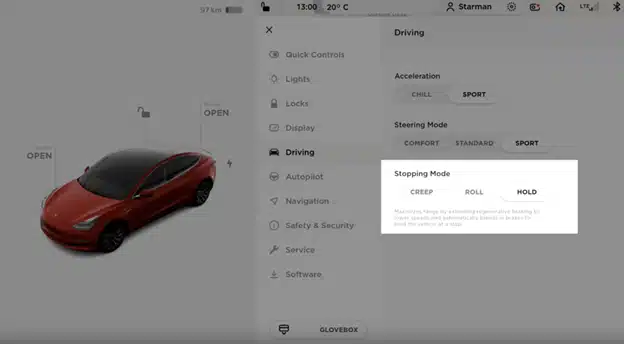
The Model 3 allows you to drive using just one pedal. Press the accelerator to move forward. Take your foot off to slow down and stop. This method lets you control speed smoothly. It reduces the need to switch between pedals. Many find it simple and fun to use. It also saves energy by recharging the battery while slowing down.
Credit: driven2drive.com
Efficiency Benefits
Tesla Model 3’s regenerative braking improves the car’s overall efficiency. It captures energy that usually gets lost during braking. This energy goes back to the battery. This process helps the car run longer and reduces wear on the brake parts.
Battery Range Extension
Regenerative braking sends energy back to the battery. This energy comes from the car slowing down. It turns motion into electricity. This extra power helps extend the driving range. Drivers can travel farther without recharging as often. This makes the Model 3 more practical for daily use. It also reduces energy waste during stops.
Reduced Brake Wear
The system uses the electric motor to slow the car. It reduces the use of traditional brakes. This lowers the wear and tear on brake pads and discs. Fewer brake replacements are needed. This saves money and time on maintenance. The brake system lasts longer and stays more reliable. It also keeps the car safer by maintaining better brake performance.
Customization And Settings
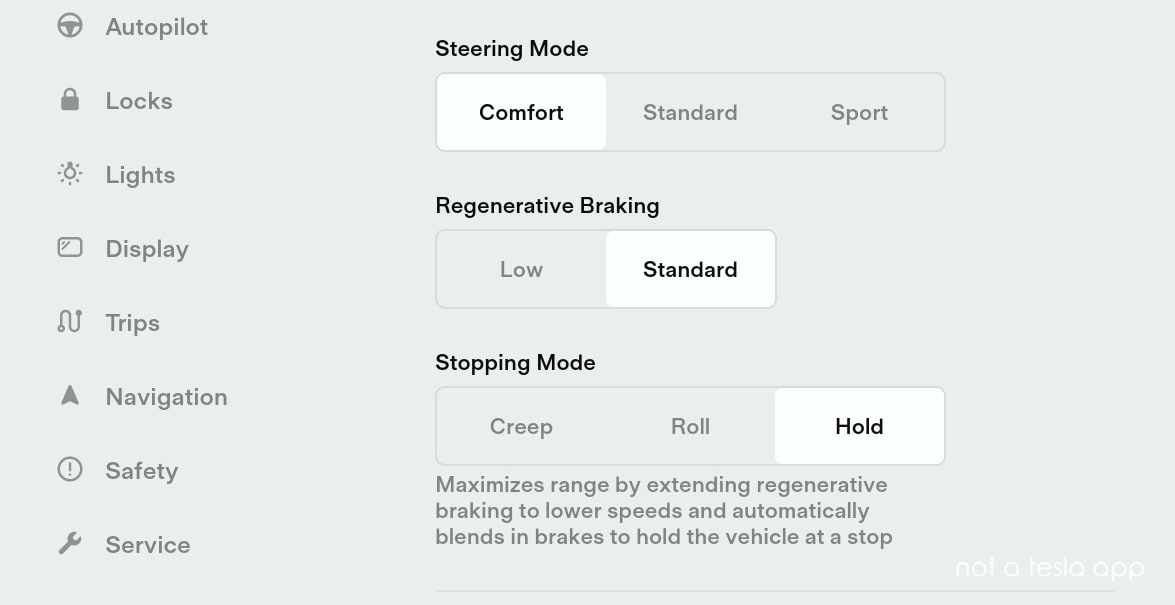
The Tesla Model 3 offers options to customize regenerative braking. This lets drivers choose how the car recovers energy when slowing down. Custom settings help match the car’s feel to your driving habits. It can make driving smoother or more efficient, depending on your choice.
Adjusting Regenerative Braking Levels
Drivers can select between different braking levels in the car’s menu. Usually, there are two options: “Standard” and “Low.” Standard mode recovers more energy and slows the car faster when you lift your foot. Low mode feels more like a traditional brake and slows down less. Adjusting these levels changes how the car responds when you stop or slow down.
Impact On Driving Style
The chosen regenerative braking level affects how you drive. Higher regeneration means you use the accelerator pedal to control speed more. You may brake less often, as the car slows quickly on its own. Lower regeneration requires more use of the brake pedal, similar to regular cars. Choosing the right setting helps you drive comfortably and saves energy.
Comparison With Traditional Braking
Tesla Model 3 uses regenerative braking, which differs from traditional braking systems. Traditional brakes rely on friction to slow the car. This friction turns movement into heat, which is wasted energy. Regenerative braking captures some of that energy and sends it back to the battery. This section compares these two braking types.
Differences In Energy Recovery
Traditional brakes lose energy as heat during stopping. Tesla’s regenerative braking recovers energy and stores it in the battery. The electric motor works as a generator during braking. It converts kinetic energy into electrical energy. This process helps increase the driving range of the car. Regular brakes do not have this feature. Tesla Model 3 uses this system to improve efficiency.
Safety And Performance
Both braking systems ensure safe stopping. Tesla combines regenerative and traditional brakes for best results. Regenerative braking handles most of the slowing under light braking. The traditional brakes engage under heavy braking or emergencies. This setup keeps braking smooth and reliable. Drivers notice less brake wear and longer brake life. The car’s computer manages the transition between both brakes seamlessly.
Maintenance And Longevity
The Tesla Model 3 uses regenerative braking to slow down and recharge the battery. This system affects how the car needs maintenance and how long its parts last. Understanding these effects helps owners keep their car in good shape. It also helps extend the life of important components.
Brake System Wear
Regenerative braking reduces wear on the brake pads and discs. The electric motor slows the car first, so the brakes are used less often. This means brake parts last longer and need fewer replacements. It also lowers maintenance costs over time. Regular checks are still important to ensure the brake system works well.
Battery Health Considerations
Regenerative braking puts some load on the battery by charging it during deceleration. The Model 3’s battery management system controls this process carefully. It prevents overcharging and keeps the battery healthy. Good battery health means longer driving range and better car performance. Avoiding extreme temperatures and fast charging helps protect the battery too.
Credit: pimpmyev.com
Conclusion
Tesla Model 3’s regenerative braking saves energy while driving. It turns braking into electric power. This helps extend the car’s battery life. Drivers feel smoother and more controlled stops. The system also reduces wear on brake parts. It makes driving more efficient and eco-friendly.
Understanding this feature helps you appreciate Tesla’s technology. It shows how electric cars use energy smartly. This tech supports cleaner, greener travel every day.
FAQs Of How Does Tesla Model 3 Regenerative Braking Work
How Does Tesla Model 3 Regenerative Braking Save Energy?
Tesla Model 3 regenerative braking converts kinetic energy into electrical energy. This energy recharges the battery during deceleration. It improves overall efficiency and extends driving range. Regenerative braking reduces wear on traditional brakes, saving maintenance costs.
What Triggers Regenerative Braking In Tesla Model 3?
Regenerative braking activates when the driver lifts off the accelerator pedal. The electric motor switches to generator mode. This slows the car naturally and recovers energy. It provides smooth deceleration without pressing the brake pedal.
Can Regenerative Braking Damage Tesla Model 3’s Battery?
No, regenerative braking is designed to protect the battery. Tesla’s system manages energy flow carefully. It prevents overcharging and overheating during energy recovery. This ensures battery health and longevity are maintained.
Is Regenerative Braking Adjustable In Tesla Model 3?
Yes, Tesla allows drivers to customize regenerative braking strength. Settings range from “Low” to “Standard” modes. Adjusting this changes how quickly the car slows when lifting off the accelerator. It helps tailor driving feel and energy recovery.
Disclosure: As an Amazon Associate, I may earn from qualifying purchases at no extra cost to you. Amazon and the Amazon logo are trademarks of Amazon.com, Inc, or its affiliates.
- Amazon, Amazon Prime, the Amazon logo and Amazon Prime logo are trademarks of Amazon. com, Inc. or its affiliates.

I am Sadman, the founder of CarSensorHub.com, where I share my passion for cars and technology. I specialize in writing detailed reviews and helpful guides on car gadgets, accessories, safety tools and many more. My mission is to help car owners discover the best products and tips to improve their driving experience and stay safe on the road.