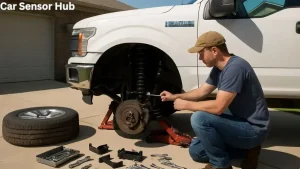
If your Ford F-150 has started shifting strangely, you might immediately think about the transmission or maybe the engine. But sometimes, the real troublemaker sits quietly on your wheel hub the ABS sensor. Many drivers don’t realize that a bad ABS sensor does more than trigger a warning light. In fact, it can affect how your F-150 shifts gears. This surprises even experienced truck owners.
Let’s explore how an ABS sensor works, why it matters for your F-150’s shifting, and what you should look out for if you suspect a problem. By the end, you’ll understand the unexpected link between braking sensors and transmission behavior, plus what to do if you run into these issues.
What Does An Abs Sensor Do?
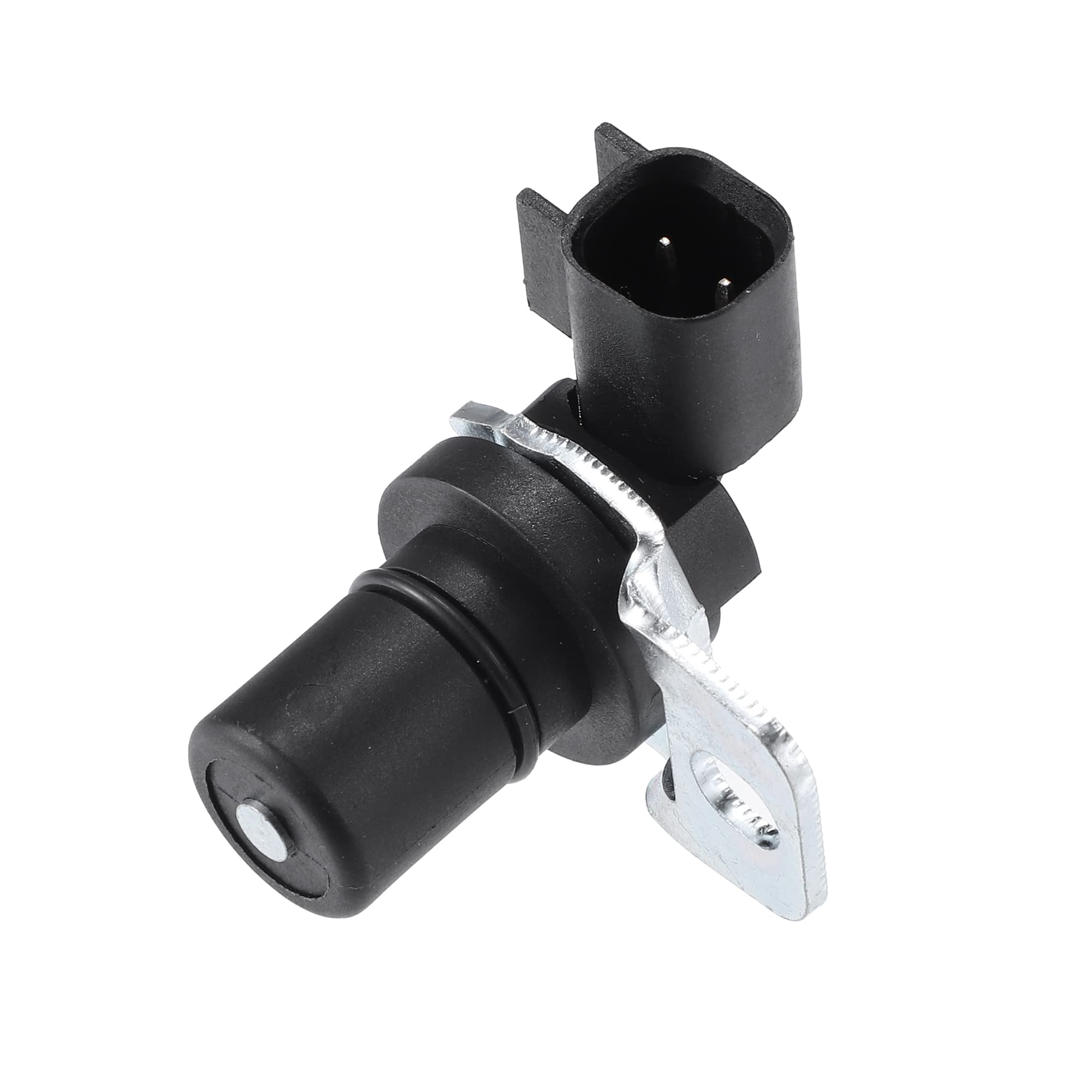
The ABS sensor (Anti-lock Braking System sensor) sits at each wheel of your F-150. Its main job is to monitor the wheel’s speed and send this data to the truck’s computer. If one wheel moves slower than the others when you brake, the computer knows that wheel might lock up, and it quickly reduces brake pressure to prevent skidding.
But the ABS sensor’s role doesn’t stop at braking. The wheel speed data helps with:
- Traction control (helps you keep grip on slippery roads)
- Stability control (keeps the truck steady during sharp turns or sudden moves)
- Transmission shifting (helps decide when the truck should change gears)
This last point is where many drivers get confused. Why would a braking sensor affect the way your truck shifts?
How Abs Sensor Data Impacts F-150 Transmission Shifting
Your F-150’s transmission relies on lots of sensors to know when to shift. The truck’s computer (PCM or TCM) combines engine speed, throttle position, and other readings. Wheel speed is a key piece of this puzzle.
For example, on newer F-150s, the transmission uses the ABS sensor data to:
- Match the engine and wheel speed when shifting gears
- Decide when to shift into overdrive or downshift
- Prevent hard or rough shifts, especially when starting or stopping
If the ABS sensor sends wrong or missing data, the transmission may get confused. It might delay shifts, shift harshly, or even stay stuck in one gear (sometimes called “limp mode”).

Credit: www.amazon.com
Signs Of A Bad Abs Sensor Affecting Shifting
A failing ABS sensor often shows up first as a warning light. But sometimes, the shifting problems appear before any warning appears on your dashboard.
Here are some real-world signs to watch for:
1. Delayed Shifting
You press the gas, but the truck doesn’t shift when it should. It feels slow to respond, especially between first and second gear.
2. Harsh Or Hard Shifts
The F-150 jerks or clunks when shifting, even under gentle acceleration.
3. Stuck In One Gear
The transmission won’t upshift or downshift, forcing you to drive slowly.
4. Abs Or Traction Light
The ABS or traction control warning light comes on. This often shows the sensor is sending bad data.
5. Unusual Braking Or Stability Problems
The truck may feel unstable or lose grip, especially in slippery conditions.
Many drivers miss the link between these symptoms and the ABS sensor. They may spend time and money on the transmission when the fix is actually much simpler.
Why Does A Bad Abs Sensor Cause Shifting Problems?
The core reason is communication. The F-150’s systems are deeply connected. When one part sends wrong information, others react in ways you may not expect.
- Transmission needs correct speed data: If the ABS sensor reads zero speed (even when moving), the transmission may not shift past first gear.
- Computer safety mode: When the truck’s computer senses missing data, it may limit shifting to protect the transmission. This is sometimes called “fail-safe” or “limp home” mode.
- Traction and stability disabled: These systems also use ABS data. Without it, the truck may disable traction control, which can further change how the transmission responds.
Not All F-150s Are Affected The Same Way
The impact of a bad ABS sensor depends on your F-150’s year and model:
- Older models (pre-2010) may use separate modules for ABS and shifting. A bad sensor may not affect the transmission.
- Newer models (2010 and up) often connect ABS, traction, and transmission controls. Problems in one can affect all the others.
Ford’s technical bulletins and mechanics confirm that from the 2010s onward, ABS sensor issues are a known cause of shifting problems.
Diagnosing A Bad Abs Sensor
If you suspect a bad ABS sensor, here’s how you (or your mechanic) can check:
1. Scan For Codes
Use an OBD-II scanner to read trouble codes. Look for codes starting with “C” (chassis) or “U” (communication). A code like C0035 points to a left front wheel speed sensor issue.
2. Visual Inspection
Check the sensor and wiring near the wheel. Look for cracks, broken wires, or dirt covering the sensor.
3. Test The Sensor With A Meter
Measure the sensor’s resistance using a multimeter. Compare the reading to the normal range (usually 1,000–2,500 ohms, but check your manual).
4. Check For Metal Shavings
Sometimes, metal from brake or bearing wear can cover the sensor, blocking its signal.
5. Spin The Wheel
With the truck lifted, spin the wheel and watch the sensor reading on a scan tool. It should change smoothly as the wheel turns.
Credit: www.amazon.com
Replacing A Faulty Abs Sensor
Replacing an ABS sensor is usually a straightforward job:
- Locate the sensor (usually bolted to the wheel hub)
- Disconnect the wiring harness
- Remove the old sensor and install the new one
- Reconnect everything and clear any codes with a scan tool
Sensors are affordable (often $20–$60 each), and you can often replace them with basic tools. However, if the wiring harness or connector is damaged, repairs may be more complex.
Common Mistakes When Dealing With Abs Sensor Issues
1. Assuming It’s The Transmission First
Many jump to costly transmission repairs before checking sensor data.
2. Ignoring Warning Lights
Some drive for weeks with the ABS or traction light on, risking further damage.
3. Not Cleaning The Sensor Area
Dirt and debris can block the sensor, so always clean before replacing.
4. Skipping A Scan Tool Check
Guessing which sensor is bad wastes time and money. Always scan first.
5. Not Checking The Wheel Bearings
Sometimes, a worn bearing can cause sensor problems. If you replace the sensor and the issue returns, check the bearing.

Credit: www.youtube.com
How To Prevent Abs Sensor Issues In Your F-150
Prevention is easier than a costly fix. Here’s what helps:
- Inspect brakes and hubs during regular service. Look for loose wires or broken connectors.
- Keep wheel wells clean, especially after off-road driving.
- Replace worn wheel bearings quickly, as they can damage the sensor.
- Don’t ignore warning lights—scan for codes as soon as a warning appears.
Real-world Example
A 2016 F-150 owner noticed rough shifting and an ABS light. A dealership quoted thousands for a new transmission. After a second opinion, a bad rear ABS sensor was found—costing just $50 to replace. The shifting returned to normal, and the warning lights went away.
This example shows why it’s important to consider the ABS sensor before jumping to major repairs.
Comparison: Abs Sensor Vs Other Common Shifting Issues
Here’s a look at how ABS sensor problems stack up against other transmission issues:
| Problem | Shifting Symptoms | Repair Cost | Warning Signs |
|---|---|---|---|
| Bad ABS Sensor | Delayed/rough shifting, limp mode | $50–$150 | ABS/traction light, error codes |
| Transmission Solenoid | Hard/erratic shifts, stuck in gear | $200–$500 | Check engine light, codes |
| Low Transmission Fluid | Slipping, delayed engagement | $100–$250 | Burnt smell, leaks |
| Worn Clutch Pack | Slipping, flaring RPMs | $1,000–$2,500 | Noises, slipping under load |
When To See A Mechanic
You can replace an ABS sensor at home if you’re comfortable with basic repairs. But see a professional if:
- The warning lights stay on after replacing the sensor
- Shifting problems continue
- The wiring looks damaged or corroded
A mechanic has advanced scan tools to check live data and see if the sensor is sending correct signals.
Key Takeaways For F-150 Owners
- A bad ABS sensor can absolutely affect shifting, especially on newer F-150s.
- If you notice rough, delayed, or stuck shifts along with ABS/traction lights, check the sensors first.
- Scanning for codes is the fastest way to confirm the problem.
- Replacing a sensor is usually simple and much cheaper than transmission repairs.
- Regular inspection and cleaning can prevent sensor failure.
Quick Reference: Symptoms And Fixes
Here’s a fast look at what to watch for and what to do:
| Symptom | Possible Cause | Recommended Action |
|---|---|---|
| Delayed shifting | Bad ABS sensor | Scan for codes, replace sensor |
| ABS/traction light on | Sensor or wiring issue | Inspect and test sensor |
| Truck stuck in one gear | No wheel speed data | Replace faulty sensor |
| Unstable on slippery roads | Sensor failure disables traction/stability | Restore sensor function |
Where To Find More Information
For more detailed technical data about the F-150’s ABS and transmission systems, Ford’s official service site or Wikipedia provides a helpful overview.
Frequently Asked Questions Can Bad Abs Sensor Affect F-150 Shifting
Can A Bad Abs Sensor Cause My F-150 To Go Into Limp Mode?
Yes, if the truck’s computer can’t read wheel speed, it may limit the transmission to one gear to protect it. This is sometimes called “limp home mode. ”
Will A Bad Abs Sensor Always Trigger A Warning Light?
Usually yes, but not always. Sometimes, the sensor fails gradually, and shifting problems may appear before the ABS or traction light comes on.
Is It Safe To Drive My F-150 With A Bad Abs Sensor?
Short-term, you can drive, but you lose important safety features like anti-lock brakes and traction control. Shifting problems can also make driving unpredictable.
Can I Replace An Abs Sensor Myself?
Yes, with basic tools and some patience, most F-150 owners can replace the sensor at home. Be sure to scan for codes first so you know which sensor to change.
How Much Does It Cost To Fix A Bad Abs Sensor?
Parts usually cost $20–$60 each. If you pay a mechanic for labor, expect $100–$200 total. It’s much cheaper than major transmission repairs.
A bad ABS sensor is a small part with a big impact. Paying attention to the first signs can save you money and prevent bigger problems down the road. If your F-150 starts shifting oddly, don’t overlook the humble wheel speed sensor—it could be the key to getting your truck back to normal.
Disclosure: As an Amazon Associate, I may earn from qualifying purchases at no extra cost to you. Amazon and the Amazon logo are trademarks of Amazon.com, Inc, or its affiliates.
- Amazon, Amazon Prime, the Amazon logo and Amazon Prime logo are trademarks of Amazon. com, Inc. or its affiliates.

I am Sadman, the founder of CarSensorHub.com, where I share my passion for cars and technology. I specialize in writing detailed reviews and helpful guides on car gadgets, accessories, safety tools and many more. My mission is to help car owners discover the best products and tips to improve their driving experience and stay safe on the road.