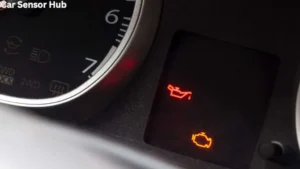
Have you ever noticed your oil pressure warning light flicker on your dashboard and wondered what’s going on under the hood? Your oil pressure sensor plays a crucial role in keeping your engine safe by monitoring the oil flow.
But when this sensor fails, it can cause false alarms or, worse, leave you unaware of real engine trouble. Understanding what causes your oil pressure sensor to fail can save you from costly repairs and unexpected breakdowns. You’ll discover the common reasons behind sensor failure and how to spot the warning signs early.
Keep reading to protect your engine and keep your car running smoothly.

Credit: www.carparts.com
Common Oil Pressure Sensor Issues
Oil pressure sensors are vital for your engine’s health. They keep track of oil pressure and alert you to problems. Several common issues can cause these sensors to fail. Understanding these issues helps you spot problems early. This saves you from costly repairs and engine damage.
Sensor Wear And Tear
Sensors face constant heat and pressure inside the engine. Over time, this causes parts to wear out. A worn sensor may give false readings or stop working. Replacing old sensors on time keeps your car safe.
Electrical Connection Problems
Oil pressure sensors rely on electrical wires to send signals. Loose or corroded connections interrupt this signal. This causes the sensor to fail or send wrong data. Checking wires regularly can prevent these issues.
Contamination And Debris
Dirt and metal particles can clog the sensor’s openings. This blocks oil flow and affects sensor readings. Keeping your engine clean reduces contamination risks. Regular oil changes also help avoid debris build-up.
Oil Quality Impact
Poor oil quality harms the sensor and engine parts. Dirty or thick oil makes it hard for the sensor to work. Using the correct oil type and changing it often protects the sensor. Good oil keeps the engine running smoothly.
Effects Of High Engine Temperature
High engine temperature can cause serious problems for the oil pressure sensor. This sensor measures the oil pressure inside the engine. When the temperature rises too much, the sensor may stop working correctly. This leads to wrong readings or sensor failure. Understanding the effects of heat helps protect the sensor and keep the engine safe.
Heat Damage To Sensor Components
Extreme heat can damage the sensor’s internal parts. The plastic or metal pieces inside may warp or crack. This stops the sensor from working properly. Heat causes wires to weaken and break. The sensor may lose connection to the engine system. Over time, heat damage makes the sensor unreliable or useless.
Oil Breakdown And Sensor Failure
High engine temperature causes oil to break down faster. Old oil does not flow well and may clog the sensor. Dirty or thick oil can block the pressure path. This gives false oil pressure readings. The sensor may fail to detect low oil pressure. As a result, the engine can suffer damage without warning.
Impact Of Low Oil Levels
Low oil levels affect the oil pressure sensor in many ways. The sensor relies on steady oil flow to measure pressure correctly. Without enough oil, the sensor may give false readings or fail completely.
Engines need proper oil levels to keep parts moving smoothly. Low oil can cause the sensor to sense pressure changes that are not real. This leads to warning lights or engine problems.
Inadequate Oil Flow
Low oil reduces the amount of oil reaching the sensor. The sensor depends on constant oil flow to detect pressure accurately. Without enough oil, the sensor cannot measure pressure well.
Inadequate flow causes the sensor to misread pressure. It may show low pressure even when the engine is fine. This confuses drivers and can cause unnecessary repairs.
Pressure Fluctuations
Oil pressure can jump up and down with low oil levels. The sensor detects these quick changes and may fail from stress. Fluctuating pressure wears out the sensor’s parts faster.
Pressure changes also trigger false alarms. The sensor signals problems that are not there. This makes it hard to trust the sensor’s readings over time.

Credit: bulletproofdiesel.com
Role Of Mechanical Damage
The oil pressure sensor plays a vital role in monitoring engine health. Mechanical damage often causes this sensor to fail. Such damage interferes with accurate pressure readings. The sensor may stop working or give wrong signals. Understanding the types of mechanical damage helps prevent sensor failure and costly repairs.
Physical Sensor Damage
The sensor can suffer physical harm from impacts or debris. Road stones or engine parts may hit the sensor. Cracks, dents, or broken wires can result. This damage disrupts the sensor’s ability to measure pressure. Dirt and oil buildup may also block sensor openings. Any physical damage reduces sensor accuracy and lifespan.
Installation Errors
Improper installation leads to sensor failure over time. Over-tightening the sensor can cause cracks or stress. Loose fitting allows oil leaks and false readings. Using the wrong tools or parts damages sensor threads. Incorrect placement exposes the sensor to heat and vibration. Proper installation ensures the sensor functions correctly and lasts longer.
Electrical System Malfunctions
Electrical system problems often cause oil pressure sensor failure. The sensor relies on electrical signals to work well. Any issue in the wiring or connectors can stop it from sending accurate readings. This leads to wrong oil pressure warnings or no warning at all. Understanding these electrical faults helps to spot sensor problems early. It also prevents engine damage due to missed alerts.
Wiring Issues
Damaged or frayed wires can break the connection to the sensor. Wires may wear out from heat, movement, or age. Loose wires cause signals to cut off or become weak. This leads to false readings or sensor failure. Regularly checking the wiring for damage is important. Repairing or replacing faulty wires keeps the sensor working properly.
Faulty Connectors
Connectors join the sensor to the car’s electrical system. Over time, connectors can become corroded or dirty. This blocks the electrical flow to the sensor. Loose connectors also cause intermittent signal loss. Both problems make the sensor give incorrect data. Cleaning and securing connectors prevents these faults. Replacing broken connectors restores proper sensor function.
Signal Interference
Other electrical devices can interfere with the sensor’s signals. Strong electromagnetic fields may disrupt the sensor’s readings. This causes the sensor to send false oil pressure levels. Poor shielding of wires increases the risk of interference. Keeping sensor wires away from high-power cables helps. Using shielded wires also reduces signal disruption.
Sensor Design And Manufacturing Defects
Oil pressure sensors are vital for engine health. These sensors must be accurate and durable. Sometimes, they fail early due to design or manufacturing faults. Such defects can cause wrong readings or complete sensor failure. Understanding these causes helps in choosing reliable sensors and avoiding engine issues.
Material Quality
Low-quality materials can cause sensor failure. Sensors made from weak metals or plastics wear out fast. Poor materials may crack or corrode inside the engine. These problems lead to inaccurate pressure readings. Reliable sensors use strong, heat-resistant materials. They withstand engine heat and pressure better.
Production Flaws
Production mistakes affect sensor performance. Poor assembly or wrong calibration can cause errors. Tiny cracks or loose parts inside the sensor cause leaks. Sensors with these flaws send false signals to the engine control unit. This can trigger warning lights or engine shutdown. Quality control during manufacturing reduces such risks.
Preventing Oil Pressure Sensor Failures
Preventing oil pressure sensor failures helps keep your engine running smoothly. The sensor tells you if oil pressure drops, avoiding engine damage. Taking simple steps can extend the sensor’s life and save you money.
Proper care of your vehicle keeps the sensor working well. Avoiding failure means fewer repairs and safer driving. Here are key ways to prevent sensor problems.
Regular Maintenance Tips
Check your oil level often to avoid low pressure. Change the oil and filter as the manual says. Clean oil helps the sensor work right. Inspect wiring and sensor connections for dirt or damage. Fix any leaks quickly to stop oil loss. Regular checks catch problems early before damage starts.
Using Quality Oil And Parts
Use oil that meets your car maker’s standards. Cheap or wrong oil can harm the sensor. Choose filters and parts from trusted brands. Poor parts wear out fast and cause sensor errors. Quality oil and parts protect your engine and sensor. They keep pressure steady and sensor readings accurate.
Timely Sensor Replacement
Replace the oil pressure sensor as recommended by your car guide. Old sensors can give false warnings or stop working. Don’t wait for a warning light to change the sensor. Early replacement avoids engine damage and costly repairs. Use a new sensor that fits your vehicle exactly.

Credit: www.youtube.com
Frequently Asked Questions
What Are Common Reasons Oil Pressure Sensors Fail?
Oil pressure sensors often fail due to dirt buildup, oil contamination, or electrical issues. Excessive heat or vibration can also damage the sensor’s internal components, leading to inaccurate readings or sensor failure.
How Does Low Oil Pressure Affect The Sensor?
Low oil pressure can cause the sensor to malfunction by disrupting its ability to accurately detect oil flow. Prolonged low pressure may damage the sensor’s electrical parts, resulting in false warning signals or sensor failure.
Can Dirty Oil Cause Oil Pressure Sensor Failure?
Yes, dirty oil can clog the sensor orifices and impair performance. Contaminants in the oil can damage the sensor’s sensitive components, leading to incorrect pressure readings and eventual sensor failure.
Is A Faulty Oil Pressure Sensor Dangerous?
A faulty sensor can give false readings, causing delayed warnings of real engine issues. This may lead to engine damage if low oil pressure goes unnoticed due to sensor failure.
Conclusion
Oil pressure sensor failure often starts with dirt or wear. Sensors face heat and oil exposure daily. Wiring problems or poor installation can also cause issues. Ignoring sensor trouble risks engine damage. Regular checks help catch problems early. Fixing or replacing a bad sensor keeps your engine safe.
Stay alert to warning signs and act fast. Good maintenance extends sensor life and protects your car. Simple care prevents costly repairs later.
Disclosure: As an Amazon Associate, I may earn from qualifying purchases at no extra cost to you. Amazon and the Amazon logo are trademarks of Amazon.com, Inc, or its affiliates.
- Amazon, Amazon Prime, the Amazon logo and Amazon Prime logo are trademarks of Amazon. com, Inc. or its affiliates.

I am Sadman, the founder of CarSensorHub.com, where I share my passion for cars and technology. I specialize in writing detailed reviews and helpful guides on car gadgets, accessories, safety tools and many more. My mission is to help car owners discover the best products and tips to improve their driving experience and stay safe on the road.