Is your car acting up, and you suspect something might be wrong with the oil pressure sensor? You’re not alone.
When this small but important part starts to fail, it can cause big problems for your engine. But how do you know if the oil pressure sensor is really bad? You might notice warning signs that are easy to miss at first.
Understanding these symptoms early can save you from costly repairs and keep your car running smoothly. Keep reading to learn the key signs of a bad oil pressure sensor and what you should do next to protect your vehicle.
Credit: repairpal.com
Common Oil Pressure Sensor Symptoms
Oil pressure sensors play a vital role in your car’s health. They monitor oil pressure and send data to your dashboard. When these sensors fail, they show clear signs. Recognizing these signs early can help prevent engine damage.
Below are common oil pressure sensor symptoms that you should know.
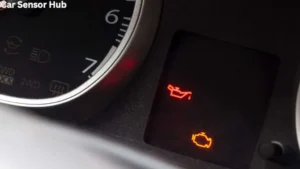
Dashboard Warning Lights
The oil pressure warning light may turn on unexpectedly. It often appears as an oil can symbol. This light signals low oil pressure or a sensor issue. Ignoring it can lead to severe engine problems.
Fluctuating Oil Pressure Gauge
The oil pressure gauge may jump up and down. This erratic behavior often points to a bad sensor. The gauge might show high pressure one moment and low the next. This can confuse drivers and mask real oil pressure issues.
Engine Noise And Ticking Sounds
A faulty oil pressure sensor may cause strange engine noises. Ticking or knocking sounds could mean low oil flow. The engine parts lack proper lubrication without enough oil pressure. This noise warns of possible damage ahead.
Oil Leaks Near Sensor
Oil leaks can appear around the sensor area. A damaged sensor seal or faulty installation often causes leaks. Visible oil near the sensor is a clear sign of trouble. Leaks reduce oil levels and pressure, risking engine health.
Poor Engine Performance
A bad oil pressure sensor can affect engine power. The engine may run rough or stall unexpectedly. Reduced oil pressure triggers safety measures that lower performance. This symptom often signals sensor failure or oil system problems.

Credit: www.carparts.com
Causes Of Oil Pressure Sensor Failure
The oil pressure sensor plays a vital role in keeping your engine safe. It measures the oil pressure and sends this data to the vehicle’s computer. When the sensor fails, it can give wrong readings or stop working. Understanding the causes of oil pressure sensor failure helps in spotting problems early. This section covers the common reasons why these sensors fail.
Wear And Tear Over Time
Oil pressure sensors are mechanical parts. They wear down with use over time. Heat, vibration, and engine movement affect their lifespan. Constant exposure to engine heat can damage sensor components. Older sensors tend to give inaccurate readings or stop working.
Contaminated Oil
Dirty or contaminated oil can harm the sensor. Dirt, sludge, or metal particles clog the sensor’s tiny parts. This blockage affects the sensor’s ability to measure pressure correctly. Using old or low-quality oil speeds up sensor damage.
Electrical Issues
The sensor relies on electrical connections to send signals. Loose wires or corroded connectors disrupt this flow. Short circuits or damaged wiring cause sensor errors. Moisture or dirt inside connectors can also cause problems.
Improper Installation
Installing the sensor incorrectly causes early failure. Over-tightening can crack the sensor body. Loose fitting leads to oil leaks and faulty readings. Using the wrong sensor model also affects performance and lifespan.
Impact Of A Faulty Oil Pressure Sensor
A faulty oil pressure sensor can cause serious problems for your car’s engine and your driving experience. This small part plays a big role in keeping the engine safe by monitoring oil pressure. When it fails, it affects how the engine runs and how you get warnings about oil levels.
Understanding the impact of a bad oil pressure sensor helps you know why quick action matters. It can prevent costly repairs and keep your engine working well.
Engine Damage Risks
The oil pressure sensor tells the engine if the oil pressure is too low. Low oil pressure means less oil reaches important parts. Without enough oil, the engine parts rub together and wear out fast.
A broken sensor might not warn you about low oil pressure. This can cause serious engine damage. You could face engine failure or need expensive repairs.
Inaccurate Oil Pressure Readings
A bad sensor gives wrong information to the dashboard gauge. It can show normal oil pressure even if the pressure is low. This false reading makes you think the engine is safe.
Wrong readings stop you from fixing oil problems early. Over time, this damages the engine and reduces its life.
False Alarms And Stress
Sometimes, a faulty sensor causes the oil warning light to flash without real problems. This can stress drivers and cause confusion on the road.
Frequent false alarms lead to ignoring real warnings. This habit puts the engine at risk of serious damage.

Credit: www.youtube.com
Diagnosing Oil Pressure Sensor Problems
Diagnosing oil pressure sensor problems is important to keep your engine safe. A faulty sensor can cause wrong oil pressure readings. This may lead to engine damage if not fixed early. There are simple ways to check if the sensor is bad. These methods help identify the exact problem quickly.
Visual Inspection
Start by checking the sensor and its wiring. Look for cracks, leaks, or loose connections. Dirt or oil on the sensor can cause wrong readings. Clean the sensor gently with a cloth. Make sure the wiring is not broken or frayed. Replace any damaged parts immediately.
Using A Mechanical Oil Pressure Gauge
A mechanical gauge gives a direct oil pressure reading. Remove the sensor and attach the gauge to the engine. Start the engine and watch the gauge. Compare the reading to your vehicle’s specifications. If the gauge shows normal pressure but the sensor does not, the sensor is faulty. If pressure is low, check the oil level or pump.
Reading Diagnostic Trouble Codes
Use an OBD-II scanner to read error codes from your car. The codes may show sensor or oil pressure issues. Clear the codes and run the engine again. If the codes come back, the problem is real. This tool helps confirm sensor problems without guesswork.
Fixing And Replacing The Sensor
Fixing or replacing a bad oil pressure sensor is important to keep your engine safe. A faulty sensor can give wrong readings, causing confusion or damage. Knowing how to pick the right sensor and replace it can save time and money.
Choosing The Right Sensor
Pick a sensor that matches your car’s make and model. Use original equipment manufacturer (OEM) parts for best fit and quality. Check the sensor’s voltage and thread size. Avoid cheap, low-quality sensors to prevent future problems.
Diy Replacement Steps
Start by disconnecting the car battery to avoid shocks. Locate the old oil pressure sensor near the engine block. Use a wrench to carefully remove the sensor. Put the new sensor in place and tighten it securely. Reconnect the battery and start the engine to check for leaks or warning lights.
When To Seek Professional Help
Call a mechanic if the sensor is hard to reach or stuck. Seek help if oil leaks after replacement. Get professional advice when the oil pressure warning stays on. Experts can also test the sensor and the oil system accurately.
Preventing Oil Pressure Sensor Issues
Preventing oil pressure sensor issues helps keep your engine safe and running smoothly. The sensor monitors oil flow and warns of low pressure. Ignoring sensor problems can lead to engine damage. Simple steps can reduce the risk of sensor failure.
Regular Oil Changes
Changing oil regularly keeps the engine clean and oil flowing well. Old oil can clog the sensor or cause it to give false readings. Follow the manufacturer’s schedule for oil changes. Use the right oil type for your vehicle. Fresh oil protects the sensor and engine parts.
Maintaining Proper Oil Levels
Check oil levels often to avoid low pressure problems. Too little oil can damage the sensor and engine. Too much oil may cause leaks or sensor errors. Use the dipstick to measure oil levels. Add oil carefully to keep it within recommended limits.
Routine Vehicle Inspections
Inspect your vehicle regularly for signs of oil pressure sensor issues. Look for warning lights or unusual engine noises. Have a mechanic check the sensor during oil changes or tune-ups. Early detection can prevent costly repairs and keep your car reliable.
Frequently Asked Questions
What Are Common Symptoms Of A Bad Oil Pressure Sensor?
Common symptoms include inaccurate oil pressure readings, oil warning light activation, engine noise, and poor engine performance. You may also notice fluctuating oil pressure gauge readings or engine overheating.
How Does A Faulty Oil Pressure Sensor Affect Engine Performance?
A faulty sensor can give false readings, causing the engine control unit to mismanage oil flow. This leads to poor lubrication, increased engine wear, and potential engine damage.
Can A Bad Oil Pressure Sensor Cause Engine Warning Lights?
Yes, a failing oil pressure sensor often triggers the oil warning light on the dashboard. This alerts you to potential oil pressure issues that need immediate attention.
How To Diagnose A Bad Oil Pressure Sensor?
Diagnosis involves checking oil pressure with a mechanical gauge and comparing it to sensor readings. If readings differ significantly, the sensor likely needs replacement.
Conclusion
A bad oil pressure sensor can cause many car problems. Watch for warning lights or unusual engine noises. Don’t ignore these signs; they help protect your engine. Getting the sensor checked early saves time and money. Keep your car running smooth and safe by staying alert.
Regular maintenance matters more than you think. Trust your instincts when something feels off. Taking quick action prevents bigger issues down the road.
Disclosure: As an Amazon Associate, I may earn from qualifying purchases at no extra cost to you. Amazon and the Amazon logo are trademarks of Amazon.com, Inc, or its affiliates.
- Amazon, Amazon Prime, the Amazon logo and Amazon Prime logo are trademarks of Amazon. com, Inc. or its affiliates.

I am Sadman, the founder of CarSensorHub.com, where I share my passion for cars and technology. I specialize in writing detailed reviews and helpful guides on car gadgets, accessories, safety tools and many more. My mission is to help car owners discover the best products and tips to improve their driving experience and stay safe on the road.