Have you ever noticed your oil pressure dropping when your engine heats up? It’s a warning sign you shouldn’t ignore.
Your engine’s oil pressure is crucial for keeping everything running smoothly, and a sudden drop can lead to serious damage. Understanding why this happens and what you can do about it could save you time, money, and frustration. Keep reading to learn the real reasons behind this issue and how to protect your engine before it’s too late.

Credit: www.reddit.com
Why Oil Pressure Matters
Oil pressure plays a key role in keeping your engine healthy. It pushes oil through the engine’s parts. This oil reduces friction and cools the engine. Without the right oil pressure, engine parts can wear out quickly.
Low oil pressure can cause serious engine damage. It stops oil from reaching important parts. This leads to overheating and metal-on-metal contact. The engine may fail if oil pressure stays low for long.
Protects Engine Components
Oil pressure ensures oil reaches all moving parts. This oil forms a thin layer between metal surfaces. The layer stops parts from rubbing directly. It prevents wear and tear, extending engine life.
Maintains Engine Temperature
Oil carries heat away from engine parts. High oil pressure helps oil flow faster. This cools the engine and avoids overheating. Proper temperature keeps the engine running smoothly.
Ensures Proper Lubrication
Good oil pressure delivers a steady oil supply. It lubricates bearings, pistons, and camshafts. This lubrication reduces friction and engine noise. It also improves fuel efficiency and power.
Prevents Engine Wear And Damage
Low oil pressure means less oil flow to parts. This causes friction and heat build-up. Over time, parts can warp or break. Keeping oil pressure stable prevents costly repairs.
Common Causes Of Oil Pressure Drops
Oil pressure is crucial for engine health. It keeps engine parts lubricated and cool. When oil pressure drops as the engine heats up, it signals a problem. Many issues cause this drop. Understanding them helps protect your engine and avoid costly repairs.
Worn Engine Bearings
Engine bearings support moving parts and keep them aligned. Over time, bearings wear out. This wear increases space between parts. Oil flows too quickly through these gaps. It reduces oil pressure, especially when the engine is hot.
Faulty Oil Pump
The oil pump pushes oil through the engine. A failing pump cannot maintain proper pressure. Worn gears or damaged parts inside the pump cause this. Oil pressure drops as the engine temperature rises.
Clogged Oil Filter
The oil filter traps dirt and debris. A clogged filter blocks oil flow. This blockage lowers oil pressure. Hot oil becomes thinner and harder to push through the filter.
Low Oil Level
Low oil level means less oil to circulate. The pump struggles to keep pressure up. Heat makes oil thinner, worsening the pressure drop. Check oil levels regularly to avoid this issue.
Oil Viscosity Issues
Viscosity means how thick or thin oil is. Hot engines need oil with proper thickness. Thin oil flows easily but may not keep pressure. Thick oil resists flow and maintains pressure better. Using wrong oil causes pressure problems.
Thermal Expansion Effects
Heat causes engine parts to expand. This expansion changes oil passages’ size. Larger passages let oil flow too fast. This reduces oil pressure when the engine is hot.
Symptoms Of Low Oil Pressure
Low oil pressure can cause serious engine damage. Recognizing its symptoms early helps protect your vehicle. The symptoms appear as your engine heats up and oil pressure drops.
Warning Lights And Gauges
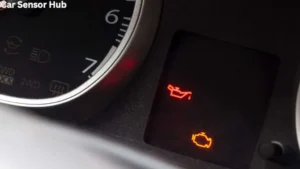
Your dashboard may show a warning light for oil pressure. This light usually looks like an oil can or says “Oil.” The oil pressure gauge might also drop to a low level. Ignoring these signs can lead to engine failure.
Engine Noise And Performance
Low oil pressure makes the engine noisy. You may hear knocking, ticking, or grinding sounds. The engine might run rough or lose power. These noises mean parts are not getting enough oil.
Oil Leaks And Smoke
Oil leaks can signal low oil pressure. Look under your car for oil spots. Smoke from the engine area also points to oil problems. Smoke usually smells burnt and can be white or blue.
Credit: heavyvehicleinspection.com
How Heat Affects Oil Pressure
Engine heat makes oil thinner, causing oil pressure to drop. As oil warms, it flows more easily and pressure falls. This is normal in most engines during operation.
Oil Thinning At High Temperatures
Engine oil becomes thinner as the engine temperature rises. Heat causes the oil’s viscosity to drop. Thinner oil flows more easily but cannot maintain the same pressure. This drop in oil thickness leads to lower oil pressure readings. Lower pressure means less force pushing oil through the engine. This change can affect how well the oil protects engine parts.
Impact On Engine Components
Lower oil pressure affects engine parts that need constant lubrication. Moving parts like pistons and bearings rely on oil pressure to stay protected. Reduced pressure allows metal parts to rub against each other. This rubbing can cause wear and tear faster than normal. Over time, it can lead to engine damage or failure. Proper oil pressure is crucial for engine health, especially at high temperatures.
Quick Fixes To Restore Oil Pressure
Oil pressure drops can harm your engine if not fixed fast. Quick fixes often solve the problem without big costs. Start with simple steps to check the oil system and keep the engine safe.
Checking And Topping Off Oil
Low oil level is a common cause of pressure drops. Check the oil using the dipstick when the engine is cool. Add the right amount of oil if it is low. Avoid overfilling, as it can cause other problems.
Replacing Oil Filter
A clogged oil filter blocks oil flow and lowers pressure. Replace the oil filter regularly during oil changes. Use filters recommended by the vehicle maker for best results. Clean oil flows better and keeps pressure steady.
Using Correct Oil Grade
Oil thickness affects pressure, especially when the engine is hot. Use the oil grade recommended in your owner’s manual. Thicker oil may cause low pressure in hot engines. Thinner oil can leak and reduce protection. Match the oil to your engine’s needs.
Inspecting Oil Pump
The oil pump pushes oil through the engine. A worn or broken pump lowers pressure quickly. Listen for strange noises from the pump area. Have a mechanic inspect or replace the pump if needed. A good pump keeps oil flowing at the right pressure.
Addressing Engine Wear
Old engines may have worn parts that cause pressure drops. Worn bearings or seals let oil escape or reduce flow. Check for leaks or unusual engine sounds. Repairing worn parts can restore oil pressure and engine life. Regular maintenance helps prevent serious wear.

Credit: www.fram.com
Preventing Future Oil Pressure Issues
Preventing oil pressure problems helps keep your engine healthy. Low oil pressure can cause serious engine damage. Taking simple steps can protect your engine and save money on repairs. Focus on keeping oil pressure steady as the engine heats up. This section shares easy ways to avoid future issues.
Regular Maintenance Tips
Change your oil regularly. Old oil loses its ability to lubricate well. Replace the oil filter at every oil change. Clean oil filters remove dirt and debris. Check the oil level often. Low oil can cause pressure drops. Inspect the oil pump during service. A faulty pump reduces oil flow. Keep engine parts clean to avoid blockages.
Choosing The Right Oil
Use oil that matches your engine’s needs. Check your owner’s manual for the recommended grade. Thinner oil flows easier at high temperatures. Thicker oil protects better when cold. Synthetic oils handle heat better than regular oils. They maintain pressure more consistently. Avoid mixing different oil types to keep performance steady.
Monitoring Engine Temperature
Keep an eye on your engine’s temperature gauge. Overheating lowers oil pressure quickly. Address cooling system problems right away. Check coolant levels and radiator condition. Use a quality thermostat to regulate temperature. Avoid driving hard when the engine is very hot. Cooling your engine helps maintain proper oil pressure.
Frequently Asked Questions
Why Does Oil Pressure Drop When Engine Heats Up?
Oil thins as engine temperature rises, reducing pressure. Hot oil flows faster, causing a drop in pressure. This is normal but should stay within safe limits to protect engine parts from damage.
Is Low Oil Pressure Dangerous For My Engine?
Yes, low oil pressure can cause serious engine damage. It reduces lubrication, increasing friction and wear. If pressure drops too low, it can lead to overheating and engine failure. Immediate inspection is necessary to prevent costly repairs.
How Can I Fix Oil Pressure Dropping When Hot?
Check oil level and quality first. Replace old or thin oil with the correct grade. Inspect the oil pump and pressure relief valve for faults. Fixing leaks and worn engine parts also helps maintain stable pressure.
Can Wrong Oil Cause Pressure To Drop When Hot?
Yes, using oil with incorrect viscosity causes pressure issues. Thinner oil at high temperatures leads to faster flow and lower pressure. Always use manufacturer-recommended oil grades to ensure proper lubrication and maintain pressure.
Conclusion
Oil pressure dropping as the engine heats up can signal trouble. Watch for signs like warning lights or unusual noises. Regular oil changes keep your engine running smoothly. Check oil levels often to avoid damage. Catching problems early saves time and money.
Stay alert and keep your engine healthy. Small steps prevent big repairs down the road. Your car will thank you with better performance and longer life.
Disclosure: As an Amazon Associate, I may earn from qualifying purchases at no extra cost to you. Amazon and the Amazon logo are trademarks of Amazon.com, Inc, or its affiliates.
- Amazon, Amazon Prime, the Amazon logo and Amazon Prime logo are trademarks of Amazon. com, Inc. or its affiliates.

I am Sadman, the founder of CarSensorHub.com, where I share my passion for cars and technology. I specialize in writing detailed reviews and helpful guides on car gadgets, accessories, safety tools and many more. My mission is to help car owners discover the best products and tips to improve their driving experience and stay safe on the road.