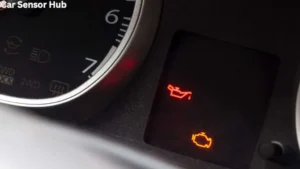
When you see an oil pressure warning code pop up on your car’s dashboard, it’s natural to feel concerned. But what if you clear the code, only for it to come back soon after? This situation can be frustrating, especially if you’re not sure what’s causing the problem or how serious it is.
Many drivers have faced this issue an oil pressure code that keeps coming back after a reset. Let’s explore what this means, why it happens, and most importantly, what you can do to fix it.
Understanding the deeper reasons behind a recurring oil pressure code is important for keeping your engine safe and avoiding costly repairs. We’ll break down the most common causes, explain how to diagnose them, and offer clear steps you can take.
You’ll also learn about common mistakes, why simply clearing the code isn’t enough, and the risks of ignoring the warning.
What Does An Oil Pressure Code Mean?
Before you can fix a problem, you need to understand what it is. An oil pressure code is triggered when your car’s computer detects that the oil pressure in the engine is too low or too high. The most common codes are P0520, P0521, P0522, and P0523. These codes are often linked to the oil pressure sensor.
Your car’s engine oil is responsible for lubricating moving parts, reducing friction, and carrying away heat. If oil pressure drops, parts may not get enough lubrication. If it’s too high, it may indicate a blockage or malfunction. Either way, ignoring an oil pressure warning can quickly lead to engine damage.
Typical Oil Pressure Codes
| Code | Meaning | Possible Issue |
|---|---|---|
| P0520 | Oil Pressure Sensor/Switch Malfunction | Sensor, wiring, or oil system problem |
| P0521 | Oil Pressure Sensor Range/Performance | Sensor out of range, oil issues |
| P0522 | Oil Pressure Too Low | Low oil, pump, blockage |
| P0523 | Oil Pressure Too High | Blocked passage, sensor fault |
Why Does The Oil Pressure Code Keep Coming Back?
Resetting the code erases the warning temporarily, but it does not fix the cause. The moment your car’s computer detects the same issue, it triggers the code again. This means there’s an unresolved problem. Sometimes, the issue can be simple, like a faulty sensor.
Other times, it can be more serious, like oil starvation or internal engine damage.
Common Reasons For Recurring Oil Pressure Codes
1. Faulty Oil Pressure Sensor
The sensor itself can fail or become unreliable. Over time, heat and vibration can damage it, causing false readings.
2. Wiring Or Connector Problems
Damaged or corroded wiring between the sensor and the ECU can send bad signals, making the code return.
3. Low Oil Level
If your engine doesn’t have enough oil, pressure drops. Even after a reset, the code will come back unless you add oil.
4. Oil Pump Failure
The oil pump is responsible for moving oil through the engine. If it fails, the pressure will drop, triggering the code.
5. Blocked Oil Passages
Sludge buildup or debris can block the oil’s path, reducing pressure.
6. Oil Filter Issues
A clogged or incorrect oil filter can restrict flow, leading to pressure problems.
7. Internal Engine Wear
Worn bearings or other parts can make it hard to maintain proper oil pressure.
8. Oil Type Or Quality
Using the wrong oil viscosity or old, degraded oil can affect pressure.
9. Ecu Or Software Problems
Sometimes, the car’s computer can have glitches or outdated software.
Understanding which of these is the real cause is key to fixing the issue for good.
Diagnosing The Real Problem
You don’t have to be a mechanic to start diagnosing a recurring oil pressure code. Here’s how you can approach it step by step.
Step 1: Check The Oil Level And Condition
Low oil is one of the most common and easiest issues to check. Make sure your engine is cool, then pull out the dipstick and look at the oil level. It should be between the “min” and “max” marks. Also, check the oil’s color.
Clean oil is usually amber or brown. If it’s black and gritty, it’s time for a change.
Step 2: Inspect For Oil Leaks
Leaking oil can quickly lead to low pressure. Look under your car and around the engine for signs of oil. Pay attention to the oil pan, filter, and valve cover.
Step 3: Replace The Oil Filter
A clogged oil filter can cause low pressure. If it’s been a long time since your last oil change, replace both the oil and the filter.
Step 4: Check The Oil Pressure Sensor And Wiring
Locate the oil pressure sensor (often near the oil filter or on the engine block). Look for loose connections, damaged wires, or corrosion. Replacing a faulty sensor is often affordable and straightforward.
Step 5: Test Actual Oil Pressure
For a more accurate check, use a mechanical oil pressure gauge. This tool measures the real pressure, helping you tell if the sensor is lying or if there’s a real problem.
Step 6: Investigate Internal Issues
If all else fails, deeper engine problems like worn bearings or a failing oil pump may be to blame. This often requires a mechanic’s help.
Comparing Fixes: Simple Vs. Complex Causes
Sometimes, the fix is simple. Other times, it can be expensive and time-consuming.
| Simple Fixes | Complex Fixes |
|---|---|
|
|
The Dangers Of Ignoring A Persistent Oil Pressure Code
If you keep resetting the code without fixing the real problem, you risk serious engine damage. Low oil pressure means parts aren’t getting enough lubrication, which leads to overheating and wear. In the worst case, the engine could seize, resulting in a repair bill that could total thousands of dollars.
Real-world Example
A driver noticed a recurring P0522 code (oil pressure too low) but kept resetting it. After a few months, the engine started making ticking noises. Soon after, it seized up completely. A mechanic found worn-out bearings and a damaged crankshaft — all because the root cause was ignored.
Common Mistakes When Dealing With Oil Pressure Codes
Many car owners make the same mistakes. Avoiding these can save your engine and your wallet.
1. Relying Only On Code Reset Tools
A code reader (OBD2 scanner) can clear the warning, but it does not repair the fault.
2. Using The Wrong Oil
Always use the oil viscosity and type recommended by your car’s manufacturer.
3. Delaying Repairs
Hoping the problem will go away on its own can lead to much bigger issues.
4. Ignoring Small Leaks
Even minor leaks can lead to low oil pressure over time.
5. Skipping Regular Maintenance
Old oil, dirty filters, and missed oil changes can all contribute to pressure issues.
6. Replacing The Sensor First Without Testing
Many people swap out the sensor right away. While sensors do fail, sometimes the real problem is deeper in the system.
Oil Pressure Sensor: How It Works And Why It Fails
The oil pressure sensor is a small device, but it plays a big role. It measures the pressure inside your engine’s oil passages and sends this information to the car’s computer. If the pressure is outside the normal range, the computer triggers a warning.
Why Oil Pressure Sensors Fail
- Heat and Vibration: Over years of use, constant heat and engine vibration can damage the sensor.
- Oil Contamination: Dirty oil or sludge can clog the sensor, causing bad readings.
- Electrical Problems: Bad wiring or corroded connectors can break the signal.
Symptoms Of A Bad Sensor
- Oil pressure warning light flickers or stays on
- Unusual oil pressure readings on the gauge
- Recurring oil pressure codes despite normal oil levels and condition
How To Replace An Oil Pressure Sensor
If you suspect your sensor is bad, here’s how you can replace it:
- Let the engine cool down.
- Disconnect the negative battery cable.
- Locate the sensor (usually near the oil filter or engine block).
- Unplug the electrical connector.
- Use an oil pressure sensor socket to unscrew the sensor.
- Install the new sensor and tighten securely.
- Reconnect the electrical plug and battery.
Tip: Always use the correct part number for your car’s make and model.
Understanding Oil Types And Their Impact
Using the wrong oil can trigger pressure codes. Oils have different viscosities (thickness). For example, 5W-30 is thinner than 10W-40. Using oil that’s too thick or too thin for your engine can cause pressure problems.
Oil Quality Matters
Old, dirty oil can break down and lose its lubricating ability. Always change oil at the intervals recommended by your manufacturer.
The Role Of The Oil Pump
The oil pump draws oil from the oil pan and pushes it through the engine. If the pump wears out or fails, pressure drops.
Signs Of Oil Pump Failure
- Loud engine noises (especially at startup)
- Low oil pressure reading even with full oil
- Oil pressure code that comes back after reset
Replacing an oil pump is a big job. It often requires removing the oil pan and sometimes other engine parts.
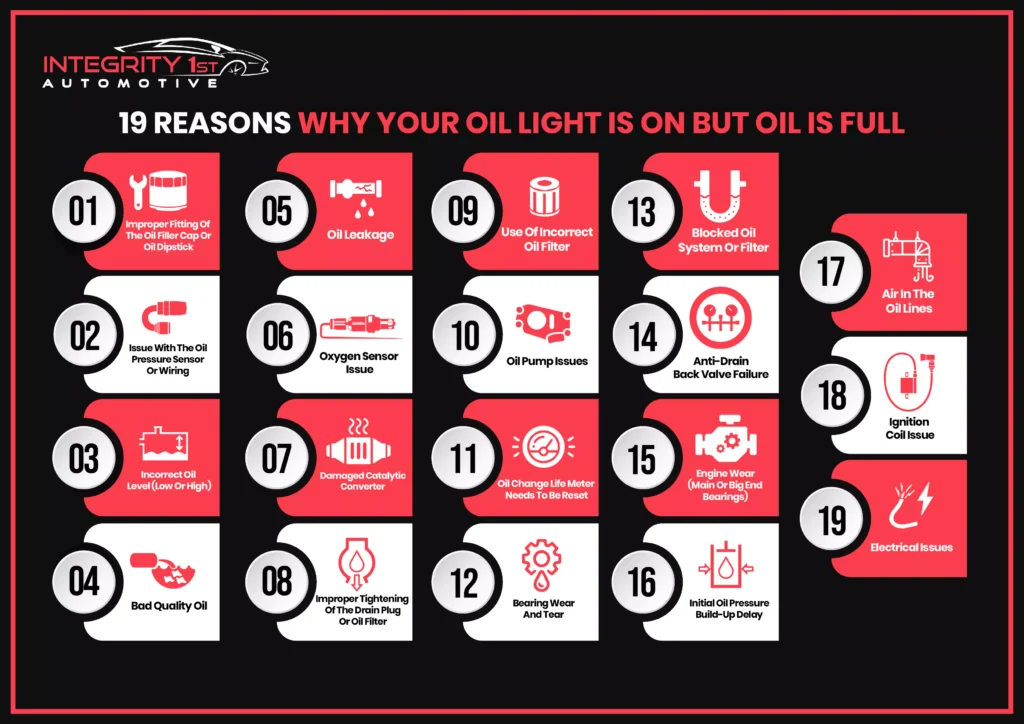
Credit: www.integrity1auto.com
When To Seek Professional Help
Some oil pressure code problems are too complex or risky for DIY repairs. If you’ve checked the basics but the code keeps returning, it’s best to see a trusted mechanic. They have specialized tools to measure oil pressure, check for internal damage, and diagnose electrical problems.
How Mechanics Diagnose The Problem
Professional mechanics will:
- Use a mechanical gauge to read actual oil pressure
- Check for error codes and freeze-frame data
- Inspect wiring and sensor signals with advanced tools
- Look for internal engine problems if needed
How Software And Ecu Issues Affect Oil Pressure Codes
Rarely, your car’s Engine Control Unit (ECU) may be at fault. Software bugs or glitches can cause false codes. In these cases, a dealer might update or reflash your ECU’s software. This is less common but can happen, especially after major repairs or battery changes.
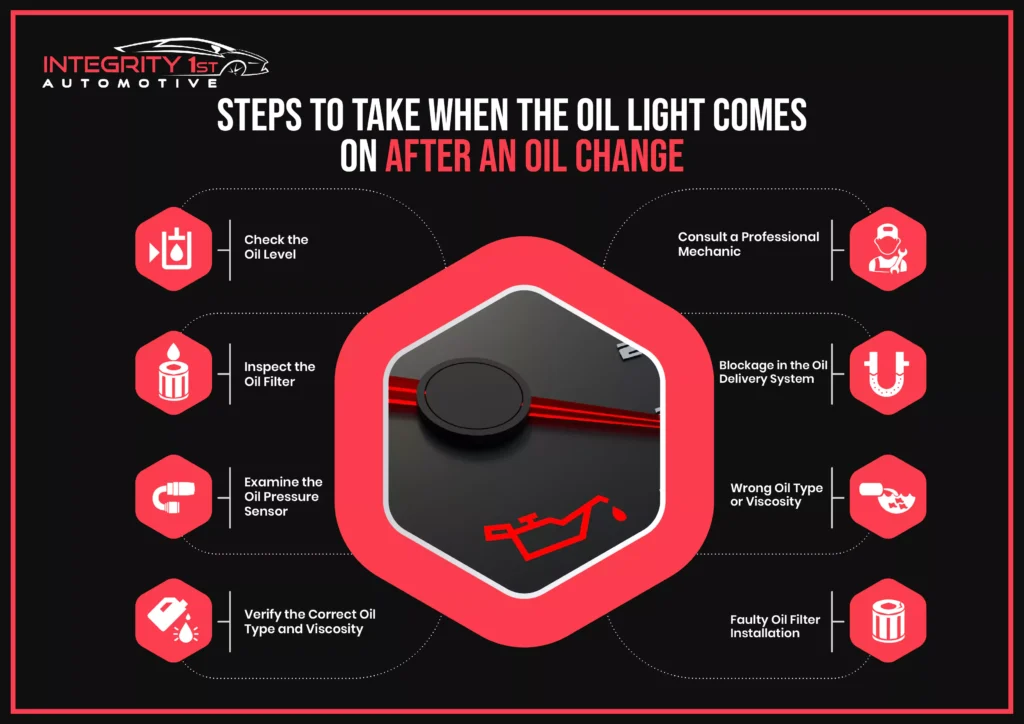
Credit: www.integrity1auto.com
Comparing Oil Pressure Symptoms And Their Meanings
Here’s a simple comparison to help you understand what your car might be telling you:
| Symptom | Possible Cause | How to Respond |
|---|---|---|
| Warning light at idle only | Low oil, weak pump, worn bearings | Check oil, consider mechanic |
| Warning light at high RPM | Blocked filter, wrong oil type | Change oil/filter, use correct oil |
| Warning after sensor replacement | Wiring issue or deeper problem | Inspect wiring, test with gauge |
Preventing Recurring Oil Pressure Codes
Prevention is always better than cure. Here are practical steps to avoid oil pressure problems:
1. Regular Oil Changes
Stick to your car’s recommended schedule. This keeps oil clean and prevents sludge.
2. Use The Correct Oil And Filter
Always choose the oil and filter listed in your car’s manual.
3. Check For Leaks Regularly
Address leaks early to avoid oil loss and pressure drops.
4. Listen For Unusual Engine Noises
Clicking, ticking, or knocking sounds can signal oil pressure problems.
5. Replace Sensors And Wiring As Needed
If your car is older, consider replacing the sensor as a preventative measure.
6. Don’t Ignore Warning Lights
Take all warnings seriously. Investigate or get help quickly.
Non-obvious Insights Most People Miss
1. Oil Pressure Gauge May Not Show The Real Problem
Some cars use a “dummy” gauge that always points to normal unless there’s a major issue. Don’t trust the gauge alone — pay attention to warning lights and codes.
2. Short Driving Trips Accelerate Oil Problems
If you often drive short distances, moisture and fuel can build up in the oil, causing sludge. This can block passages and lower pressure, even if you change oil on time.
3. Aftermarket Sensors Can Cause More Problems
Cheaper, non-OEM sensors often fail sooner or send incorrect signals. Always choose quality parts.
The Cost Of Fixing Recurring Oil Pressure Codes
Costs depend on the root cause:
- Oil and filter change: $40–$120
- Oil pressure sensor: $50–$200 (parts and labor)
- Wiring repair: $50–$150
- Oil pump replacement: $400–$1,500+
- Engine rebuild (if ignored too long): $2,500–$5,000+
Investing in early diagnosis and repair almost always saves money in the long run.
What To Do If You’re On The Road When The Warning Appears
If the oil pressure warning comes on while you’re driving:
- Pull over safely as soon as possible.
- Turn off the engine to prevent damage.
- Check the oil level after the engine cools.
- If oil is low, add the correct oil.
- If the warning stays on, call for roadside assistance or a tow.
Never drive with a flashing or persistent oil pressure warning.
When The Code Keeps Coming Back: Real-world Scenarios
Scenario 1: Faulty Sensor
A driver replaces the sensor after getting a P0520 code, but the code returns. The real cause? A corroded wire near the sensor plug. Replacing the wire fixed the issue for good.
Scenario 2: Clogged Oil Passages
After resetting a P0522 code, the warning comes back. A mechanic finds sludge blocking the engine’s oil galleries. An engine flush and oil change solve the problem.
Scenario 3: Internal Engine Wear
A car with high mileage keeps triggering oil pressure codes. After checking everything else, the mechanic finds worn main bearings. The repair is expensive, but it saves the engine from total failure.
Credit: www.integrity1auto.com
How Long Can You Drive With An Oil Pressure Code?
The short answer: You shouldn’t drive at all with an active oil pressure code. Even if the car seems fine, the risk of engine damage is high. Get it checked and fixed as soon as possible.
Useful Resources
To learn more about engine oil systems and pressure codes, you can visit the Wikipedia page on oil pressure for a deeper technical explanation.
FAQs Of Oil Pressure Code Keeps Coming Back After Reset
What Is The Most Common Cause Of A Recurring Oil Pressure Code?
The most common cause is a faulty oil pressure sensor or wiring issue. However, it’s important to also check oil level and condition, as low or dirty oil can trigger the code.
Can I Drive My Car If The Oil Pressure Code Keeps Coming Back?
You should avoid driving if the oil pressure code keeps returning. Low oil pressure can quickly damage your engine. Always diagnose and repair the problem before driving further.
How Do I Know If My Oil Pressure Sensor Is Bad?
Common signs include a flickering oil light, strange pressure readings, or codes that keep coming back even after oil changes. Testing with a mechanical gauge can confirm if the sensor is the issue.
Will Changing The Oil Fix The Oil Pressure Code?
Sometimes, changing the oil and filter can resolve the issue, especially if the oil is old or the filter is clogged. But if the code keeps coming back, further diagnosis is needed.
Can A Software Update Fix Oil Pressure Codes?
In rare cases, a software update for your car’s ECU can resolve false oil pressure codes, especially if the car has had electrical work or battery replacement. Check with your dealer if nothing else works.
Addressing a recurring oil pressure code isn’t just about keeping the dashboard clear — it’s about protecting your engine’s health. Take warnings seriously, diagnose carefully, and act quickly to keep your car reliable for years to come.
Disclosure: As an Amazon Associate, I may earn from qualifying purchases at no extra cost to you. Amazon and the Amazon logo are trademarks of Amazon.com, Inc, or its affiliates.
- Amazon, Amazon Prime, the Amazon logo and Amazon Prime logo are trademarks of Amazon. com, Inc. or its affiliates.

I am Sadman, the founder of CarSensorHub.com, where I share my passion for cars and technology. I specialize in writing detailed reviews and helpful guides on car gadgets, accessories, safety tools and many more. My mission is to help car owners discover the best products and tips to improve their driving experience and stay safe on the road.