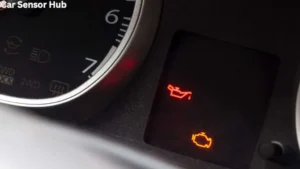
When your car’s engine warning light comes on, it can create stress and confusion, especially if you’re not a trained mechanic. One code you might see is the P0520 code. This code points to an issue with the oil pressure sensor, a part that plays a key role in keeping your engine safe.
If you ignore it, you risk serious engine damage. But fixing it is possible, even for someone who isn’t a professional. This article will guide you step by step through the meaning of the P0520 code, why it happens, how to diagnose the problem, and how to fix it safely.
You’ll learn not just the basics, but also practical insights that many beginners miss. The information here covers every angle: from symptoms and causes to real-world examples and step-by-step solutions. If you want to solve the P0520 code and protect your engine, read on.
What Is The P0520 Code?
The P0520 code is a trouble code that appears when your car’s computer (ECU) detects a problem with the oil pressure sensor circuit. This sensor tracks the oil pressure inside your engine and sends the information to the computer. If the sensor doesn’t work correctly, the computer can’t be sure if your engine has enough oil pressure to run safely.
When the ECU gets a reading that doesn’t make sense or finds a problem in the sensor’s electrical circuit, it triggers the P0520 code and often turns on the check engine light.
Why Oil Pressure Matters
Oil pressure is critical for engine health. Oil lubricates moving parts, reduces friction, and removes heat. If pressure drops, parts can rub together and cause costly damage. That’s why your car’s computer pays close attention to this sensor.
Symptoms Of A P0520 Code
When the P0520 code appears, your car may show several signs. Some are easy to notice, while others are more subtle. Understanding these symptoms will help you catch the problem early.
- Check engine light – This is usually the first sign. The light may come on and stay on or blink.
- Low oil pressure warning – Some cars have a separate warning for oil pressure that may activate.
- Engine noise – You might hear knocking, ticking, or rattling from your engine, especially if oil pressure is actually low.
- Poor engine performance – The engine might hesitate, lose power, or run roughly.
- Oil leaks – Sometimes, a faulty sensor or related parts can cause oil to leak.
- No obvious symptoms – In some cases, you might not feel or hear anything unusual, but the code will still be stored.
Causes Of The P0520 Code
Several issues can trigger the P0520 code. These include electrical faults, mechanical problems, and sensor failures.
Common Causes
- Faulty oil pressure sensor – The sensor itself is damaged or worn out.
- Wiring problems – Damaged, corroded, or disconnected wires and connectors.
- Bad oil filter – A clogged or incorrect filter can affect oil pressure readings.
- Low or dirty engine oil – Not enough oil or oil that’s old and dirty can change pressure.
- Malfunctioning oil pump – If the oil pump fails, pressure drops.
- ECU problems – Rarely, the engine computer itself may have an issue.
Less Obvious Causes
- Wrong type of oil – Using oil with the wrong viscosity can confuse the sensor.
- Aftermarket parts – Non-OEM sensors or filters may not work correctly with your car’s system.
- Previous repairs – If someone changed the sensor before and made a mistake, the code can return.
How To Diagnose The P0520 Code
Diagnosing the P0520 code isn’t just about guessing. With the right approach, you can find the exact cause and avoid unnecessary repairs.
Step 1: Read The Code
Use an OBD-II scanner to confirm the code. Plug the scanner into your car’s port (usually under the dashboard) and check for P0520. Write down any other codes, as they can give clues.
Step 2: Check Oil Level And Condition
Open the hood, remove the oil dipstick, and check the oil level. If it’s low, top it up with the right oil. Also, look at the oil’s color. Clean oil is amber; dirty oil is dark or black and thick.
Step 3: Inspect The Oil Pressure Sensor
Find the sensor (check your car’s manual for its location). Look for:
- Cracks or damage on the sensor body
- Oil leaks around the sensor
- Loose or broken connectors
Step 4: Examine Wiring And Connectors
Carefully check the wires leading to the sensor. Look for:
- Frayed wires
- Corrosion on connectors
- Signs of previous repairs or splices
Step 5: Test The Sensor
If you have a digital multimeter, you can test the sensor’s resistance and voltage. Compare your readings to your car’s specifications.
Step 6: Mechanical Oil Pressure Test
If you suspect real oil pressure problems, have a mechanic connect a manual gauge to the engine. This test shows the actual pressure and can rule out electrical faults.
Step 7: Check The Oil Filter And Pump
Replace the oil filter if it’s old or questionable. If you still have problems, the oil pump might need checking.
How To Fix The P0520 Code
Once you know the cause, you can fix the problem. Some repairs are simple, while others need more skill.
Replacing The Oil Pressure Sensor
This is the most common fix.
- Turn off the engine and let it cool.
- Disconnect the battery to avoid electrical shorts.
- Locate the sensor (often near the oil filter or engine block).
- Unplug the sensor’s electrical connector.
- Use a wrench to unscrew the old sensor.
- Clean the area to prevent leaks.
- Screw in the new sensor. Don’t overtighten.
- Reconnect the electrical connector.
- Reconnect the battery and start the engine.
- Use the OBD-II scanner to clear the code.
Repairing Or Replacing Wiring
If you found damaged wires or connectors:
- Cut out the damaged section.
- Use the same gauge wire to make repairs.
- Solder connections and use heat-shrink tubing for protection.
- Plug everything back in and test.
Changing Oil And Filter
If oil quality or filter is the issue:
- Drain old oil and remove the filter.
- Install a new, correct filter.
- Add the recommended oil type and amount.
- Run the engine and check for leaks.
Fixing Oil Leaks
If you see oil leaking from the sensor or surrounding area:
- Clean the area and confirm the source.
- Replace any failing gaskets or seals.
- Make sure the new sensor is installed tightly, but not too tight.
Dealing With Real Low Oil Pressure
If a manual gauge shows low pressure:
- Check for worn engine bearings (this may require a mechanic).
- Inspect the oil pump and replace if needed.
Tools And Parts Needed For Fixing P0520
Before starting repairs, gather these items:
- OBD-II scanner
- Wrenches and sockets
- Replacement oil pressure sensor (OEM recommended)
- New oil filter
- Correct engine oil
- Digital multimeter (for electrical testing)
- Rags and gloves
- Car jack and stands (if needed)
Comparing Diy Fixes Vs. Professional Repair
It’s important to know when you can fix the P0520 code yourself and when you should go to a mechanic. Here’s a comparison to help you decide:
| Aspect | DIY Fix | Professional Repair |
|---|---|---|
| Cost | Low (just parts and basic tools) | High (parts + labor charges) |
| Time | 1-2 hours for sensor replacement | 1-3 hours, depending on shop schedule |
| Skill Level | Basic to moderate (depends on car model) | Expert (all car types handled) |
| Warranty | None (unless you buy a warranty part) | Usually provided by the shop |
| Tools Required | Basic hand tools | Professional tools and scanners |
| Risk | Possible mistakes, but usually safe for sensor swap | Low risk, high quality |
Real-world Example: Fixing A P0520 On A 2012 Chevy Silverado
Let’s say you own a 2012 Chevy Silverado and see the check engine light. The code reader shows P0520.
- You check the oil—level is fine, but oil is dirty.
- You find oil seeping around the oil pressure sensor.
- Wires look good.
- You replace the sensor (takes 30 minutes).
- Clear the code with the scanner.
- No more warning light, and the engine runs smoothly.
This example shows how the sensor itself is often the problem, but checking the basics first can save time.
How To Prevent The P0520 Code
Prevention is better than repair. Here’s how you can keep the P0520 code from coming back:
- Change engine oil and filter on schedule.
- Use the oil type recommended in your owner’s manual.
- Inspect wiring and connectors during regular service.
- Replace the oil pressure sensor at the first sign of leaks or problems.
- Avoid cheap, low-quality aftermarket parts.
- Fix any oil leaks immediately.
Common Mistakes When Fixing P0520
Many beginners make errors that cost time or even harm their engine.
- Ignoring other codes – If you see more than P0520, address all codes. They may be related.
- Using the wrong sensor – Always match the part number to your car’s make and model.
- Overtightening the sensor – This can damage threads or crack the engine block.
- Not checking oil quality – Old or wrong oil can cause sensor errors.
- Skipping wiring checks – Faulty wires can mimic a bad sensor.
- Not clearing the code – The code may stay active even after the repair. Use a scanner to clear it.

Credit: www.youtube.com
Data Table: Oil Pressure Sensor Symptoms Vs. Causes
To help you connect symptoms with possible causes, see the following:
| Symptom | Most Likely Cause | Other Possible Causes |
|---|---|---|
| Check engine light only | Faulty sensor or wiring | ECU glitch, poor connector |
| Low oil pressure warning and engine noise | Real low oil pressure (oil pump, low oil) | Clogged filter, worn engine parts |
| Oil leaks at sensor | Cracked or loose sensor | Faulty gasket/seal |
| Check engine light plus other codes | Wiring or ECU issue | Multiple faulty sensors |
Practical Tips For A Successful Repair
Many people make repairs harder than they need to be. Here are practical, experience-based tips:
- Always disconnect the battery before working on sensors to avoid short circuits.
- Have a rag ready—oil may drip when you remove the sensor.
- Double-check that the new sensor’s connector clicks in place. A loose connection can cause repeat codes.
- After repair, check for leaks with the engine running.
- Don’t ignore strange engine noises. If the engine sounds rough, stop and check oil pressure immediately.
- Keep old parts to compare with new ones. Differences can reveal if you bought the wrong sensor.
Credit: www.icarsoft.com
Cost Breakdown: Fixing P0520
Understanding costs helps you plan repairs. Here’s a typical breakdown:
Parts
- Oil pressure sensor: $20 – $70 (OEM parts cost more)
- Oil filter: $8 – $20
- Engine oil: $25 – $50 (for a full change)
- Wiring/connectors (if needed): $5 – $20
Labor
- Mechanic’s rate: $80 – $150 per hour
- Sensor replacement: Usually 0.5 – 1.5 hours
- Oil change: 0.5 hour
DIYers only pay for parts. Shops charge both parts and labor.
How Long Can You Drive With A P0520 Code?
Driving with a P0520 code is risky. If oil pressure is genuinely low, your engine can suffer serious damage within minutes. If it’s just a bad sensor, you might drive for days with no harm—but you have no way to know for sure unless you check.
Advice: Treat the code as urgent. Don’t ignore it, and don’t drive far until you’re sure oil pressure is normal.

Credit: carfromjapan.com
Advanced Troubleshooting For Persistent P0520 Codes
Sometimes, the code comes back even after replacing the sensor and checking wiring. Here’s what to do:
- Double-check the sensor’s torque and connections.
- Test the sensor’s circuit for proper voltage (reference your car’s repair manual).
- Inspect the ECU for faults (rare, but possible).
- Look for hidden wiring shorts, especially near hot engine parts.
- Consider a professional scan tool—basic scanners may miss advanced faults.
Data Table: Oil Types And Their Impact On Pressure Sensors
Choosing the right oil is more important than many people think. Here’s how different oils can affect sensor readings:
| Oil Type | Sensor Impact | When to Use |
|---|---|---|
| 5W-30 (recommended for most cars) | Normal sensor readings | All seasons, most engines |
| 10W-40 | Higher readings when cold | Older engines, hot climates |
| 0W-20 | Lower readings when hot | Modern engines, cold climates |
| Wrong type (e.g., diesel oil in gas engine) | Erratic sensor behavior | Never |
Can The P0520 Code Be A False Alarm?
Yes, sometimes the code appears when there’s nothing wrong with oil pressure. This happens if:
- You just changed the oil and disturbed the sensor connector.
- The sensor is old but still working most of the time.
- The ECU has a software glitch (rare).
In these cases, clearing the code and watching for its return can help. If it comes back, do a full inspection.
When To Seek Professional Help
If you have tried everything and the code keeps returning, or if you hear engine noise, see oil leaks, or notice poor performance, it’s time to visit a trusted mechanic. Persistent codes can indicate deeper problems, such as failing engine parts or a faulty ECU.
A professional shop has advanced scanners, pressure gauges, and experience to find hidden faults.
The Importance Of Oem Parts
Using OEM (Original Equipment Manufacturer) parts is important for reliability. Aftermarket sensors sometimes fit but may not work well with your car’s computer. Always compare part numbers and buy from trusted sellers.
For more on the importance of OEM vs aftermarket parts, see this resource: Original Equipment Manufacturer – Wikipedia.
FAQs About P0520 Code Oil Pressure Sensor Fix
What Does The P0520 Code Mean?
The P0520 code means your car’s computer has detected a problem with the oil pressure sensor or its circuit. It signals that the computer is not getting a reliable reading about oil pressure, which can be due to sensor failure, wiring problems, or real oil pressure issues.
Can I Drive My Car With A P0520 Code?
It is not safe to drive far with a P0520 code. If oil pressure is actually low, even a short trip can cause engine damage. If it’s just a sensor problem, you might not have immediate issues, but you won’t know if real pressure drops.
How Much Does It Cost To Fix A P0520 Code?
Fixing the P0520 code usually costs $20–$70 for the sensor if you do it yourself. At a shop, total costs can range from $120–$250, depending on labor rates and parts.
What Causes The Oil Pressure Sensor To Fail?
The oil pressure sensor can fail due to age, exposure to heat and oil, physical damage, or electrical problems such as corroded connectors or damaged wires. Using the wrong oil filter or oil can also cause sensor issues.
How Do I Know If My Oil Pressure Sensor Is Bad Or If I Have A Real Oil Pressure Problem?
Start by checking oil level and condition. If oil is full and clean, test the sensor and wiring. If you’re unsure, use a manual oil pressure gauge or ask a mechanic. Never ignore engine noises or warning lights, as low oil pressure can quickly ruin your engine.
Protecting your engine means paying attention to warning codes like P0520 and taking action quickly. With the steps above, you can solve this problem and keep your car running smoothly for years to come.
Disclosure: As an Amazon Associate, I may earn from qualifying purchases at no extra cost to you. Amazon and the Amazon logo are trademarks of Amazon.com, Inc, or its affiliates.
- Amazon, Amazon Prime, the Amazon logo and Amazon Prime logo are trademarks of Amazon. com, Inc. or its affiliates.

I am Sadman, the founder of CarSensorHub.com, where I share my passion for cars and technology. I specialize in writing detailed reviews and helpful guides on car gadgets, accessories, safety tools and many more. My mission is to help car owners discover the best products and tips to improve their driving experience and stay safe on the road.