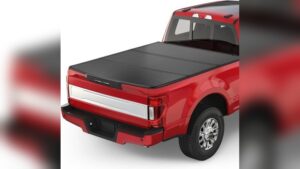
If you own a Ford F350, you know how powerful and reliable it is for hauling heavy loads. But no matter how tough your truck is, your cargo isn’t safe unless it’s properly secured.
Imagine driving down the highway and realizing your gear is shifting or, worse, falling out of the bed. That’s not just frustrating—it’s dangerous. In this guide, you’ll discover simple yet effective ways to secure your cargo so it stays put, no matter the road conditions.
By the end, you’ll feel confident knowing your load is safe, giving you peace of mind every time you hit the road. Keep reading to learn how to protect your cargo—and yourself—while making the most of your Ford F350.
Choosing The Right Tie-downs
Choosing the right tie-downs is key to securing cargo in a Ford F350 truck bed. Proper tie-downs keep your load safe and prevent damage. They also protect other drivers by stopping items from falling off your truck. Picking the right type depends on what you are carrying and how heavy it is.
Types Of Tie-down Straps
There are several types of tie-down straps available. Ratchet straps offer strong, tight holds for heavy cargo. Cam buckle straps provide easier adjustment for lighter loads. Rope and bungee cords work best for quick and simple tasks. Each type suits different cargo sizes and shapes.
Materials And Strength Ratings
Straps come in materials like polyester, nylon, and rubber. Polyester resists stretching and works well in wet conditions. Nylon is strong but can stretch more under load. Check the strength rating, called the Working Load Limit (WLL). Choose straps with a WLL higher than your cargo weight for safety.
When To Use Ratchet Straps Vs. Bungee Cords
Use ratchet straps for heavy or large cargo. They tighten securely and hold items firmly in place. Bungee cords suit light or soft loads that need less tension. Avoid bungee cords for sharp or heavy items, as they can snap or slip. Choosing the right strap keeps cargo safe during travel.

Credit: www.walmart.com
Preparing The Truck Bed
Preparing the truck bed is the first step to secure cargo in your Ford F350. A clean and well-equipped bed keeps items from shifting and protects your truck. Proper preparation helps avoid damage and makes loading easier.
Cleaning And Clearing Debris
Start by removing all dirt, leaves, and small debris from the truck bed. Use a broom or brush to sweep the surface thoroughly. Dirt and debris can cause cargo to slide or get damaged. Clear the corners and edges where debris often collects. A clean bed provides a stable base for your cargo.
Using Bed Liners And Mats
Install a bed liner or mat to protect the truck bed’s surface. Liners prevent scratches and dents from heavy items. Mats add grip, reducing cargo movement during travel. Choose liners made for the Ford F350 to ensure a perfect fit. These accessories extend the life of your truck bed and improve cargo safety.
Installing Anchor Points
Add anchor points to secure straps and ropes. Anchor points keep cargo tied down tightly. Use factory-installed tie-downs or install extra anchors if needed. Place anchors near the corners and along the sides for better hold. Properly anchored cargo reduces the risk of shifting or falling out.
Securing Different Cargo Types
Securing cargo in a Ford F350 truck bed changes with the type of load. Different cargo types need different methods and tools. Proper securing keeps the load safe. It also protects the truck and other drivers on the road.
Heavy Equipment And Machinery
Heavy equipment needs strong, tight straps. Use ratchet straps to hold equipment in place. Attach straps to anchor points in the truck bed. Make sure the equipment does not move during transit. Use wheel chocks for items with wheels. Double-check all fasteners before driving.
Loose Materials And Bags
Loose materials like sand or gravel need a tarp. Cover the cargo fully to avoid spills. Secure the tarp with bungee cords or ropes. Bags should be stacked evenly to prevent shifting. Tie down the bags with straps to keep them stable. Check the load after a short drive.
Fragile And Irregularly Shaped Items
Fragile items require padding and careful placement. Use blankets or foam to protect fragile surfaces. Place irregular items against the truck bed walls. Use ropes or nets to secure the load gently. Avoid tight straps that might damage delicate cargo. Inspect the cargo often during transport.
Proper Loading Techniques
Proper loading techniques keep your cargo safe and protect your Ford F350. Correct loading improves truck stability and prevents damage. It also makes driving safer and easier. Follow simple steps to load your cargo properly for the best results.
Weight Distribution Tips
Place heavy items near the center of the truck bed. Keep the weight evenly spread from side to side. Avoid putting all heavy cargo at the back or one side. This balance helps your truck handle better on the road. It also reduces wear on your tires and suspension.
Stacking And Layering Safely
Stack items with the heaviest at the bottom. Light items go on top to prevent crushing. Use straps or nets to secure loose objects. Keep the stack low to avoid tipping during travel. Proper layering protects your cargo from damage.
Avoiding Overloading
Check your Ford F350’s weight limit before loading. Overloading puts stress on your truck’s engine and brakes. It can cause accidents or damage parts. Load only what your truck can safely carry. This keeps your truck running well and your cargo secure.
Using Additional Safety Accessories
Securing cargo in a Ford F350 truck bed is easier with extra safety accessories. These tools help keep items stable and prevent damage during transport. Using the right accessories improves safety and protects your load.
Cargo Nets And Tarps
Cargo nets hold loose items tightly in place. They stretch over the load and attach to the truck bed hooks. This stops items from shifting or falling out.
Tarps cover cargo to protect it from rain, dust, and wind. Secure tarps with bungee cords or ropes for a tight fit. This keeps your cargo dry and clean.
Bed Racks And Toolboxes
Bed racks add height to carry larger or taller items safely. They provide extra tie-down points for better stability. Toolboxes store tools securely and keep the bed organized.
Using toolboxes prevents tools from moving and getting lost. Both racks and boxes improve cargo safety and convenience.
Reflectors And Warning Flags
Reflectors increase visibility for your truck and cargo in low light. Attach them to the edges of the load or truck bed.
Warning flags signal wide or long items extending beyond the truck bed. Bright flags alert other drivers to keep a safe distance.
Both reflectors and flags help prevent accidents and improve road safety.
Regular Checks During Transit
Regular checks during transit keep your cargo safe and secure. They prevent accidents and damage. Checking often helps spot problems early. It saves time and money. Stay alert and keep your load stable.
Inspecting Tie-downs For Wear
Look at the tie-downs carefully. Check for frays, cuts, or tears. Worn straps can break under pressure. Metal hooks should not be bent or rusted. Replace any damaged parts immediately. Strong tie-downs hold the load tight.
Adjusting Straps On Long Trips
Straps may loosen as you drive. Stop at regular intervals to check them. Pull straps tighter if they feel slack. Make sure the cargo does not move. Adjusting straps keeps everything in place. It prevents shifting that can cause damage.
Signs Of Cargo Shift Or Damage
Watch for sounds of moving cargo. Check for scratches, dents, or broken items. Cargo that moves can unbalance your truck. Look inside the bed during stops. Secure loose items right away. Early detection avoids bigger problems later.
Legal Requirements And Best Practices
Securing cargo in a Ford F350 truck bed requires more than just tying things down. It involves following legal rules and smart practices. These rules help keep the load safe on the road and protect other drivers. Knowing the laws and best methods prevents accidents and fines.
Truck owners must understand state and federal cargo rules. These laws set the standards for how to tie and cover items. They ensure loads do not shift or fall during travel.
State And Federal Cargo Securing Laws
Each state has specific rules for securing cargo in truck beds. Federal rules apply mainly to commercial trucks but are good guides for all. Common rules require using straps, nets, or tarps. Cargo must be tied tightly to avoid movement. Some states require covering loose items to prevent debris on the road.
Penalties For Improper Securing
Failing to secure cargo properly can lead to fines. Police may stop drivers with unsafe loads. Penalties range from small fines to bigger fees for serious risks. Unsafe cargo can cause accidents, leading to legal trouble. Always secure cargo to avoid these problems.
Insurance Considerations
Insurance companies check how cargo is secured after claims. Poorly secured loads might reduce or deny coverage. Proper securing can lower insurance risks and costs. Keep records of securing methods and equipment used. This helps prove responsibility if a claim happens.

Credit: luga.lu
Credit: luga.lu
Frequently Asked Questions
How Do I Tie Down Cargo In A Ford F350 Truck Bed?
Use heavy-duty ratchet straps or bungee cords to secure cargo. Attach straps to built-in anchor points or bed rails for stability. Tighten straps firmly to prevent shifting during transit. Always double-check knots and tension before driving for maximum safety.
What Are The Best Anchor Points In A Ford F350 Bed?
Ford F350 beds have D-ring tie-downs and stake pockets as anchor points. These provide strong, stable locations to secure cargo. Using these factory-installed points ensures your load stays in place and reduces the risk of damage or loss while driving.
Can I Use A Truck Bed Liner To Secure Cargo?
Yes, a truck bed liner adds friction and protects the bed surface. It helps prevent cargo from sliding but should be used with straps or nets. Combining liners with proper tie-downs ensures safer and more secure transport of goods.
How Much Weight Can A Ford F350 Truck Bed Hold?
A Ford F350 truck bed can typically hold up to 3,000 pounds. Always check your specific model’s payload capacity in the manual. Do not exceed this limit to maintain vehicle safety and avoid damage to the truck.
Conclusion
Securing cargo in your Ford F350 truck bed keeps items safe during travel. Use strong straps or ropes to hold everything tight. Check knots and fasteners before driving. Spread weight evenly to avoid shifting. Cover cargo with a tarp for extra protection.
Regularly inspect your setup for wear or damage. Safe cargo means a smoother, worry-free journey every time. Keep these tips in mind for secure hauling.
Disclosure: As an Amazon Associate, I may earn from qualifying purchases at no extra cost to you. Amazon and the Amazon logo are trademarks of Amazon.com, Inc, or its affiliates.
- Amazon, Amazon Prime, the Amazon logo and Amazon Prime logo are trademarks of Amazon. com, Inc. or its affiliates.

I am Sadman, the founder of CarSensorHub.com, where I share my passion for cars and technology. I specialize in writing detailed reviews and helpful guides on car gadgets, accessories, safety tools and many more. My mission is to help car owners discover the best products and tips to improve their driving experience and stay safe on the road.