Programming new Ford F-150 TPMS sensors can seem complicated, but it becomes manageable with the right steps and understanding. Many F-150 owners face the need to replace or reprogram these sensors, especially after changing tires, wheels, or when the TPMS warning light appears. Knowing how to program these sensors yourself saves both money and time, and helps keep your truck safe on the road.
Understanding Ford F-150 Tpms Sensors
The Tire Pressure Monitoring System (TPMS) is a safety feature that alerts drivers when tire pressure is too low. Each wheel has a sensor that sends data to the truck’s computer. Low tire pressure can cause poor handling, reduced fuel efficiency, and even accidents.
Ford F-150s use a direct TPMS. This means the sensors are inside each wheel and send real-time data. If a sensor fails or a new one is installed, it must be programmed to communicate with the vehicle.
When Do You Need To Program New Tpms Sensors?
There are several situations when you must program TPMS sensors on your F-150:
- Replacing a faulty sensor after a battery dies (usually after 5-7 years).
- Changing or rotating wheels with new sensors.
- Switching between summer and winter tire sets.
- Aftermarket wheels often require sensor programming.
- If the TPMS warning light stays on after checking tire pressure.
Many owners forget that even new sensors are not always ready for use. They must be “learned” by the truck.

Credit: www.youtube.com
Tools And Materials Needed
You don’t need expensive equipment, but having the right tools helps:
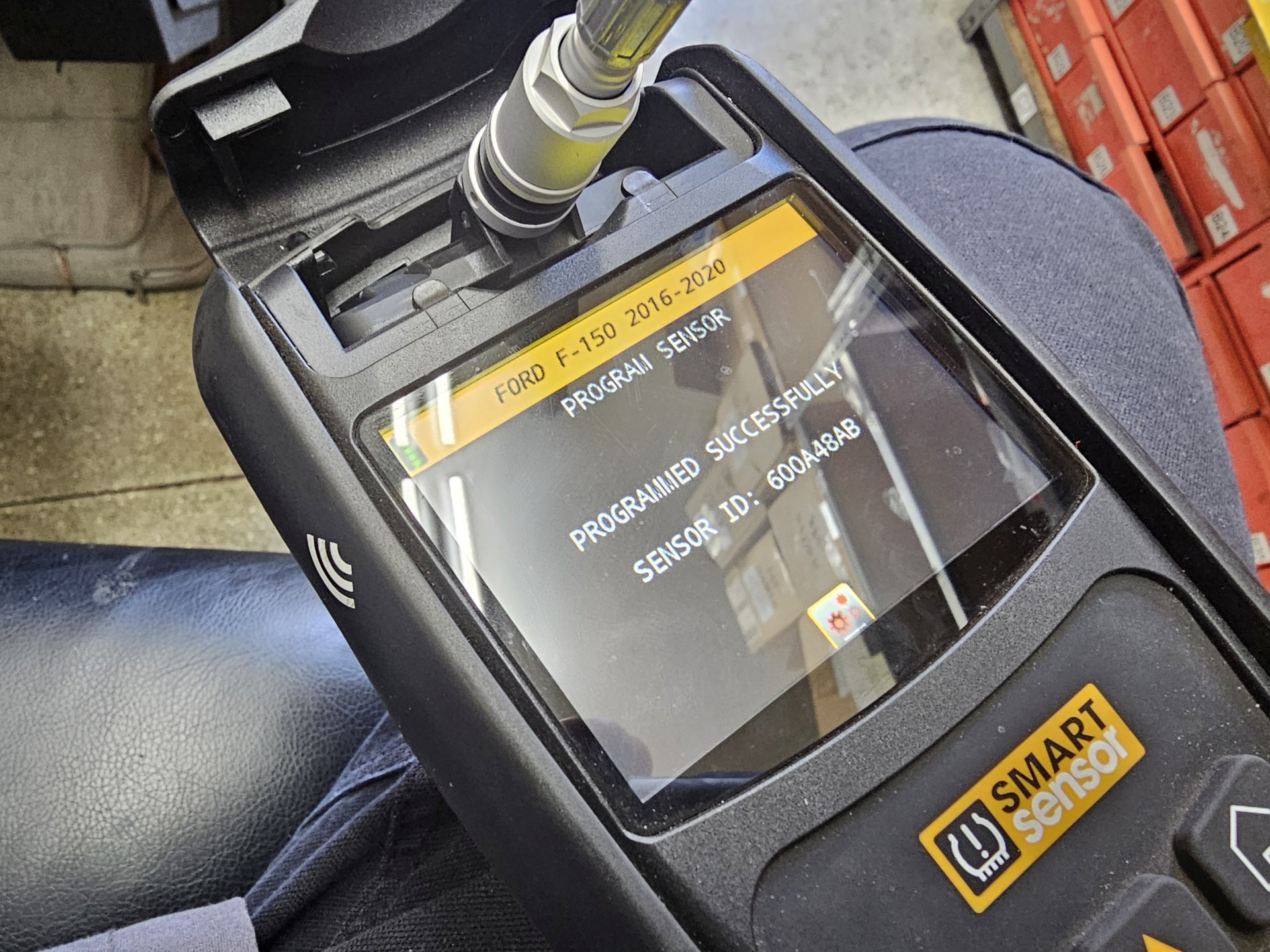
- TPMS Relearn Tool (like the Ford EL-50448 or similar)
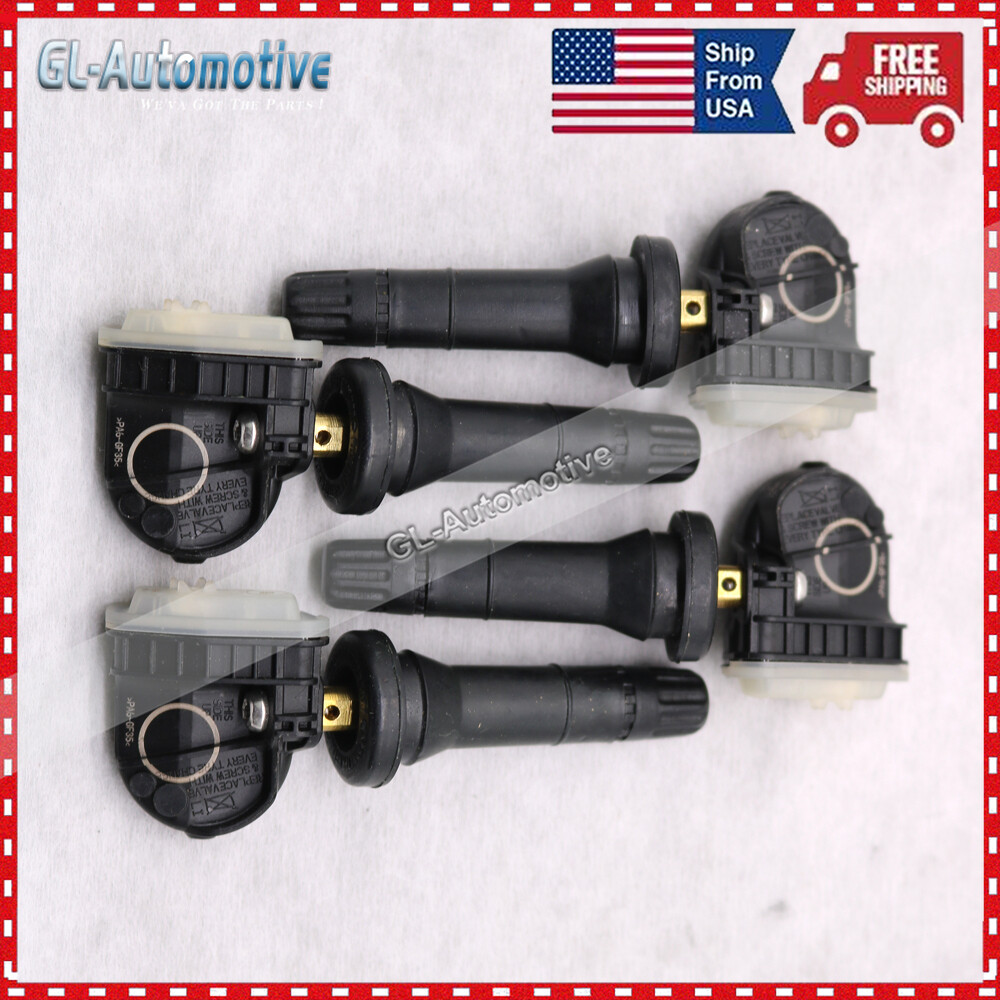
- New Ford-compatible TPMS sensors
- Tire pressure gauge
- Owner’s manual
- Optional: OBD-II scanner (for advanced troubleshooting)
Some auto parts stores may offer free or low-cost relearn services, but doing it yourself is straightforward.
Step-by-step: How To Program New Ford F-150 Tpms Sensors
Follow these steps to program your new sensors. This guide covers most 2015–2024 F-150 models, but always double-check your year and model for small differences.
1. Preparation
- Make sure all tires are inflated to the correct pressure.
- Park your F-150 on a level surface.
- Set the parking brake.
- Have your new sensors installed in the wheels.
2. Enter Tpms Relearn Mode
Here’s how to put your F-150 into TPMS relearn mode:
- Sit in the driver’s seat with all doors closed.
- Insert your key and turn it to the “ON” position without starting the engine.
- Press and release the brake pedal.
- Quickly turn the key from “OFF” to “ON” three times, ending in “ON”.
- Press and release the brake pedal again.
- Turn the key from “OFF” to “ON three times again, ending in “ON”.
- The horn should chirp and the dashboard will display “TRAIN LEFT FRONT TIRE” or a similar message.
Many new F-150s with push-button start use a different method: with the key fob inside, press the brake pedal and the start button five times quickly, then press and release the brake pedal. Repeat the start button presses. The horn will chirp when it’s ready.
3. Train Each Sensor
You must program each sensor in a specific order: left front, right front, right rear, left rear.
- Start at the left front tire.
- Hold the TPMS tool against the tire sidewall near the valve stem.
- Press the button on the tool. The horn will chirp if successful.
- Move to the right front, then right rear, then left rear, repeating the process.
- After the last tire, the horn will chirp twice, signaling the process is complete.
If you hear no horn or see an error, repeat the process. Make sure the tool’s battery is fresh.
4. Confirm Success
Turn off the ignition and start the truck. The TPMS light should go out after a few seconds. If it stays on, double-check your steps or sensor compatibility.
Common Mistakes And Troubleshooting
Programming new sensors isn’t always perfect the first time. Here’s what can go wrong:
- Wrong sensor type: Not all sensors are compatible. Use Ford-specific parts.
- Low battery in the sensor: New sensors should have a full battery.
- Incorrect order: Always follow the training sequence.
- TPMS tool issues: Weak batteries or cheap tools may not work reliably.
If your warning light stays on, check tire pressure again, and repeat the process. Sometimes driving for a few miles can help the system reset.
Data Table: Ford F-150 Tpms Sensor Compatibility By Year
Here’s how sensor compatibility lines up for recent F-150 models:
| Model Year | Sensor Part Number | Programming Needed |
|---|---|---|
| 2015-2017 | GL3T-1A180-AA | Yes |
| 2018-2020 | JL3T-1A180-AB | Yes |
| 2021-2024 | ML3Z-1A189-A | Yes |
Always confirm your part number before buying new sensors.
Advanced: Obd-ii Relearn And Replacements
Some F-150 models may need OBD-II programming if the standard relearn does not work, especially with some aftermarket wheels. For this, you need an OBD-II tool with TPMS functions. This method is more reliable if the truck doesn’t recognize new sensors after several attempts.
- Connect the OBD-II tool to the port under the dash.
- Use the tool’s menu to select “TPMS Relearn”.
- Follow the on-screen instructions to program each sensor.
This step is usually not needed for most users but is helpful for advanced troubleshooting or persistent TPMS errors.
Cost And Time Estimates
Programming new F-150 TPMS sensors yourself usually takes 15–30 minutes. A TPMS relearn tool costs about $15–$40. Dealerships may charge $50–$100 for the same service. Doing it yourself is both cost-effective and convenient.
Table: Diy Vs. Dealership Relearn
Here’s a quick comparison of programming your TPMS sensors at home versus a dealership:
| Method | Cost | Time | Control |
|---|---|---|---|
| DIY | $15–$40 (one-time) | 15–30 min | Full |
| Dealership | $50–$100 per visit | 1–2 hrs (including wait) | Low |
Two Non-obvious Insights
Many owners do not realize that:
- Sensor batteries are not replaceable. Once they die, the whole sensor must be replaced. Don’t wait for multiple sensors to fail—replace them all if your truck is more than 5–7 years old.
- Aftermarket wheels may block TPMS signals. The shape and material can interfere with the sensor’s ability to reach the receiver. Always test sensors after installing new wheels.
Credit: www.ebay.com
Real-world Example
Mike, a 2019 F-150 owner from Texas, switched to larger aftermarket wheels. He installed new sensors but the warning light stayed on. After two failed attempts, he learned his new wheels were blocking the sensor signal. He moved the sensors to a different spot, retrained them, and the system worked perfectly.
This shows why careful sensor placement and compatible wheels matter.
When To Seek Professional Help
Most F-150 owners can program new TPMS sensors at home. However, if you try several times and the warning light stays on, or if you get error messages, it’s time to visit a certified Ford service center. Persistent issues could mean a bad receiver or a deeper electrical problem.
Maintenance Tips For Long-lasting Tpms Sensors
- Check tire pressure monthly and before long trips.
- Avoid harsh cleaning chemicals on wheels.
- Have sensors inspected every time you change tires.
- Replace all sensors at the same time if your truck is over 7 years old.
Keeping your TPMS system healthy ensures better safety and performance.
External Resource
For more details about TPMS technology and standards, see the official NHTSA TPMS Guide.
Credit: artsautomotive.com
FAQs About How to Program New Ford F-150 TPMS Sensors
How Do I Know If My F-150 Needs New Tpms Sensors?
If the TPMS warning light is on and tire pressures are correct, or your truck is more than 5–7 years old, you likely need new sensors. Also, if you replace wheels or tires, new sensors may be needed.
Can I Program Ford Tpms Sensors Without A Special Tool?
It is possible on some older Ford models, but for most F-150 trucks from 2015 and newer, a TPMS relearn tool is required. These tools are affordable and easy to use.
Will Aftermarket Sensors Work With My F-150?
Many aftermarket TPMS sensors are compatible if they match Ford’s frequency and part number. Always check for compatibility before buying, as not all sensors will work.
What Happens If I Don’t Program The New Sensors?
If you skip programming, the TPMS light will stay on, and you won’t be warned about low tire pressure. This can lower fuel economy, tire life, and safety.
How Long Do Tpms Sensors Last?
Most TPMS sensors last 5–7 years or about 60,000–100,000 miles. Their batteries are sealed and cannot be replaced, so new sensors are needed when they fail.
Programming new Ford F-150 TPMS sensors is a valuable skill for any owner. With the right tools and knowledge, you can keep your truck’s tire pressure system accurate and reliable. A little effort at home saves time, money, and stress—and keeps you safer on the road.
Disclosure: As an Amazon Associate, I may earn from qualifying purchases at no extra cost to you. Amazon and the Amazon logo are trademarks of Amazon.com, Inc, or its affiliates.
- Amazon, Amazon Prime, the Amazon logo and Amazon Prime logo are trademarks of Amazon. com, Inc. or its affiliates.

I am Sadman, the founder of CarSensorHub.com, where I share my passion for cars and technology. I specialize in writing detailed reviews and helpful guides on car gadgets, accessories, safety tools and many more. My mission is to help car owners discover the best products and tips to improve their driving experience and stay safe on the road.