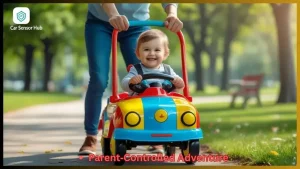
Have you ever noticed how your child’s eyes light up when they see a ride-on car? It’s more than just fun and games.
These little vehicles are powerful tools that help your child build essential motor skills. Imagine your child gaining better balance, coordination, and muscle strength—all while enjoying playtime. You’ll discover exactly how ride-on cars support your child’s development and why they’re a smart choice for growth and learning.
Keep reading to unlock the surprising benefits that could make a big difference in your child’s progress.
Benefits Of Ride-on Cars
Ride-on cars are more than just toys. They play a big role in helping kids grow their motor skills. These cars encourage children to move and explore. This movement is important for their physical development. Kids gain many benefits by riding these cars regularly.
They learn to control their body and improve their muscles. Ride-on cars also boost balance and coordination. This helps children perform daily activities with ease. Below are some key benefits of ride-on cars for kids.
Enhancing Coordination
Ride-on cars help kids practice hand and foot movements together. Steering the car while pressing pedals needs good coordination. Kids improve their ability to use both hands and feet at once. This skill is important for many activities like writing and sports.
Building Muscle Strength
Pushing, steering, and controlling the car works different muscles. Kids build stronger legs, arms, and core muscles. Strong muscles support healthy growth and active play. This strength also helps children stay fit and confident.
Improving Balance
Riding a car requires kids to keep steady and balanced. They learn to adjust their body to avoid falling. This practice helps improve their overall balance skills. Good balance is key for running, jumping, and climbing safely.
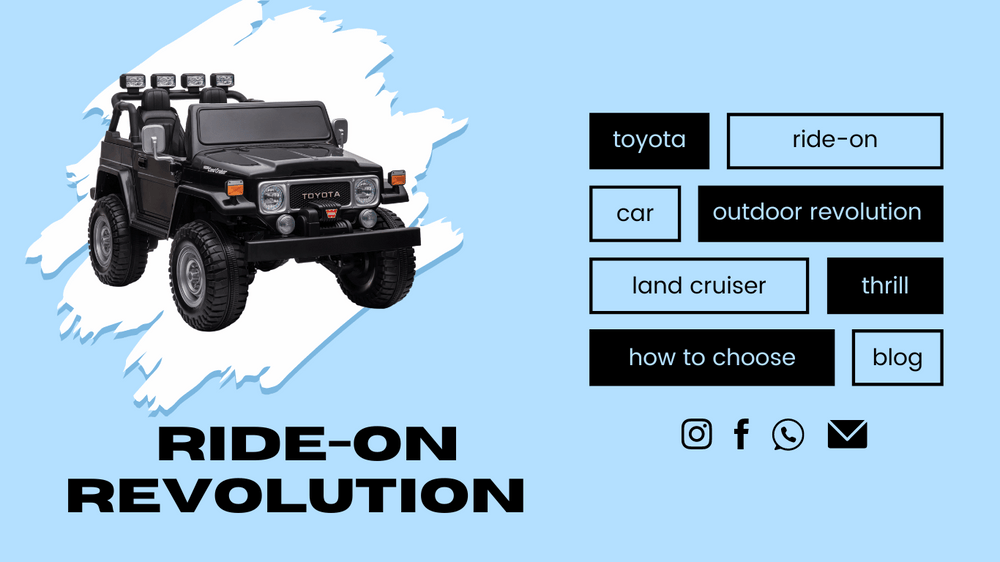
Credit: www.shaztoys.com.au
Types Of Ride-on Cars
Ride-on cars come in different types. Each type helps children develop motor skills in unique ways. Understanding these types can help parents choose the best option for their kids.
Battery-powered Models
Battery-powered ride-on cars have electric motors. Kids control the speed with a pedal or button. These cars teach hand-eye coordination and foot control. They also help children learn to steer and navigate safely.
Push-powered Cars
Push-powered cars need an adult or child to push them. Kids can also use their feet to move the car. This type improves leg strength and balance. It encourages children to coordinate their movements with others.
Pedal Ride-ons
Pedal ride-ons use pedals like a bicycle. Children use their legs to move the car forward. This type builds strong leg muscles and improves coordination. Pedal ride-ons help kids understand cause and effect through movement.
Motor Skills Boosted By Ride-ons
Ride-on cars are more than just toys. They help children build important motor skills. These skills are key for everyday tasks and physical growth. Using ride-on cars, kids practice moving their bodies and hands in new ways. This supports their overall development and confidence.
Fine Motor Skills
Fine motor skills involve small movements using hands and fingers. Kids turn steering wheels, push buttons, and press pedals in ride-on cars. These actions improve hand-eye coordination and finger strength. Such skills help with writing, drawing, and using utensils later.
Gross Motor Skills
Gross motor skills use larger muscle groups. Riding a toy car requires pushing, steering, and balancing. These activities strengthen legs, arms, and the core muscles. Children gain better control and coordination of their whole body.
Spatial Awareness
Spatial awareness means understanding space and distance. Kids learn to judge where to drive the car safely. They avoid obstacles and navigate turns. This skill helps in sports, reading maps, and moving confidently in new places.
Read More: Guidelines for Toddlers Using Ride-On Vehicles
Safety Tips For Ride-on Use
Ride-on cars are fun and help children learn new skills. Safety must come first during every ride. Simple safety steps keep kids safe and happy while they play. These tips help avoid accidents and build good habits early.
Choosing The Right Size
Pick a ride-on car that fits your child’s height and weight. Too big or too small can cause trouble. A car that matches their size is easier to control. Check the product label for age and size recommendations.
Make sure your child can reach the pedals and steering wheel comfortably. This support builds confidence and improves motor skills safely.
Using Protective Gear
Helmets protect young heads from injury. Always have your child wear a helmet during ride-on car use. Knee and elbow pads add extra protection. These reduce scrapes and bruises if your child falls.
Choosing the right gear encourages safe play habits. It shows kids safety is part of fun.
Supervising Playtime
Stay close and watch your child at all times. Ride-on cars can move fast and cause accidents. Your presence helps stop danger quickly.
Guide your child on safe riding areas like driveways or parks. Avoid streets or places with heavy traffic. Supervised playtime supports learning and safety together.
Encouraging Growth Through Play
Encouraging growth through play is a key benefit of kids ride-on cars. These toys help children develop motor skills by combining fun with learning. Playtime becomes more than just entertainment; it turns into a chance for kids to improve coordination, balance, and strength. The act of driving a ride-on car engages their whole body and brain.
Through guided play, children learn to control movements and make decisions. This builds confidence and helps them explore their physical abilities. Parents and caregivers can support this growth by adding structure and learning opportunities during play.
Setting Playtime Goals
Setting small goals during play helps kids stay focused and motivated. Goals can include driving a certain distance or steering around obstacles. These targets encourage children to practice coordination and steering skills.
Clear goals give kids a sense of achievement. They learn to keep trying and improve step by step. This approach makes playtime both fun and purposeful.
Incorporating Learning Activities
Adding simple learning tasks to ride-on car play enhances skill development. Counting laps or naming colors of nearby objects works well. These activities boost memory and attention while kids move.
Learning while playing keeps children engaged longer. It also makes the experience richer and more meaningful. Parents can customize tasks to suit their child’s level and interests.
Fostering Independence
Ride-on cars help children feel independent and in control. Kids decide when to start, stop, and steer the car. This freedom builds self-confidence and decision-making skills.
Independent play encourages kids to explore their surroundings safely. It also supports physical and mental growth. The more kids practice, the better their motor skills become.
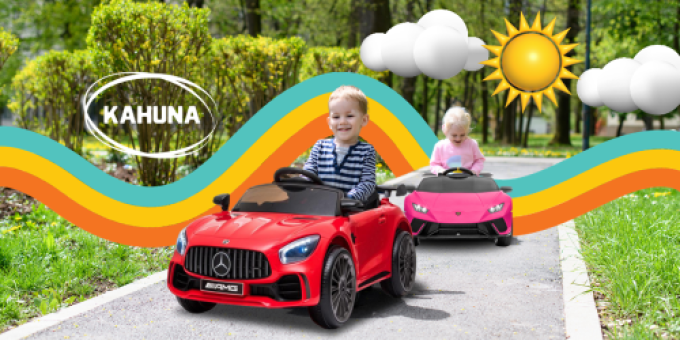
Credit: www.kahuna.com.au
Frequently Asked Questions
How Do Ride-on Cars Improve Kids’ Motor Skills?
Ride-on cars enhance motor skills by encouraging coordination and balance. Kids use hands and feet to steer and accelerate. This practice strengthens muscles and improves spatial awareness. Regular play helps develop fine and gross motor abilities effectively.
What Age Is Best For Using Ride-on Cars?
Children aged 1 to 5 years benefit most from ride-on cars. This age range aligns with critical motor skill development stages. Ride-on cars provide safe, engaging ways for toddlers and preschoolers to practice movement and control.
Can Ride-on Cars Aid In Hand-eye Coordination?
Yes, ride-on cars significantly boost hand-eye coordination. Kids focus on steering while watching obstacles and paths. This simultaneous action refines visual tracking and precise hand movements, supporting overall coordination growth.
Are Ride-on Cars Safe For Developing Motor Skills?
Ride-on cars are generally safe when used under adult supervision. They are designed with child-friendly features to prevent injuries. Proper usage helps kids develop motor skills while minimizing risks and encouraging active play.
Final Words
Kids ride-on cars boost motor skills in many ways. They help improve hand-eye coordination and balance. Children learn to steer, pedal, and control speed. These activities strengthen muscles and build confidence. Playing with ride-on cars also encourages problem-solving. It supports social interaction when kids play together.
Such toys offer fun and learning at the same time. Giving children ride-on cars can aid their growth. Simple play can lead to important skill development. A small toy, a big step for young kids.
Disclosure: As an Amazon Associate, I may earn from qualifying purchases at no extra cost to you. Amazon and the Amazon logo are trademarks of Amazon.com, Inc, or its affiliates.
- Amazon, Amazon Prime, the Amazon logo and Amazon Prime logo are trademarks of Amazon. com, Inc. or its affiliates.

I am Sadman, the founder of CarSensorHub.com, where I share my passion for cars and technology. I specialize in writing detailed reviews and helpful guides on car gadgets, accessories, safety tools and many more. My mission is to help car owners discover the best products and tips to improve their driving experience and stay safe on the road.