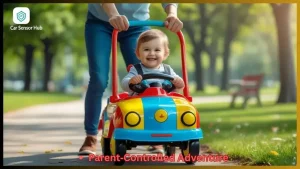
If you have a toddler who loves ride-on vehicles, you want to make sure they stay safe while having fun. These little rides are exciting but can also be risky if used the wrong way.
You might wonder how to keep your child protected without taking away their joy. This guide will give you simple, clear rules to follow so your toddler can enjoy their ride-on vehicle safely. Keep reading to discover easy tips that will help you feel confident and keep your child secure every time they zoom around.
Credit: www.kidplay.tech
Choosing The Right Ride-on Vehicle
Choosing the right ride-on vehicle is important for your toddler’s fun and safety. The right choice helps your child feel confident and enjoy every ride. It also makes sure the vehicle fits well and is easy to control. Understanding key factors helps you pick the best ride-on toy for your toddler.
Age And Size Considerations
Each ride-on vehicle suits a specific age group. Toddlers grow fast, so size matters a lot. A vehicle that is too big may be hard to steer. Too small, and it can feel unstable. Check the manufacturer’s age and weight guidelines. Pick a vehicle that matches your child’s current size.
Types Of Ride-on Vehicles
There are many types of ride-on toys. Some have pedals, others use batteries or push power. Pedal vehicles help build leg strength. Battery-powered ones often have speed controls. Push ride-ons let toddlers use their feet to move. Choose a type that fits your child’s skill and interest.
Safety Features To Look For
Safety is a top priority for ride-on vehicles. Look for sturdy construction and stable wheels. Check if the vehicle has a low center of gravity to prevent tipping. Seat belts or harnesses add extra protection. Speed limiters help keep control. Avoid sharp edges and small parts that could cause harm.
Read More: Outdoor Play Benefits for Toddlers
Safety Gear Essentials
Safety gear is a must for toddlers riding on vehicles. It protects little bodies from bumps and scrapes. Proper gear helps prevent serious injuries. Parents should choose the right items for their child’s size and activity.
Helmets And Pads
Helmets protect the head from impact. Always pick one that fits snugly and covers the forehead. Look for helmets made for toddlers. Knee and elbow pads guard against cuts and bruises. They cushion falls and keep skin safe.
Proper Clothing
Dress toddlers in clothes that cover arms and legs. Long sleeves and pants reduce scratches. Avoid loose or baggy clothes that can catch wheels. Bright colors help others see the child clearly.
Footwear Tips
Choose closed-toe shoes with good grip. Sneakers or sturdy shoes work best. Avoid sandals or flip-flops that slip off easily. Proper footwear helps maintain balance and control.
Safe Riding Environment
Creating a safe riding environment is key for toddlers using ride-on vehicles. Safety helps prevent accidents and builds confidence. Choose spaces that protect your child and support fun play.
Check the area before your child rides. Remove sharp objects, toys, or anything that can cause a fall. A safe place helps your toddler enjoy every ride without worries.
Ideal Riding Surfaces
Flat and smooth surfaces work best for ride-on vehicles. Concrete, asphalt, and packed dirt are good choices. Avoid rough or uneven ground to stop tipping or falling.
Grass may be soft but can slow the vehicle down and cause imbalance. Pick surfaces that allow easy movement and steady control.
Avoiding Traffic And Hazards
Keep toddlers away from roads and driveways. Cars and bikes create serious dangers. Choose areas far from moving vehicles.
Check for hidden hazards like pools, stairs, or sharp edges. Clear the zone of anything that might harm your child during play.
Supervised Play Areas
Always watch toddlers while they ride. Close supervision stops accidents and helps guide safe riding habits. Your presence gives them comfort and security.
Choose play areas designed for young children. Parks and playgrounds with safe zones reduce risks and encourage safe fun.
Teaching Basic Riding Rules
Teaching toddlers the basic rules of riding helps build their confidence and safety. These simple lessons create good habits early. Toddlers learn how to control their ride-on vehicles well. They also understand the importance of safe riding. Clear, easy instructions make learning fun and effective.
Starting And Stopping Safely
Show toddlers how to start their ride-on vehicle gently. Teach them to press the button or push the pedal slowly. Explain the need to stop by releasing the pedal or pressing the brake carefully. Practice starting and stopping several times together. This helps them feel steady and in control.
Steering And Balance
Help toddlers learn to steer by turning the handlebars smoothly. Encourage small turns at first. Teach them to keep their body balanced while riding. Practice riding on flat, even surfaces to improve balance. Support them until they feel comfortable steering alone.
Respecting Boundaries
Set clear boundaries where toddlers can ride safely. Use cones, fences, or natural markers to show limits. Explain why staying inside these boundaries is important. Teach toddlers to stop or ask for help if they want to go beyond. Reinforce these rules every time they ride.
Maintenance And Inspection
Maintaining and inspecting ride-on vehicles is key to keeping toddlers safe. Regular checks help spot problems early. This prevents accidents and extends the vehicle’s life.
Regular Vehicle Checks
Check the wheels for wear or damage. Make sure all bolts and screws are tight. Test the brakes and steering to confirm they work well. Look at the body for cracks or broken parts. Check the lights and sounds if the vehicle has them. These simple checks ensure the vehicle is safe to use.
Battery And Charging Safety
Use the charger that comes with the vehicle only. Avoid overcharging the battery to prevent damage. Charge the battery in a dry, cool place. Keep batteries away from water and heat sources. Inspect battery connections for corrosion or loose wires. A well-maintained battery keeps the vehicle running smoothly and safely.
Cleaning And Storage
Clean the vehicle regularly with a damp cloth. Avoid harsh chemicals that can damage parts. Dry the vehicle fully before storing it. Store ride-on vehicles in a dry, covered space. Protect the vehicle from extreme weather and dirt. Proper cleaning and storage keep the vehicle in good condition for longer.
Making Riding Fun
Making ride-on vehicles fun for toddlers helps them enjoy every moment. It encourages learning and builds confidence. Toddlers explore new skills while having a great time. Parents and caregivers can create exciting experiences with simple ideas. These ideas keep children interested and eager to ride more often.
Creative Play Ideas
Use everyday objects to create fun riding paths. Place cones, boxes, or cushions to make a mini obstacle course. Let toddlers drive around these obstacles slowly. Pretend the ride-on vehicle is a race car or a spaceship. Encourage toddlers to imagine different adventures while riding. Change the course often to keep the play fresh and exciting.
Riding Games And Challenges
Simple games make riding more exciting. Try “Follow the Leader” where toddlers copy your moves. Set a timer and challenge toddlers to ride a short distance. Celebrate small wins to boost their confidence. Play “Stop and Go” to teach control and focus. These games improve motor skills while adding fun.
Involving Family And Friends
Invite siblings or friends to join the fun. Create team challenges or group rides in the yard. Watching others ride inspires toddlers to try new moves. Family cheers and smiles encourage toddlers to keep trying. Sharing these moments builds social skills and happy memories. Group riding times become special and exciting events.

Credit: electricrideoncars.co.uk
Frequently Asked Questions
What Safety Gear Should Toddlers Wear With Ride-on Vehicles?
Toddlers must wear helmets, knee pads, and elbow pads. This gear protects them from potential falls and injuries. Always choose gear that fits well and meets safety standards. Proper protection ensures a safer and more enjoyable ride for your child.
At What Age Can Toddlers Start Using Ride-on Vehicles?
Most toddlers can start using ride-on vehicles at 1 to 2 years old. However, this depends on the child’s motor skills and coordination. Always supervise young riders closely and choose age-appropriate vehicles with safety features.
How To Supervise Toddlers While Using Ride-on Vehicles?
Always stay within arm’s reach when toddlers use ride-on vehicles. Keep an eye on surroundings and avoid busy or uneven areas. Constant supervision helps prevent accidents and ensures toddlers follow safety rules.
What Types Of Ride-on Vehicles Are Best For Toddlers?
Choose ride-on vehicles designed specifically for toddlers with low speed and stable design. Battery-operated cars, push cars, and tricycles are ideal choices. Ensure the vehicle suits your child’s size and skill level for safe play.
Last Thoughts
Toddlers enjoy ride-on vehicles safely with simple rules. Always supervise playtime closely. Choose age-appropriate vehicles for better control. Teach children to wear helmets every time. Check the ride-on for any damage before use. Set clear boundaries to avoid busy roads or steep hills.
Encourage slow speeds and gentle turns. Safety habits start early and build confidence. Keep fun and safety balanced for happy rides. Parents and caregivers play a big role in protection. Follow these guidelines to create joyful, safe experiences.
Disclosure: As an Amazon Associate, I may earn from qualifying purchases at no extra cost to you. Amazon and the Amazon logo are trademarks of Amazon.com, Inc, or its affiliates.
- Amazon, Amazon Prime, the Amazon logo and Amazon Prime logo are trademarks of Amazon. com, Inc. or its affiliates.

I am Sadman, the founder of CarSensorHub.com, where I share my passion for cars and technology. I specialize in writing detailed reviews and helpful guides on car gadgets, accessories, safety tools and many more. My mission is to help car owners discover the best products and tips to improve their driving experience and stay safe on the road.