What separates these Soldering Iron vs Plastic Welder options is not quality so much as which compromise each one makes. In this set, YIHUA 926 III 60W Digital Display Soldering leans on the first listing’s visible build, fit, and bundle details, while Allturn Plastic Welder 2 in 1 with points buyers toward the competing listing’s practical feature set. That difference matters more than a generic ranking because the right pick depends on where you will use it, how often you need it, and which tradeoff you can live with. I treated this as a practical buying comparison across 2 visible options with some listings leaving current price or bundle details to verify. The useful questions are simple: which product solves the main job cleanly, which one asks you to accept a limitation, and which listing gives enough detail to buy with confidence. Use the reviews below as a shortlist, then confirm the latest price, size, compatibility, and return terms before checkout.
List of Soldering Iron Vs Plastic Welder
⚡ Quick Verdict
For electronics, circuit boards, and hobbyist soldering tasks, the YIHUA 926 III is your go-to. If you’re working on automotive bumper repairs, heavy-duty plastic patching, or structural thermoplastic restoration, the Allturn Plastic Welder is the better choice. These tools are designed for specific tasks, so make sure you pick the one that matches what you need to do.
Analysis: YIHUA 926 III Soldering Station
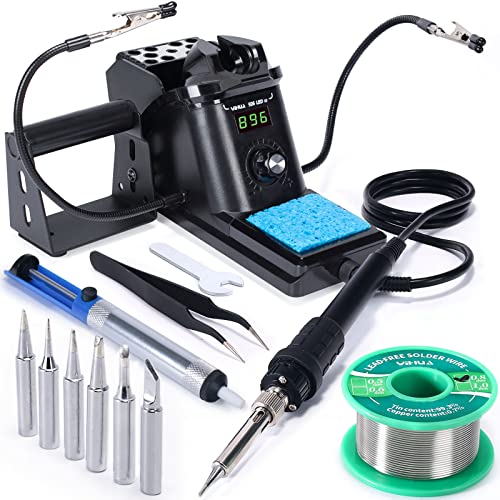
This digital station is perfect for electronics hobbyists, DIY makers, and repair technicians who need precise temperature control. It’s great for working on circuit boards and small electronic components, and it comes with everything you need to get started right away.
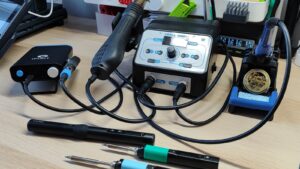
The YIHUA 926 III is a comprehensive station for electronic repair. It features a digital display and PID stabilization to maintain exact heat levels, ensuring consistent joints during delicate work. Users benefit from an adjustable sleep mode that protects the heating element and tips during periods of inactivity.
Designed with efficiency in mind, the YIHUA integrates the iron holder directly into the base unit, saving significant desk space. It includes a variety of tips and helping hands, making it a complete kit for beginners. It conforms to strict safety standards, ensuring reliable performance for various soldering projects.
Build Quality & Design
The YIHUA 926 III features a compact, durable housing designed for long-term workbench use. It includes a metallic rear protective mesh to prevent burns from the hot iron. The integrated holder keeps the tool secure, while the overall build adheres to UL safety standards, providing peace of mind for daily home operations.
Performance & Speed
This station heats rapidly and offers a broad temperature range of 194℉ to 896℉. PID temperature stabilization technology keeps the heat consistent during use, preventing cold joints and ensuring the solder flows smoothly. The digital display provides accurate feedback, allowing users to make precise adjustments for different wire gauges.
Features & Functionality
Key features include digital temperature calibration and an adjustable sleep mode. Users can switch between Celsius and Fahrenheit easily via the control knob. The kit also bundles six iron tips, helping hands for stability, and a solder wire dispenser, providing everything needed for immediate use on diverse electronic repair tasks.
User Experience
Operating the station feels intuitive due to the master control knob and clear digital interface. The inclusion of helping hands simplifies working with small components, reducing frustration. Because the iron is lightweight, users experience less hand fatigue during long projects, making it ideal for both novice and experienced electronics enthusiasts.
Value for Money
Considering the included accessories like the solder sucker, tweezers, and multiple tips, this kit offers excellent value. It provides a professional-grade experience at a consumer price point. The 12-month manufacturer technical coverage adds further value, ensuring that users have support if they encounter any issues with the hardware components.
✅ Advantages
❌ Disadvantages
Analysis: Allturn Plastic Welder

This tool is ideal for automotive DIYers, home repair enthusiasts, and fabricators who need to mend broken plastic components. It’s perfect for fixing cracked bumpers, water tanks, or dashboards. The kit provides a complete set of staples and smoothing tips to restore structural integrity to damaged thermoplastic items at home.
The Allturn Plastic Welder offers a specialized solution for repairing broken plastics. It uses hot staples to bridge cracks and reinforced joints. The device reaches high temperatures quickly to melt plastic effectively, creating a strong, permanent bond that restores the original strength of items like car bumpers or housings.
The package includes a vast array of accessories, including 800 staples and various welding rods. This allows users to tackle different plastic types and crack shapes. Safety is a priority, as the tool includes an internal overheating protection device. It is a robust instrument built specifically for heavy-duty plastic restoration tasks.
Build Quality & Design
The welder features a sturdy, ergonomic design that facilitates comfortable handling during intense repairs. It is aesthetically distinct with a patented appearance. The power cord is UL certified for safety, and the internal components include an overheating protection mechanism that automatically cuts power if the temperature exceeds safe operating limits.
Performance & Speed
This tool excels in speed, reaching 1380°F for staple insertion in just seconds. The hot wiping head reaches 900°F within five seconds. This rapid heating allows for quick repairs without long wait times. It effectively melts most thermoplastics found in consumer goods, providing a reliable and fast bonding solution.
Features & Functionality
The kit is packed with 800 staples in four different shapes to handle various crack types. It also includes 38 welding rods for filling gaps. The inclusion of M6 smoothing and M8 cutting tips adds versatility, allowing users to finish their repairs with a smooth, professional-looking surface after the welding process.
User Experience
The tool is straightforward to use, requiring only a switch press to activate the heat. Beginners can master the process after a few practice runs on scrap plastic. The included carrying bag keeps all 800 staples and various tips organized, ensuring that the necessary parts are always accessible during projects.
Value for Money
The extensive bundle of staples and welding rods makes this kit an incredible value for the price. It eliminates the need to purchase expensive replacement parts for damaged plastic items. By enabling DIY repairs, it pays for itself after just one or two successful fixes on expensive automotive components.
✅ Advantages
❌ Disadvantages
Major Factors to Consider
Choosing the right tool depends on your specific project goals and the materials involved. Consider these factors to ensure you select the correct equipment for your needs.
Performance
Consider whether you need precision for electronics or power for structural repairs. Soldering irons manage delicate heat for circuits, while plastic welders focus on high-heat melting for structural bonding. Choosing the wrong performance profile will lead to damaged components or failed repairs that do not hold up under physical stress.
Speed & Efficiency
Evaluate how quickly the tool reaches operating temperature. Soldering stations need stable, sustained heat for long tasks, while plastic welders benefit from rapid-fire heating to melt staples into place. High-speed heating reduces wait times, but sustained heat control is more critical for intricate electronic work compared to quick-burst plastic welding.
Price & Value
Look at the total kit contents rather than just the base price. A kit with many accessories, like extra tips or staples, often provides better long-term value. Calculate the cost of the tool against the potential savings from repairing items instead of replacing them to determine the true financial benefit.
Build Quality
Check for safety certifications like UL and the presence of protective features. A well-built tool should offer heat protection for the user and durable components that withstand repeated use. Look for robust construction in the handle and cable to ensure the tool remains functional through many years of DIY projects.
Design & Aesthetics
A compact design is essential for crowded workbenches. Consider how the tool stores its accessories and whether the interface is user-friendly. A well-organized, ergonomic design minimizes fatigue and helps you keep your workspace clean, which is vital for maintaining focus during complex repair or fabrication tasks at home.
Durability
Assess the tool’s ability to handle continuous operation. Some tools require cooling periods to avoid overheating, while others feature advanced thermal management for longer sessions. Ensure the chosen tool can handle the duration of your typical projects without failing or requiring frequent, inconvenient breaks to maintain its operational lifespan.
Feature Comparison
This table highlights the key differences between these two specialized tools to help you identify which device aligns with your specific repair requirements.
| Feature | YIHUA 926 III Soldering Station | Allturn Plastic Welder |
|---|---|---|
| Electronic Soldering | ✓ | ✗ |
| Plastic Repair | ✗ | ✓ |
| Digital Temperature Control | ✓ | ✗ |
| Staple Welding Capability | ✗ | ✓ |
| Auto-Sleep Function | ✓ | ✗ |
| Overheat Protection | ✗ | ✓ |
| Includes Helping Hands | ✓ | ✗ |
| Includes Carrying Bag | ✗ | ✓ |
| UL Certified | ✓ | ✓ |
| Adjustable Temperature | ✓ | ✗ |
Specifications Comparison
Review these technical specifications to understand the physical and operational differences between the YIHUA soldering station and the Allturn plastic welder.
| Specification | YIHUA 926 III Soldering Station | Allturn Plastic Welder |
|---|---|---|
| Primary Function | Electronic Soldering | Plastic Welding |
| Max Temperature | 896°F | 1380°F |
| Power Requirement | 110-127V | 110V |
| Safety Standard | UL | UL |
| Included Tips | 6 | 3 |
| Main Accessory | Helping Hands | 800 Staples |
| Display Type | Digital | None |
| Control Method | Knob | Switch |
Before choosing between these two tools, it is important to understand how they work and what makes them different. Read our detailed soldering iron vs. plastic welder essentials guide to learn about their working principles, applications, technical differences, and limitations before making your buying decision.
🏆 Winner: YIHUA 926 III Soldering Station
Score Breakdown
9.2/10
9.0/10
9.5/10
9.0/10
8.5/10
9.5/10
The YIHUA 926 III wins due to its superior versatility for electronics and precise temperature control. While the Allturn welder is excellent for plastic, the YIHUA station offers a more refined experience with digital feedback, sleep modes, and better suitability for hobbyist electronics. It provides more consistent results for the intended user base of electronic repair enthusiasts.
Choose Allturn Plastic Welder If…
Budget-Conscious Buyers
If you need to fix expensive plastic items like car bumpers, the Allturn Plastic Welder saves money by avoiding professional repair shops. It’s a smart financial investment for families who want to maintain their own vehicles and household goods without high service fees or replacement costs.
Specific Use Case
Select this welder if your primary goal is structural repair of thermoplastics. It is specifically engineered to bridge cracks in water tanks, light sockets, and plastic panels. If you have cracked plastic around the house or garage, this tool provides the specific heat and staples needed for a permanent fix.
Preference Scenario
Opt for this tool if you prefer a straightforward, switch-based operation for heavy-duty tasks. It does not require complex temperature settings, making it easy to use for quick structural repairs. If you value simplicity and raw power for mechanical fixes, this device will meet your needs more effectively than a station.
Value Seekers
Pick the Allturn kit if you want a massive amount of accessories included in one purchase. The 800 staples and 38 welding rods offer incredible value for DIY enthusiasts. You will have everything necessary to start repairing various plastic items immediately without purchasing additional supplies for a long time.
🎯 Final Recommendation
Choose the YIHUA 926 III for all electronics and soldering projects, as it offers the best precision and safety features. Select the Allturn Plastic Welder if your focus is structural repair of plastic items. Both tools provide excellent value, but they serve entirely different purposes in a well-equipped home workshop or garage.
Summary
- The YIHUA 926 III provides precise digital temperature control for electronics. It is the ideal choice for circuit board repair and delicate soldering work.
- The Allturn Plastic Welder excels at structural thermoplastic restoration. It uses high-heat staples to bridge cracks in bumpers and other plastic parts.
- YIHUA includes useful accessories like helping hands and a solder sucker. These additions make it a perfect starter kit for electronic hobbyists.
- Allturn bundles 800 staples and various welding rods for extensive repair capability. This allows users to tackle a wide range of plastic damage.
- Safety features vary significantly between the two devices. YIHUA offers sleep modes, while Allturn focuses on internal thermal protection against overheating during use.
- Select your tool based on the material you need to fix. 896 degrees is the maximum heat for the YIHUA, which is perfect for solder.
Frequently Asked Questions Of Soldering Iron Vs Plastic Welder
Which product is better overall?
The YIHUA 926 III is better for electronics, while the Allturn is better for plastic. They are not direct competitors, so the better product depends entirely on your project type. For general electronic hobbyists, the YIHUA offers higher versatility and precision.
Is the price difference worth it?
Both tools offer excellent value for their specific domains. The price is justified by the specialized accessories included in each kit. You should buy the tool that matches your current repair needs to get the best return on investment.
Which has better build quality?
Both tools are built to meet safety standards like UL certification. The YIHUA feels more refined due to its digital interface and sleep mode. The Allturn is built for ruggedness and high-heat tasks, making it durable for mechanical plastic repairs.
Which is better for beginners?
Both are beginner-friendly in their respective fields. The YIHUA provides a digital display to help beginners monitor their progress. The Allturn is very simple to operate, requiring only a switch press to start the welding process.
Which offers better value for money?
Both provide great value by including a wide array of necessary accessories. The YIHUA includes tips and helping hands, while the Allturn includes a vast supply of staples. You save money by having everything you need in one box.
What are the main differences?
The primary difference is the intended material and repair method. YIHUA uses solder to bond electronics, while Allturn uses heat and staples to reinforce plastic. They serve distinct functions that do not overlap in a standard workshop.
Disclosure: As an Amazon Associate, I may earn from qualifying purchases at no extra cost to you. Amazon and the Amazon logo are trademarks of Amazon.com, Inc, or its affiliates.
- Amazon, Amazon Prime, the Amazon logo and Amazon Prime logo are trademarks of Amazon. com, Inc. or its affiliates.

Hi, I am AKM Sad. I’m a car enthusiast and reviewer who loves exploring gadgets and accessories. I share honest reviews and practical tips to help you get the best products and enjoy a safer, smoother ride.