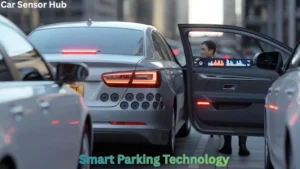
Parking sensors are not all the same. Some use ultrasonic distance measurement, some use radar-like detection within broader driver-assistance systems, and some systems rely entirely on cameras. Cameras are often called parking sensors in casual conversation, but they work differently because they interpret images rather than measure the time it takes a signal to reach an obstacle and return.
Even ultrasonic kits can behave differently. Sensor count, placement, mounting angle, detection algorithms, and beep thresholds all affect how early the system warns you and how often it produces false alerts. If you are buying, troubleshooting, or replacing sensors, match the technology, wiring, calibration, and alert system – not just the shape of the sensor in the bumper.
How Parking Sensor Systems Differ
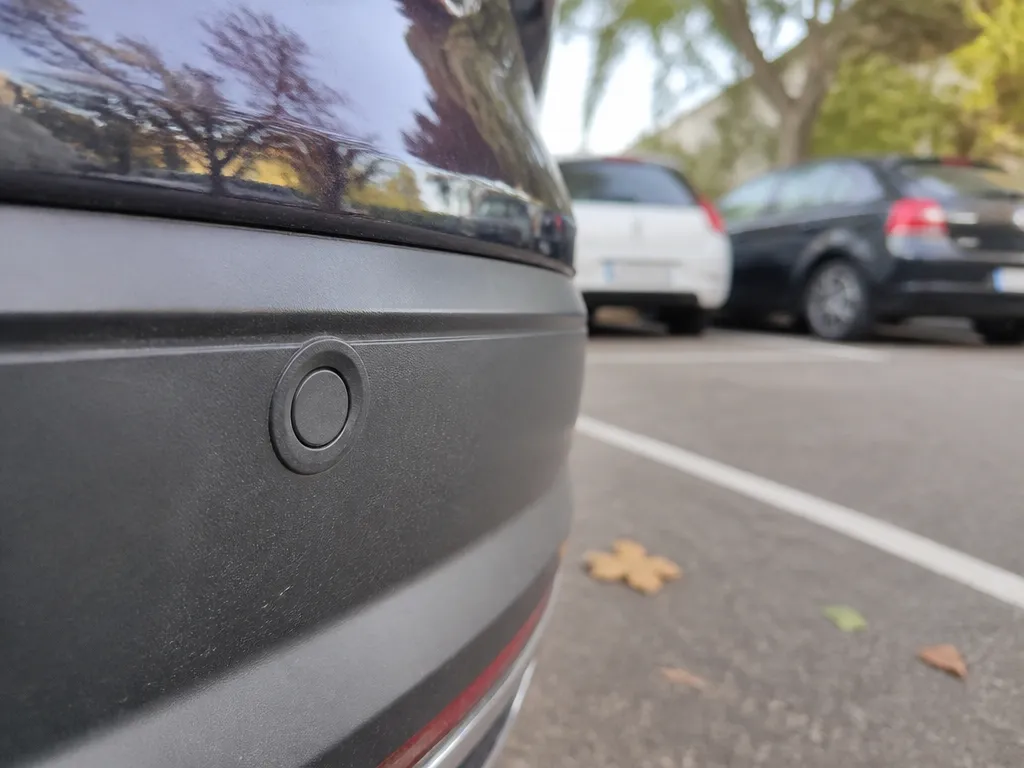
Parking sensors are a category, not a single standard. The most common factory setup uses ultrasonic sensors that emit sound pulses, measure the returning echoes, and trigger warnings based on the distance to a nearby object. Camera-based parking assistance handles the problem differently by processing an image feed and displaying what is behind or around the vehicle.
Electromagnetic-style proximity systems are another option. These systems detect nearby objects through changes in an electromagnetic field rather than through ultrasonic echoes. The word “parking sensor” is also used for complete parking-assist packages that combine ultrasonic sensors, cameras, displays, and other driver alerts.
A parking system is best understood as an ecosystem with three parts:
- Sensors that detect obstacles
- A control module that processes the signals
- Alerts such as beeps, screen graphics, steering-wheel vibration, or voice warnings
Two vehicles can both beep when you approach an obstacle, yet one may warn accurately at low speeds while the other produces constant false alerts. Sensor placement, controller tuning, and warning thresholds determine much of that difference.
What Determines Whether Two Sensors Are Compatible?
A round sensor face does not make two sensors interchangeable. The physical shape may be identical while the signal type, connector, part number, or communication protocol differs. Ultrasonic sensors also depend on consistent mounting and a stable angle, so a similar-looking replacement can still misread obstacles.
Sensor count and location matter as well. A vehicle may use different sensors for the inboard and outboard positions, and front coverage may use different parts from rear coverage. Replacing a rear sensor will not fix a front-only problem.
The warning behavior also matters. Look at three practical measures:
- Warning accuracy: whether the system detects real obstacles reliably
- Warning timing: how early it alerts you
- Alert fatigue: whether it becomes constant noise in tight spaces
A functioning system can still feel wrong if its thresholds are too sensitive or if it fails to ignore harmless reflections from hitch balls, foam protectors, decorative bumper accessories, or unusual object shapes.
How to Identify the System in Your Vehicle
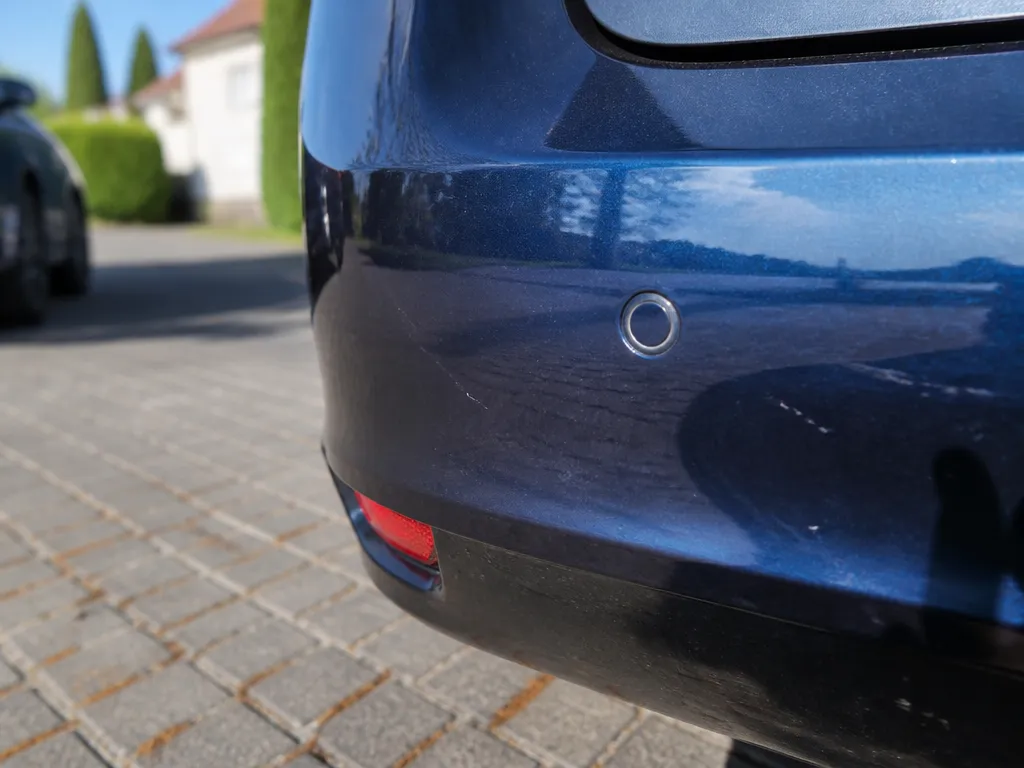
Start with the vehicle’s year, make, model, and trim. Confirm whether it has ultrasonic sensors, a camera-based system, an electromagnetic-style system, or a bundled parking-assist package. A vehicle with a reversing camera and audible beeps may use both technologies – the ultrasonic sensors measure distance while the camera supplies visual context.
Look at what the car actually does when you select reverse. Beeps without a camera usually indicate a proximity-warning system. A screen with guidelines but no beeps may indicate a camera-only setup. Some vehicles combine both and may add steering guidance, haptic warnings, or automatic braking.
Check the bumper for round sensor faces, but do not treat their appearance as proof of compatibility. The owner’s manual, vehicle parts catalog, diagnostic scan, or a qualified parts supplier can help identify the correct system and part number family.
Replacing or Installing Parking Sensors
Verify the replacement before buying it. Confirm the sensor type, connector, part number family, mounting position, and whether it communicates with the original control module. A sensor that clicks into the bumper may still cause intermittent beeps, a dead zone, or a dashboard warning that says the system is unavailable.
Mounting is part of calibration. A sensor installed at the wrong height or angle can change the way it detects curbs, walls, and other obstacles. Do not reuse damaged mounts or misaligned brackets, and do not assume that electronic compatibility can overcome poor physical positioning.
After installation, test the system in a controlled area. Park near a solid object such as a garage wall or block and compare beep distances from front to rear and left to right. Then test in the conditions where you normally park, including a damp surface or a space with a trailer hitch nearby. Moisture, surface shape, and unusual objects can affect how ultrasonic systems respond.

Helpful pick
JDMSPEED Set of 4 Pcs Rear Bumper Backup Parking Sensor w/O-Ring Replacement for Chevrolet Cadillac GMC Chevy Saturn Buick Replaces 25961317 15239247 25961321 21995586 25962147 Parking Assist Sensors
This comprehensive set of four replacement sensors is designed specifically for Chevrolet, Cadillac, and GMC vehicle models.
Use this checklist before declaring the repair complete:
- Identify the sensor type: ultrasonic, electromagnetic-style, or camera-based
- Check front and rear coverage: make sure the replacement addresses the affected end
- Match the control module: OEM parts should communicate with the original vehicle system
- Confirm sensor spacing: use the correct location and an undamaged mount
- Run a calibration-style test: compare readings against walls and consistent objects
Factory Sensors, Aftermarket Kits, and Cameras
Factory-installed ultrasonic sensors usually communicate with the vehicle’s own modules and display warnings through the dash or infotainment system. They tend to provide the most integrated experience, but replacement parts can cost more and must match the vehicle’s setup.
Aftermarket ultrasonic kits add their own control module and often use a separate speaker, display, or generic warning system. They can be a practical upgrade for a vehicle without factory sensors, but their warning thresholds and integration may differ from the original equipment.
Camera-based parking assistance improves visibility rather than measuring proximity in the same way as an ultrasonic system. A reversing camera with guidelines can help you line up with a curb, wall, or driveway, but it does not provide the same distance-based warning behavior as proximity sensors.
Blended parking-assist systems combine multiple inputs and may add more advanced warning logic or automatic braking. They can help in challenging parking situations, but the extra hardware and software make troubleshooting more involved.
| System option | Key spec/behavior | Best for | Main trade-off |
|---|---|---|---|
| Factory ultrasonic sensors | Proximity distance cues mapped into factory alerts | OEM-like feel and accuracy | Replacement can cost more and must match parts |
| Aftermarket ultrasonic kit | Ultrasonic distance cues using an add-on control module | Lower-cost upgrades on vehicles without sensors | Can be more sensitive, less integrated with vehicle display |
| Camera-based “parking sensors” | Image processing and visibility aids | Hard-to-see situations and aligning to tight spaces | No true distance measurement like proximity-only systems |
| Blended parking assist | Multiple inputs, smarter warning logic | Challenging parking plus active help | Higher complexity, troubleshooting is more involved |
In the U.S., an aftermarket ultrasonic kit is a common upgrade for vehicles without factory sensors because installation is generally more straightforward and less expensive than converting to a full OEM system. For the most consistent user experience, choose equipment that works with the vehicle’s existing module and display logic.
Choosing the Right System for Your Parking Situation
If you regularly park in tight city spaces around bollards and curbs, a properly calibrated ultrasonic system may provide the most useful distance warnings. If poor sight lines are the bigger problem – such as with tall pickups, awkward angles, or tight driveways – a camera or blended system may help more than distance-only alerts.
Alert design deserves attention, too. Some aftermarket controllers use aggressive thresholds that make the system beep earlier and more often. That may sound safer, but constant warnings create alert fatigue and can lead drivers to ignore the system.
Treat wiring and mounting as part of the installation, not as afterthoughts. A poorly aligned sensor or damaged bumper bracket can cause symptoms that look like an electronic failure. Correct parts, clean wiring, and stable mounting give the control module consistent readings.
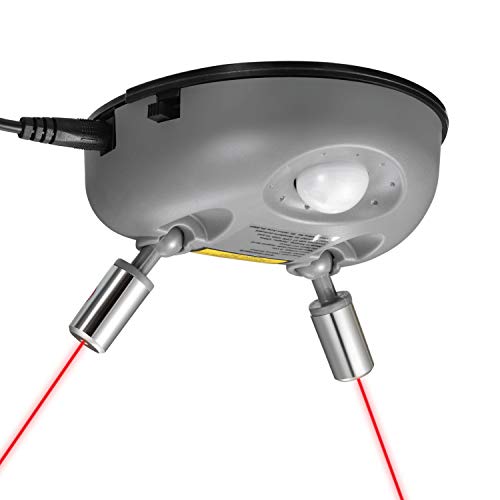
Helpful pick
Fosmon, Wider Angle Upgrade, Dual Laser Garage Parking Assist Guide System, 360-degree Adjustable Parking Sensor with AC Adapter and Battery Backup for Car/Automotive
Upgrade your parking experience with this 360-degree adjustable dual laser system for better visibility in tight spaces.
Common Parking Sensor Scenarios
A 2018 SUV with factory rear ultrasonic sensors may have two sensors that look identical on the bumper but use different part numbers for the inboard and outboard positions. Replacing a sensor based only on appearance can create a false-quiet zone where the system misses obstacles near one corner.
An aftermarket kit may work well in an open driveway but beep constantly in a tight garage. Reflective walls and unusual surfaces can trigger an overly sensitive controller, making the system feel as if it is “crying wolf.” Test any installation in the environment where you actually park before assuming the vehicle has a fault.

Helpful pick
GZGN Backup Parking Assist Sensor Compatible with Chevy Avalanche Silverado Suburban,GMC Sierra Yukon,Buick Lucerne Enclave 25961317 25962147,4 PCS Reverse Rear Bumper Parking Sensors
Avoid part number confusion with this specific set designed for Chevy Silverado, GMC Sierra, and Buick Enclave models.
FAQ
Are all parking sensors the same type of sensor?
No. Many factory systems use ultrasonic proximity sensors, while some vehicles rely on camera-based parking assistance for visibility. Other kits use electromagnetic-style detection or add-on modules that do not match OEM behavior. Check the vehicle’s sensor type and complete system before replacing anything.
Can I replace a damaged parking sensor with any one that fits?
Usually, no. A bumper sensor that looks identical may use a different part number, connector, signal type, or mounting position. A mismatched sensor can cause a fault message, dead zones, or inconsistent beeping.
Why does my parking sensor beep constantly when I am not close?
Common causes include incorrect sensor placement, bumper alignment problems, moisture, mud, decorative bumper attachments, nearby reflective objects, or an overly sensitive controller threshold. Inspect the sensor and mount for physical problems first, then test the system against a solid wall at a few distances.
How long does it take to install aftermarket parking sensors?
Installation time varies with vehicle complexity, bumper-removal requirements, and whether the kit must connect to an existing display. Many installs are a short shop job, but a DIY installation can take longer when routing wiring and setting the sensor angle. Allow time for testing and rechecking after installation.
What is a common mistake when upgrading parking sensors?
Buying a replacement based on appearance alone. Confirm the sensor’s part number, connector, module, coverage, wiring, and mounting requirements before buying parts.
Disclosure: As an Amazon Associate, I may earn from qualifying purchases at no extra cost to you. Amazon and the Amazon logo are trademarks of Amazon.com, Inc, or its affiliates.
- Amazon, Amazon Prime, the Amazon logo and Amazon Prime logo are trademarks of Amazon. com, Inc. or its affiliates.

Hi, I am AKM Sad. I’m a car enthusiast and reviewer who loves exploring gadgets and accessories. I share honest reviews and practical tips to help you get the best products and enjoy a safer, smoother ride.