I’ve spent years comparing, testing, and wrenching on Honda Accords. I know where they shine and where they stumble. If you’ve wondered what are the most common problems with the Honda Accord, I’ve got you covered. I’ll break down issues by systems and generations, share how I spot them fast, and help you avoid big bills. Stick with me, and you’ll feel confident buying, maintaining, or fixing any Accord you drive.

Quick Overview By Generation: What To Expect
From my experience and industry data, Accords age well, but patterns pop up by model years. Here’s a fast snapshot so you can zero in on what matters.
- 2003–2007: Automatic transmission wear, power steering rack leaks, airbag recalls, motor mount wear
- 2008–2012: Excessive oil consumption (especially V6), brake rotor warping, A/C compressor failures
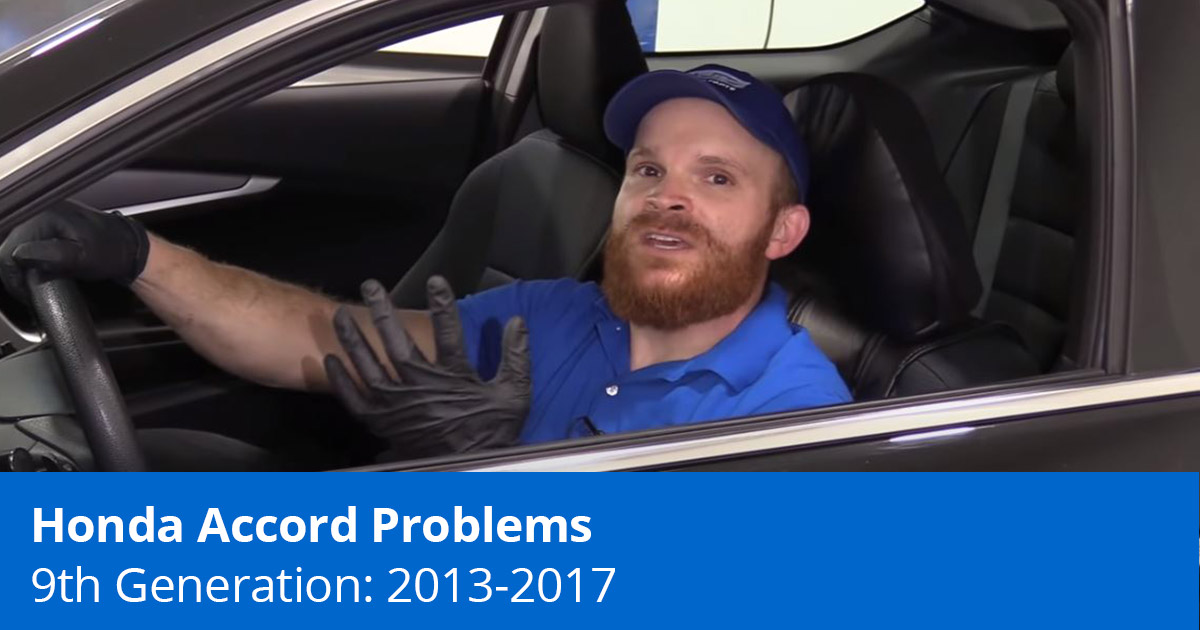
- 2013–2017: Starter motor failures, infotainment glitches, battery drain, CVT shudder on some trims
- 2018–2022: Fuel pump recalls, direct-injection carbon buildup, turbo wastegate rattle, touchscreen bugs
- 2023–present: Mostly solid so far, with occasional software hiccups and early-component quirks
I use test drives, scan tools, and service records to confirm these patterns. It’s simple, but it works.
Engine Problems: Oil Use, Carbon Buildup, And Leaks
Engines are the Accord’s heart. Most last a long time. Still, I see a few repeated issues.
- Excessive oil consumption: Common on some 2008–2012 models, and a few later V6s. I check for blue smoke on start-up and oil residue at the tailpipe. Keep an eye on dipstick levels every 1,000 miles.
- Carbon buildup on intake valves: Direct-injection engines (2013+) can collect deposits. Symptoms include rough idle and lost power. Walnut blasting or catch cans help.
- Oil leaks at gaskets and seals: Valve cover and VTC solenoid areas are frequent leak points. A UV dye test makes this easy to confirm.
- Timing components and VTC actuator noise: On some models, you may hear a brief rattle on cold start. It’s annoying but often manageable with updated parts.
- Cooling system hiccups: Older radiators and hoses can weep. I pressure test the system if I smell coolant or see white crust near hose clamps.
Practical tips I use:
- Check oil every fuel fill for high-mile cars
- Use top-tier fuel and quality oil to slow deposits
- Keep up with coolant and thermostat replacements on schedule
- Scan for misfires and fuel trims to catch problems early
Transmission And Drivetrain: Shifts, Shudders, And Mounts
Accords offer automatics, manuals, and CVTs. Each has its flavor of trouble.
- Early-2000s automatic wear: Hard shifts, slipping, and delayed engagement show up on neglected cars. Fluid changes help, but some need rebuilds.
- CVT shudder or drone: On certain trims, I feel a light shake under gentle acceleration. A proper fluid change with the right spec fluid often smooths it out.
- Manual clutch wear: High-mile manuals may grab high or slip under load. A test drive on a hill reveals it fast.
- Axle and CV joint noise: Clicking during turns means it’s time for axle work.
- Motor mounts: Torn mounts cause vibration at idle or clunks when shifting from park to drive.
What I do:
- Confirm fluid type and service history
- Test for shudder at 25–45 mph under light throttle
- Inspect mounts and axles for tears and grease spray
- Use a scan tool to check transmission temps and adaptives
Source: blog.1aauto.com
Electrical And Infotainment: Batteries, Starters, And Screens
Modern Accords pack tech. That’s great until it blinks.
- Starter failures (2013–2017): Slow crank or a single click. I check battery health first, then the starter relay and circuit.
- Battery drain: Weak batteries trigger random errors. Load testing and parasitic draw checks solve the mystery.
- Touchscreen and Bluetooth bugs: Freezes or lag. Software updates fix many issues. Keep the head unit on the latest firmware.
- Sensor gremlins: TPMS, O2 sensors, and alternators age out around 100k–150k miles. A scan tool saves time and money.
Quick wins:
- Clean and tighten battery terminals
- Update infotainment software
- Replace aging batteries before winter
- Keep a small OBD-II scanner in the glove box
Suspension, Steering, And Brakes: Noise, Vibration, And Pull
Ride quality is a strong point, but wear is normal as miles add up.
- Brake rotor warping: Pulsation when braking at highway speeds is common on 2008–2012 cars. Use quality rotors and torque lugs properly.
- Sway bar links and bushings: Clunks over bumps are often from cheap links. Easy, low-cost fix.
- Power steering leaks: Older hydraulic systems can seep at the rack or lines. Check for wet spots and a low reservoir.
- Wheel bearings: A humming that grows with speed usually means a front bearing.
- Alignment drift: Pulling to one side or uneven tire wear calls for a good alignment and tire rotation schedule.
My checklist:
- Road test over rough roads and on the highway
- Inspect brakes, pads, and rotor thickness
- Look for torn boots and oily spots on the rack
- Measure tread depth and watch for cupping
Air Conditioning, Heating, And Cabin Comfort
A/C performance matters, especially in hot states.
- A/C compressor failures: I’ve seen this on mid-2000s and some 2008–2012 models. A noisy compressor or no cold air are clues.
- Condenser damage: Rocks can puncture the front-mounted condenser. Look for oily residue.
- Blend door actuators: Clicking behind the dash when changing temp means an actuator is failing.
- Cabin filters: A clogged filter limits airflow. Replace yearly.
Simple steps:
- Check vent temps at max cool
- Inspect condenser fins for damage
- Replace the cabin filter often
- Keep leaves and debris out of cowl drains
Interior, Exterior, And Safety: Wear, Trim, And Recalls
Not every issue is mechanical. Some are about feel and safety.
- Paint and clear coat wear: Sun-heavy regions see fading on older models. Regular wax helps a lot.
- Door lock actuators: Random locking or slow locks point to weak actuators.
- Window regulators: Slow or stuck windows need attention.
- Airbag recalls: Multiple generations had Takata-related recalls. I always run a VIN recall check before I buy or recommend a car.
Pro moves:
- Use OEM-style weatherstrips to quiet wind noise
- Check all switches at purchase
- Run a VIN recall search and get free recall work done
Maintenance And Prevention: How I Keep Accords Happy
Here’s my simple, high-impact routine that cuts problems early.
- Oil and filter: Every 5,000–7,500 miles with the right spec oil
- Transmission fluid: Every 30,000–60,000 miles, use the exact Honda spec
- Brake fluid: Every 2–3 years to protect ABS parts
- Coolant: Every 5 years or as the manual says
- Spark plugs: On schedule; DI engines are picky
- Fuel system care: Use top-tier gas; consider periodic intake cleaning
- Tires and alignment: Rotate every 5,000–7,500 miles; align yearly if you hit potholes
- Software updates: Keep ECU and infotainment current
What I’ve learned:
- Cheap fluid now beats a big repair later
- A quick scan before road trips saves headaches
- Preventive care pushes Accords past 200k miles with ease
Costs, Recalls, And What To Check Before You Buy
If you’re shopping used, this section pays for itself.
- Common repair costs: Starters often run mid-to-high hundreds. A/C work can reach four figures with compressors and condensers. Mounts and brakes vary by quality of parts.
- What I inspect on a test drive: Cold start noise, transmission engagement, brake pulsation, steering wander, infotainment lag, and A/C vent temps
- Records matter: A well-documented Accord can be worth more than one with fewer miles and no history
- Recalls: Many are free fixes at dealers. Always check the VIN
My quick pre-purchase checklist:
- Scan for codes, even if the light is off
- Inspect for leaks top and bottom
- Verify fluid color and smell
- Confirm all keys, locks, and windows work
- Drive on highway and in stop-and-go
Frequently Asked Questions Of What Are The Most Common Problems With The Honda Accord
Do Honda Accords Have Transmission Problems?
Some older automatics and certain CVTs can develop issues if fluids were neglected. Routine fluid changes with the correct spec often prevent trouble.
Why Does My Accord Use More Oil Than Expected?
Certain 2008–2012 engines are known for higher oil use. Check levels often and follow the right oil spec. Some cases need piston ring work or software updates.
How Long Does A Honda Accord Usually Last?
With proper maintenance, many Accords pass 200,000 miles. I’ve seen well-kept cars reach 300,000 miles with original engines and transmissions.
Are Starter Problems Common?
On 2013–2017 models, starter failures show up more often. Testing the battery and starter circuit will confirm it. Replacing the starter solves it.
What Recalls Should I Watch For?
Takata airbag recalls affected multiple years. Some models had fuel pump or software-related recalls. Always run a VIN check and get recall work done free.
How Do I Prevent Brake Rotor Warping?
Use quality rotors and pads, torque lug nuts correctly, and avoid heavy braking from high speeds. Regular inspections help.
Is The Direct-Injection Engine A Problem?
Not a problem, but it needs attention. Use good fuel, change oil on time, and consider intake cleanings to control carbon buildup.
Wrap-Up: Drive Farther With Fewer Surprises
We covered the big Accord trouble spots: oil use, transmission and CVT behavior, starters, infotainment bugs, brakes, and steering wear. I shared what I check, how I confirm issues, and how I prevent them. Use these tips, and you’ll turn common problems into easy wins.
Take action today. Check your fluids, run a quick scan, and schedule needed maintenance. If you’re buying, bring this checklist and shop with confidence. Have questions or your own stories? Drop a comment, subscribe for more guides, and explore our related resources next.
Watch This Video on What are the most common problems with the Honda Accord
Disclosure: As an Amazon Associate, I may earn from qualifying purchases at no extra cost to you. Amazon and the Amazon logo are trademarks of Amazon.com, Inc, or its affiliates.
- Amazon, Amazon Prime, the Amazon logo and Amazon Prime logo are trademarks of Amazon. com, Inc. or its affiliates.

Hi, I am AKM Sad. I’m a car enthusiast and reviewer who loves exploring gadgets and accessories. I share honest reviews and practical tips to help you get the best products and enjoy a safer, smoother ride.


