A car’s engine is a complex machine, and many parts must work together for smooth performance. One critical but often overlooked component is the mass air flow sensor. When this small device goes bad, it can cause a long list of problems that confuse both drivers and mechanics. People often replace expensive parts or waste time guessing, when the real issue is a failing mass air flow sensor.
Recognizing the symptoms early can save you money, avoid bigger engine problems, and keep your car running safely. In this guide, you’ll discover everything you need to know about the symptoms of a bad mass air flow sensor. We’ll explore what each symptom feels like, why it happens, and how to avoid confusion with other common car issues.
Along the way, you’ll learn some practical tips, real-world examples, and key things beginners often miss.
Let’s unlock the secrets behind this important sensor—so you’ll know exactly what to watch out for, and how to act before small troubles become big headaches.
What Is A Mass Air Flow Sensor?
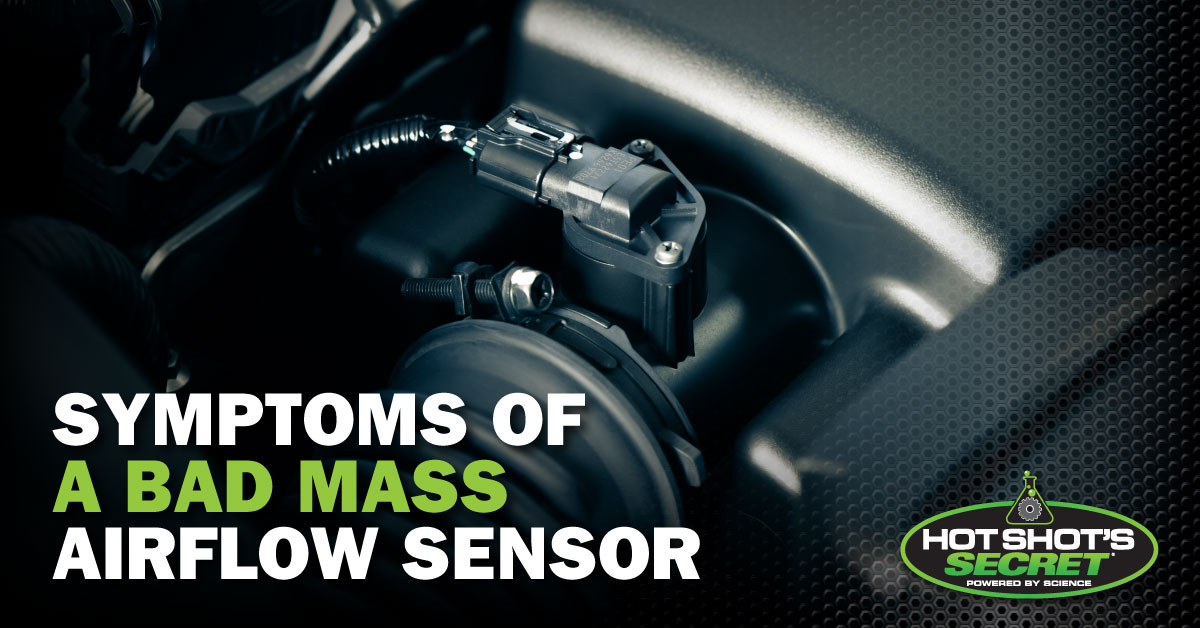
Before diving into the symptoms, it’s important to understand what a mass air flow (MAF) sensor does. In simple terms, the MAF sensor measures how much air enters your engine. This information helps the car’s computer (ECU) decide how much fuel to mix with the air for the right combustion.
The MAF sensor sits between the air filter and the intake manifold. When it fails, the air-fuel mix becomes unbalanced. This leads to poor engine performance, increased emissions, and sometimes even engine damage.
There are two main types:
- Hot Wire MAF Sensor: Uses a heated wire to measure air flow by how much the wire cools down.
- Vane Meter (Mechanical) MAF Sensor: Uses a moving flap or spring to measure the air flow.
Most modern cars use the hot wire type because it’s more accurate and reliable.
Why The Maf Sensor Fails
Understanding why this sensor fails helps you spot problems sooner. The most common causes include:
- Dirt and Debris: Dust or oil from the air filter can coat the sensor, making it read wrong.
- Moisture: Water or humidity can cause corrosion or short circuits.
- Wiring Problems: Broken or loose wires mean the sensor can’t send signals.
- Old Age: Sensors get less accurate over time, especially after 100,000 miles.
- Bad Air Filters: Using low-quality or oily filters can cause buildup on the sensor.
Many car owners forget that even a small amount of contamination can throw off the sensor. Cleaning or replacing the air filter regularly is a simple way to prevent problems.

Credit: www.youtube.com
Main Symptoms Of A Bad Mass Air Flow Sensor
Now let’s break down the signs that your MAF sensor is failing. Each symptom points to an air-fuel mix that’s too rich (too much fuel) or too lean (not enough fuel).
1. Check Engine Light Comes On
The check engine light is often the first warning sign. When the car’s computer notices strange air flow readings, it triggers this light.
- The code is usually P0101, P0102, or P0103 (for airflow problems).
- Sometimes other codes appear if the mix is too rich or lean (P0171, P0172).
It’s important to remember: the check engine light can mean many things, not just a bad MAF sensor. Always read the code with a scanner.
2. Poor Fuel Economy
If you notice you’re filling the gas tank more often, your MAF sensor might be to blame.
- A bad sensor can send wrong air readings, making the ECU add too much fuel.
- This causes fuel consumption to rise by 10–25% or more.
Tip: Compare your current miles per gallon with the past few months. Even a small drop can signal a sensor problem before other symptoms appear.
3. Rough Idle Or Stalling
A car should idle smoothly when stopped. If the MAF sensor is bad, the engine may:
- Shake or vibrate more than usual
- Stall when you stop at a light or try to start the car
This roughness happens because the engine isn’t getting the right air-fuel mix at idle, when airflow is low and precise control is important.
4. Hard Starting Or Failure To Start
A failing MAF sensor can make starting your car difficult. You might hear the engine crank but not fire up, or it might take longer to start.
- The wrong air/fuel mix can flood the engine or starve it of fuel.
- Cold mornings often make this problem worse.
Beginners sometimes replace the battery or starter, but the real issue is the sensor.
5. Hesitation And Jerking During Acceleration
One of the most noticeable symptoms is when your car hesitates, jerks, or “bogs down” when you press the gas pedal.
- This is because the engine doesn’t get enough power for quick acceleration.
- You may feel a delay or stumble, especially when merging or passing.
This symptom is often confused with transmission problems, but a simple MAF sensor check can save you from a costly misdiagnosis.
6. Engine Surges Or Misfires
Sometimes a bad MAF sensor causes the opposite of hesitation: the engine suddenly surges or speeds up without warning.
- You may feel the car lurch forward for no clear reason.
- Engine misfires can also happen, causing popping sounds or shaking.
Surges and misfires mean the air-fuel mix is changing rapidly and unpredictably.
7. Black Smoke From The Exhaust
If too much fuel is sent to the engine, it can’t all burn. The extra fuel turns into black smoke at the tailpipe.
- Black smoke is a clear sign of a rich fuel mixture.
- You might notice the car smells like gasoline.
This symptom is serious, as it can damage the catalytic converter and increase pollution.
8. Strong Fuel Smell
A rich mixture from a bad MAF sensor can also create a strong gasoline smell inside or outside the car.
- Unburned fuel escapes from the exhaust.
- Sometimes you’ll even smell fuel under the hood.
This is not just unpleasant; it’s a fire risk.
9. Engine Runs Too Lean Or Too Rich
The MAF sensor’s main job is to keep the air-fuel mix balanced. When it fails, the engine often runs:
- Too lean: Not enough fuel, causing hesitation, stalling, and even engine damage from high heat.
- Too rich: Too much fuel, causing rough running, black smoke, and poor mileage.
A mechanic can check the fuel trim numbers (short-term and long-term) with a scan tool. Numbers above +10% or below –10% often mean a sensor problem.
10. Trouble Passing Emissions Test
A bad MAF sensor can make your car fail an emissions test.
- The air-fuel mix affects how much carbon monoxide (CO), hydrocarbons (HC), and nitrogen oxides (NOx) your car produces.
- Too much or too little fuel causes high emissions and a failed test.
If your car recently failed an emissions inspection for no clear reason, the MAF sensor could be the cause.
11. Unusual Engine Noises
A struggling engine sometimes makes new sounds:
- Popping, spitting, or backfiring
- Sucking or hissing from the intake
These noises come from irregular combustion caused by poor air measurement.
12. Transmission Shifting Issues
Surprisingly, a bad MAF sensor can cause hard shifting or delayed gear changes.
- Modern automatic transmissions use engine data to decide when to shift.
- If the engine power is wrong, the transmission can become confused.
Many drivers replace transmission parts, only to find the MAF sensor was the problem.
13. Lack Of Power
When the MAF sensor fails, many drivers notice reduced engine power.
- The car feels weak, especially going uphill.
- Overtaking and merging become hard.
This loss of power is sometimes called “limp mode,” where the car’s computer limits power to prevent damage.
14. Engine Knocking Or Ping
Running too lean (not enough fuel) can cause the engine to knock or “ping.”
- This sounds like a metallic tapping, especially under heavy load.
- Prolonged knocking can damage pistons and valves.
If you hear knocking with other symptoms, check the MAF sensor before blaming the fuel or ignition system.
15. Air Filter Or Intake Problems
Sometimes a bad MAF sensor is a symptom of a bigger problem with the air filter or intake system.
- A clogged or dirty filter can block airflow, confusing the sensor.
- Cracked intake hoses can let in unmeasured air.
Always check these parts when diagnosing a sensor issue.
How To Confirm A Bad Maf Sensor
While the above symptoms strongly suggest a problem, it’s best to confirm before replacing the sensor. Here’s how professionals check:
- OBD-II Scan Tool: Plug in a scanner to read trouble codes and live data.
- MAF Sensor Voltage Test: With the engine running, the sensor should produce a certain voltage (often 0.6–1.0 volts at idle, higher when revved).
- Tap Test: Gently tap the sensor. If the engine stumbles, the sensor is likely bad.
- Unplug Test: Disconnect the sensor. If the engine runs better or the same, the sensor may be faulty. (Note: This is not a perfect test, as some cars will run poorly with it unplugged.)
- Visual Inspection: Check for dirt, oil, or damage on the sensor wires.
A common mistake: replacing the sensor without checking the wiring or air filter. Always inspect the whole intake path.
Common Mistakes When Diagnosing Maf Sensor Problems
Even experienced mechanics sometimes make these errors:
- Ignoring the air filter: A dirty or cheap filter can cause repeat sensor failures.
- Not checking for intake leaks: Cracks or loose clamps after the sensor let in unmeasured air.
- Overlooking wiring: Broken or corroded wires can mimic a bad sensor.
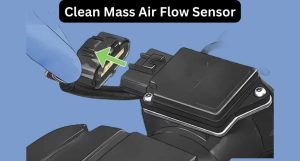
- Not cleaning before replacing: Sometimes, a careful cleaning with MAF sensor spray solves the problem.
Beginners often rush to buy a new sensor, but a simple cleaning or wiring check can save money.
How A Bad Maf Sensor Affects Different Car Models
While symptoms are similar in most cars, some brands show unique issues:
- Toyota/Lexus: Often set a P0171 lean code with idle problems.
- BMW/Mercedes: May enter limp mode with transmission faults.
- Ford: Sometimes the car won’t start at all.
- Honda: Sometimes stalls after cold starts.
Older cars with simple computers may keep running, but new cars often protect themselves by limiting power or shutting off the fuel injectors.
Maf Sensor Vs. Other Sensor Problems
It’s easy to confuse a bad MAF sensor with other engine sensor failures. Here’s a quick comparison:
| Symptom | MAF Sensor | Oxygen Sensor | Throttle Position Sensor |
|---|---|---|---|
| Check Engine Light | Yes | Yes | Yes |
| Poor Fuel Economy | Yes | Yes | Sometimes |
| Rough Idle | Yes | Sometimes | Yes |
| Hard Starting | Yes | No | Yes |
| Black Smoke | Yes | Rarely | No |
If you see several of the MAF sensor signs together, it’s more likely the culprit than the other sensors.
Real-world Examples
Let’s look at two common situations:
Case 1: The Commuter’s Mystery
Sarah drives her Honda to work every day. One week, the car starts stalling at stoplights and feels weak when accelerating. The check engine light comes on. Her mechanic finds a P0171 code (lean mixture) and rough idle. After cleaning the MAF sensor, the car runs perfectly again.
Case 2: The Weekend Warrior
Mike owns an older pickup. After a dusty off-road trip, he notices black smoke and poor mileage. He replaces the air filter but the problem stays. A scan tool shows a P0102 code (low MAF signal). The sensor is dirty from dust.
A proper cleaning solves the issue and his mileage returns to normal.
These stories highlight two things beginners miss: the importance of a clean air filter and the value of regular sensor cleaning.
Credit: www.hotshotsecret.com
How To Prevent Maf Sensor Failure
Prevention is easier than repair. Here’s what you can do:
- Use Quality Air Filters: Cheap filters break down and let dirt through.
- Change Filters Regularly: Every 12,000 to 15,000 miles or as recommended.
- Clean the MAF Sensor: Use only MAF sensor-safe spray every 30,000 miles or if you notice symptoms.
- Check Intake Hoses: Look for cracks or loose clamps during oil changes.
- Avoid Over-oiling Filters: Too much oil can contaminate the sensor.
Many people ignore these simple steps. A few minutes of maintenance can add years to your sensor’s life.
How Much Does It Cost To Replace A Maf Sensor?
The cost depends on your car’s make and model, but here’s a general idea:
| Car Type | Sensor Cost (USD) | Labor Cost (USD) | Total (USD) |
|---|---|---|---|
| Compact Car | $50–$120 | $30–$80 | $80–$200 |
| SUV/Truck | $90–$220 | $50–$120 | $140–$340 |
| Luxury/European | $150–$400 | $80–$200 | $230–$600 |
Tip: Always ask for an original equipment (OEM) sensor or a reputable brand. Cheap aftermarket sensors often fail quickly.

Credit: www.youtube.com
Cleaning Vs. Replacing: Which To Choose?
Sometimes, a dirty sensor can be cleaned instead of replaced. Here’s when to try cleaning:
- The sensor looks dirty but not damaged.
- You’ve recently driven in dusty or oily conditions.
- There are no broken wires or parts.
Use only MAF-safe cleaning spray (never carburetor or brake cleaner). Let it dry completely before reinstalling.
But, if cleaning doesn’t help or the sensor is damaged, replacement is the best choice.
Why Some Cars Run Without A Maf Sensor
Some cars will keep running if the MAF sensor is unplugged. This is because the car switches to a backup mode called speed-density. The computer guesses the airflow based on throttle position and engine speed.
However, this “limp mode” is only meant for emergencies. Your car will use more fuel, pollute more, and lose power. Always fix the sensor as soon as possible.
When To See A Mechanic
If you’ve tried cleaning and checking the air filter but still see the symptoms, it’s time to visit a trusted mechanic. They have advanced scan tools to:
- Check live sensor data
- Test wiring and connections
- Compare with manufacturer specifications
Never ignore a check engine light or poor engine performance. Small problems can quickly turn into expensive repairs if left alone.
Recognizing the symptoms of a bad mass air flow sensor can save you time, money, and frustration. By paying attention to how your car runs—and acting early—you’ll keep your engine healthy and your journeys smooth.
FAQs Of What are the Symptoms of a Bad Mass Air Flow Sensor
What Happens If You Drive With A Bad Mass Air Flow Sensor?
Driving with a bad MAF sensor can cause poor performance, high fuel use, and potential engine damage over time. The car may run rough, stall, or go into limp mode. It’s best to fix the sensor as soon as possible.
Can A Bad MAF Sensor Cause Transmission Problems?
Yes, in many modern cars, a failing MAF sensor can create shifting issues. This happens because the transmission relies on engine data for timing. However, not all shifting problems are from the MAF sensor—diagnosis is important.
How Often Should The MAF Sensor Be Cleaned?
It’s wise to check and clean the MAF sensor every 30,000 miles or if you notice symptoms. If you drive in dusty areas, consider cleaning it more often. Always use a proper MAF sensor cleaner.
Is It Safe To Clean A MAF Sensor Yourself?
Yes, but only if you use the correct MAF sensor cleaner and follow instructions. Do not use household cleaners, and let the sensor dry completely before reinstalling. If unsure, ask a mechanic.
Where Can I Learn More About Mass Air Flow Sensors?
You can find in-depth information on reputable sites like the Wikipedia Mass Flow Sensor page for more technical details and diagrams.
Disclosure: As an Amazon Associate, I may earn from qualifying purchases at no extra cost to you. Amazon and the Amazon logo are trademarks of Amazon.com, Inc, or its affiliates.
- Amazon, Amazon Prime, the Amazon logo and Amazon Prime logo are trademarks of Amazon. com, Inc. or its affiliates.

I am Sadman, the founder of CarSensorHub.com, where I share my passion for cars and technology. I specialize in writing detailed reviews and helpful guides on car gadgets, accessories, safety tools and many more. My mission is to help car owners discover the best products and tips to improve their driving experience and stay safe on the road.