If you own a Ford F350, you know towing can sometimes feel rough and uncomfortable. But what if you could make every trip smoother and more stable?
Improving your F350’s towing ride quality isn’t just about comfort—it’s about safety, control, and confidence on the road. You’ll discover simple, effective ways to upgrade your truck’s towing performance. Keep reading to learn how you can turn your tough hauler into a smoother, more reliable towing machine.

Credit: www.reddit.com
Common Towing Ride Issues
Towing with a Ford F350 can sometimes feel rough and uncomfortable. Many drivers face issues that affect the ride quality while towing heavy loads. These problems can make long trips tiring and unsafe. Understanding the common towing ride issues helps to fix them quickly.
Some problems come from the truck itself, while others come from the trailer or load. Identifying these issues early keeps your towing experience smooth and controlled.
Causes Of Rough Rides
Worn-out suspension parts often cause rough rides. Springs and shocks that lose strength fail to absorb bumps. Incorrect tire pressure can also lead to poor ride quality. Overloaded trucks or uneven weight distribution create instability. Poorly maintained brakes and loose steering parts add to the problem. Lastly, bad trailer connections or damaged hitch components can cause shaking and jerking.
Signs Of Poor Ride Quality
The truck may bounce excessively on the road. You might feel shaking or vibration in the steering wheel. Trailer sway or fishtailing is a strong sign of instability. Hard braking or longer stopping distances indicate suspension or brake issues. Uneven tire wear points to alignment or suspension problems. Strange noises during towing also suggest mechanical troubles.
Upgrading Suspension Components
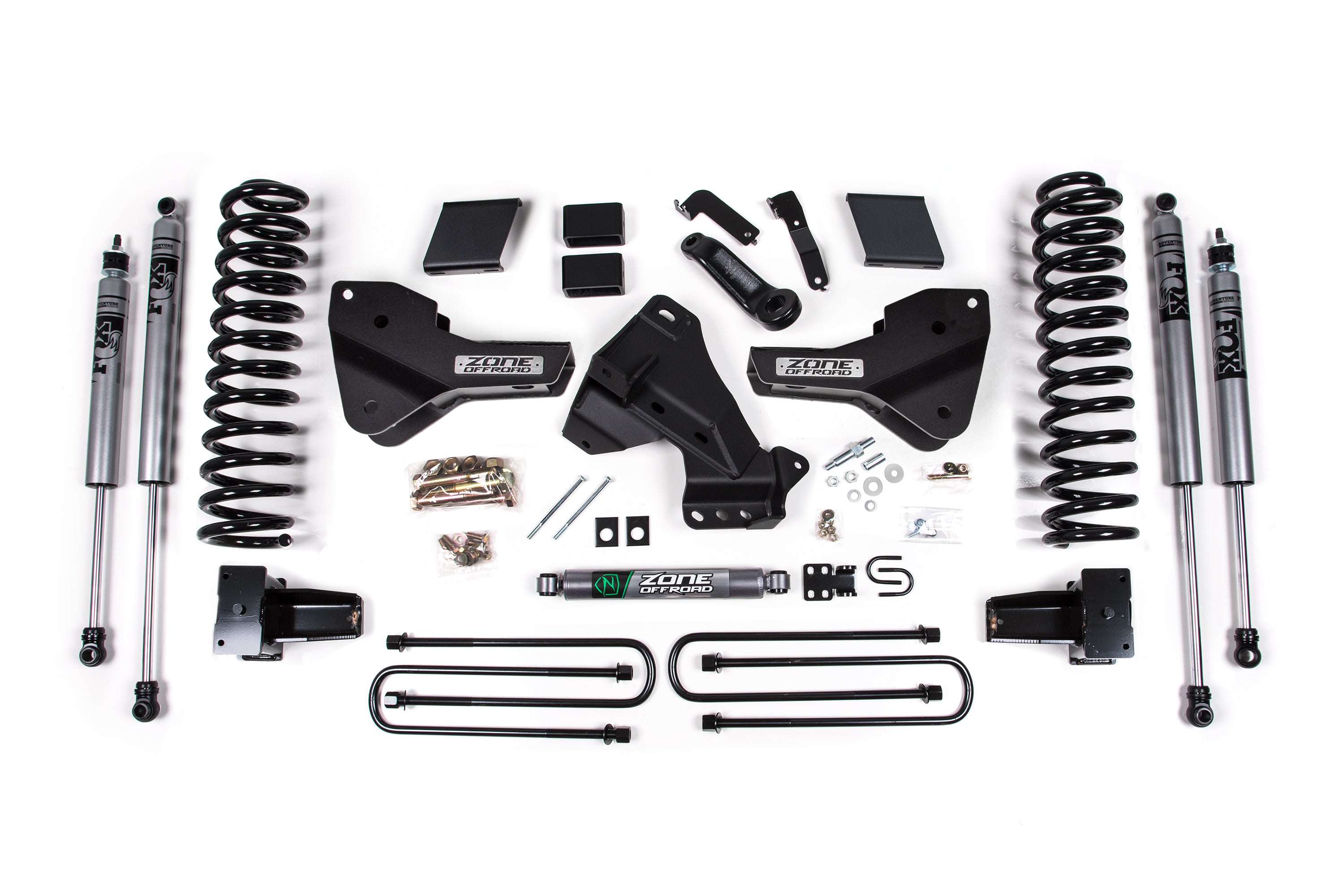
Upgrading suspension components is a key step to improve your Ford F350 towing ride quality. These upgrades help your truck handle heavy loads better. They also reduce sway and increase stability.
Proper suspension parts keep the truck balanced and comfortable. They absorb road bumps and prevent harsh movements. This makes towing safer and less tiring.
Choosing The Right Shocks
Shocks control how your truck absorbs bumps. Upgrading to heavy-duty shocks improves ride quality during towing. Look for shocks designed for towing and heavy loads.
Gas-charged shocks provide better control and reduce bouncing. They help keep the truck steady on rough roads. Choose shocks that fit your F350 model and towing needs.
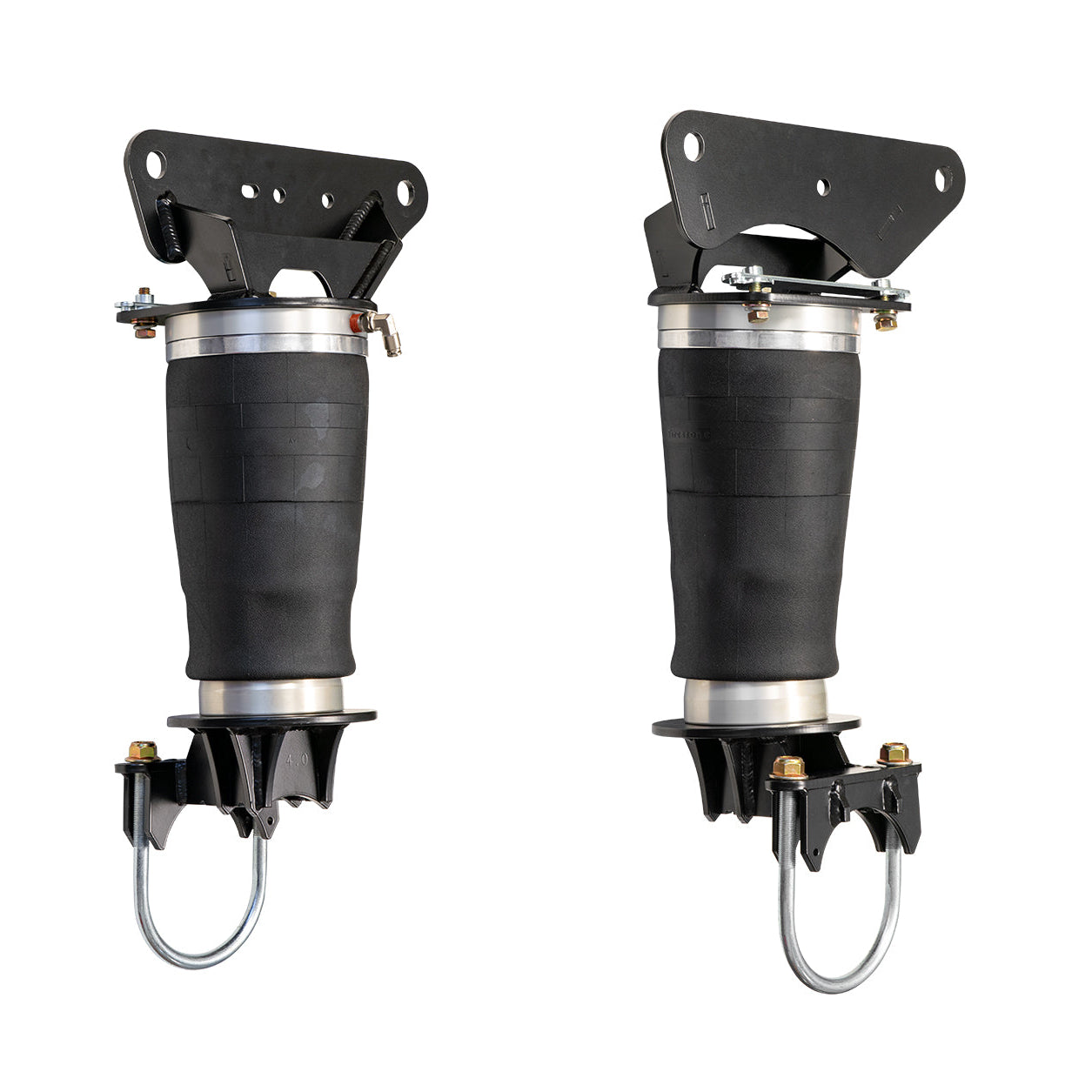
Adding Helper Springs Or Air Bags
Helper springs add extra support to your existing suspension. They reduce sagging when carrying heavy trailers. This keeps the truck level and stable.
Air bags offer adjustable support. You can inflate or deflate them to match your load. This flexibility improves ride comfort and towing stability.
Both options prevent excessive sway and improve handling. Choose based on your budget and towing habits.
Tire And Wheel Adjustments
Tire and wheel adjustments play a key role in improving the towing ride quality of your Ford F350. Proper tires and wheels help your truck handle heavy loads smoothly. They also reduce road vibrations and increase stability. Paying attention to these details can make towing safer and more comfortable.
Selecting Towing-friendly Tires
Choose tires designed for heavy loads and towing. Look for tires with strong sidewalls to support weight. Tires marked with “LT” (Light Truck) are often better for towing. These tires provide better durability and grip on the road. Avoid using worn-out or all-season tires for heavy towing tasks. Good towing tires help reduce sway and improve control.
Proper Tire Inflation Tips
Keep your tires inflated to the recommended pressure. Check the Ford F350 manual or tire sidewall for correct PSI. Underinflated tires cause poor fuel economy and uneven wear. Overinflated tires can lead to a harsh ride and less traction. Use a reliable tire gauge to check pressure before every trip. Proper inflation keeps the truck stable and improves ride quality while towing.
Credit: sdhqoffroad.com
Optimizing Weight Distribution
Optimizing weight distribution improves the Ford F350 towing ride quality. It helps the truck and trailer stay balanced and stable. Proper weight distribution reduces sway and improves control. This makes towing safer and more comfortable on the road.
Using Weight Distribution Hitches
Weight distribution hitches spread the trailer’s weight across the truck. They lift the rear axle and add weight to the front axle. This improves steering and braking. These hitches reduce trailer sway and keep the truck level. Installing the right hitch can make towing smoother and safer.
Balancing Cargo And Trailer Load
Evenly placing cargo in the trailer helps balance the load. Put heavier items low and near the trailer’s center. Avoid putting too much weight at the back or front. Balance the load side to side as well. A well-balanced load reduces sway and improves ride quality.
Brake System Enhancements
Improving your Ford F350’s towing ride quality involves more than just the suspension. The brake system plays a key role in safety and control. Upgrading and maintaining your brakes helps you stop smoothly and avoid trailer sway. This section focuses on practical ways to enhance your brake system for better towing performance.
Upgrading Trailer Brakes
Trailer brakes reduce strain on your truck’s brakes. Upgrading to electric or electric-over-hydraulic trailer brakes improves stopping power. These brakes respond faster and provide more control. Choose brakes that match your trailer’s weight and load. A quality brake controller in your truck helps balance braking between truck and trailer. This upgrade lowers the risk of brake fade on long descents. It also enhances overall towing stability and safety.
Maintaining Brake Components
Regular brake maintenance prevents failures and uneven wear. Inspect brake pads, drums, and rotors before every trip. Replace worn pads and shoes promptly. Check brake fluid levels and top off as needed. Clean brake connections and trailer wiring to ensure proper signals. Lubricate moving parts to avoid sticking brakes. Well-maintained brakes deliver consistent stopping power. This upkeep reduces the chance of trailer sway and improves ride comfort.
Driving Techniques For Better Ride
Driving your Ford F350 with a trailer requires careful techniques to improve towing ride quality. Smooth driving helps reduce sway and shock. It also keeps your vehicle and trailer stable. Simple changes in how you drive make a big difference. Focus on gentle movements and steady control.
Adjusting Speed And Acceleration
Keep your speed steady and avoid sudden changes. Quick acceleration can cause trailer sway. Slow down gradually when you need to stop or slow. Smooth speed changes help the truck and trailer move together. Avoid driving too fast, especially on rough roads. Drive within safe speed limits for towing.
Handling Corners And Hills
Take corners slowly to prevent the trailer from tipping. Sharp turns at high speed increase the risk of losing control. On hills, use lower gears to maintain steady power. Avoid sudden braking or accelerating on slopes. This keeps the trailer stable and prevents jerky motion. Plan your route to avoid steep hills when possible.
Regular Maintenance Checklist
Keeping your Ford F350 in top shape is key to a smooth towing ride. Regular maintenance helps spot issues early. It keeps the truck safe and comfortable while towing heavy loads. Follow this checklist to maintain ride quality.
Inspecting Suspension And Tires
Check the suspension system regularly. Look for worn or damaged shocks and springs. These parts absorb bumps and keep the ride smooth. Replace any worn components to avoid a rough ride.
Examine tires for wear and proper inflation. Uneven tire wear can cause vibration and poor handling. Keep tires inflated to the recommended pressure. Rotate tires often to extend their life and improve stability.
Routine Brake And Hitch Checks
Inspect brake pads and discs for wear. Good brakes are essential when towing heavy trailers. Replace worn pads to maintain stopping power and control.
Check the hitch and connections every time before towing. Tighten any loose bolts and inspect for cracks. A secure hitch prevents sway and improves ride quality. Make sure safety chains and wiring are intact and functioning.
Credit: zoneoffroad.com
Frequently Asked Questions
How Can I Improve Ford F350 Towing Ride Quality?
Upgrading suspension components like shocks and airbags enhances ride comfort. Properly balancing the load and using weight distribution hitches also improves stability and reduces sway while towing.
What Suspension Upgrades Help Ford F350 Towing?
Installing heavy-duty shocks, air springs, or helper springs can significantly improve towing ride quality. These upgrades absorb bumps better and provide consistent support under heavy loads.
How Does Tire Choice Affect Towing Ride Quality?
Using tires rated for heavy loads improves stability and reduces vibrations. Proper tire pressure is crucial to maintain traction and prevent uneven wear during towing.
Can Weight Distribution Hitches Improve Towing Stability?
Yes, weight distribution hitches evenly spread the trailer’s tongue weight across axles. This reduces rear sag and improves overall ride quality and control while towing.
Conclusion
Improving your Ford F350’s towing ride quality makes every trip safer and more comfortable. Small upgrades like better shocks or air springs can help a lot. Regular checks and proper tire pressure keep the truck steady on the road. A smooth ride reduces driver fatigue and protects your cargo.
Take time to maintain and adjust your setup. Enjoy towing with less bounce and more control. Simple steps can make big differences. Your F350 will handle loads with greater ease and confidence.
Disclosure: As an Amazon Associate, I may earn from qualifying purchases at no extra cost to you. Amazon and the Amazon logo are trademarks of Amazon.com, Inc, or its affiliates.
- Amazon, Amazon Prime, the Amazon logo and Amazon Prime logo are trademarks of Amazon. com, Inc. or its affiliates.

I am Sadman, the founder of CarSensorHub.com, where I share my passion for cars and technology. I specialize in writing detailed reviews and helpful guides on car gadgets, accessories, safety tools and many more. My mission is to help car owners discover the best products and tips to improve their driving experience and stay safe on the road.