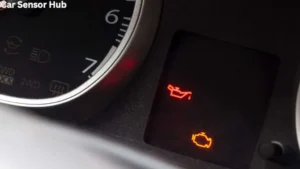
If you own a Subaru, you probably appreciate its reliability and solid engineering. But even the most dependable vehicles can develop issues as they age. One common problem for Subaru owners is a leaking oil pressure sensor. This small part plays a big role in engine health, but when it leaks, it can cause messy oil spots, low oil pressure warnings, and even engine damage if ignored. Fixing this issue is critical for your car’s performance and your peace of mind.
This guide will walk you through everything you need to know about fixing a leaking Subaru oil pressure sensor. You’ll learn what the sensor does, why it leaks, how to spot the signs early, and—most importantly—how to fix it yourself or know when to seek help.
Whether you’re a DIY enthusiast or just want to make informed decisions at the mechanic, you’ll find clear steps and practical advice here.
Understanding The Subaru Oil Pressure Sensor
Before jumping into repairs, it helps to understand what the oil pressure sensor is and why it matters. The oil pressure sensor, sometimes called the oil pressure switch, monitors the pressure of oil in your engine. It sends this information to your dashboard, usually as a warning light or gauge reading. If oil pressure drops too low, your engine isn’t being lubricated properly, which can lead to severe damage.
Most modern Subarus use an electrical sensor mounted to the engine block. Over time, the sensor’s seal or body can fail, leading to leaks. While a small leak might not seem urgent, it can quickly become a bigger problem.
How The Oil Pressure Sensor Works
The sensor is threaded into an oil passage on the engine. When the engine runs, oil pressure pushes against a diaphragm inside the sensor. This movement triggers an electrical signal that tells your car’s computer and dashboard what the oil pressure is.
If the sensor fails or leaks, it can send wrong signals—or none at all.
Why Subarus Are Prone To This Problem
While any car can develop a leaking oil pressure sensor, certain Subaru models—especially those from the mid-2000s to early 2010s—are known for this issue. Factors include:
- Engine heat cycling, which wears out seals.
- Road salt and moisture, causing corrosion.
- Vibration from the boxer engine design.
Knowing your Subaru’s year and model can help you anticipate issues and find the right parts for a fix.
Common Symptoms Of A Leaking Oil Pressure Sensor
Spotting a leaking oil pressure sensor early can save you money and stress. Here’s what to look for:
- Oil spots under the car: After parking overnight, you may notice small puddles or spots beneath the engine area.
- Burning oil smell: If oil drips onto a hot exhaust part, you might smell burnt oil, especially after driving.
- Low oil warning light: The dashboard may show a low oil pressure warning, even if the oil level is fine.
- Erratic gauge readings: The oil pressure gauge may bounce or give inaccurate readings.
- Oil around the sensor: Open the hood and look for wet, oily residue near the sensor (usually on the top or side of the engine).
Some of these symptoms can have other causes, but if you see oil near the sensor, it’s a strong clue.
Risks Of Ignoring A Leaking Oil Pressure Sensor
It’s easy to dismiss a small oil leak as a minor annoyance. However, ignoring a leaking oil pressure sensor can lead to:
- Loss of oil: Even small leaks add up. Low oil can starve your engine of lubrication, causing overheating or damage.
- False warnings: A faulty sensor may trigger oil pressure warnings, making it hard to know if your engine is truly at risk.
- Messy engine bay: Leaking oil attracts dirt and can ruin hoses, belts, and electrical connectors.
- Fire risk: In rare cases, oil dripping onto hot exhaust parts can cause smoke or even fire.
A leaking sensor is a small part with big consequences. That’s why fixing it quickly makes sense.
Diagnosing The Leak: Step-by-step
Sometimes oil leaks can look similar, coming from multiple spots. Here’s how to check if the oil pressure sensor is the true culprit:
- Clean the area: Wipe down the engine around the sensor with a rag. A clean surface makes it easier to spot new leaks.
- Run the engine: Let the car idle for a few minutes. Watch the sensor area for fresh oil appearing.
- Inspect nearby parts: Oil can travel along surfaces, so check above and around the sensor. Make sure it’s not leaking from a valve cover gasket or another part.
- Use a UV dye (optional): Add a UV-reactive oil dye (available at auto stores) to the oil. Use a UV flashlight to trace leaks back to their source.
- Check the sensor body: Sometimes the sensor leaks from the base, other times from the connector or plastic body. Inspect closely.
If oil is clearly coming from the sensor or its threads, you’ve found the problem.
Credit: www.youtube.com
Tools And Parts Needed For The Fix
Doing the repair yourself is possible with basic tools. Here’s what you’ll need:
- Replacement oil pressure sensor (specific to your Subaru’s year/model)
- Socket set (often 24mm or 27mm socket)
- Ratchet or wrench
- Teflon tape or thread sealant (consult your car’s manual)
- Rags and gloves
- Safety glasses
- Oil catch pan (for drips)
- Torque wrench (optional, for precise tightening)
- Flashlight
It’s important to get a genuine or high-quality aftermarket sensor. Cheap sensors can fail early or give wrong readings.
Comparing Genuine Vs Aftermarket Sensors
Here’s how genuine Subaru sensors compare with common aftermarket options:
| Feature | Genuine Subaru Sensor | Aftermarket Sensor |
|---|---|---|
| Price | Higher ($40–$80) | Lower ($15–$40) |
| Reliability | Excellent | Varies (some are unreliable) |
| Warranty | Often included | May be limited |
| Fit & Compatibility | Guaranteed | May require adaptation |
If you want peace of mind, a genuine sensor is usually the best bet.
Step-by-step Guide To Fixing The Leak
Replacing a leaking Subaru oil pressure sensor is a straightforward task for most home mechanics. Here’s how to do it safely and correctly.
1. Preparation
- Park the car on a flat surface.
- Let the engine cool completely. Working on a hot engine can cause burns.
- Disconnect the negative battery terminal to prevent accidental shorts.
2. Locate The Sensor
Most Subaru oil pressure sensors are found on the top or side of the engine block, near the oil filter. Check your owner’s manual or look up the exact location for your model.
3. Remove The Electrical Connector
- Press the tab or gently pry up the locking clip.
- Wiggle and pull the connector off the sensor.
4. Remove The Old Sensor
- Place a rag or catch pan under the sensor to catch any drips.
- Use the correct socket to unscrew the sensor counterclockwise.
- If it’s stuck, spray some penetrating oil and wait a few minutes.
5. Prepare The New Sensor
- Check if the new sensor requires Teflon tape or thread sealant. Most Subaru sensors have a pre-applied sealant, but if not, wrap the threads with Teflon tape (avoid blocking the hole).
- Do not overtighten Teflon tape, as excess can break off and block oil passages.
6. Install The New Sensor
- Thread the sensor in by hand to avoid cross-threading.
- Tighten with a socket until snug (check your manual for torque specs, usually around 15–20 ft-lbs).
- Reconnect the electrical connector until it clicks.
7. Check For Leaks
- Reconnect the battery.
- Start the engine and let it run for a few minutes.
- Inspect the sensor area for leaks. If you see oil, re-tighten gently or check the sealant.
8. Clean Up
- Wipe off any spilled oil.
- Dispose of used rags and gloves properly.
Following these steps helps ensure a leak-free, reliable repair.
Practical Tips For A Lasting Fix
- Buy the right part: Double-check your car’s VIN or engine code before buying the sensor.
- Cleanliness matters: Dirt or oil on the threads can prevent a good seal.
- Avoid overtightening: Too much force can crack the sensor or damage the engine block.
- Check oil level: After the fix, check and top up engine oil as needed.
- Monitor for leaks: For the next few days, check the sensor area after each drive.
Common Mistakes To Avoid
- Using the wrong sensor for your model year.
- Applying too much Teflon tape, causing oil passage blockages.
- Forgetting to reconnect the electrical connector (this causes a warning light).
- Ignoring torque specs and overtightening.
When To Seek Professional Help
While many Subaru owners fix this issue at home, there are times when calling a mechanic makes sense:
- The sensor is in a hard-to-reach location (especially on turbo models).
- The sensor is corroded or stuck.
- You’re not comfortable working around engine oil and electrical parts.
- You notice oil leaking from multiple spots—there could be more serious issues.
Professional mechanics can diagnose hidden leaks or replace the sensor quickly, often for $100–$200 including parts and labor.
Long-term Prevention Strategies
Once you’ve fixed the leak, a few habits can help prevent future sensor failures:
- Use high-quality oil: Clean oil reduces sludge and seal wear.
- Change oil on schedule: Regular oil changes keep sensors and seals in good shape.
- Inspect during oil changes: Check for leaks or cracks during routine maintenance.
- Protect from corrosion: If you live in a snowy area, wash the engine bay occasionally to remove salt.
- Fix small leaks early: Addressing minor leaks prevents bigger problems.
Subaru Models Most Affected
Some Subaru engines and years are more prone to oil pressure sensor leaks. Here’s a quick comparison:
| Model | Years | Leak Risk |
|---|---|---|
| Impreza | 2006–2012 | High |
| Forester | 2005–2013 | High |
| Legacy/Outback | 2005–2012 | Medium |
| WRX/STI | 2002–2014 | Medium |
| BRZ | 2013–present | Low |
If you own one of the high-risk models, keep an eye on the sensor area, especially as the car ages.
Cost Of Fixing A Leaking Oil Pressure Sensor
How much will you spend to fix this issue? Here’s what to expect:
- DIY replacement: $20–$80 for parts, depending on sensor type.
- Mechanic repair: $100–$200, including labor and parts.
- Related repairs: If oil has damaged other components (like wiring or gaskets), costs can rise.
Waiting too long can add to the cost, especially if low oil leads to engine damage.
Cost Comparison Table
Here’s a quick breakdown:
| Repair Option | Parts Cost | Labor Cost | Total Cost |
|---|---|---|---|
| DIY (aftermarket) | $20–$40 | $0 | $20–$40 |
| DIY (genuine) | $40–$80 | $0 | $40–$80 |
| Mechanic | $40–$80 | $60–$120 | $100–$200 |
This repair is usually quick and affordable if caught early.
Credit: www.reddit.com
Real-world Example: Subaru Forester Owner’s Experience
James owns a 2010 Subaru Forester with 150,000 miles. One day, he noticed oil spots on his driveway and a burning smell after driving. Popping the hood, he saw fresh oil around the oil pressure sensor.
James did the repair himself:
- He ordered a genuine sensor online for $55.
- Using a 24mm deep socket and a torque wrench, he swapped the sensor in 20 minutes.
- He used a small amount of Teflon tape, checked for leaks, and topped up the oil.
- The leak stopped, and the oil warning light never came back.
His tip: “Take your time cleaning the area before installing the new sensor. A clean fit means no leaks.”
What Beginners Often Miss
New DIYers sometimes overlook two important points:
- The sensor is not always the only leak: Oil can drip from higher up (like the valve cover) and run down to the sensor, making it look like the sensor is leaking. Always check above and around the sensor.
- Sensor threads need care: Too much thread sealant can block the sensor’s pressure port, causing false readings. Use just enough sealant for a good seal, but keep the port clear.
By paying attention to these details, you’ll avoid repeat repairs and dashboard warning lights.
Additional Resources
For more technical details or Subaru-specific guides, you can visit the official Subaru Wikipedia page for background on Subaru engines and maintenance practices.
FAQs About Subaru Oil Pressure Sensor Leaking Fix
What Causes A Subaru Oil Pressure Sensor To Leak?
The most common causes are worn seals, cracked sensor bodies, or corrosion due to engine heat and age. Subaru’s boxer engines also vibrate more, which can stress the sensor over time.
Is It Safe To Drive With A Leaking Oil Pressure Sensor?
Driving short distances is usually safe if the oil level stays full and the leak is minor. However, leaks can worsen quickly, leading to oil loss and engine damage. Fix the issue as soon as possible.
How Do I Know If My Oil Pressure Sensor Is Bad Or Just Leaking?
If you see oil around the sensor but the oil pressure readings are still normal, it’s likely just a leak. If you see erratic readings, warning lights, or engine noises, the sensor may be faulty or oil level may be too low.
Can I Use Any Thread Sealant On The Sensor?
Use only sealants safe for engine oil and sensors. Teflon tape is common, but some sensors require a special paste or come pre-sealed. Too much sealant can block the sensor’s pressure port.
How Often Do Subaru Oil Pressure Sensors Need Replacing?
There’s no set interval, but many fail between 80,000 and 150,000 miles. Check for leaks at every oil change, especially as your Subaru ages.
Fixing a leaking Subaru oil pressure sensor is a smart, manageable job for most owners. Address it early, use quality parts, and your Subaru will keep running strong for years to come.

Credit: www.reddit.com
Disclosure: As an Amazon Associate, I may earn from qualifying purchases at no extra cost to you. Amazon and the Amazon logo are trademarks of Amazon.com, Inc, or its affiliates.
- Amazon, Amazon Prime, the Amazon logo and Amazon Prime logo are trademarks of Amazon. com, Inc. or its affiliates.

I am Sadman, the founder of CarSensorHub.com, where I share my passion for cars and technology. I specialize in writing detailed reviews and helpful guides on car gadgets, accessories, safety tools and many more. My mission is to help car owners discover the best products and tips to improve their driving experience and stay safe on the road.