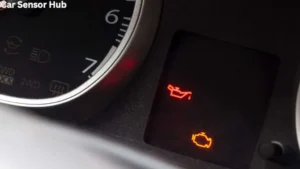
If your Duramax diesel engine is showing weird oil pressure readings, or you see the dreaded “Check Engine” light, you might have a problem with the oil pressure sensor. Many owners struggle to find the sensor’s exact location or fix it without making things worse. This guide will clear up the confusion and help you get your Duramax back to smooth running.
Oil pressure sensors are not just another small part. They protect your engine from catastrophic damage by sending accurate pressure data to the computer. If the sensor fails, you could miss early warnings of low oil pressure, which can destroy your engine.
Let’s break down where to find the sensor, how to replace it, and how to avoid common mistakes that cost time and money.
Why Oil Pressure Matters In A Duramax
Your Duramax engine depends on a steady flow of clean oil at the right pressure. The oil lubricates moving parts, keeps temperatures stable, and washes away tiny particles that could cause wear. If the oil pressure drops or spikes, it can lead to severe engine damage.
The oil pressure sensor (sometimes called a sending unit or switch) monitors this pressure and sends a signal to your dashboard gauge and the vehicle’s computer. If the sensor goes bad, you could see false warnings, or worse, miss a real problem.
That’s why knowing how to locate and fix this sensor is critical for any Duramax owner or DIY mechanic.
Duramax Oil Pressure Sensor: Function And Symptoms Of Failure
The oil pressure sensor is a small device, but its job is crucial. It reads the oil pressure inside the engine and sends that information as an electrical signal. The engine control module (ECM) uses this signal to adjust operation and trigger warnings if pressure is too low or high.
Symptoms Of A Failing Sensor
A failing oil pressure sensor can cause several issues:
- Erratic oil pressure readings: The gauge may swing wildly or show zero/all the way high.
- Check Engine Light: The ECM will set a trouble code if the sensor reading is out of range.
- Oil warning light: This can be a false alarm, but must be checked immediately.
- Engine performance changes: In rare cases, the ECM may limit engine power to prevent damage.
Non-obvious insight: Sometimes, a bad sensor causes a “no start” condition. The ECM may not allow the engine to start if it reads zero oil pressure, even though pressure is fine.
Where Is The Oil Pressure Sensor On A Duramax?
Finding the oil pressure sensor can be tricky, especially if you have not worked on a Duramax before. The exact location depends on the engine year and model, but there are patterns across Duramax generations.
Duramax Generations And Sensor Locations
Here’s a quick overview of the main Duramax generations and where to find their oil pressure sensors:
| Engine | Years | Sensor Location |
|---|---|---|
| LB7 | 2001-2004 | Rear of engine, above bellhousing, below turbo |
| LLY/LBZ/LMM | 2004.5-2010 | Rear top of engine block, near firewall, under EGR |
| LML | 2011-2016 | Rear top of engine, behind turbo, near fuel filter housing |
| L5P | 2017-present | Rear of engine, top center, under wiring harness |
In all cases, the sensor is at the rear of the engine, near the firewall. You will usually find it on top of the block, threaded into an oil passage. It’s hidden by wiring, fuel lines, or other components, especially on newer models.
Non-obvious insight: The sensor is much easier to reach from above if you remove the engine cover, but on some models, accessing it from below with long extensions is faster.
Tools And Parts You’ll Need
Before starting the fix, gather your tools and new parts. Using the correct tools makes the job much easier, especially in the tight spaces around the sensor.
Basic tools:
- Ratchet and socket set (preferably 3/8″ drive)
- Long extensions (12–24 inches)
- Universal joint adapter (for hard angles)
- Oil pressure sensor socket (special deep socket, fits the sensor)
- Torque wrench (for correct tightness)
- Flashlight or work light
Parts:
- New oil pressure sensor (make sure it matches your engine year)
- Thread sealant (sensor-safe)
- Shop towels or rags
Optional:
- Replacement pigtail (if the wiring connector is damaged)
- Dielectric grease (protects electrical connectors)
How To Access And Replace The Duramax Oil Pressure Sensor
Let’s walk through the steps to locate and change the sensor. The following instructions cover most Duramax engines, but always check your service manual for exact details.
Step 1: Safety First
- Turn off the engine and let it cool down completely. Hot engine parts and oil can cause burns.
- Disconnect the negative battery terminal to avoid accidental shorts or airbag deployment.
Step 2: Find The Sensor
The sensor sits at the rear of the engine block, just below the firewall. On most Duramax models:
- Remove the plastic engine cover by unscrewing the bolts or popping it off.
- Use a flashlight to look between the firewall and the back of the engine. The sensor is a small, cylindrical piece with a wiring connector on top.
Non-obvious tip: On some models, you can see the sensor best from the driver’s side, looking past the turbo and fuel filter housing.
Step 3: Unplug The Sensor
- Squeeze the plastic tab on the connector and gently pull it straight off. Do not yank the wires.
- Inspect the connector for oil, dirt, or corrosion.
If the connector is oily, that means the sensor is leaking. Clean the area with a rag before moving on.
Step 4: Remove The Old Sensor
- Use your oil pressure sensor socket and a long extension. Attach the socket to the sensor and carefully loosen it counterclockwise.
- Once loose, unscrew it by hand. Some oil may drip out; use a rag to catch it.
On some trucks, you may need to move wiring harnesses or hoses slightly for better access. Avoid disconnecting fuel lines unless absolutely necessary.
Step 5: Install The New Sensor
- Apply a small amount of sensor-safe thread sealant to the new sensor’s threads. Avoid getting any sealant on the sensor tip.
- Thread the new sensor in by hand to avoid cross-threading.
- Tighten with the socket and torque wrench. Typical spec is 22 ft-lbs (check your manual to confirm).
Non-obvious tip: Overtightening can crack the engine block or sensor. Always use a torque wrench.
Step 6: Reconnect And Test
- Plug the wiring connector back onto the new sensor. You should hear or feel a click.
- Reconnect the negative battery terminal.
- Start the engine and check for leaks around the sensor.
- Watch the oil pressure gauge for normal readings. If the “Check Engine” light is still on, clear the code with a scanner or disconnect the battery for 10 minutes.
Duramax Oil Pressure Sensor: Common Problems And Solutions
Even after replacing the sensor, some issues can persist. Here are the most common problems and how to fix them.
1. Persistent Check Engine Light
If the warning stays on after sensor replacement:
- Scan for trouble codes using an OBD-II scanner.
- Check the wiring harness for damage or bent pins.
- Clean the connector with electrical contact cleaner.
2. Oil Leaks At The Sensor
Some sensors can leak oil through the body or at the threads.
- Always use a new thread sealant.
- If leaks continue, inspect the block for cracks or stripped threads.
3. Erratic Gauge Readings
If your gauge still jumps or reads zero:
- Test the new sensor with a multimeter (check service manual for correct resistance values).
- Check for loose or damaged wiring between sensor and ECM.
- As a last resort, try a different brand sensor. Cheap aftermarket parts often fail early.
4. Broken Or Damaged Connector
It’s common for the plastic connector to crack or the wires to break.
- Replace with a new pigtail, soldering or using weatherproof crimp connectors.
5. Low Oil Pressure Warning With Good Oil Level
If you see the warning but the oil level and condition are good:
- Test with a mechanical oil pressure gauge to rule out a real engine problem.
- If pressure is fine, sensor or wiring is at fault.

Credit: www.reddit.com
Comparison: Genuine Vs Aftermarket Oil Pressure Sensors
With so many replacement options, it’s tempting to choose the cheapest sensor. But not all sensors are equal.
| Brand Type | Cost | Reliability | Warranty |
|---|---|---|---|
| OEM (ACDelco/GM) | Higher ($40-$70) | Very reliable | 1-2 years |
| Aftermarket (Dorman, Standard) | Lower ($15-$35) | Variable | 3-12 months |
| Cheap/No Name | Very low ($8-$20) | Poor, often fail | None |
Non-obvious insight: Some aftermarket sensors can be slightly taller or shorter than OEM, causing connector fit problems or hitting other parts. Always compare before installing.
How To Avoid Common Mistakes
Many DIYers make the same errors when replacing the oil pressure sensor. Here’s how to avoid them:
- Not disconnecting the battery: This can cause shorts, error codes, or airbag issues.
- Cross-threading the sensor: Always start threading by hand, never with a wrench.
- Forgetting thread sealant: This leads to leaks.
- Overtightening: Use a torque wrench, not guesswork.
- Ignoring wiring damage: Bent pins, cut wires, or corrosion can cause the same symptoms as a bad sensor.
- Using cheap sensors: They often fail early or give bad readings.
- Not cleaning oil leaks: Oil on the connector causes sensor errors and may damage the wiring over time.
Testing The Duramax Oil Pressure Sensor
If you want to confirm the sensor is bad before replacing it, you can test it with simple tools.
How To Test
- Locate the sensor and unplug the connector.
- Check for oil leaks at the sensor body or connector.
- Test the resistance of the sensor with a multimeter (see service manual for correct values).
- If possible, install a mechanical oil pressure gauge in place of the sensor and compare readings to the dash gauge.
If the mechanical gauge shows normal oil pressure but the dash reads zero or erratic, the sensor or wiring is faulty.
Duramax Oil Pressure Sensor Replacement Cost
The total cost depends on whether you do it yourself or use a shop.
DIY Replacement
- Sensor: $15–$70 (depending on brand)
- Thread sealant: $5–$10
- Sensor socket (if needed): $10–$20
Total: $30–$100
Shop Replacement
- Labor (1–2 hours): $100–$250
- Parts: $40–$80
Total: $150–$330
You can save over $150 by doing the job yourself, but only if you’re confident and careful.
Need a Replacement?
Premium Duramax Oil Pressure Sensor
Ensure accurate readings and protect your engine from low pressure damage. OEM quality fitment.
Oil Pressure Sensor Vs. Oil Pressure Switch
Some older engines use an oil pressure switch rather than a sensor. Here’s how they differ:
- Sensor: Sends a variable electrical signal that matches oil pressure. Used on all modern Duramax engines.
- Switch: Only turns on or off at a set pressure. Not common on Duramax.
Make sure to buy the correct part for your engine.
What To Do If Your Oil Pressure Reads Zero
If your oil pressure gauge suddenly drops to zero:
- Shut off the engine immediately. Running with no oil pressure will destroy the engine within minutes.
- Check the oil level first.
- Inspect for leaks under the truck and around the filter.
- If oil level is fine, and there’s no obvious leak, the sensor or wiring may have failed.
- Use a mechanical gauge to confirm real pressure before restarting.
How Long Does A Duramax Oil Pressure Sensor Last?
Most sensors last 100,000–200,000 miles. Some fail sooner if exposed to heat, vibration, or oil leaks. Using quality oil and changing it regularly can help sensors last longer.
Non-obvious tip: If you work on the turbo, EGR, or fuel filter housing, always double-check the sensor wiring afterward. It’s easy to bump or pinch the connector when working in the tight rear-engine area.
Is It Safe To Drive With A Bad Oil Pressure Sensor?
If you know the sensor is faulty but oil level and real pressure are good, it’s technically safe for a short time. However, you will have no warning if real oil pressure drops. Never ignore a warning light or code until you confirm the problem.
Credit: www.dieselplace.com
Upgrading Or Relocating The Duramax Oil Pressure Sensor
Some high-performance Duramax owners relocate the sensor for easier access or upgrade to a heavy-duty sensor. This is usually not needed for daily drivers, but can be helpful if you add a custom gauge or do frequent repairs.
Relocation kits use a hose and fitting to move the sensor to a more accessible spot. Make sure all fittings are tight and rated for oil pressure. Poorly installed kits can leak and cause engine failure.
Oil Pressure Sensor Problems: Related Duramax Trouble Codes
Common OBD-II codes related to the oil pressure sensor:
- P0521: Oil Pressure Sensor/Switch Range/Performance
- P0522: Oil Pressure Sensor/Switch Low Voltage
- P0523: Oil Pressure Sensor/Switch High Voltage
If you see these codes, check the sensor and wiring first before assuming the engine has a real oil pressure problem.
Duramax Oil Pressure Sensor: Real-world Example
A 2012 Silverado 2500HD with the LML Duramax started showing “Oil Pressure Low—Shut Off Engine” on the dash, but the oil was clean and full. The owner replaced the sensor with a cheap aftermarket unit. The warning came back two weeks later.
After switching to an OEM ACDelco sensor, the problem was solved. This highlights the importance of quality parts.
Duramax Oil Pressure Sensor: Maintenance Tips
To keep your sensor working:
- Check wiring and connectors every oil change.
- Don’t ignore small oil leaks at the back of the engine.
- Use only high-quality oil and change it at recommended intervals.
- Avoid power washing the rear engine area, which can force water into connectors.
When To Seek Professional Help
If you’re not comfortable working in tight engine spaces, or if you see both oil pressure warnings and engine ticking/knocking, have a professional mechanic check the engine. Real oil pressure loss is an emergency and should not be ignored.
More Resources
For in-depth wiring diagrams and part numbers, see the official GM service manuals or trusted online forums. For more on engine sensor troubleshooting, the Wikipedia Diesel Engine page offers useful background.

Credit: www.youtube.com
Frequently Asked Questions
What Does The Oil Pressure Sensor Do On A Duramax?
The oil pressure sensor monitors the oil pressure inside your Duramax engine. It sends data to the dashboard and engine control module. If pressure drops, it triggers a warning to protect the engine.
How Can I Tell If My Oil Pressure Sensor Is Bad?
Common signs include erratic oil pressure readings, the “Check Engine” light, or oil leaks from the sensor. Sometimes, the engine will not start or will run poorly.
Can I Drive My Duramax With A Bad Oil Pressure Sensor?
It’s risky. If you drive with a faulty sensor, you lose early warning of real oil pressure problems. Only drive short distances if you’re sure the engine has enough oil and real pressure.
How Much Does It Cost To Replace The Oil Pressure Sensor?
DIY cost is usually $30–$100. A shop will charge $150–$330 depending on labor rates and sensor price.
Where Exactly Is The Oil Pressure Sensor Located On My 2015 Duramax?
On a 2015 LML Duramax, the sensor is at the rear top of the engine, behind the turbo, near the fuel filter housing. You can see it from above with the engine cover removed, but it’s a tight fit.
Taking care of your Duramax oil pressure sensor means you’ll know right away if there’s ever a real oil pressure problem. With the right tools and guidance, you can fix sensor problems yourself and keep your engine running strong for years to come.
Disclosure: As an Amazon Associate, I may earn from qualifying purchases at no extra cost to you. Amazon and the Amazon logo are trademarks of Amazon.com, Inc, or its affiliates.
- Amazon, Amazon Prime, the Amazon logo and Amazon Prime logo are trademarks of Amazon. com, Inc. or its affiliates.

I am Sadman, the founder of CarSensorHub.com, where I share my passion for cars and technology. I specialize in writing detailed reviews and helpful guides on car gadgets, accessories, safety tools and many more. My mission is to help car owners discover the best products and tips to improve their driving experience and stay safe on the road.