Absolutely! Here is an expanded, in-depth article on P0524 Code Oil Pressure Too Low Fix, with more detail, practical guidance, and clear explanations across all relevant sections.
Many car owners worry when the check engine light comes on. One code that can appear is P0524. This code means “Oil Pressure Too Low. ” Oil pressure is very important for your engine’s health. If you ignore this warning, you risk serious engine damage.
But what does this code really mean? And how can you fix it? In this guide, you’ll learn why the P0524 code appears, what you should check, how to fix it, and how to prevent it from coming back. Let’s look at what you need to know.
What Does The P0524 Code Mean?
When your car’s computer shows the P0524 code, it is telling you that the oil pressure in the engine is lower than what is safe for normal operation. Oil pressure keeps the moving parts inside your engine lubricated. If the pressure drops too low, metal parts can rub together.
This leads to overheating, wear, and even complete engine failure. The P0524 code is your car’s way of warning you before something serious happens.
How Does The Oil Pressure System Work?
Your engine has a pump that pushes oil through small passages. This oil creates a thin layer between moving parts, such as bearings and camshafts, so they do not touch directly. An oil pressure sensor monitors this system. If the sensor detects that the pressure is lower than it should be, it sends a signal to the car’s computer.
The computer then stores the P0524 code.
Common Symptoms
You may notice one or more of these symptoms when the P0524 code appears:
- The check engine light comes on
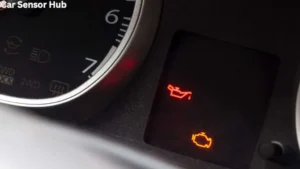
- Oil pressure warning light is on
- Ticking or knocking sounds from the engine
- Engine runs roughly or hesitates
- In severe cases, the engine may stall
If you hear knocking noises, stop driving immediately. Continuing to drive can cause permanent damage.
What Causes The P0524 Code?
There are several possible reasons for low oil pressure. Some causes are simple and easy to fix, while others are serious and need expert help. Here are the most common reasons:
1. Low Oil Level
If your engine does not have enough oil, the pressure drops. This can happen if you forget to check the oil or if your car uses or leaks oil faster than normal.
Example
Suppose you just had your oil changed, but the technician did not add enough oil. Or, you have not checked your oil for a long time, and it is now below the minimum mark.
2. Wrong Oil Type
Engines require a specific type and thickness of oil. If you use oil that is too thin (low viscosity), the pump cannot build enough pressure.
Example
Your car needs 5W-30 oil, but you used 0W-20 because it was on sale. The thinner oil flows too quickly, and pressure drops.
3. Dirty Or Old Oil
Oil breaks down over time. Dirt and sludge can build up and block small passages, making it hard for oil to flow and for pressure to stay steady.
Example
You have not changed your oil in 10,000 miles, so it is thick and dirty. The oil filter may also be clogged.
4. Faulty Oil Pressure Sensor
Sometimes, the sensor itself fails. It sends false signals to the computer, even if the oil pressure is fine.
Example
The engine sounds normal and runs smoothly, but you still get a P0524 code. A bad sensor is a likely cause.
5. Worn Engine Parts
Bearings and seals wear out over time. If they are too loose, oil escapes, and pressure drops.
Example
An older car with over 150,000 miles starts showing the code. The engine has more wear, and oil pressure can no longer be maintained.
6. Oil Pump Failure
The oil pump is the heart of the lubrication system. If it wears out or breaks, oil pressure will fall quickly.
Example
After hearing a whining sound from the engine, the pressure warning appears. The oil pump may be failing.
7. Blocked Oil Passages
Sludge, old gasket material, or debris can block the tiny channels where oil flows. This reduces pressure in parts of the engine.
Example
If the engine was rebuilt but not cleaned well, leftover material can cause blockages.
Two Insights Many Miss
- Sometimes, frequent short trips (where the engine does not fully warm up) can cause sludge to build up faster, leading to low pressure.
- Adding oil to the engine does not always fix the problem. If there is a leak, the pressure will drop again until the leak is repaired.
How To Diagnose The P0524 Code
Finding the real cause is important before making repairs. Here’s how you or your mechanic can check what is wrong.
Step 1: Check The Oil Level
- Park your car on a level surface.
- Wait a few minutes after shutting off the engine.
- Pull the dipstick, wipe it clean, re-insert, and pull again.
- The oil should be between the “MIN” and “MAX” marks.
If oil is low, add the correct type. If it is at the right level, continue diagnosing.
Step 2: Inspect For Oil Leaks
Look for oil spots under your car. Check the oil pan, filter, and around the valve cover. If you see fresh oil, you may have a leak that needs repair.
Step 3: Check Oil Condition
Rub a bit of oil between your fingers. If it feels gritty or smells burnt, change the oil and filter.
Step 4: Listen For Engine Noises
Turn on the engine and listen. Clicking, ticking, or knocking sounds often mean oil is not reaching important parts.
Step 5: Scan For Error Codes
Use an OBD-II scanner to check for other codes. Some cars may show multiple codes that help narrow down the cause.
Step 6: Test The Oil Pressure
A mechanic can attach a manual oil pressure gauge. This test tells you if the problem is real or if the sensor is faulty.
Example
If the manual gauge shows normal pressure, but the code remains, the sensor may be bad.
Step 7: Inspect The Oil Pressure Sensor And Wiring
Look for broken or loose wires going to the sensor. Sometimes, a simple wiring fix solves the issue.
Step 8: Check The Oil Filter
A clogged or wrong filter can cause pressure drops. Make sure the filter is the correct size and type for your engine.
Step 9: Inspect The Oil Pump
If all else checks out, the oil pump may need inspection. This is a bigger job and may require removing the oil pan.
Common Mistakes In Diagnosis
- Relying only on the dashboard light and not checking the oil manually.
- Replacing the sensor first, without checking if the pressure is actually low.
- Ignoring old or dirty oil, thinking oil age does not matter.
How To Fix The P0524 Code
The right repair depends on the cause. Here are steps to solve the most common problems.
1. Add Or Change Oil
If the oil is low, add the correct amount and type. If it is old or dirty, drain and replace it, along with the filter.
Practical Tip
Use the oil type listed in your owner’s manual. This is critical for correct pressure.
2. Fix Oil Leaks
Replace leaking gaskets, seals, or the oil pan. Clean the engine and monitor for new leaks.
3. Replace The Oil Pressure Sensor
If the sensor is bad, buy a new one that matches your car’s make and model. Replace it and clear the code.
Example
A common sensor location is near the oil filter or on the engine block.
4. Replace The Oil Filter
Install a new filter with the right specifications. Never use a filter from a different engine.
5. Repair Wiring
Fix broken, frayed, or corroded wires that connect to the oil pressure sensor.
6. Clean Or Unblock Oil Passages
A mechanic may need to flush the engine to remove sludge. In some cases, engine disassembly is required.
7. Replace The Oil Pump
If the oil pump is worn or broken, it must be replaced. This is a major job and often requires professional help.
8. Repair Worn Engine Parts
If the engine has worn bearings or seals, rebuilding may be necessary. This is usually for older or high-mileage engines.
Two Insights For Fixing
- After any repair, always clear the code with a scanner and check if it returns.
- If the code comes back immediately, there may be more than one problem. Continue checking until oil pressure is stable.

Credit: www.youtube.com
How To Prevent The P0524 Code
Prevention is always better than repair. Here’s what you can do:
- Change your oil and filter at the intervals listed in your owner’s manual.
- Use the correct oil type and viscosity.
- Check your oil level regularly, especially before long trips.
- Fix leaks as soon as you notice them.
- Avoid short trips only; let your engine warm up fully sometimes.
- Listen for unusual engine noises and do not ignore warning lights.
- Ask your mechanic to check oil pressure during routine service, especially if your car is older.
Two Extra Tips
- If you live in a hot or cold climate, ask your mechanic if you need a special oil type for extreme temperatures.
- For cars with high mileage, consider using high-mileage oil, which contains extra additives to help with seal wear.
When To Get Professional Help
Some oil pressure problems are simple, but others can destroy your engine if left untreated. Get professional help if:
- You hear knocking or loud ticking from the engine.
- The code returns after you fix leaks and change oil.
- You are not comfortable using tools or working under your car.
- You see oil pressure dropping on your dashboard gauge while driving.
A skilled mechanic can check oil pressure with special tools and spot issues you might miss.

Credit: www.youtube.com
How Much Does It Cost To Fix P0524?
Costs vary by the cause:
- Oil and filter change: $40–$100
- Oil pressure sensor: $50–$250 (parts and labor)
- Oil pump replacement: $300–$1,000+
- Major engine repairs: $1,500–$5,000+
It’s usually cheaper to fix small problems early than to wait for engine damage.
Example: Real-world Fix
Let’s look at a common scenario. A driver notices the oil light and check engine light. He checks the oil it’s low and dark. He adds oil, but the light stays on. Next, he changes the oil and filter, but the light is still there.
He scans for codes and sees P0524. After replacing the oil pressure sensor, the code clears, and the engine runs smoothly. In this case, old oil and a faulty sensor were both problems.
Additional Questions Drivers Ask About P0524 Code Oil Pressure Too Low Fix
Is It Safe To Drive With The P0524 Code?
No. Driving with low oil pressure can destroy your engine in minutes. If you must move the car, drive only to a safe spot or a repair shop.
Can A Bad Oil Filter Cause The Code?
Yes. A clogged or incorrect filter can block oil flow, lowering pressure.
Does Weather Affect Oil Pressure?
Extreme cold makes oil thicker, which can lower pressure until the engine warms up. Extreme heat can thin oil, reducing pressure. Always use the right oil for your climate.
Will The Code Go Away On Its Own?
No. The code stays until the problem is fixed and the computer is reset.
How Do I Clear The Code?
After repairs, use an OBD-II scanner to reset the check engine light. Some cars may clear the code after several normal driving cycles, but do not rely on this.
Resources For More Information
If you want to learn more about oil pressure and common car codes, the [National Institute for Automotive Service Excellence (ASE)](https://www.ase.com/) has guides for car owners and professionals.
Low oil pressure is not a problem to ignore. The P0524 code is a warning to act now, not later. By understanding what causes this code, how to find the real problem, and how to fix it, you can protect your engine and avoid costly repairs.
Regular checks and using the right oil are your best defenses. If you are ever in doubt, ask a trusted mechanic to help. Your engine and your wallet will thank you.
Disclosure: As an Amazon Associate, I may earn from qualifying purchases at no extra cost to you. Amazon and the Amazon logo are trademarks of Amazon.com, Inc, or its affiliates.
- Amazon, Amazon Prime, the Amazon logo and Amazon Prime logo are trademarks of Amazon. com, Inc. or its affiliates.

I am Sadman, the founder of CarSensorHub.com, where I share my passion for cars and technology. I specialize in writing detailed reviews and helpful guides on car gadgets, accessories, safety tools and many more. My mission is to help car owners discover the best products and tips to improve their driving experience and stay safe on the road.