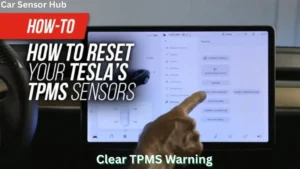
The Tesla Model Y is known for its advanced technology and smart climate control. One of its key components is the temperature sensor system, which helps keep the cabin comfortable and the battery performing well. But where exactly are these sensors located? And why should owners care about them? This article takes a deep dive into the Tesla Model Y temperature sensor locations and explains everything you need to know.
Whether you’re a proud owner, a DIY enthusiast, or just curious about Tesla’s technology, understanding these sensors can help you troubleshoot issues, maintain comfort, and optimize your car’s features. Let’s explore every detail, from sensor types and locations to maintenance and real-world examples.
Why Temperature Sensors Matter In The Tesla Model Y
The temperature sensors in your Model Y are not just about keeping things cool or warm. They do much more:
- Climate Control: Sensors help the HVAC system adjust air flow and temperature.
- Battery Health: They monitor the battery pack to prevent overheating or freezing.
- Performance: Sensors allow the car to optimize acceleration and range.
- Safety: If something overheats, the car can reduce power or alert you.
Most drivers don’t think about these sensors until there is a problem. But knowing where they are can help you spot issues early and avoid costly repairs.
Types Of Temperature Sensors In The Tesla Model Y
Before we discuss specific locations, it’s important to understand the different types of sensors used in the car. Each has a unique job:
- Cabin Temperature Sensors: Measure air temperature inside the car.
- Ambient Temperature Sensors: Measure outside air temperature.
- Battery Temperature Sensors: Monitor the battery pack.
- Motor and Power Electronics Sensors: Keep track of the electric drive system.
- HVAC Sensors: Control heating, ventilation, and air conditioning.
- Seat Temperature Sensors: Used for heated seats and safety.
- Other Sensors: Found in rare places like the heat pump or underbody.
These sensors work together using the car’s computer to create a seamless driving experience.

Credit: service.tesla.com
Cabin Temperature Sensor Location
The most asked-about sensor is the cabin temperature sensor. This is the sensor that tells your Tesla how hot or cold it feels inside the car, and it’s crucial for comfort.
Main Cabin Sensor
In the Tesla Model Y, the primary cabin temperature sensor is usually located:
- Behind the small grille near the lower part of the dashboard, close to the center console.
- In some versions, you may find it behind the panel below the touchscreen.
This spot allows the sensor to sample cabin air efficiently. You might notice a small vent or grill; that’s where air flows across the sensor.
How It Works
This sensor sends real-time data to the car’s climate control. If you set the temperature to 22°C, the system checks this sensor and adjusts airflow, heating, or cooling to reach your chosen level.
Non-obvious Insight
Many owners don’t realize that blocking this vent—for example, with bags, cables, or phone holders—can cause the sensor to read incorrectly. That can make the HVAC blow hot or cold air at the wrong time. Always keep this area clear for best results.
Ambient (outside) Temperature Sensor Location
The ambient temperature sensor is just as important but works outside the car.
Where To Find It
In the Model Y, the ambient sensor is located:
- Behind the front bumper, often near the lower grille or under a plastic shroud.
- In some builds, it sits near the driver’s side wheel well liner.
This protected but exposed position allows it to measure the temperature of the outside air as the car drives.
Why Outside Temperature Matters
The ambient sensor affects:
- Cabin climate: The car uses outside temperature to blend fresh and recirculated air.
- Battery pre-conditioning: In cold weather, the car knows when to warm up the battery before charging.
- Range estimates: Extreme temperatures affect battery performance, and the sensor helps the car adjust its predictions.
Practical Tip
If your car reports odd outside temperatures (like –40°C or 50°C on a mild day), the ambient sensor may be damaged or disconnected, often from curb impacts or debris.
Read More: Car Temperature Monitoring Sensor
Battery Temperature Sensor Locations
The battery pack is the heart of your Model Y, and temperature control is critical for safety and performance.
Placement Inside The Battery Pack
Tesla uses several battery temperature sensors:
- Placed at multiple points inside the battery pack (often 2–4 sensors).
- Usually attached directly to the battery modules or embedded in the pack structure.
These sensors measure the core temperature of the battery, not just the surface.
How Tesla Uses This Data
- Pre-conditioning: Warms or cools the battery before charging.
- Thermal management: Activates cooling fans, pumps, or heaters.
- Safety: Limits power if the battery gets too hot.
Data Table: Battery Sensor Functions
Here’s a summary of what each battery sensor does:
| Sensor Location | Main Purpose | Problem Detected | Action Taken |
|---|---|---|---|
| Battery Module | Monitor cell temperature | Overheating | Reduce charging speed |
| Pack Structure | Detect cold spots | Low temperature | Activate heaters |
| Battery Inlet/Outlet | Check coolant effect | Poor cooling | Warn driver |
Common Owner Mistake
Some drivers try to warm the battery by turning on the climate control before driving. However, the battery sensors only trigger pre-conditioning when you use the “Scheduled Departure” or “Precondition Battery” features in the Tesla app. Warming the cabin alone doesn’t heat the battery enough.
Motor And Power Electronics Temperature Sensors
The electric motors and their control systems are packed with sensors for both safety and efficiency.
Where Are They Located?
- Each drive unit (front and rear motors) contains embedded temperature sensors.
- Power electronics (inverters, chargers) also have their own sensors, usually attached directly to the circuit boards or cases.
How They Work
These sensors:
- Protect motors from overheating under hard driving or towing.
- Adjust power output for maximum efficiency.
- Warn the driver if something is wrong.
Data Table: Motor Vs. Power Electronics Sensors
Compare the two main sensor groups:
| Component | Sensor Location | Purpose |
|---|---|---|
| Motor | Internal winding | Prevent overheating |
| Power Electronics | Circuit board/case | Thermal management |
Non-obvious Insight
If you notice reduced acceleration or see warnings about “limited power,” this often means a motor or inverter sensor detected high temperatures, not a problem with the battery.
Hvac And Climate Control Sensor Locations
Tesla’s HVAC (Heating, Ventilation, Air Conditioning) system is more advanced than most cars, using several sensors.
Typical Sensor Locations
- Evaporator Sensor: Inside the dash, monitors the cooling coils.
- Heater Core Sensor: Tracks heating elements, also inside the dash.
- Sunload Sensor: On top of the dashboard, detects sunlight intensity.
- Humidity Sensor: Often near the rearview mirror or integrated into the HVAC control module.
What They Do
- The evaporator and heater sensors ensure your air is never too cold or too hot.
- The sunload sensor adjusts airflow if bright sunlight warms one side of the car.
- The humidity sensor prevents fogging and adjusts defroster power.
Real-world Example
Some owners wonder why the AC keeps blowing even after the cabin feels cool. This is often because the humidity sensor detects moisture, and the car is preventing window fogging.
Seat Temperature Sensors
The heated seats in the Model Y use special sensors for comfort and safety.
Where Are They?
- Embedded inside the seat cushions and backrests.
- Usually wired directly to the seat heater elements.
Why They Matter
- Prevent overheating, which could burn passengers or damage upholstery.
- Allow the car to adjust heat levels automatically, even if you set it to “high.”
Owner Tip
If your seat heater feels uneven, the sensor or heater mat may be faulty. This can be checked at a Tesla service center.
Other Temperature Sensors In The Model Y
Some sensors are less obvious but still important:
- Heat Pump System: The Model Y uses a heat pump for efficient heating and cooling. Sensors inside the pump and refrigerant lines monitor system temperature.
- Underbody Sensors: Some variants have sensors under the car to check for extreme cold, especially in snowy climates.
- Charging Port Sensor: Monitors the temperature during fast charging to avoid overheating the port or cables.
These sensors are less likely to need owner attention but play a role in overall safety.
How To Identify A Faulty Temperature Sensor
Sometimes, problems with temperature sensors cause comfort or performance issues. Here’s how you can spot trouble:
- Incorrect readings: The cabin feels cold, but the display shows a high temperature.
- HVAC not working: Blower or AC runs constantly or not at all.
- Strange range estimates: Sudden drops in estimated range, especially in normal weather.
- Warning messages: Alerts like “Reduced Power” or “Cabin Climate Control Disabled.”
If you notice these symptoms, a sensor may be dirty, blocked, disconnected, or faulty.
Diy Diagnosis
- Check for blockages: Make sure air vents near sensors are clear.
- Listen for noise: Unusual HVAC noises can mean a sensor or fan issue.
- Scan for errors: Use the Tesla app or service mode to see error codes (for advanced users).
For serious problems, always visit a Tesla service center.
How Temperature Sensors Affect Range And Efficiency
The Model Y’s temperature sensors are central to its famous range and efficiency. Here’s how:
- In cold weather, battery sensors trigger pre-conditioning, which uses extra energy but protects the battery.
- In hot weather, cabin and battery sensors increase cooling, sometimes reducing range.
- HVAC sensors help the car use energy smartly, only heating or cooling what’s needed.
Data Table: Sensor Impact On Range
| Situation | Sensor(s) Involved | Effect on Range |
|---|---|---|
| Cold start (–10°C) | Battery, Ambient, Cabin | –10% to –30% decrease |
| Hot day (35°C) | Cabin, HVAC, Sunload | –5% to –15% decrease |
| Mild weather (20°C) | All sensors | Minimal impact |
Practical Example
If you drive in very cold weather without pre-conditioning, battery sensors will reduce power and range to protect the pack. Pre-conditioning (using the Tesla app) warms the battery and restores range, thanks to these sensors.
Maintenance Tips For Model Y Temperature Sensors
Most sensors are designed to last the life of the car, but some basic care helps:
- Keep cabin vents clear: Don’t block the dashboard vent with objects.
- Check the bumper area: Avoid curbs and debris that could damage the ambient sensor.
- Use scheduled pre-conditioning: This ensures battery sensors do their job.
- Service after impacts: If you’ve hit a curb or had a front-end bump, have sensors checked.
- Don’t ignore warnings: Sensor errors can affect safety and comfort.
Non-obvious Insight
Many owners don’t realize that software updates can sometimes recalibrate or improve sensor accuracy. Always keep your Tesla software up to date.
This Guide May Help You More: Tesla Model Y Speed Sensor Error Reset

Credit: www.reddit.com
What Happens If A Temperature Sensor Fails?
A single faulty sensor can have surprising effects:
- Cabin sensor failure: The HVAC may blow only hot or cold air, unable to adjust.
- Ambient sensor failure: The car may misjudge outside temperature, affecting range and climate.
- Battery sensor failure: The car may disable fast charging or reduce power to protect the battery.
- Motor sensor failure: Sudden reduction in acceleration or system shutdown.
Tesla’s software is designed to “fail safe,” meaning it will restrict performance or display warnings rather than risk damage.
Real-world Owner Stories
Many Tesla Model Y owners have shared their experiences with temperature sensor issues:
- Incorrect outside temperature: After a bumper repair, one owner noticed the outside temperature always read –40°C. The ambient sensor plug was loose.
- Hot seats: A user found their seat heater was always on high. The seat sensor wire had come loose during a seat cover install.
- Cabin always cold: After blocking the dashboard vent with a phone holder, the HVAC kept blowing cold air.
These examples show how sensor placement and care can affect daily comfort and car operation.
How To Access Or Replace Sensors
If you’re a DIY enthusiast, some sensors are easier to reach than others:
- Cabin sensor: Remove the lower dashboard panel (with care) to access.
- Ambient sensor: Access by removing the under-bumper splash shield.
- Seat sensor: Inside the seat, usually requires professional help.
- Battery/motor sensors: Only accessible by trained technicians; never try to open the high-voltage pack yourself.
Safety Warning
Never try to repair or replace battery or motor sensors on your own. High-voltage systems are dangerous.
Comparing Model Y To Other Tesla Models
The Model Y shares many sensor locations with the Model 3, but there are differences compared to the Model S or X:
- Model S/X: More sensors due to larger battery and dual-motor configurations.
- Model 3/Y: Simpler sensor layout, but advanced heat pump and HVAC sensors.
- All models: Use a mix of cabin, ambient, battery, and motor sensors.
Owners upgrading from another Tesla will find many similarities, but it’s always good to check the exact locations in your car’s manual or service guide.
How To Find Sensor Location In Your Specific Model Y
While this guide covers typical locations, Tesla sometimes changes sensor placement with new versions or updates. For the most accurate information:
- Check your owner’s manual: Some sensor locations are listed in the HVAC or maintenance sections.
- Look up your VIN: Tesla service staff can tell you exact sensor placement.
- Online forums: Sites like Tesla Motors Club often have photos and guides from owners.
- Ask at service: Technicians are used to these questions and can show you in-person.
A good resource for technical diagrams is the official Tesla Service Documentation website.
The Tesla Model Y’s temperature sensor system is a hidden hero that keeps you safe, comfortable, and efficient. Understanding the locations and roles of these sensors gives you an edge as an owner—helping you spot problems early, take better care of your car, and enjoy every drive no matter the weather.
FAQs On Tesla Model Y Temperature Sensor Location
Where Is The Cabin Temperature Sensor In The Tesla Model Y?
The cabin temperature sensor is located behind a small vent or grille in the lower center dashboard, near the center console. This placement allows it to sample air from the cabin efficiently. Avoid blocking this area with objects, as it can affect HVAC performance.
How Can I Tell If My Ambient Temperature Sensor Is Broken?
If the outside temperature reading is stuck or shows an obviously wrong value (like –40°C or 60°C in normal weather), the ambient sensor may be damaged or disconnected. Other signs include the HVAC system not working properly or sudden changes in driving range.
Can I Replace A Temperature Sensor Myself?
Some sensors, like the cabin or ambient temperature sensor, can be accessed by experienced DIY owners. However, replacing sensors inside the battery, motors, or seats is best left to professionals. Always disconnect the 12V battery and follow safety instructions before attempting any repair.
How Do Temperature Sensors Affect Battery Life?
Battery temperature sensors help protect your battery by managing heating and cooling. They ensure the battery stays within a safe temperature range during charging, driving, and pre-conditioning. This extends battery life and prevents unexpected power loss.
Are The Model Y’s Temperature Sensors The Same As In Model 3?
Most Model Y sensors are similar to those in the Model 3, especially for the cabin, ambient, and HVAC systems. However, the Model Y’s heat pump and larger interior space mean some sensors are placed differently or have different calibration.
Disclosure: As an Amazon Associate, I may earn from qualifying purchases at no extra cost to you. Amazon and the Amazon logo are trademarks of Amazon.com, Inc, or its affiliates.
- Amazon, Amazon Prime, the Amazon logo and Amazon Prime logo are trademarks of Amazon. com, Inc. or its affiliates.

I am Sadman, the founder of CarSensorHub.com, where I share my passion for cars and technology. I specialize in writing detailed reviews and helpful guides on car gadgets, accessories, safety tools and many more. My mission is to help car owners discover the best products and tips to improve their driving experience and stay safe on the road.