Parking sensors that go quiet or show the wrong distance usually have a dirty or damaged sensor, a blown fuse, a loose connector, or a calibration problem after bumper work. Start with the rear parking-assist fuse, then clean and inspect every sensor with warm water and a soft cloth. If multiple sensors fail or the problem began after body work, prioritize a diagnostic scan and recalibration at a shop.
Use your mirrors and backup camera if available while the system is unreliable. Do not treat beeps or distance readings as trustworthy until the fault is fixed.
Key Takeaways
- Check the fuse before buying sensors. A failed fuse can disable the entire parking-assist system.
- Clean every sensor thoroughly. Dirt, mud, paint overspray, and ice can cause missing or inaccurate readings.
- Consider recent bumper work. Sensor removal, bumper misalignment, or a loose connector may require recalibration.
- Use the right OBD scan. Codes such as Bxxxx or Uxxxx can point to a wiring, module, or sensor-identity problem.
- Know when to stop. Repeated faults, accident damage, and damaged wiring call for a technician.
Why Parking Sensors Stop Working
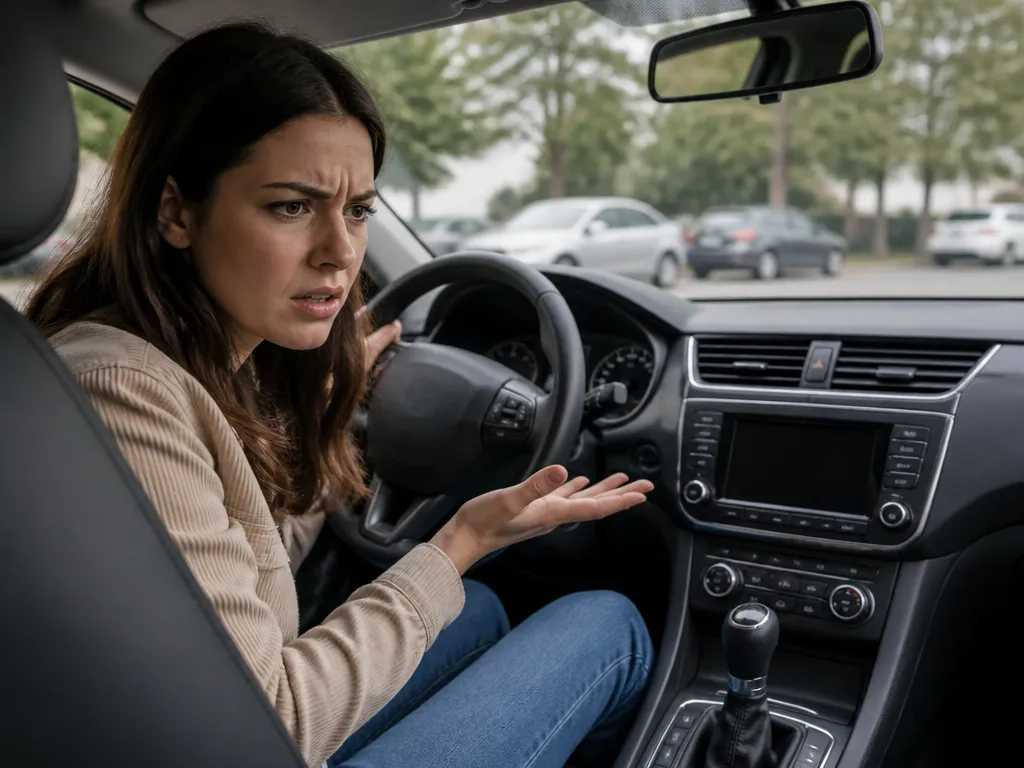
Parking sensors stop working when the system cannot get a valid reading from one sensor, several sensors, or the control module that interprets their signals. Common causes include mud and road grime on the sensor faces, ice, cracked or chipped sensors, a blown fuse, or a connector loosened during bumper work.
The symptom helps narrow the cause. If all sensors are dead, suspect the fuse, module, power supply, or ground. If one sensor reads incorrectly, focus on that sensor, its wiring, or an obstruction in front of it. If the problem began after a bumper repair, sensor replacement, or repainting, calibration, alignment, and paint overspray become likely causes.
You can usually narrow the problem with a few safe checks before paying for parts or a full diagnostic visit. Start with the checks that affect the whole system, then move toward individual sensors and wiring.
Fastest Diagnosis for Failed Parking Sensors
Treat the system as a chain: power reaches the system, the ground remains stable, sensor signals travel to the module, and the module sends beeps, distance bars, or a warning to the vehicle display.
Check these items in order:
- Fuse: A blown fuse can disable every sensor and is quick to inspect.
- Sensor faces: Mud, ice, road film, and paint overspray can block or distort readings.
- Sensor mounting: A small bumper impact can push a sensor out of alignment.
- Connectors and harnesses: Loose, corroded, wet, or pinched wiring can interrupt the signal.
- Diagnostic codes: A scan of the body and parking-assist modules can identify a sensor, circuit, or module fault.
Separate a system that is completely dead from one that is working inaccurately. A system that beeps at the wrong time may have a dirty or misaligned sensor, an aftermarket tow accessory, or a trailer wiring issue. A system that goes completely silent is more likely to have a power, wiring, or module problem.
Fixes for Parking Sensors That Do Not Work
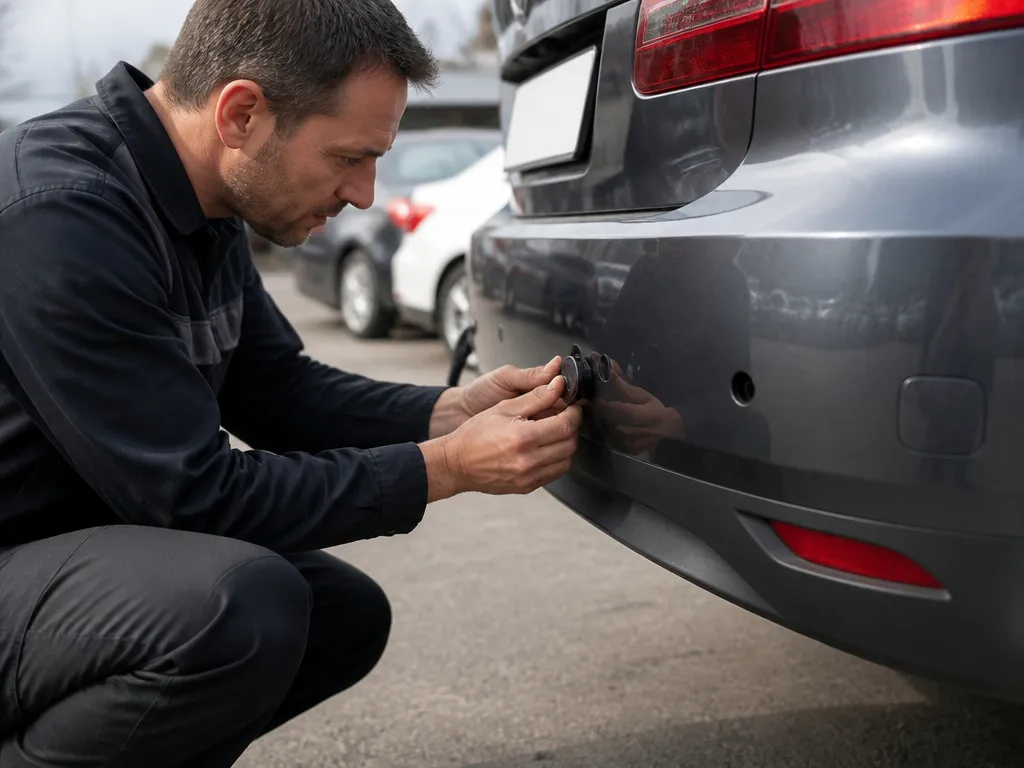
Work through these checks in priority order. Test the system after each one so you know which action changed the symptom.
- Verify the exact complaint. Note whether the system produces no beeps, intermittent beeps, constant beeping, wrong distances, or a dash warning such as “Park Assist Unavailable.” Record which side is affected if only some sensors fail.
- Clean and inspect the sensor faces. Wash the rear bumper with warm water and mild soap, then gently wipe each sensor with a soft cloth. Look for cracks, missing caps, or paint overspray covering the sensor window. Repainting is a common source of sensor trouble when overspray reaches the sensor face.
- Check the sensor mounting and bumper. A minor bumper push can dislodge a sensor, particularly after the bumper has been removed or replaced. Press around the bumper corners by hand and check for looseness. If the bumper shifts, it may have pulled a connector or changed the sensor angle.
- Check the rear parking-assist fuse. Use the owner’s manual or the fuse-box diagram to identify the correct fuse because names and locations vary by vehicle. If the fuse is blown, replace it with the specified type and investigate why it failed rather than repeatedly installing new fuses.
- Inspect the connectors and wiring. Look for unplugged connectors near the rear bumper, water intrusion, corrosion, and pinched or cut wires. Release connectors by pressing their tabs; do not pull on the wires.
- Scan the parking-assist system. A basic engine-only scanner may not read body or parking-control modules. Use a tool that can access parking assist, park distance control, or rear-sensor modules. Save the codes and any freeze-frame information before clearing them.
- Relearn or recalibrate the system after bumper work. Many vehicles require an alignment or calibration procedure after a sensor replacement, bumper removal, or bumper replacement. Without it, the system may beep incorrectly or continue to display a fault.
- Test after each change. After cleaning, perform a slow test in a controlled area. After replacing a fuse, test the system in reverse at low speed. After a repair, confirm that the warning does not return immediately.
💡 If your current system is beyond repair, installing this complete backup sensor kit provides a reliable, modern alternative for safer vehicle reversing. Car Parking Aid Sensor, 12V LED Display Auto Reverse Backup Sensor Kit, Vehicle Reversing Parking Radar System with 4 Sensors Alarm Buzzer Reminder & Distance Detection for Safe Driving (Black).
What Different Parking-Sensor Symptoms Mean
All sensors are silent: Check the rear parking-assist fuse first, followed by power, ground, connectors, and the control module. A system-wide failure is less likely to come from several sensors becoming dirty or defective at the same time.
One sensor reads too close or too far away: Clean that sensor and check whether it is cracked, pushed in, loose, or covered with paint. If the physical inspection is normal, the sensor wiring or the sensor itself may be failing.
The system beeps constantly: A blocked, misaligned, or failed sensor can report a permanent obstacle. Check for mud, ice, a trailer hitch, tow-bar equipment, or bumper damage. A constant tone can also occur when the system detects a fault and switches to a warning mode.
The system works intermittently: Water in a connector, corrosion, a loose pin, or a pinched harness can interrupt the signal as the vehicle moves. Note whether the fault changes with rain, washing, cold weather, or bumper movement.
The warning started after a repair: Suspect an unplugged connector, damaged harness, sensor installed at the wrong angle, paint overspray, or a missing calibration procedure. Return to the repair area before replacing unrelated parts.
The dash says “Park Assist Unavailable”: Clean and inspect the sensors, then check the fuse and scan the parking-assist module. If the message remains, the stored code should guide the next repair.
Choosing the Right Repair for Parking Sensor Failure
You have three practical repair paths. The right one depends on what the first 30 minutes of inspection reveal.
Do-It-Yourself Cleaning and Inspection
DIY work makes sense when the problem is clearly linked to contamination or an obvious physical issue. It is a reasonable first choice if:
- Cleaning restores normal operation, even temporarily.
- You find a cracked sensor or loose connector.
- The system fails after ice or a recent storm and improves when the bumper dries or is cleaned.
Safe DIY tasks include:
- Cleaning the sensors and removing ice or mud.
- Inspecting the sensor faces and bumper seating.
- Checking the fuse and replacing it with the specified fuse if it has blown.
- Reseating an accessible connector without pulling on its wires.
Do not cut or splice the harness unless you know the vehicle’s repair specification. Do not force a sensor into position when the bumper does not fit correctly, since that can worsen the alignment or damage the mounting bracket.
DIY Scan and Targeted Parts
A scan-and-repair approach makes sense when only some sensors fail and the codes identify a likely location. Use it when:
- The scan identifies a specific sensor position.
- Several sensors are flagged, but the module codes suggest a wiring or continuity problem.
- The issue began after a minor impact and the sensor face or harness may be damaged.
Scan the parking-assist system, match the code to the sensor position – left or right, inner or outer – and inspect that component before ordering parts. Replace only the identified part after confirming its physical condition. A single sensor replacement will not solve a damaged harness or module communication fault.
Shop Diagnosis and Calibration

Helpful pick
STKR Garage Parking Sensor – Adjustable Ultrasonic Car Stop Assistant with Red/Yellow/Green LED Display – Set Stop Distance 6″–6 ft – Battery or USB Powered – Easy Wall-Mount Install – White
For drivers struggling with garage clearance, this ultrasonic parking assistant provides a visual guide to ensure you stop at the perfect distance every time.
Use a technician when:
- The system remains completely dead after cleaning and fuse checks.
- Codes point to the control module or a complicated wiring fault.
- The car was recently in an accident or the bumper was replaced.
- You cannot find the cause and the fault returns immediately.
A shop can test the module, verify continuity and ground points, inspect hidden harness damage, and perform the calibration or relearn procedure required after sensor replacement.
Why Fixing the Sensors Quickly Matters
A parking-sensor fault may have a small fix, such as a $10 fuse, 20 minutes of cleaning, or a connector that needs to be reseated. Finding that cause early saves time, avoids unnecessary sensor replacements, and reduces the risk of reversing into an obstacle while relying on a system that is not dependable.
Check related rear systems as well. A failed parking-assist system may appear alongside camera or parking-line problems, tailgate wiring faults, or reverse-light issues after water intrusion, body work, or wiring stress. These are separate systems, but a shared wiring problem can affect more than one of them.
When Parking-Sensor Problems Need Expert Help
Parking-assist systems depend on both the sensor hardware and the way the bumper holds each sensor. If the fault began after bumper removal, replacement, or repainting, treat alignment and calibration as primary suspects rather than optional final steps.
Also distinguish the reverse parking aid from other rear alerts. Some vehicles combine or coordinate parking functions with reverse braking assistance, cross-traffic warnings, or trailer-wiring detection. A recently added trailer module, tow hitch, or wiring adapter can change system behavior. Record those additions before beginning repairs.
Stop relying on the sensors if the warnings are intermittent, the system reports “Park Assist Unavailable,” or the vehicle has accident-related bumper damage. Use mirrors and a reliable camera for basic movement, but get professional help before parking in tight spaces or relying on reverse braking assistance.
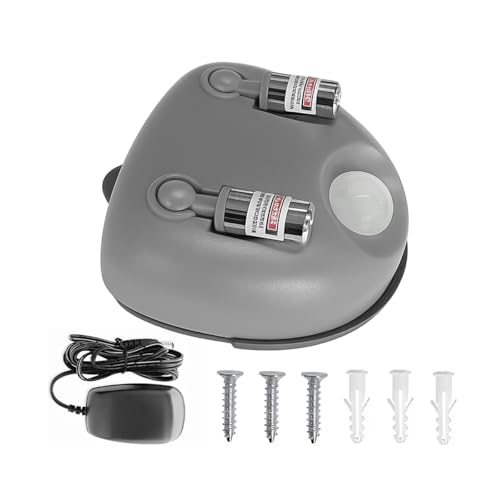
Helpful pick
Norkmdi Car Parking Guide Assist Laser Sensor, 360 Degree Adjustable Dual Laser Assist Stop Light Distance Vehicle Parking Aid, Motion Activated Auto Stop Indicator Assistance, Universal Fit
When bumper sensors are unreliable, this laser-guided parking aid offers a simple, effective way to park accurately without needing complex bumper calibration or repairs.
Common Parking-Sensor Failure Scenarios
A driver may find the rear sensors completely silent while the dash displays “Park Assist Unavailable.” Cleaning the bumper reveals no cracks, but the rear parking-assist fuse is blown. Replacing the fuse restores the beeps immediately, which points toward a power problem rather than a failed sensor. The fuse should still be checked for an underlying cause if it fails again.
Another common pattern is one sensor reading too close on the left side while the others work normally. Cleaning does not help, and the bumper has not been touched recently. The likely causes narrow to a blocked or damaged sensor face or a wiring fault at that position. A scan that identifies the left sensor circuit can target the repair instead of replacing the entire sensor set.
A problem that starts after a minor rear-end collision repair needs a different approach. The system may work at first, then become intermittent or trigger warnings after a week. A connector may not be fully seated, the bumper harness may be pinched, or calibration may not have been completed after sensor replacement. In that situation, the best next step is a shop diagnosis that includes module checks and recalibration.
Record these details before calling a technician:
- Sensor behavior – all dead or one specific spot
- Exact dash-message wording
- When the problem started, including whether it followed bumper work, tow wiring, or bad weather
- What cleaning changed, if anything
- Whether the fuse was blown
- Any codes from a scan tool that can read the parking-assist system

Helpful pick
Car Reverse Parking Radar System with 8 Parking Sensors Distance Detection + LED Distance Display + Sound Warning (Black Color)
This comprehensive 8-sensor system is an excellent upgrade if your vehicle’s factory parking sensors are obsolete or too costly to repair individually.
FAQ About Parking Sensors Not Working
1) How much does it cost to fix parking sensors not working in the US?
DIY fixes such as cleaning the sensors or replacing a blown fuse cost very little. A sensor replacement with labor varies widely by make and model, while control-module diagnostics can add expense. If the scan returns several circuit codes or a control-module code, professional diagnosis may cost less than repeatedly replacing parts. Get a written quote before approving repairs.
2) How long should parking sensors work again after cleaning?
If dirt, mud, or ice caused the fault, normal operation should return immediately after cleaning and the next few reverse tests. Cleaning will not repair a cracked sensor face or paint overspray that has permanently affected the sensor. Weather-related faults may clear after the area dries, but a warning that remains after several tests points to a deeper problem.
3) Are parking sensors dangerous if they only work sometimes?
Intermittent sensors are risky because they may miss an obstacle when you rely on them. If the vehicle shows frequent “unavailable” warnings, constant false beeping, or random sensor behavior, treat the system as unreliable until it is repaired. Use mirrors and a camera if they are reliable, slow down, and check your sightlines carefully in tight spaces.
4) What OBD scanner features matter for parking sensors?
Choose a scanner that reads body and control-module codes, not only engine codes. It should support parking assist, park distance control, or rear-sensor modules. Save the codes and freeze-frame details because they may identify a sensor position or circuit and help target the repair.
5) Can I drive if the parking sensors are not working?
You can usually drive short distances carefully, but you should not rely on the system to judge clearance. If the dash displays “Park Assist Unavailable,” or the sensors were involved in a crash, assume the readings may be wrong and drive more slowly. If you cannot park safely without the sensors, or reverse braking assistance is disabled, avoid tight parking and have the vehicle diagnosed.
Disclosure: As an Amazon Associate, I may earn from qualifying purchases at no extra cost to you. Amazon and the Amazon logo are trademarks of Amazon.com, Inc, or its affiliates.
- Amazon, Amazon Prime, the Amazon logo and Amazon Prime logo are trademarks of Amazon. com, Inc. or its affiliates.

Hi, I am AKM Sad. I’m a car enthusiast and reviewer who loves exploring gadgets and accessories. I share honest reviews and practical tips to help you get the best products and enjoy a safer, smoother ride.