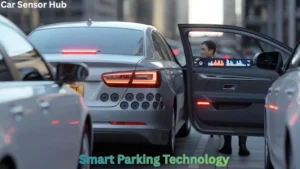
Parking assist technology helps drivers park their cars safely. It uses sensors and cameras to guide you.
Parking can be stressful, especially in tight spots. Parking assist makes it easier by giving you visual and audio cues. This technology is becoming common in many cars. It helps you avoid bumps and scrapes. With parking assist, you feel more confident.
In this blog post, you will learn how to use parking assist. We will cover the basics and explain its features. Whether you are a new driver or experienced, this guide will help you. Let’s make parking stress-free and simple.

Using Parking Assist: Pros & Cons
✅ Pros:
-
Effortless parking
-
Reduced stress
-
Time-saving
-
Increased safety
-
Enhanced convenience
❌ Cons:
-
Dependence on technology
-
Potential malfunctions
-
Learning curve
-
Limited effectiveness in tight spots
-
Cost of advanced systems
Introduction To Parking Assist
Parking can be stressful. Many drivers find it difficult. That’s where Parking Assist comes in. This technology can help make parking easier and safer. Let’s explore what Parking Assist is and its benefits.
What Is Parking Assist?
Parking Assist is a system that helps drivers park their cars. It uses sensors and cameras to detect objects around the vehicle. These tools guide the driver into a parking space. Some systems even park the car for you.
Benefits Of Parking Assist
Parking Assist offers many benefits. It reduces the risk of accidents. Sensors and cameras detect obstacles that drivers might miss. This helps prevent collisions with other cars and objects.
It also saves time. Drivers spend less time trying to fit into tight spaces. The system guides them quickly and accurately. This makes parking faster and less stressful.
Parking Assist can boost confidence. Drivers feel more secure with extra help. They can park in spots they might avoid without the system. This makes driving in crowded areas easier.
Types Of Parking Assist Systems
Parking assist systems have made parking easier and safer. These systems use advanced technology to help drivers park their vehicles. There are different types of parking assist systems available. Each type has unique features and benefits. Here, we will discuss two common types: ultrasonic sensors and camera-based systems.
Ultrasonic Sensors
Ultrasonic sensors are a popular type of parking assist system. These sensors use sound waves to detect objects around the car. The sensors emit sound waves and measure the time taken for the waves to bounce back. This helps in calculating the distance to nearby objects.
Ultrasonic sensors are usually placed on the front and rear bumpers. They alert the driver with beeping sounds. The beeping gets faster as the car gets closer to an object. This makes parking in tight spots easier and safer.
Camera-based Systems
Camera-based systems use cameras to provide a clear view around the vehicle. These systems often include a rearview camera. The camera displays the area behind the car on a screen inside the vehicle.
Some systems use multiple cameras for a 360-degree view. This helps the driver see all angles around the car. Camera-based systems can show guidelines on the screen. These guidelines help the driver align the car correctly in a parking space. This visual aid makes parking much easier.
Preparing Your Vehicle
Getting ready to use parking assist is crucial for a smooth experience. Before you start, ensure your vehicle is properly prepared. This includes checking system compatibility and ensuring clear sensors. Follow these steps for a hassle-free parking assist setup.
Check System Compatibility
First, verify if your car supports parking assist. Look in the owner’s manual or check the manufacturer’s website. Some older models may not have this feature. Ensure your vehicle’s system is up-to-date. Software updates can improve performance.
Ensure Clear Sensors
Parking assist relies on sensors to detect obstacles. Clean the sensors regularly. Dirt or debris can block signals. Check for obstructions around the sensors. Even small objects can impact accuracy.
Park your vehicle in a clean area. Avoid areas with lots of debris. This helps keep sensors clear and functioning well. Inspect sensors before each use. Make this a part of your routine.
Activating Parking Assist
Activating Parking Assist is a straightforward process. This feature helps drivers park their vehicles safely. By following a few simple steps, you can activate it easily. This guide will walk you through the steps.
System Activation Steps
To activate Parking Assist, start by turning on your car. Locate the Parking Assist button on your dashboard. It usually has a “P” symbol with a small sensor icon. Press this button to activate the system.
Next, follow the instructions on your car’s display screen. The screen may prompt you to select a parking mode. Choose the mode that suits your parking needs. The system will then scan for a suitable parking spot.
Once a spot is found, follow the on-screen instructions. The car may take control of the steering. You might need to control the gears and brakes. Keep an eye on the display for further guidance.
Common Activation Issues
Sometimes, the Parking Assist system may not activate. One common issue is a dirty sensor. Clean the sensors on your bumper to ensure proper function.
Another issue could be a software glitch. Restart your car to reset the system. If the problem persists, consult your car’s manual or a professional mechanic.
Parking Assist may also fail to activate in poor weather conditions. Fog, rain, or snow can affect the sensors. Wait for better weather or park manually in such cases.
Using Parking Assist Effectively
Using parking assist effectively can save you time and reduce stress. It helps you park accurately and safely. By understanding the system, you can make the most of this technology. This section will guide you through the key steps to use parking assist effectively.
Understanding Alerts And Signals
Parking assist systems use various alerts and signals. These include beeps, visual cues, and sometimes vibrations. Pay close attention to these alerts. They provide real-time feedback on your surroundings. Beeps usually get faster as you get closer to an object. Visual cues often show on a screen in your car. They indicate the distance and direction of obstacles. Understanding these alerts can help you park more precisely.
Optimal Parking Techniques
To use parking assist effectively, you should still practice good parking habits. Align your car properly before activating the system. Ensure your mirrors are set correctly. Use your turn signals to indicate your parking intention. Follow the guidance of the parking assist system closely. Move slowly and avoid sudden movements. This ensures the system can accurately guide you.
Remember, parking assist is a tool to help you. It does not replace your judgment. Stay alert and be ready to take control if needed. By combining your skills with the system’s assistance, you can park more efficiently and safely.

Image is taken from Youtube
Troubleshooting Common Issues
Parking assist systems are designed to make parking easier. Yet, they are not always perfect. Sometimes, issues arise that require troubleshooting. This section will help you address common problems with your parking assist system.
Sensor Malfunctions
Sensors are crucial for parking assist systems. They detect obstacles and help you park safely. Dirty or blocked sensors can cause malfunctions. Clean the sensors regularly with a soft cloth. Ensure they are free from dirt and debris.
If cleaning does not help, check for damage. Cracked or broken sensors need replacement. Also, ensure the sensors are aligned correctly. Misaligned sensors can give false readings.
Software Glitches
Software glitches can also affect parking assist systems. Sometimes, a simple restart can solve the issue. Turn off the car and wait for a few minutes. Then, restart the car and see if the problem persists.
If restarting does not help, check for software updates. Manufacturers release updates to fix bugs and improve performance. Follow the instructions in your car’s manual to update the software.
Maintenance Tips
Maintaining your parking assist system ensures it works well and lasts longer. Regular care of the system can prevent problems and keep your vehicle safe. Below are some easy tips to keep your parking assist in top shape.
Regular System Checks
Check your parking assist system every few weeks. Ensure all sensors and cameras are working. Look for any warning lights on your dashboard. If you see any, consult your car’s manual or a professional. Regular checks can catch issues early.
Cleaning Sensors
Clean your sensors often. Dust and dirt can block sensors and affect their performance. Use a soft cloth to wipe them gently. Avoid using harsh chemicals. Water and mild soap are enough. Ensure sensors are dry before driving.

Future Of Parking Assist
The future of parking assist is exciting and transformative. With advancements in technology, parking assist systems are becoming smarter and more reliable. This evolution promises to make parking even more effortless and safe. Let’s explore the future of parking assist through key advancements in technology and its integration with autonomous driving.
Advancements In Technology
Technological improvements are at the heart of the future of parking assist. Enhanced sensors and cameras provide better accuracy. They can detect obstacles more precisely. This reduces the chances of accidents. Artificial intelligence also plays a crucial role. AI helps the system learn from past experiences. It can predict the best parking maneuvers.
Machine learning improves the system continuously. It adapts to different parking environments. This makes parking assist systems more efficient. Wireless connectivity is another significant advancement. It allows real-time updates and remote diagnostics. This keeps the system updated with the latest features.
Integration With Autonomous Driving
Parking assist systems are a step towards fully autonomous vehicles. They will integrate seamlessly with self-driving technology. This means the car can park itself without human intervention. Sensors and cameras will work with the autonomous driving system. They will provide a 360-degree view of the surroundings. This ensures the vehicle parks safely and efficiently.
Future parking assist systems will communicate with smart city infrastructure. They will find available parking spots faster. This reduces the time spent searching for a place to park. It also decreases traffic congestion. The integration of parking assist with autonomous driving is a significant leap towards smarter and safer transportation.
Frequently Asked Questions
Is Park Assist Only For Parallel Parking?
No, park assist is not only for parallel parking. It also helps with perpendicular and angle parking.
What Is The P Button On My Car?
The “P” button on your car typically signifies the parking mode. It engages the electronic parking brake or places the car in park.
What Is The Difference Between Park Assist And Auto Park?
Park assist helps drivers with steering into parking spots. Auto park fully controls the parking process, including braking and steering.
How Do You Use Seat Park Assist?
To use seat park assist, activate the feature via the infotainment system. Follow on-screen prompts and shift gears as instructed. The system automatically steers while you control acceleration and braking.
Final Thoughts
Parking assist makes parking easier and safer. Follow the steps mentioned above. Practice using it in different spots. You’ll soon find it very helpful. Be patient and stay calm. Trust the technology, but always stay alert.
Disclosure: As an Amazon Associate, I may earn from qualifying purchases at no extra cost to you. Amazon and the Amazon logo are trademarks of Amazon.com, Inc, or its affiliates.
- Amazon, Amazon Prime, the Amazon logo and Amazon Prime logo are trademarks of Amazon. com, Inc. or its affiliates.

I am Sadman, the founder of CarSensorHub.com, where I share my passion for cars and technology. I specialize in writing detailed reviews and helpful guides on car gadgets, accessories, safety tools and many more. My mission is to help car owners discover the best products and tips to improve their driving experience and stay safe on the road.