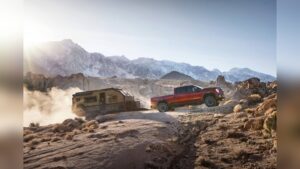
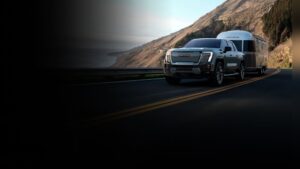
The GMC Sierra 1500 is a popular full-size pickup truck known for its power, comfort, and versatility. One feature that sets it apart is its advanced drive modes. These modes let drivers adjust the truck’s performance for different road conditions, weather, and tasks. If you’ve ever wondered how these drive modes work or how they can help you get the most from your Sierra 1500, you’re in the right place. By the end of this article, you’ll have a clear understanding of what each mode does, how to use them, and some tips that many drivers miss.
What Are Drive Modes?
Drive modes are pre-set settings that change how your truck behaves. The Sierra 1500 uses sensors and computer controls to adjust things like throttle response, transmission shifting, traction control, and stability systems. With the turn of a dial or push of a button, you can choose a mode that matches your needs—like towing a trailer, driving off-road, or saving fuel on city streets.
Most newer GMC Sierra 1500 models (especially from 2019 onward) come with the Traction Select System. This system can include up to five drive modes, depending on the trim and options.
Main Drive Modes In Gmc Sierra 1500
Let’s look at the most common drive modes you’ll find in a Sierra 1500. Not every truck will have every mode, as some depend on the exact model and whether your truck has two-wheel drive (2WD) or four-wheel drive (4WD).
Tour Mode
Tour mode is the default setting for everyday driving. It’s designed for smooth roads and normal conditions. The truck’s throttle response, steering, and transmission operate in a balanced way for comfort and efficiency.
- Best for: City driving, highways, and daily commutes.
- What changes: Softens throttle, smoother shifts, normal traction control.
- Extra insight: Some drivers don’t realize that Tour mode can help save fuel on long trips by avoiding aggressive shifting.
Sport Mode
Sport mode makes the Sierra feel quicker and more responsive. It sharpens throttle response, holds gears longer, and tightens steering. Sport mode is not just for fun—it’s also useful when you need to merge quickly or pass on the highway.
- Best for: Spirited driving, quick acceleration, highway merging.
- What changes: Faster throttle, higher shift points, firmer steering.
- Non-obvious tip: Sport mode can be handy in stop-and-go traffic, not just fast driving, because it keeps the engine ready to respond.
Off-road Mode
If you’re heading onto dirt, gravel, or muddy trails, Off-Road mode is your friend. This setting adjusts the traction and stability systems to let the wheels spin a bit more, which helps you keep moving on loose surfaces.
- Best for: Trails, mud, sand, gravel, and light off-roading.
- What changes: Traction control is relaxed, throttle is smoother, stability control adapts for uneven ground.
- Extra insight: Off-Road mode also slightly changes the ABS system, so the wheels can lock up more on loose surfaces, giving you better stopping power in the dirt.
Terrain Mode
Some Sierra 1500s have a Terrain mode (especially AT4 or equipped with the X31 Off-Road package). This is specialized for slow, technical off-roading like rock crawling.
- Best for: Steep hills, rocks, deep ruts, slow maneuvering off-road.
- What changes: Throttle is very gentle, traction is maximized, sometimes allows for one-pedal driving.
- Non-obvious tip: In Terrain mode, try using the brake pedal lightly to help the truck crawl over obstacles without rolling back.
Tow/haul Mode
Tow/Haul mode is designed for pulling trailers or carrying heavy loads. It changes the way the transmission shifts, keeping the engine in the “power band” for longer. This helps with acceleration and engine braking.
- Best for: Towing boats, campers, trailers, or hauling heavy cargo.
- What changes: Holds lower gears longer, increases engine braking, tightens steering.
- Extra insight: Many drivers forget to turn off Tow/Haul mode when they finish towing, which can hurt fuel economy.
Snow/ice Mode
If you live where it snows, Snow/Ice mode can be a lifesaver. This setting reduces throttle sensitivity and adjusts the traction control system to help prevent wheel spin on slippery roads.
- Best for: Snow, ice, and very slick pavement.
- What changes: Softer throttle, early upshifts, traction control is more aggressive.
- Non-obvious tip: Snow/Ice mode is also useful in heavy rain or when starting on a steep, wet hill.
How To Select Drive Modes
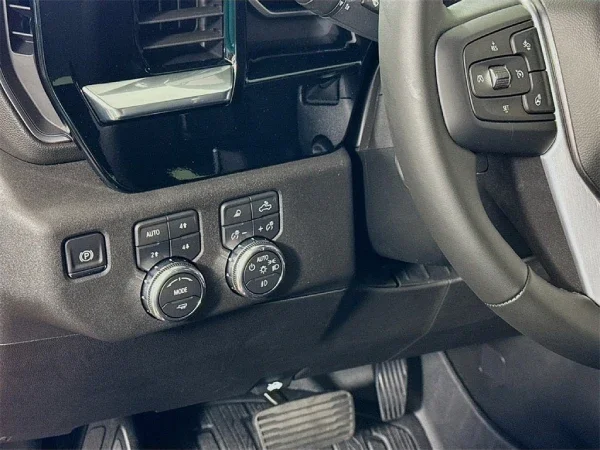
Switching between drive modes in the GMC Sierra 1500 is simple. Most models use a rotary knob or a set of buttons near the gear shifter.
- Start the truck and ensure you’re in Park or Neutral.
- Turn the dial or press the button for the mode you want.
- Check the dashboard display to confirm the mode has changed.
You can usually switch between Tour, Sport, and Snow/Ice while driving. For Off-Road or Terrain mode, you may need to stop and put the truck in Neutral, especially if it requires a change in the 4WD system.
How Drive Modes Affect Performance
Drive modes do more than just change the “feel” of the truck. They actively change how the Sierra 1500 uses its:
- Throttle response: More or less sensitive to pedal input.
- Transmission shifting: Holds gears longer or shifts earlier.
- Steering effort: Heavier or lighter steering feel.
- Traction and stability control: More or less intervention from electronics.
- All-wheel drive (AWD) or four-wheel drive (4WD) systems: Changes how power is sent to the wheels.
Here is a comparison of how each mode changes key systems:
| Mode | Throttle | Transmission | Traction/Stability | Steering |
|---|---|---|---|---|
| Tour | Balanced | Normal shifting | Standard | Comfort |
| Sport | More sensitive | Higher shift points | Reduced intervention | Firmer |
| Off-Road | Smoother | Normal shifting | Relaxed | Standard |
| Terrain | Very gentle | Controlled | Maximized grip | Heavier |
| Tow/Haul | Moderate | Holds lower gears | Standard | Tighter |
| Snow/Ice | Less sensitive | Early upshifts | High intervention | Comfort |
Credit: www.harrybrowns.com
When To Use Each Drive Mode
Knowing when to use each mode can make driving safer and more enjoyable. Here are some real-life examples:
- Tour: Driving to work, running errands, highway trips.
- Sport: Entering a fast-moving freeway, passing slower cars, enjoying winding roads.
- Off-Road: Exploring a forest trail, driving across a muddy field, camping trips.
- Terrain: Climbing rocky hills, maneuvering through deep ruts, technical off-roading.
- Tow/Haul: Moving a trailer, hauling heavy equipment, towing a boat to the lake.
- Snow/Ice: Commuting during winter, parking on icy streets, driving in heavy rain.
Benefits Of Using The Right Drive Mode
Using the proper mode offers several advantages:
- Improved safety: Optimized traction and stability for the situation.
- Better performance: The truck responds the way you want it to.
- Increased efficiency: Modes like Tour and Snow/Ice help save fuel.
- Longer vehicle life: Using Tow/Haul can protect the transmission when towing.
- Enhanced comfort: Smoother ride or sportier feel based on your preference.
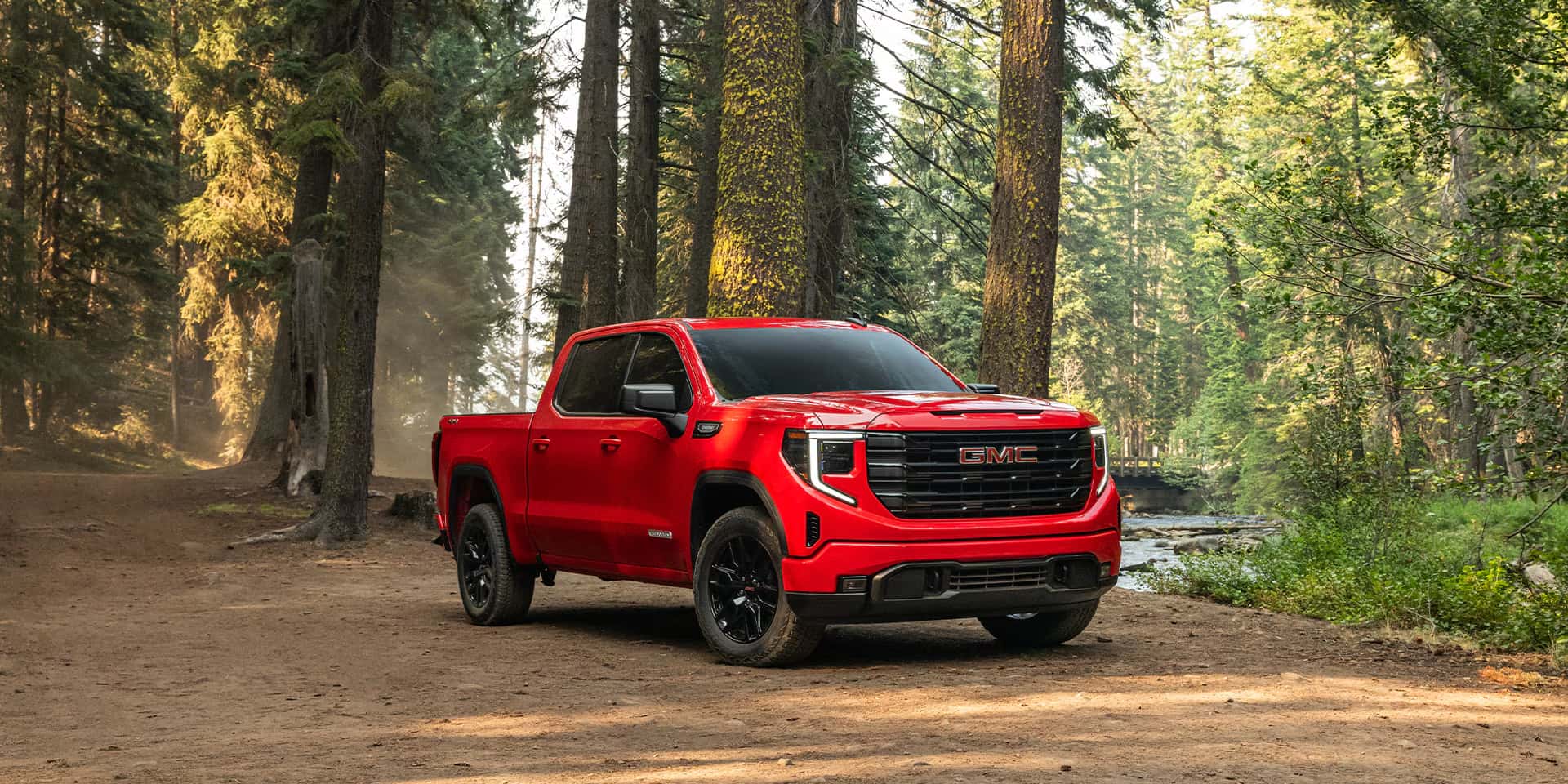
Credit: www.terachevygmc.com
What Happens If You Ignore Drive Modes?
Some drivers leave their Sierra in the default mode, thinking it’s “good enough.” But this can lead to:
- Reduced traction in snow or mud.
- Worse fuel economy if Tow/Haul is left on.
- Uncomfortable ride in the wrong setting.
- Harder towing or off-roading experiences.
By not using the right mode, you miss out on technology designed to help you.
Advanced Features: Customization And Memory
Some higher trims of the Sierra 1500 let you customize drive modes. For example, you can adjust how much the steering tightens in Sport mode or set a preferred transmission response in Tow/Haul. The system can even remember your last-used mode, so you don’t have to reset it every time.
Here’s a look at which trims offer which modes and customization:
| Trim Level | Tour | Sport | Off-Road | Terrain | Tow/Haul | Snow/Ice | Customizable |
|---|---|---|---|---|---|---|---|
| Base | ✔ | ✔ | ✖ | ✖ | ✔ | ✔ | ✖ |
| SLT | ✔ | ✔ | ✔ | ✖ | ✔ | ✔ | ✖ |
| AT4 | ✔ | ✔ | ✔ | ✔ | ✔ | ✔ | ✔ |
| Denali | ✔ | ✔ | ✔ | ✔ | ✔ | ✔ | ✔ |
Common Mistakes And Tips
Many new owners make the same errors when using drive modes. Here are two mistakes and how to avoid them:
- Forgetting to switch back: After towing or off-roading, always return to Tour mode for regular driving. This keeps your fuel use and ride comfort optimized.
- Not using modes in poor weather: If the road is slippery, use Snow/Ice mode even if it’s just raining hard. It helps avoid spinning tires.
A tip many drivers miss: you can switch between some modes while driving, but for the most extreme off-road settings, stopping is safer. Always check your owner’s manual if you’re unsure.
Real-world Example
Imagine you’re driving up a snowy mountain with a trailer. You start in Tour mode, but as the road gets icy, you switch to Snow/Ice mode. When you reach a steep, rough trail, you change to Off-Road or Terrain mode.
On the way back down, with the trailer attached, you use Tow/Haul mode for better control. By switching modes, you keep yourself safer and make the drive easier.
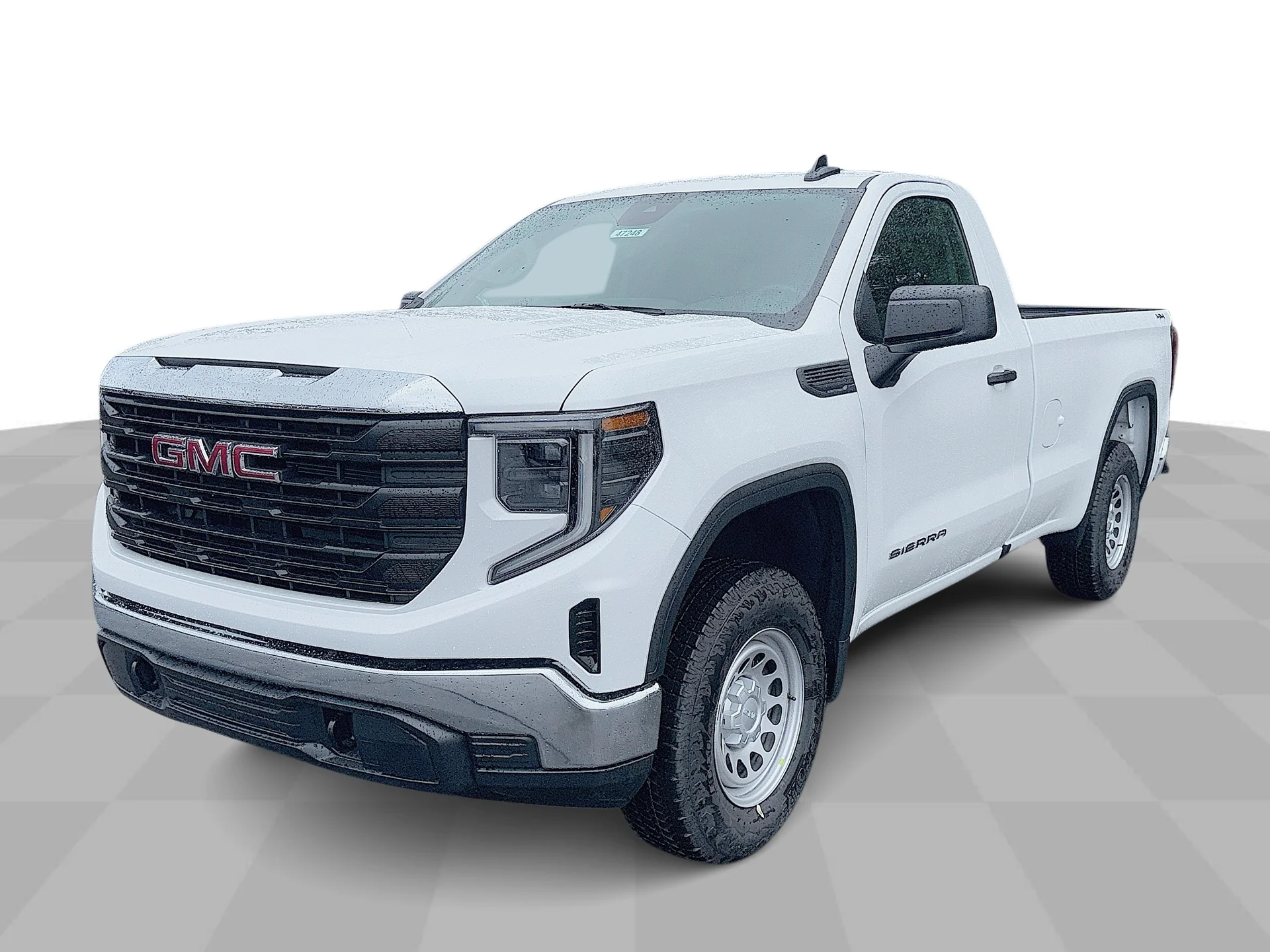
Credit: www.driveclassic.com
Technology Behind The Scenes
The Sierra 1500’s drive modes use a network of sensors and a central computer. These track wheel slip, steering angle, speed, and engine load hundreds of times per second. The system then makes tiny adjustments to each part of the truck to match the selected mode.
This technology is similar to what’s found in luxury SUVs and sports cars.
If you want to learn more about how modern trucks use electronics to improve driving, the Edmunds GMC Sierra 1500 page has additional details.
Frequently Asked Questions How GMC Sierra 1500 Drive Modes Work
What Is The Difference Between Off-road And Terrain Mode?
Off-Road mode is for general rough surfaces, like dirt or mud, and allows more wheel slip. Terrain mode is for slow, technical driving over rocks or steep slopes, giving more control at low speeds.
Can I Switch Drive Modes While Driving?
You can change between Tour, Sport, and Snow/Ice while moving. For Off-Road and Terrain, it’s safer to stop, especially if switching between 2WD and 4WD.
Will Using Sport Mode Hurt My Fuel Economy?
Yes, Sport mode makes the truck more responsive but uses more fuel. For best gas mileage, use Tour or Snow/Ice mode when possible.
Does Every Sierra 1500 Have All The Drive Modes?
No. Some modes depend on your trim and options. Higher trims like AT4 and Denali have more modes, including Terrain and customizable settings.
What Happens If I Leave Tow/haul Mode On All The Time?
Your truck will use more fuel and may ride less smoothly. It’s best to use Tow/Haul only when actually towing or carrying heavy loads.
With its smart drive modes, the GMC Sierra 1500 offers more than just raw power. Choosing the right mode can improve safety, efficiency, and comfort in any situation. Learn to use them well, and you’ll get the best from your Sierra every time you drive.
Disclosure: As an Amazon Associate, I may earn from qualifying purchases at no extra cost to you. Amazon and the Amazon logo are trademarks of Amazon.com, Inc, or its affiliates.
- Amazon, Amazon Prime, the Amazon logo and Amazon Prime logo are trademarks of Amazon. com, Inc. or its affiliates.

I am Sadman, the founder of CarSensorHub.com, where I share my passion for cars and technology. I specialize in writing detailed reviews and helpful guides on car gadgets, accessories, safety tools and many more. My mission is to help car owners discover the best products and tips to improve their driving experience and stay safe on the road.