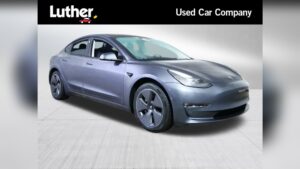
If you own a Tesla Model 3 or are thinking about getting one, understanding how charging works is key to making your experience smooth and stress-free. You might wonder how long it takes to charge, where you can plug in, or how to get the most out of your battery.
This guide will answer those questions clearly and simply. By the end, you’ll feel confident about keeping your Model 3 powered up and ready to go, no matter where your journey takes you. Keep reading to unlock the secrets of Tesla Model 3 charging!
Tesla Model 3 Charging Basics
Understanding Tesla Model 3 charging basics helps owners keep their car ready. Charging this electric car is simple and fits daily routines well. Knowing where to plug in and how fast charging works saves time. This guide breaks down the key points.
Charging Port Location
The Tesla Model 3 has a single charging port on the left rear side. It is near the taillight and blends into the car’s design. This port opens by pressing on it or using the Tesla app. Easy to find and use during all charging sessions.
Types Of Charging Connectors
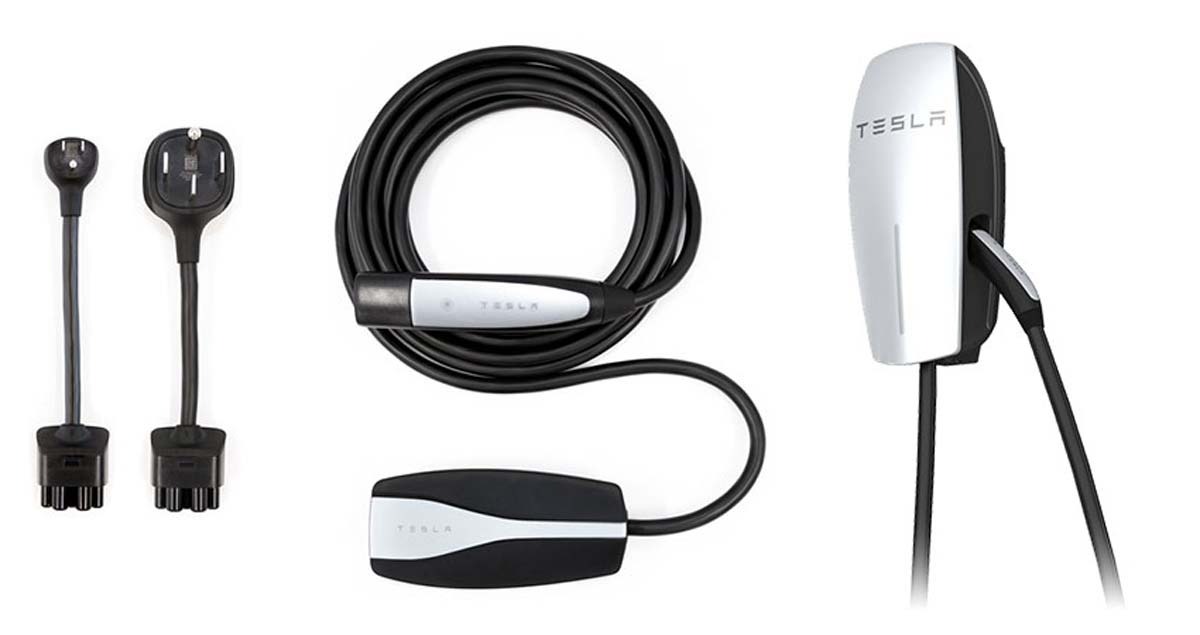
The Model 3 uses a special connector for Tesla Superchargers. For home and public charging, it uses a standard connector called the J1772 adapter. This adapter comes with the car for convenience. Different plugs fit different chargers but all work with Model 3.
Charging Speeds Explained
Charging speed depends on the charger type and battery level. Home chargers typically add 30 to 44 miles of range per hour. Tesla Superchargers can add up to 170 miles in 30 minutes. Faster charging saves time but works best with a strong power source.
Home Charging Options
Charging a Tesla Model 3 at home is simple and convenient. Most owners prefer charging at home for daily use. There are two main ways to charge at home: using a standard wall outlet or installing a Level 2 charger. Both options have their own benefits and costs. Understanding these options helps you choose the best fit for your needs.
Standard Wall Outlet Charging
The easiest way to charge your Model 3 is with a regular 120-volt wall outlet. This method uses the car’s built-in charger. It adds about 3 to 5 miles of range per hour. This is slow but works well if you drive less daily. You can plug your car into any standard outlet in your garage or driveway.
Standard charging is perfect for overnight charging. It does not need special equipment or installation. Just use the charging cable that comes with your Tesla. The downside is that it takes a long time to fully charge the battery.
Level 2 Home Chargers
Level 2 chargers use 240 volts and charge much faster than a wall outlet. They add around 25 to 30 miles of range per hour. This option is ideal for owners who drive more each day. It reduces charging time significantly.
These chargers come as wall-mounted units. Some Tesla owners buy the Tesla Wall Connector. It is designed specifically for Tesla cars. Other brands also offer compatible Level 2 chargers. They need a dedicated 240-volt circuit for installation.
Installation Tips And Costs
Installing a Level 2 charger requires a licensed electrician. The electrician checks your home’s electrical panel first. They add a dedicated circuit if needed. Installation costs vary by location and home setup.
Basic installation can cost between $500 and $1,500. Some homes need upgrades to handle the new charger. These upgrades increase the total cost. Planning ahead helps avoid surprises.
Charging at home gives you full control over your Tesla’s energy. Choose the method that fits your driving habits and budget best.
Supercharging Network
Tesla’s Supercharging Network is a key part of owning a Model 3. It allows drivers to charge their cars quickly and easily. This network has many fast charging stations across cities and highways.
Superchargers are designed to reduce wait times. They help drivers get back on the road faster than regular chargers. Knowing how the network works helps you plan your trips better.
How Superchargers Work
Superchargers deliver high power directly to your car’s battery. They bypass the slower onboard charger in the vehicle. This direct connection means faster energy flow.
The charger adjusts power to protect the battery’s health. It slows down charging as the battery gets full. This keeps the battery safe and efficient for long-term use.
Charging Speed At Superchargers
Superchargers can add up to 200 miles of range in about 15 minutes. Speed depends on battery size and current charge level. Charging is fastest when the battery is below 50%.
As the battery fills, the charging speed slows. This prevents overheating and extends battery life. The Model 3 can take advantage of these fast speeds.
Finding Supercharger Stations
Tesla’s navigation system shows nearby Superchargers. It also plans routes with stops at charging stations. This helps avoid running low on battery during trips.
The Tesla app lets you find and reserve chargers. You can check availability before arriving. This saves time and makes charging easier.
Fast Charging Techniques
Fast charging is important for Tesla Model 3 drivers. It reduces wait time and gets the car ready quickly. Understanding how to charge fast helps save time on trips. It also keeps the battery healthy and efficient.
Maximizing Charging Speed
Use Tesla Superchargers for the fastest charging. These stations provide high power to fill the battery quickly. Plugging into a Supercharger can add up to 170 miles in 30 minutes. Avoid charging at low power stations to save time. Keep the battery charge level between 20% and 80% for best speed. Charging beyond 80% slows down to protect the battery.
Battery Management During Fast Charging
The car controls battery heat and power during charging. It balances speed and battery safety. Tesla’s system slows charging if the battery gets too hot. The battery cools down with a built-in cooling system. This control helps keep the battery healthy for a long time. Charging at moderate speeds sometimes helps extend battery life.
Avoiding Overheating And Battery Wear
Fast charging can heat the battery. High heat causes battery wear over time. Tesla’s cooling system reduces this risk. Avoid using fast charging all the time. Use slow charging at home for daily needs. Let the battery cool between fast charges. This practice helps keep the battery strong and lasting longer.
Charging Time Estimates
Charging time is a key factor for Tesla Model 3 owners. Knowing how long it takes helps plan trips and daily use. Charging speed depends on the type of charger and the battery’s current level. Let’s explore the typical charging times and what affects them.
Time For Different Charging Levels
There are three main charging levels for the Model 3. Level 1 uses a regular home outlet and is the slowest. It adds about 3 to 5 miles of range per hour. Level 2 chargers, often found at homes and public spots, add 20 to 30 miles per hour. Fast chargers, called Superchargers, can add up to 170 miles in 30 minutes.
Factors Affecting Charging Duration
Charging speed changes with temperature and battery health. Cold weather slows down charging. The battery charges faster when it is almost empty. Charging slows down as the battery gets near full. Using accessories like air conditioning can also affect charging time.
Charging Time Vs. Battery Range
Charging time links directly to how far you can drive. A short charge adds fewer miles but takes less time. A full charge takes longer but gives maximum range. Planning charging stops helps avoid long waits. Knowing your driving needs can guide charging choices.
Credit: www.solarreviews.com
Charging Costs And Payment
Charging a Tesla Model 3 involves costs that vary by location and charging method. Understanding these costs helps owners plan their trips and manage expenses. Payments are simple and mostly digital, making charging convenient.
Supercharger Pricing Models
Tesla Superchargers charge by the kilowatt-hour or by time. Pricing depends on local electricity rates and demand. Some areas charge a flat fee per minute, especially where kilowatt-hour billing is not allowed. Tesla updates prices regularly to reflect energy costs. Peak hours usually cost more. Charging at Superchargers is faster but can be pricier than home charging.
Using Mobile Apps For Payment
Payments for Supercharging happen automatically via the Tesla app. Owners link a credit card to their Tesla account. The app tracks charging sessions and bills accordingly. For destination chargers, payment may happen through third-party apps. The Tesla app also shows charger availability and pricing. This digital method removes the need for cash or cards at stations.
Cost Comparison With Other Evs
Tesla Model 3 charging costs are competitive compared to other electric vehicles. Supercharger rates can be higher than public chargers but offer faster charging. Home charging costs less than public options for all EVs. Some non-Tesla EVs use networks with subscription fees. Tesla’s integrated system simplifies payment and charging for drivers. Overall, Model 3 charging is affordable and convenient.
Charging Safety And Maintenance
Charging safety and maintenance are key to keeping your Tesla Model 3 reliable and efficient. Proper care helps avoid hazards and extends the life of charging equipment. Understanding safe practices and basic upkeep ensures a smooth charging experience every time.
Safe Charging Practices
Always charge your Model 3 in a dry place. Water and electricity do not mix well. Use only Tesla-approved charging cables and adapters. Avoid overloading electrical outlets to prevent fires. Check cables for damage before each use. Stop charging immediately if you notice sparks or unusual smells.
Maintaining Charging Equipment
Keep charging plugs clean and free from dirt. Wipe them gently with a dry cloth. Store cables properly to avoid bending or twisting. Inspect connectors regularly for wear and tear. Replace any damaged parts quickly to maintain safety. Keep your charging station area tidy and clear of obstacles.
Troubleshooting Common Issues
If charging does not start, check the power source first. Reset the charger or unplug and plug it back in. Look for warning lights on the dashboard or charger. Consult the Tesla app for error messages or updates. Contact Tesla support if problems persist after basic checks.
Credit: tesloid.ca
Future Of Tesla Charging
The future of Tesla charging looks bright and full of progress. Tesla is working hard to make charging faster, easier, and more accessible. This means less waiting and more driving for Tesla Model 3 owners. New ideas and better technology will improve how we charge electric cars.
Upcoming Charging Technologies
Tesla is developing new charging methods to save time. Wireless charging is one option. It lets cars charge without plugging in. Another idea is ultra-fast chargers that fill the battery in minutes. These technologies aim to make charging as simple as possible. They will help Tesla Model 3 drivers spend less time at stations.
Improvements In Charging Infrastructure
Charging stations will become more common and easier to find. Tesla plans to build more Superchargers worldwide. These stations will support faster charging speeds and better reliability. Public places like malls and parking lots will get more chargers. This growth means Tesla Model 3 owners can travel longer distances with confidence.
Impact On Tesla Model 3 Owners
Better charging tech means more freedom for drivers. Faster charging allows quick stops during trips. More stations reduce worries about running out of power. Tesla Model 3 owners will enjoy smoother journeys and less stress. The future will make electric car driving more practical for everyday life.

Credit: insideevs.com
Frequently Asked Questions
How Long Does Tesla Model 3 Charging Take?
Charging time varies by charger type. A Tesla Supercharger can charge the Model 3 up to 80% in about 30 minutes. Using a home wall connector, a full charge may take 6 to 12 hours, depending on the power supply.
What Types Of Chargers Work With Tesla Model 3?
The Model 3 supports Tesla Superchargers, Level 2 AC chargers, and standard household outlets. It uses a proprietary connector for Superchargers and a J1772 adapter for public chargers, ensuring flexible charging options for different locations and needs.
Can I Charge Tesla Model 3 At Home?
Yes, Tesla Model 3 can be charged at home using a dedicated wall connector or a standard outlet. A wall connector provides faster charging, while a regular outlet is slower but convenient for overnight charging.
Is Tesla Model 3 Charging Cost-effective?
Charging at home is generally cheaper than gasoline. Supercharging costs vary but are competitive with traditional fuel prices. Tesla also offers free Supercharging on some models or promotions, reducing overall charging expenses.
Conclusion
Tesla Model 3 charging is simple and user-friendly. You can charge at home or public stations. Different chargers offer various speeds to fit your needs. Knowing how charging works saves time and hassle. This helps keep your car ready for every trip.
Charging is part of the electric car experience. Understanding it makes driving an electric vehicle easier. Stay informed to enjoy smooth and reliable charging.
Disclosure: As an Amazon Associate, I may earn from qualifying purchases at no extra cost to you. Amazon and the Amazon logo are trademarks of Amazon.com, Inc, or its affiliates.
- Amazon, Amazon Prime, the Amazon logo and Amazon Prime logo are trademarks of Amazon. com, Inc. or its affiliates.

I am Sadman, the founder of CarSensorHub.com, where I share my passion for cars and technology. I specialize in writing detailed reviews and helpful guides on car gadgets, accessories, safety tools and many more. My mission is to help car owners discover the best products and tips to improve their driving experience and stay safe on the road.