How Dirty Air Filter Affects Fuel Economy can be the difference between a smooth, efficient drive and a car that quietly starts costing more at the pump. It sounds small, but that little filter controls how easily the engine breathes, and engines don’t like being starved for air.
When the filter clogs with dust and debris, airflow drops and the engine has to work harder to make the same power. The result is often more throttle input, less responsive acceleration, and fuel that disappears faster than it should.
Most technicians see this pattern all the time during routine services: drivers complain about mileage, and the air filter is packed. Look at a practical example—someone commuting 20 miles each way might notice they’re filling up a day earlier than usual, then get back closer to normal MPG right after a simple filter swap.
Next, they’ll break down what changes inside the engine, the warning signs to watch for, and when a filter replacement actually pays off. If fuel economy has been sliding, it’s worth checking a few quick things:
- Air filter condition (dark, clogged, or debris-packed)
- Recent drop in MPG or shorter range per tank
- Sluggish acceleration or rough idle
Grab the owner’s manual, pop the airbox, and take a 30-second look—then decide if it’s time to replace it.
What an Engine Air Filter Does and Why Airflow Matters
Now that the basics are set, it helps to zoom in on the part doing the quiet work: the engine air filter. It sits in the intake path and cleans incoming air before it reaches the throttle body and cylinders. Clean air protects internal parts and keeps combustion predictable.
An engine needs a steady mix of air and fuel to run efficiently. The filter’s job is to balance protection with airflow, catching dust, pollen, soot, and grit while still letting enough air pass. When airflow is stable, the engine can maintain the intended air-fuel ratio across idle, cruising, and acceleration.
Airflow matters because the engine management system uses sensor data to calculate load and fueling. If the intake is restricted, the engine may respond with different throttle behavior, altered shift points, or reduced power, even if no warning light appears.
- Filtration: traps abrasive particles that can wear piston rings and cylinder walls.
- Flow consistency: supports smooth throttle response and stable idle.
- Sensor health: reduces contamination risk to MAF/MAP sensors and intake surfaces.
Practical example: after a dusty summer commute, a driver opens the airbox and finds the filter dark and packed with debris. Replacing it restores snappier acceleration because the engine can breathe normally again, especially during highway merges.
You May Like This Guide: Why High Mileage Oil Improves Fuel Efficiency
How Dirty Air Filter Affects Fuel Economy in Modern Engines
Look, modern engines are smart, but they can’t cheat physics. How Dirty Air Filter Affects Fuel Economy depends on how much the filter restricts airflow and how the control system compensates. A mildly dirty filter may barely move the needle, while a heavily clogged one can create measurable losses.
With restricted intake flow, the engine may need more throttle opening to produce the same torque. That can raise pumping losses and encourage downshifts, pushing RPM higher than necessary. Some vehicles also enrich mixtures under higher load for engine protection, which can consume more fuel.
Modern ECUs rely on MAF or MAP readings, oxygen sensors, and throttle position to adjust fueling. If airflow is limited, the ECU can still target stoichiometric combustion during light cruise, but drivability changes often show up first—sluggish response, more frequent gear hunting, and reduced passing power.
- Higher throttle demand to maintain speed, especially on grades.
- More downshifts and higher RPM during normal driving.
- Reduced volumetric efficiency under acceleration, limiting power.
Practical example: a delivery vehicle running stop-and-go routes sees MPG drop over a month. After replacing a severely clogged filter, the driver reports fewer downshifts and steadier cruising, and the next fuel log shows improvement without changing driving habits.
MPG Loss Expectations: What Drivers Typically Notice
Now that airflow and fuel control are clear, the next question is what a driver actually feels at the pump. With How Dirty Air Filter Affects Fuel Economy, the most common pattern is a slow creep in fuel use rather than a sudden collapse. Many drivers don’t notice until a familiar commute starts needing fuel sooner.
In real-world driving, MPG loss is usually modest, often around 1–3 MPG on vehicles that run closed-loop fueling most of the time. The drop can be larger when the filter is severely restricted, the vehicle sees frequent short trips, or the driver spends a lot of time at higher loads (steep grades, towing, high-speed cruising).
Look at how it shows up day to day:
- More frequent fill-ups for the same weekly mileage
- Lower trip-computer averages that don’t recover after a reset
- Reduced “coast” feel because the engine needs more throttle to maintain speed
Practical example: a driver who typically gets 29 MPG on a 60-mile mixed commute may start seeing 26–27 MPG over several tanks. Nothing else changes—same route, tire pressures stable, no seasonal fuel shift—yet the car feels slightly “sleepier” on highway merges. A clogged filter is a common, low-cost check before chasing bigger causes.
Symptoms That Point to a Dirty Air Filter (Beyond Poor Mileage)
Fuel economy is only one clue. A restricted filter can also change how the engine responds, especially when airflow demand rises quickly. Drivers often describe it as the vehicle “working harder” for the same result.
Common symptoms that fit a dirty air filter include:
- Sluggish acceleration, most noticeable during passing or on-ramps
- Rough idle or a subtle vibration at stoplights
- Hesitation when the throttle is applied quickly
- Black smoke on older engines or under heavy load (overly rich mixture)
- Unusual intake sounds, like a louder “whoosh” as the engine pulls air through restriction
Some vehicles may also set a check-engine light if sensor readings drift outside expected ranges. It’s not guaranteed, but a dirty filter can contribute to airflow-related codes when combined with other issues like a weak MAF sensor signal or intake leaks.
Practical example: during a routine oil change, a technician finds a filter packed with dust and leaf debris. The driver had complained about a slight stumble when pulling away from stop signs and needing more pedal to climb a familiar hill. After replacing the filter, throttle response improves immediately, even before any MPG change is measured over the next tank.
Read More: Ford F-250 Engine Air Filter Replacement
Dirty Air Filter vs Other Causes of Bad Fuel Economy
Now that the common symptoms are clear, it helps to separate a dirty air filter from other MPG killers. A filter restriction can reduce airflow and nudge the engine toward less efficient operation, but it’s rarely the only variable. They’ll get a faster diagnosis by comparing when the mileage drop started and what else changed at the same time.
A dirty filter often shows up as gradual mileage decline with a slightly lazier feel under load. By contrast, many other causes create sharper changes or come with distinct clues. Look for patterns tied to temperature, speed, or recent repairs.
- Low tire pressure: steady MPG loss, heavier steering feel, uneven tire wear.
- Dragging brakes: hot wheel smell, one wheel dustier, vehicle pulls to a side.
- Failing oxygen sensor/MAF issues: check-engine light, rough idle, fuel trims out of range.
- Misfires or worn plugs: shaking under load, flashing MIL, strong fuel smell.
- Driving/loads: new roof box, towing, short trips, winter fuel blends.
Practical example: a commuter notices a 3–4 MPG drop after mounting a roof rack and switching to underinflated all-seasons. Replacing the air filter helps throttle response a bit, but the bigger gain comes from removing the rack and setting tire pressure to the door-jamb spec.
How to Inspect an Air Filter and Confirm Restriction
Once they suspect restriction, a simple inspection can confirm whether the filter is the limiting factor. Most vehicles place the engine air filter in a plastic airbox secured by clips or screws. They should work with the engine off and avoid dropping debris into the intake tract.
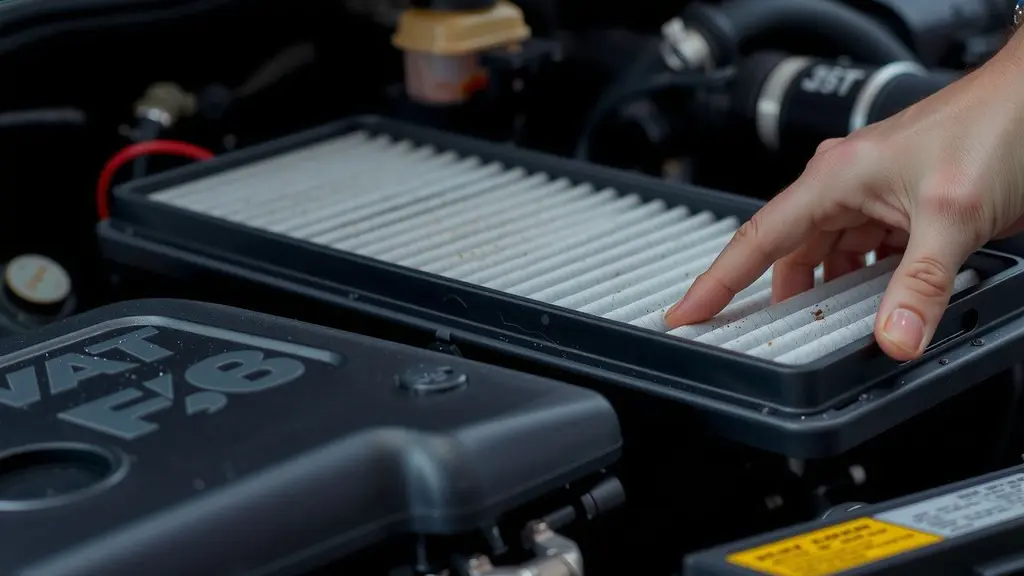
First, remove the filter and inspect both sides under bright light. A healthy filter shows uniform pleats and light passing through many channels. A restricted one looks dark, packed, oily, or distorted, and the pleats may be clogged deep in the folds.
- Open the airbox and note the filter orientation.
- Check for heavy dirt loading, leaves, or moisture.
- Inspect the airbox for dust trails that suggest a poor seal.
- Hold the filter toward a light; compare airflow visually across the surface.
- Reinstall carefully or replace with the correct size and gasket style.
For a more confident call, they can use scan data: rising long-term fuel trims at cruise, reduced calculated load, or abnormal MAF readings can support an airflow issue. Some shops also measure intake restriction with a manometer, which removes guesswork.
Practical example: a DIYer finds the filter pleats matted with pollen and road grit after a dusty summer. After installing a new filter and ensuring the airbox lid seats evenly, the car regains smoother acceleration and the next tank shows a small MPG improvement.
When to Replace the Air Filter and What Type to Choose
Now that restriction has been confirmed, the next step is choosing the right replacement timing and filter design. A clean, correctly sized filter keeps airflow predictable, which helps the engine stay in its most efficient operating range.
Most manufacturers set a mileage interval, but real-world conditions matter more. Drivers who see dust, construction zones, gravel roads, or heavy traffic often need earlier changes than the owner’s manual suggests.
Replace the filter when any of these are true:
- It fails a light test (little to no light passes through the media).
- The pleats are packed with dirt, bugs, or leaves and won’t brush off.
- It’s oil-soaked, warped, or the sealing edge is damaged.
- The vehicle has been driven through wildfire smoke or heavy dust storms.
For type, a quality OEM-style paper filter is the default for most drivers: consistent filtration, stable airflow, and low risk. Oiled “performance” filters can work, but they require correct oiling and careful installation; over-oiling can contaminate sensors on some vehicles and create new drivability issues.
Practical example: a commuter in Phoenix who drives past weekly roadwork swaps the air filter every 10,000–12,000 miles instead of waiting for 30,000. They keep the old filter as a reference; if the new one looks similar at 8,000 miles, they shorten the interval.
Prevention and Maintenance Habits That Protect Fuel Economy
Look, replacing a dirty filter fixes the immediate problem, but habits determine how fast the next one clogs. Small maintenance choices can slow restriction and help keep fuel economy steady between services.
Start with the air intake path. A clean filter won’t stay clean if the airbox is leaking or the intake snorkel is missing, cracked, or loose. Any gap downstream of the filter can also let unfiltered dust in, accelerating engine wear and changing airflow readings.
Habits that protect MPG over time:
- Check the airbox seal after every filter change; confirm the lid clamps evenly.
- Clear debris from the airbox and intake opening during oil changes.
- Avoid “filter tapping” on hard surfaces; it can tear media and reduce filtration.
- If driving in dust, increase following distance and use cabin recirculation to reduce intake load.
- Pair filter checks with tire pressure checks; both affect mileage and are easy wins.
Practical example: a delivery driver who parks under trees finds leaves in the airbox each month. By adding a quick airbox debris check to their weekly routine and reseating the lid properly, they extend filter life and keep mileage consistent across a full service interval.
When these basics are routine, the filter becomes a predictable maintenance item instead of a surprise MPG drain tied to How Dirty Air Filter Affects Fuel Economy.
What This Means for You
Now, the takeaway is simple: How Dirty Air Filter Affects Fuel Economy comes down to one controllable bottleneck—airflow. When the engine can’t breathe cleanly, it tends to work harder for the same driving demand, and that inefficiency shows up at the pump. The good news is this is one of the few mileage-related issues that’s usually low-cost and easy to correct.
Look at it like a quick decision point: if fuel costs are creeping up, treat the air filter as a first-line check before assuming something expensive is wrong. A practical example: a commuter who fills up weekly notices their “miles to empty” dropping sooner on the same route; after swapping a visibly dark, debris-packed filter, their next tank lasts longer with no change in driving habits.
- Protects wallet: less wasted fuel over time
- Protects performance: steadier response under load
- Protects planning: more predictable range between fill-ups
Next step: set a reminder to check the filter this weekend and replace it if it’s restricted—then track your next two tanks to confirm the improvement.
FAQs Of How Dirty Air Filter Affects Fuel Economy and MPG Loss
How does a dirty air filter actually reduce fuel efficiency?
An engine needs a specific mix of air and fuel to run efficiently. A clogged filter restricts airflow, forcing the engine to work harder and consume more fuel to compensate for the lack of oxygen, especially in older carbureted engines.
Can a new air filter really improve my MPG?
Yes. While modern fuel-injected engines are better at balancing the air-fuel ratio, a clean filter improves acceleration and engine responsiveness. For older vehicles, replacing a dirty filter can improve fuel economy by up to 10–14%.
How often should I replace my air filter?
Most manufacturers recommend replacement every 12,000 to 15,000 miles. However, if you frequently drive on dusty roads or in heavy stop-and-go traffic, you may need to change it more often.
What are the signs that my air filter is clogged?
Look out for these common symptoms:
Reduced gas mileage.
Sluggish acceleration.
The “Check Engine” light turning on.
Unusual engine noises or vibrations while idling.
A strong smell of gasoline when starting the car.
Can I just clean my air filter instead of replacing it?
Most standard paper filters are designed for single use and should be replaced. However, if you have a high-performance “washable” filter, you can clean it using a specific manufacturer-approved kit.
Disclosure: As an Amazon Associate, I may earn from qualifying purchases at no extra cost to you. Amazon and the Amazon logo are trademarks of Amazon.com, Inc, or its affiliates.
- Amazon, Amazon Prime, the Amazon logo and Amazon Prime logo are trademarks of Amazon. com, Inc. or its affiliates.

Hi, I am AKM Sad. I’m a car enthusiast and reviewer who loves exploring gadgets and accessories. I share honest reviews and practical tips to help you get the best products and enjoy a safer, smoother ride.