Have you ever been left stranded on a chilly morning because your car wouldn’t start? Cold weather can sneakily drain your car battery’s power, leaving you frustrated and stuck.
Understanding how cold temperatures affect your battery can save you from unexpected trouble and keep your car running smoothly when you need it most. You’ll discover why your battery struggles in the cold and learn simple steps to protect it.
Keep reading to make sure your car is ready to face the frost without a hitch.
Cold Weather And Battery Performance
Cold weather affects car batteries in many ways. The battery works harder to start the engine in low temperatures. This makes battery performance drop and can cause starting problems. Understanding how cold weather impacts your battery helps in keeping your car running smoothly.
Impact Of Low Temperatures
Cold temperatures slow down the chemical reactions inside the battery. This means the battery produces less power. The colder it gets, the weaker the battery becomes. Even a fully charged battery can struggle in freezing weather.
Battery Capacity Reduction
Battery capacity drops as the temperature falls. At 32°F (0°C), a battery loses about 20% of its capacity. At 0°F (-18°C), it can lose up to 50%. Less capacity means less energy to start the car and run electrical systems.
Starting Power Challenges
Starting the engine needs a strong burst of power from the battery. Cold weather makes this power harder to deliver. The oil in the engine thickens, requiring more effort to turn the engine over. This puts extra strain on the battery, increasing the chance of failure.
Signs Of A Weak Battery In Winter
Winter cold puts extra stress on car batteries. Low temperatures reduce battery power and slow chemical reactions inside. Many drivers notice problems starting their cars during cold months. Recognizing early signs helps avoid being stranded in freezing weather.
Weak batteries show clear signals before they fail completely. These signs warn that your battery needs attention or replacement soon. Knowing what to watch for keeps your car reliable all winter long.
Slow Engine Crank
When turning the key, the engine cranks slowly or struggles. The starter turns over but with less power than usual. This happens because cold weather lowers battery output. Slow engine crank means the battery cannot supply enough current.
Dim Headlights
Headlights appear dull or flicker when the car is idling. The battery cannot provide steady voltage to the lights. Dim headlights signal weak battery health and poor electrical flow. This issue worsens if the battery is old or damaged.
Electrical Issues
Other electrical systems may act up, such as power windows or radio. These components need consistent power, which a weak battery struggles to supply. Flickering dashboard lights or slow accessories also hint at battery problems. Electrical glitches in winter often point to battery weakness.
Preparing Your Battery For Winter
Cold weather can cause many problems for your car battery. Preparing your battery before winter starts helps avoid car troubles. Simple steps can keep your battery strong during cold months.
Battery Inspection Tips
Check your battery for cracks or leaks. Look at the battery case for any damage. Make sure the battery is tightly secured in its holder. Loose batteries can cause connection problems. Inspect the battery age; most last 3-5 years. Older batteries may need replacement before winter.
Cleaning Battery Terminals
Dirty terminals stop the battery from working well. Use a wire brush to clean off any dirt or corrosion. Apply a little baking soda mixed with water to remove buildup. After cleaning, dry the terminals fully. Clean terminals help the battery connect properly to the car.
Checking Battery Charge
Use a voltmeter to check the battery charge. A healthy battery should show about 12.6 volts. Lower readings mean the battery is weak. Charge the battery fully before cold weather arrives. A full charge helps the battery start the car easily in winter.
Maintenance Tips To Extend Battery Life
Cold weather can be tough on car batteries. The low temperatures reduce battery power and make starting the engine harder. Taking care of your battery can help it last longer. Here are some simple tips to keep your battery healthy in winter.
Keeping Battery Warm
Cold drains battery power quickly. Keep the battery warm by parking in a garage. If a garage is not available, use a battery blanket. This special cover keeps the battery from freezing. It helps the battery work better in cold weather.
Regular Charging
Charge your battery often during winter. Short drives do not fully recharge the battery. Use a trickle charger to keep it at full power. This prevents the battery from dying in the cold. A well-charged battery lasts longer.
Avoiding Short Trips
Short trips can hurt your battery. The engine and battery do not get enough time to recharge. Try to combine errands into one longer trip. This lets the battery regain power. It reduces the risk of a dead battery.
Emergency Steps For A Dead Battery
A car battery can die suddenly in cold weather. This creates a stressful situation, especially if you are far from help. Knowing emergency steps can save time and keep you safe. Quick actions can get your car running again or tell you when to seek professional help.
Always handle a dead battery with care. Safety is the top priority during any jump-start or charging process. Follow these steps carefully to avoid damage or injury.
Jump-starting Safely
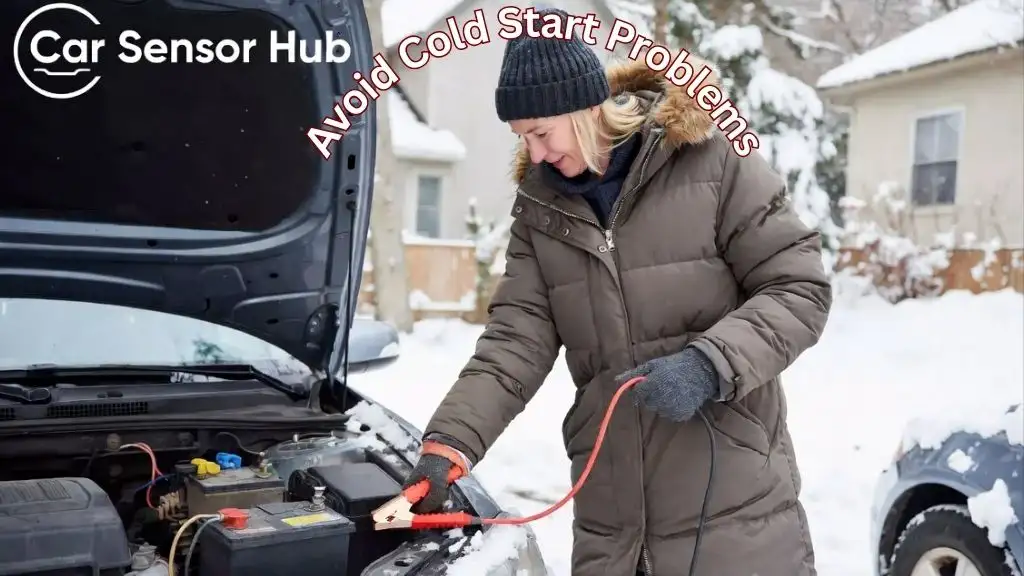
Find jumper cables and another vehicle with a working battery. Park close but do not let cars touch. Turn off both cars and connect cables in this order: positive to positive, negative to a metal ground on the dead car. Start the working car and wait a few minutes. Then try starting the dead car. Remove cables in reverse order. Never lean over the battery during this process.
Using Portable Chargers
Portable chargers are handy for dead batteries. Connect the charger clamps to the battery terminals. Follow the charger instructions carefully. Turn on the charger and let it run for the recommended time. This method is safer than jump-starting and works well if no other car is nearby. Keep the charger and battery dry during use.
When To Replace The Battery
Repeated battery failures mean it may need replacing. Check the battery age; most last 3-5 years. Swollen or leaking batteries require immediate replacement. If your car struggles to start even after jump-starts, the battery is likely weak. Visit a mechanic or auto store to get a new battery and proper installation.
Frequently Asked Questions
How Does Cold Weather Impact Car Battery Life?
Cold weather slows chemical reactions inside the battery, reducing its efficiency. This causes lower power output and shorter battery life, making starting the car harder during winter months.
Why Do Car Batteries Fail More In Winter?
In cold temperatures, battery capacity drops significantly. The engine needs more power to start, and the battery struggles to deliver, leading to increased failure rates in winter.
How Can I Protect My Car Battery In Cold Weather?
Keep the battery fully charged, park in a garage, and avoid short trips. Regularly clean battery terminals and consider using a battery warmer during extreme cold for protection.
What Signs Indicate A Weak Car Battery In Winter?
Slow engine crank, dim headlights, and electrical issues signal a weak battery. If your car struggles to start or electronics act up, your battery may be failing due to cold weather.
Last Words
Cold weather puts extra strain on your car battery. Batteries lose power when temperatures drop. This can cause your car to start slowly or not at all. Regular battery checks help avoid surprises in winter. Keep your battery clean and connections tight.
Using a battery warmer can also help in freezing weather. Taking these steps keeps your car running smoothly. Stay prepared and protect your battery this cold season.
Disclosure: As an Amazon Associate, I may earn from qualifying purchases at no extra cost to you. Amazon and the Amazon logo are trademarks of Amazon.com, Inc, or its affiliates.
- Amazon, Amazon Prime, the Amazon logo and Amazon Prime logo are trademarks of Amazon. com, Inc. or its affiliates.

I am Sadman, the founder of CarSensorHub.com, where I share my passion for cars and technology. I specialize in writing detailed reviews and helpful guides on car gadgets, accessories, safety tools and many more. My mission is to help car owners discover the best products and tips to improve their driving experience and stay safe on the road.