Winter is tough on your car, and your battery feels it the most. You don’t want to be left stranded on a cold morning because your battery gave up.
But how do you know if your battery is about to fail before the cold hits? If you’ve noticed your engine struggling to start or your headlights dimming, these could be warning signs. Paying attention to these early signals can save you from last-minute surprises and costly repairs.
Keep reading to learn the key signs that your car battery needs replacement before winter arrives. Your peace of mind on frosty mornings depends on it.

Credit: radair.com
Battery Age And Lifespan
Understanding your car battery’s age and lifespan is crucial before winter arrives. Cold weather demands more from your battery. Old batteries often struggle to deliver enough power. Knowing the signs can prevent unexpected breakdowns and keep your car running smoothly.
Typical Battery Lifespan
Most car batteries last between three to five years. This depends on driving habits and climate. Batteries in hot climates may wear out faster. Regular use helps keep batteries healthy. Long periods of inactivity can reduce battery life.
How Age Affects Performance
As batteries age, their ability to hold charge decreases. They may fail to start the engine in cold weather. Older batteries often show slow engine crank or dim lights. Corrosion on battery terminals can increase with age. These signs indicate the battery is losing strength.
Slow Engine Crank
Slow engine crank is a common sign that your car battery may be weak. When you turn the key, the engine should start quickly. A slow crank means the engine turns over sluggishly. This can be a warning that the battery is losing power. It gets harder for the battery to provide enough energy to start the engine.
What Slow Cranking Indicates
Slow cranking shows the battery cannot supply enough current. The battery may be old or damaged. Corrosion on battery terminals can also cause slow starts. It means the battery’s charge is low or the battery is failing. This issue can lead to complete battery failure soon.
Impact Of Cold Weather
Cold weather makes slow cranking worse. Low temperatures reduce battery power and slow chemical reactions inside. The engine oil also thickens, needing more power to start. A weak battery struggles more in cold conditions. This increases the chance that the car won’t start on a cold morning.
Dim Headlights And Electrical Issues
Dim headlights and electrical issues often signal a weak car battery. These problems usually start before cold weather arrives. A failing battery can cause your lights to appear dull and your car’s electrical parts to act strange. Knowing these signs helps you prepare your car for winter better.
Dimming Lights During Startup
Your headlights may look bright while driving but dim when you start the engine. This happens because the battery struggles to supply enough power at startup. The dimming is a clear sign the battery is losing strength. It means your car might have trouble starting on cold mornings.
Other Electrical Glitches
Electrical parts like the radio, dashboard lights, or power windows may work poorly. They can flicker, slow down, or stop working for short times. These glitches happen when the battery cannot provide steady power. Such issues often get worse as the battery ages and the weather gets colder.

Credit: www.ronsautorepairames.com
Warning Lights On Dashboard
Your car’s dashboard shows important warning lights. These lights tell you if the battery or charging system has problems. Watching these signals is key before winter. Cold weather makes battery issues worse. Ignoring these warnings might leave you stuck in the cold.
Battery And Alternator Indicators
The battery light looks like a small battery symbol. It appears when the battery is weak or not charging. The alternator light often shows as “ALT” or “GEN.” It means the alternator is not working well. Both lights warn of electric system trouble. Your car may not start if these lights stay on.
When To Take Action
Take action as soon as these lights appear. Do not wait for the battery to die. Visit a mechanic or auto shop quickly. They can test your battery and charging system. Early checks prevent breakdowns in cold weather. Replace the battery if tests show low power or damage.
Corroded Or Damaged Battery Terminals
Car battery terminals play a crucial role in powering your vehicle. Over time, they may become corroded or damaged. This can stop your car from starting, especially in cold weather. Corrosion creates a barrier that blocks the flow of electricity. Damaged terminals may cause loose or poor connections. Both problems reduce battery performance. Detecting these issues early can save you from winter breakdowns.
Signs Of Corrosion
Look for a white, green, or blue powder on the battery terminals. This powder is corrosion. You might also see rust or dirt buildup. The battery terminals could look worn or cracked. Your car may have trouble starting or may not start at all. Dimming headlights or electrical problems can also indicate terminal issues. These signs mean it is time to check your battery.
Cleaning And Maintenance Tips
Wear gloves and eye protection before cleaning the battery terminals. First, disconnect the battery cables starting with the negative terminal. Use a mixture of baking soda and water to clean the terminals. Apply the mixture with a brush and scrub gently. Rinse with clean water and dry with a cloth. Reconnect the cables tightly, starting with the positive terminal. Regular cleaning helps keep your battery healthy and ready for winter.
Swollen Or Bloated Battery Case
A swollen or bloated battery case is a clear warning sign your car battery is failing. This physical change in the battery’s shape shows internal damage. It often looks like the battery’s sides are puffed out or bulging. This issue needs quick attention before winter arrives.
Cold weather puts extra strain on your battery. A swollen case means the battery might not work well in freezing temperatures. It can cause starting problems and leave you stranded on cold mornings. Spotting this sign early can save you from costly repairs and inconvenient breakdowns.
Causes Of Swelling
Swelling happens because of heat inside the battery. Chemical reactions produce gases that build pressure. This pressure pushes the battery case outward. Overcharging the battery can cause this heat and gas buildup. Using the wrong charger or a faulty alternator can also lead to swelling. Old batteries are more likely to swell as their internal parts wear down.
Risks Of Ignoring This Sign
A swollen battery case can leak acid. Acid leaks damage your car’s engine and electrical parts. The battery might also fail suddenly, leaving you stuck. Heat from swelling can cause the battery to crack or even explode. Ignoring this sign increases repair costs and safety risks. Replacing a swollen battery ensures reliable starts and safer driving in winter.
Frequent Jump Starts
Frequent jump starts are a clear warning sign that your car battery may be failing. Each time your car needs a jump start, it means the battery cannot hold enough charge to start the engine. This problem often gets worse during cold weather. Winter demands more from your battery. It struggles to deliver power in low temperatures. Frequent jump starts can save you short-term. But they also point to bigger issues ahead. Recognizing this sign early can help you avoid being stranded in the cold.
Why Repeated Jump Starts Are A Red Flag
Repeated jump starts show your battery is losing strength. It cannot hold a full charge anymore. The battery’s ability to provide power drops over time. Cold weather makes this problem worse. Your car needs more power to start in winter. If you keep jump starting, the battery may fail completely soon. This can leave you stuck without any warning. It also means your battery might be old or damaged.
Long-term Effects On Battery Health
Jump starting puts extra strain on your battery and electrical system. It forces the battery to work harder than normal. This stress can cause internal damage inside the battery cells. Over time, the battery’s lifespan shortens. The more you jump start, the quicker the battery wears out. This leads to more frequent failures and unreliable starts. Replacing the battery before winter helps prevent these issues.
Electrical System Testing
Testing your car’s electrical system is key before winter arrives. Cold weather stresses the battery and electrical parts. Simple tests show if your battery struggles to hold power. Early detection avoids car troubles on chilly mornings. Understanding how to test helps you act fast.
Using A Multimeter
A multimeter measures battery voltage and current flow. Set the meter to DC voltage and connect it to battery terminals. Healthy batteries usually show about 12.6 volts when the car is off. Below 12.4 volts means the battery is weak. Testing under load gives a clearer picture. It simulates real engine start conditions. Low voltage during this test signals a failing battery. A multimeter is affordable and easy to use for quick checks.
Professional Battery Testing Services
Mechanics use advanced tools to test batteries deeply. They check battery health, charging system, and starter performance. These tests measure cold cranking amps (CCA), crucial for winter. CCA shows how well the battery starts the engine in cold. Professionals spot hidden issues a multimeter can miss. Testing usually takes a few minutes at a shop. This service helps avoid sudden battery failure in freezing weather.
Tips To Extend Battery Life
Extending your car battery life saves money and prevents trouble during cold months. Simple steps help keep the battery strong and reliable. Start early to avoid unexpected failures. Careful attention makes a big difference.
Regular Maintenance Practices
Check the battery terminals for dirt and corrosion. Clean terminals with a mixture of baking soda and water. Tighten loose connections to ensure good contact. Test the battery voltage regularly using a voltmeter. Replace old or weak cables to avoid power loss. Keep the battery case dry and free of cracks. Avoid short trips that do not fully charge the battery.
Preparing Your Battery For Winter
Charge the battery fully before cold weather arrives. Use a battery maintainer if the vehicle is rarely used. Park the car in a garage to protect the battery from extreme cold. Remove any dirt or debris that can cause drainage. Consider applying a battery insulation kit for extra protection. Turn off all lights and accessories before engine shutdown. Plan to replace the battery if it shows signs of weakness.
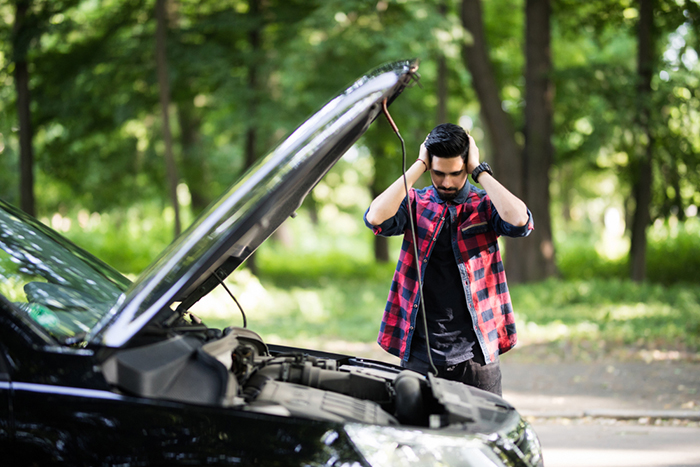
Credit: scsnissanservice.com
Frequently Asked Questions
How To Tell If My Car Battery Is Failing?
Look for slow engine crank, dim headlights, and electrical issues. Check battery age; over 3-5 years, it may weaken. Frequent jump-starts indicate failure. A battery test at a service center confirms its health.
What Are Early Signs Of A Weak Battery Before Winter?
Early signs include slow starting, dashboard warning lights, and corrosion on terminals. Cold weather worsens these issues, making replacement necessary to avoid breakdowns in winter.
How Does Cold Weather Affect Car Battery Life?
Cold weather slows chemical reactions inside the battery, reducing its power output. This makes starting the engine harder and drains the battery faster, increasing failure risk.
Can I Test My Car Battery At Home?
Yes, using a multimeter, measure voltage; below 12. 4 volts means low charge. Many auto stores offer free battery testing with professional tools for accurate results.
Conclusion
Car batteries often fail when cold weather arrives. Watch for slow engine starts or dim lights. Strange smells or corrosion are warning signs too. Replacing your battery early saves time and stress. Winter mornings can be tough without a good battery.
Stay safe and avoid being stranded in the cold. Regular checks keep your car ready all season. Don’t wait for a breakdown to take action. A strong battery means smooth drives, no surprises. Prepare now for winter’s challenges ahead.
Disclosure: As an Amazon Associate, I may earn from qualifying purchases at no extra cost to you. Amazon and the Amazon logo are trademarks of Amazon.com, Inc, or its affiliates.
- Amazon, Amazon Prime, the Amazon logo and Amazon Prime logo are trademarks of Amazon. com, Inc. or its affiliates.

I am Sadman, the founder of CarSensorHub.com, where I share my passion for cars and technology. I specialize in writing detailed reviews and helpful guides on car gadgets, accessories, safety tools and many more. My mission is to help car owners discover the best products and tips to improve their driving experience and stay safe on the road.


