The Ford F-150 has been one of America’s favorite trucks for decades. But even the best vehicles face issues as they age. One problem that many Ford F-150 owners run into is a bad O2 sensor. The oxygen sensor, often just called the O2 sensor, is a small but important part that plays a big role in how your truck runs. If it goes bad, you’ll likely notice changes in how your F-150 drives, uses fuel, and even smells.
This article explains the most common symptoms of a bad O2 sensor in a Ford F-150, why it matters, and what you should do if you think yours is failing.
What Does The O2 Sensor Do In A Ford F-150?
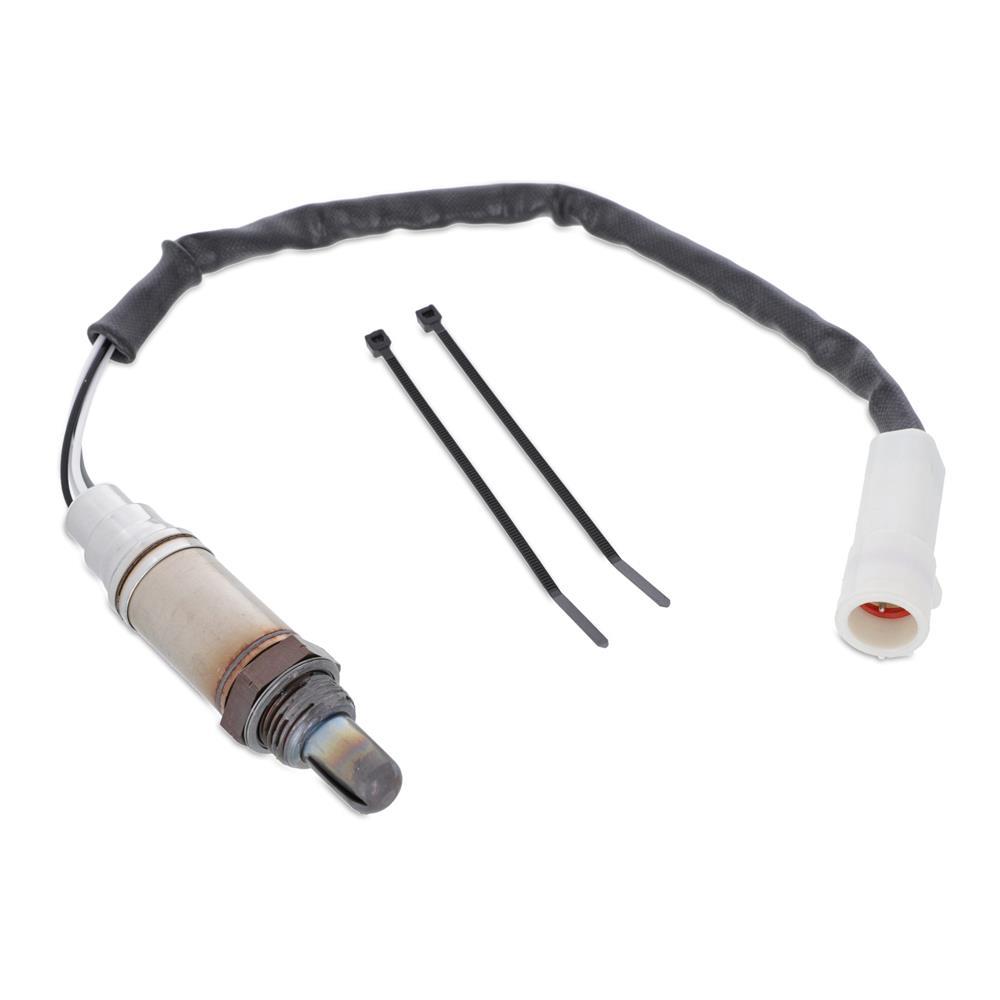
The O2 sensor measures how much oxygen is in your truck’s exhaust. It sends this information to your F-150’s computer, known as the engine control module (ECM). The ECM uses this data to adjust how much fuel mixes with air inside the engine. This keeps the engine running as efficiently and cleanly as possible.
Most newer Ford F-150s have at least two O2 sensors—one before the catalytic converter (upstream) and one after (downstream). Some models have four sensors, especially those with V8 engines. A faulty O2 sensor can throw off the fuel mixture, reduce fuel economy, and increase emissions.
Main Symptoms Of A Bad O2 Sensor In A Ford F-150
It’s not always easy to spot a bad O2 sensor at first. The symptoms can be subtle or look like other engine problems. Here are the main signs to watch for in your Ford F-150:
1. Check Engine Light Comes On
The check engine light is the most common sign. When the O2 sensor fails, your F-150’s computer detects a problem with the air-fuel mixture and turns on this warning light. You’ll need an OBD-II scanner to read the trouble code. For a bad O2 sensor, you may see codes like P0130, P0131, P0132, P0133, or P0134.
2. Poor Fuel Economy
Has your F-150 started using more gas than usual? A failing O2 sensor can cause the engine to run “rich,” meaning it uses more fuel than needed. You might find yourself stopping for gas more often, especially if you drive the same routes as before.
3. Rough Engine Idle And Misfires
A bad O2 sensor can lead to a rough idle or even engine misfires. The engine may shake or seem less smooth when stopped. This happens because the wrong air-fuel mix can cause uneven combustion.
4. Failed Emissions Test
If your state requires emissions testing, a faulty O2 sensor will almost always cause your F-150 to fail. The truck may produce higher levels of pollutants, including carbon monoxide (CO) and hydrocarbons (HC).
5. Engine Hesitation And Power Loss
You may notice your truck hesitates when you press the gas, or it doesn’t accelerate as quickly as before. This is a direct result of an incorrect fuel mixture caused by a failing O2 sensor.
6. Rotten Egg Smell From Exhaust
A sulfur or “rotten egg” smell is a classic sign of a bad O2 sensor or a damaged catalytic converter. This odor is due to unburned fuel entering the exhaust system.
7. Black Smoke From The Exhaust
If you see black smoke coming from your tailpipe, your F-150 is burning too much fuel. While this can be caused by other problems, a bad O2 sensor is a common culprit.
8. Engine Surging Or Stalling
Sometimes, your engine may surge (suddenly speed up) or stall (shut off) for no clear reason. This is often linked to incorrect oxygen sensor readings.
9. Increased Emissions
Even if you don’t have a check engine light, a failing O2 sensor can cause your F-150 to pollute more. This can damage the environment and your truck’s reputation for reliability.
Comparison: Healthy Vs. Bad O2 Sensor Symptoms
To make it easier to understand, here’s a side-by-side look at what you’ll notice with a healthy vs. bad O2 sensor.
| Healthy O2 Sensor | Bad O2 Sensor |
|---|---|
| Smooth idle and acceleration | Rough idle, hesitation |
| Normal fuel economy | Poor mileage, frequent refueling |
| No unusual exhaust smell | Rotten egg odor, black smoke |
| Passes emissions test | Fails emissions test |
| No warning lights | Check engine light on |
Why The O2 Sensor Fails In Ford F-150 Trucks
O2 sensors work under tough conditions. They sit in the hot exhaust system and deal with chemicals and debris. Here are the main reasons why they fail:
- Age and mileage: Most sensors last about 60,000 to 100,000 miles. Older sensors simply wear out.
- Contaminants: Oil leaks, coolant leaks, or fuel additives can coat the sensor, making it less effective.
- Physical damage: Road debris or improper repairs can break the sensor or its wiring.
- Heater circuit failure: Most O2 sensors have a built-in heater. If this fails, the sensor can’t work properly, especially when the engine is cold.

Credit: www.youtube.com
Real-world Example: F-150 Owner Experience
Imagine a 2012 Ford F-150 3.5L EcoBoost with 110,000 miles. The owner notices the check engine light comes on, and the truck uses more gas than usual. He also smells a strong rotten egg odor after starting the truck. An OBD-II scan shows code P0131, pointing to a bad upstream O2 sensor. After replacing the sensor, fuel economy improves, the smell disappears, and the check engine light stays off.
This example shows how a single failing part can cause several noticeable problems—and how fixing it can quickly solve them.
What Happens If You Ignore A Bad O2 Sensor?
Some drivers keep using their truck even with a bad O2 sensor. This is not a good idea. Here’s why:
- Lower fuel economy means you spend more on gas.
- Increased emissions can lead to fines or failed inspection.
- Damage to the catalytic converter is likely if too much unburned fuel enters the exhaust.
- Reduced engine life since the engine runs with the wrong mixture, causing more wear.
A bad O2 sensor can end up costing much more if ignored. In most cases, replacing the sensor is much cheaper than repairing damage caused by running your F-150 with a bad sensor.
Diagnosing A Bad O2 Sensor
You don’t need to guess if your O2 sensor is bad. Here’s how to confirm it:
- Check engine light: If it’s on, scan for codes with an OBD-II tool.
- Review the codes: Codes like P0130-P0147 often point to O2 sensor problems.
- Live data: Some advanced scanners let you see live O2 sensor voltage readings. A healthy sensor should switch between about 0.1V and 0.9V quickly (for upstream sensors).
- Visual check: Inspect the sensor and wires for damage or contamination.
- Compare fuel trim readings: If the fuel trim is very high or low, the sensor may be sending wrong signals.
If you’re not comfortable with these steps, a mechanic can diagnose the problem in less than an hour.
Common Mistakes When Dealing With O2 Sensors
Many beginners make errors when trying to fix O2 sensor problems. Here’s what to avoid:
- Replacing the wrong sensor: Ford F-150s may have multiple O2 sensors. Make sure you know if the code points to “upstream” (before catalytic converter) or “downstream” (after).
- Ignoring wiring issues: Sometimes, the problem is not the sensor but broken or corroded wires.
- Using cheap sensors: Low-quality aftermarket sensors may fail quickly or not work right with your F-150’s computer.
- Not clearing codes: After fixing the problem, clear the codes with a scanner so the check engine light goes off.
Credit: lmr.com
How Much Does It Cost To Replace A Bad O2 Sensor?
The price depends on your F-150’s year and engine. Here’s a rough cost breakdown:
| Replacement Type | Estimated Parts Cost | Estimated Labor Cost | Total |
|---|---|---|---|
| One O2 Sensor (aftermarket) | $30-$80 | $50-$100 | $80-$180 |
| One O2 Sensor (OEM) | $70-$150 | $50-$100 | $120-$250 |
| All Sensors (V8 engine, OEM) | $300-$600 | $200-$350 | $500-$950 |
Replacing an O2 sensor is usually a simple job for a mechanic, and many DIYers with basic tools can do it at home.
Prevention And Maintenance Tips
While O2 sensors will wear out eventually, you can help them last longer:
- Fix engine leaks: Repair oil or coolant leaks promptly.
- Use quality fuel: Avoid using fuel additives unless Ford recommends them.
- Keep up with engine maintenance: Regular air and fuel filter changes help keep sensors clean.
- Don’t ignore check engine lights: Early diagnosis can prevent bigger issues.
An often-missed detail: If you replace the catalytic converter, always replace the O2 sensors at the same time. Old sensors can give false readings and damage the new converter.
How Long Does It Take To Replace An O2 Sensor?
For most Ford F-150s, replacing an O2 sensor takes about 30 to 60 minutes. Upstream sensors are usually easier to reach, while downstream sensors may need the truck to be lifted. Rust or stuck sensors can make the job harder, especially on older trucks.
Can You Drive With A Bad O2 Sensor?
Technically, your F-150 will still run with a bad O2 sensor. But you’ll likely see worse gas mileage, more pollution, and risk expensive repairs. If your truck starts running very rough or stalls, it’s best to get the sensor replaced right away.
When To Call A Mechanic
If you’re not comfortable working under your truck or you don’t have the right tools, let a professional handle O2 sensor replacement. Also, if you change the sensor and the problem comes back, there may be a deeper issue, such as a vacuum leak or a computer problem.
Advanced Insight: O2 Sensor Vs. Other Engine Sensors
Sometimes, people confuse O2 sensor failure with other sensor issues. For example, a bad mass airflow sensor (MAF) or engine coolant temperature sensor can cause similar symptoms. Using a scan tool to check live data helps tell the difference. A healthy O2 sensor voltage will “bounce” up and down quickly, while a flat or slow signal usually means the sensor is bad.
Here’s a quick comparison:
| Sensor | Main Function | Typical Failure Symptom |
|---|---|---|
| O2 Sensor | Monitors exhaust oxygen | Check engine light, poor fuel economy |
| MAF Sensor | Measures air entering engine | Stalling, hesitation, hard starting |
| Coolant Temp Sensor | Measures engine temperature | High idle, overheating, poor mileage |
Frequently Asked Questions Of Bad O2 Sensor Symptoms Ford F-150
What Is The Most Common Symptom Of A Bad O2 Sensor In A Ford F-150?
The check engine light turning on is the most common symptom. You may also notice poor fuel economy, rough idle, or a rotten egg smell from the exhaust.
Can A Bad O2 Sensor Damage My Ford F-150’s Catalytic Converter?
Yes. A failing O2 sensor can cause your engine to run rich, sending unburned fuel into the exhaust. This can overheat and destroy the catalytic converter, which is expensive to replace.
Will My F-150 Fail An Emissions Test With A Bad O2 Sensor?
Almost always. A faulty O2 sensor increases emissions and will trigger a check engine light, which means your truck won’t pass most state inspections.
How Often Should I Replace The O2 Sensor In My Ford F-150?
Most sensors last 60,000 to 100,000 miles. Check your owner’s manual for Ford’s recommendation and replace them if you see symptoms or codes.
Where Can I Learn More About O2 Sensors And Their Role In Vehicles?
A good place to start is the Wikipedia page on oxygen sensors, which explains how they work and their importance in modern engines.
A bad O2 sensor is a common and fixable problem for Ford F-150 owners. If you notice any of the symptoms above, don’t ignore them. Acting early will save you money and keep your truck running smoothly for years to come.
Disclosure: As an Amazon Associate, I may earn from qualifying purchases at no extra cost to you. Amazon and the Amazon logo are trademarks of Amazon.com, Inc, or its affiliates.
- Amazon, Amazon Prime, the Amazon logo and Amazon Prime logo are trademarks of Amazon. com, Inc. or its affiliates.

I am Sadman, the founder of CarSensorHub.com, where I share my passion for cars and technology. I specialize in writing detailed reviews and helpful guides on car gadgets, accessories, safety tools and many more. My mission is to help car owners discover the best products and tips to improve their driving experience and stay safe on the road.