Rosin flux, acid flux, no-clean flux, water-soluble flux, flux-core solder, and flux paste are the main forms of flux for soldering automotive wires. They all do the same basic job: they strip the oxide layer off copper so molten solder can bond to it. What separates them is how you clean them up afterward, and whether the leftover residue will eat your wiring over time.
Flux types for automotive wiring compared
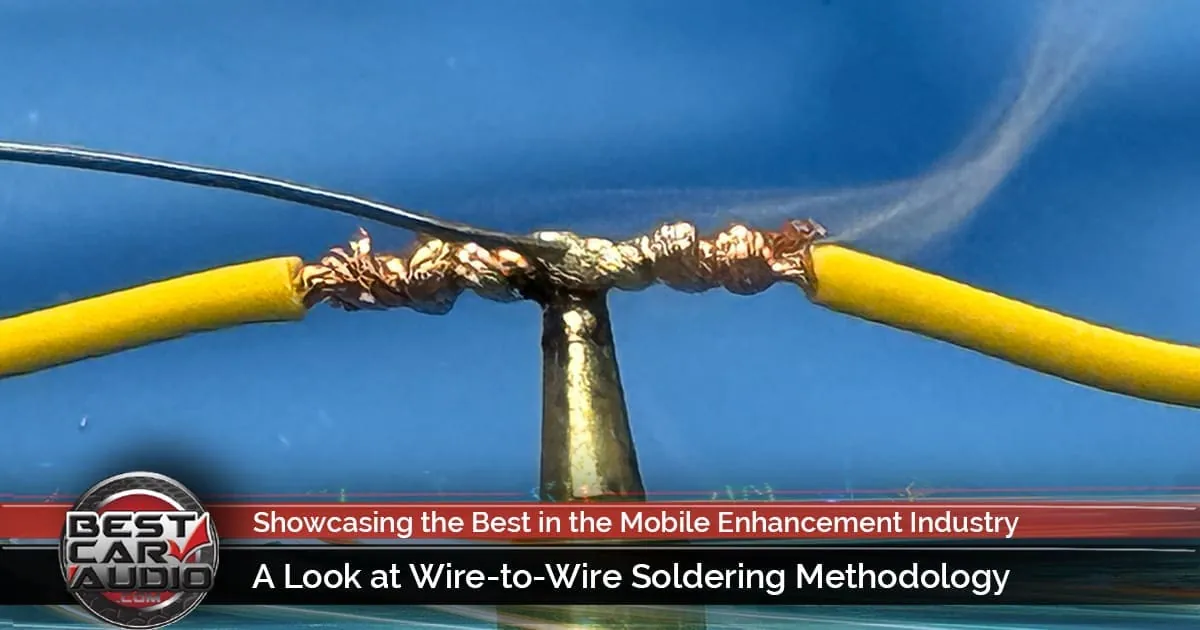
The table below sorts every flux on this page by what it’s actually good at, so you can spot your match before reading the full sections.
| Flux type | Best for | Example |
|---|---|---|
| Rosin flux | General wire joints | Rosin-core solder on a 16 AWG splice |
| Acid flux | Nothing on cars | Plumber’s flux on copper pipe |
| No-clean flux | Tight spaces, no rinse | No-clean pen on a connector pin |
| Water-soluble flux | Clean, fast wetting | Water-soluble paste on a bench joint |
| Flux-core solder | One-hand repairs | 60/40 rosin-core on a trailer light |
| Flux paste | Tinning stranded wire | Paste tin on a 12 AWG ground |
| Flux pen | Small board-level work | Pen on a sensor pigtail |
Rosin flux for automotive wire
Rosin flux is the default choice for automotive wiring because it cleans the joint without corroding copper. The residue left behind is sticky but not destructive, so a quick wipe with isopropyl alcohol handles it.
What it’s good for:
- Flowing solder into a stranded wire splice so it wets evenly instead of balling up
- Tinning wire tips before you push them into a crimp or terminal
- Working on older harnesses where you can’t fully clean the joint
- General 12V repair work on lights, grounds, and accessory wiring
One concrete example: strip 3/8 inch of insulation off a 16 AWG wire, touch rosin flux to the strands, and tin them with rosin-core solder at roughly 700°F. The solder should flow shiny and smooth within about 2 seconds. If it beads up and rolls off, the wire is still dirty or the iron is too cool.
No-clean flux for tight spaces
No-clean flux leaves almost nothing behind, so you can skip the cleaning step entirely.
What it’s good for:
- Solder joints inside connectors where a rinse would trap liquid
- Board-level repairs on a module you can’t remove from the car
- Quick touch-ups where pulling the harness apart isn’t worth it
- Work where leftover residue is a cosmetic or contamination worry
For example, soldering a pigtail onto a sensor connector pin: a small drop of no-clean flux lets the solder wet the pin in about 1-2 seconds at 650-700°F, and you never have to flush the housing afterward.
The catch is that “no-clean” means low residue, not zero residue. A little film stays. It’s fine on most automotive work, but if the joint sits somewhere very hot or very wet, that film can trap moisture over years. Check the flux maker’s own datasheet for the exact residue spec.
Acid flux and why it doesn’t belong on cars
Acid flux (often sold as plumber’s flux or zinc chloride flux) eats through heavy oxide fast. It doesn’t belong anywhere near automotive electrical wiring. The residue stays active and keeps attacking copper after the joint cools.
What it’s good for on cars:
- Nothing. There’s no automotive wiring job where acid flux is the right pick.
The problem is real, not theoretical.
If you’ve already used it, flush the joint thoroughly with isopropyl alcohol and a small brush, then seal it. If the wire is already green and brittle, cut back past the damage and redo the splice with rosin or no-clean flux. For anything involving a vehicle’s safety systems — brakes, airbags, steering — hand the wiring to a qualified auto electrician rather than repairing it yourself.
Water-soluble flux for bench work
Water-soluble flux wets and flows better than rosin, so joints form faster.
What it’s good for:
- Fast, shiny joints on a workbench where you can rinse after
- Tinning larger stranded wire (12-10 AWG) that’s slow to wet
- Building or rebuilding a harness off the vehicle
- Work where you want the cleanest possible final joint
A concrete example: tin the strands of a 10 AWG ground wire with water-soluble paste, then rinse the finished splice under warm running water and dry it with compressed air.
The limit here is equipment and setting, not skill. You need running water, a drying method, and the harness off the car. If you can’t rinse it, don’t use it.
Flux-core solder for one-hand repairs
Flux-core solder carries its own flux inside the wire.
What it’s good for:
- Trailer lights, accessory wiring, and other quick roadside fixes
- Beginners who don’t want to juggle solder and flux separately
- Small splices where a separate flux step is overkill
- Any job where speed matters more than a perfect joint
For example, splicing a broken trailer light wire: strip both ends, twist them, and touch 60/40 rosin-core solder to the joint at about 700°F. The flux inside the solder cleans as it melts, and the joint forms in a couple of seconds.
Flux paste for tinning stranded wire
Flux paste is a thick, spreadable flux you dab onto the joint. It stays where you put it instead of running off, which makes it handy for tinning stranded wire before a crimp or splice.
What it’s good for:
- Tinning stranded wire so the strands stay together
- Vertical joints where liquid flux would drip away
- Prepping wire for a crimp terminal
- Reflowing a joint that didn’t wet the first time
One example: dip the stripped end of a 12 AWG wire into rosin paste, then tin it. The paste holds the strands together, and the tinned tip slides into a terminal cleanly.
Other flux options worth knowing
A few more forms turn up in automotive work, each with a narrow job.
- Flux pen: a pen-shaped dispenser of no-clean or rosin flux. Best for small board-level work on sensor pigtails and module pins where a paste would be too much.
- Rosin-core solder in a syringe: pre-fluxed solder you can lay down precisely. Good for tight joints where you can’t add flux separately.
- Gel flux: a thicker no-clean flux that clings to vertical surfaces. Useful when a joint sits sideways and paste would slide off.
- Tacky flux: sticky flux that holds small parts in place before you solder. Handy for tiny terminals, less useful on plain wire splices.
- Activated rosin flux: a stronger rosin blend that cleans heavier oxide. Reach for it on old, dark, oxidized wire that plain rosin won’t wet.
How to pick the right flux for your job
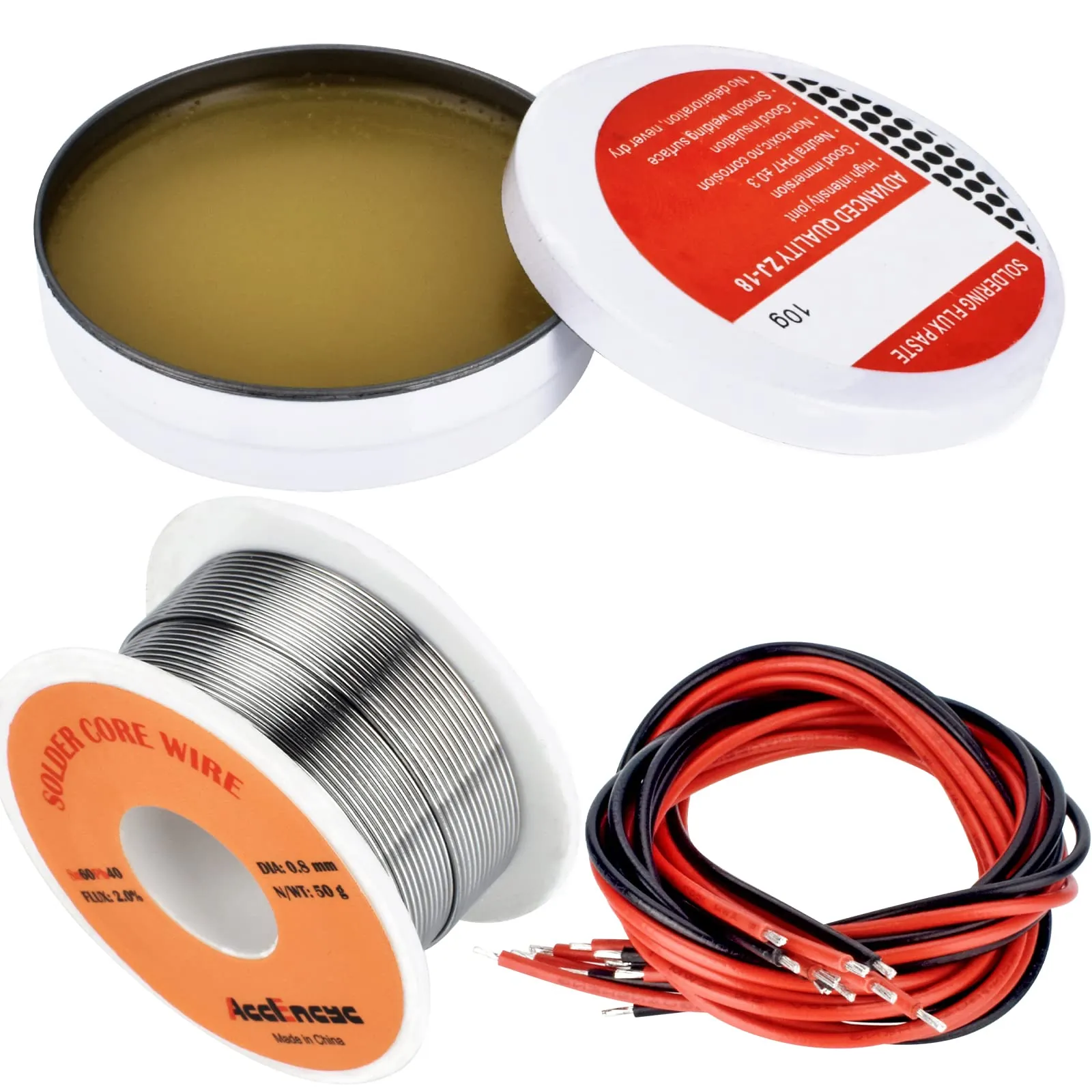
The right flux depends on what you have on the bench, how much time you can give the joint, and whether you can clean it afterward.
If you’re working at a bench with running water and the harness is off the car, water-soluble flux gives the fastest, cleanest joint. If you’re under the dash or inside a connector and can’t rinse, no-clean flux is your pick. If you just want to grab one thing and go, rosin-core solder covers most 12V repairs without a separate flux. And if you’re tinning stranded wire that keeps fraying, flux paste holds it together.
These can be combined — paste plus rosin-core solder is a common pairing — but picking one means leaving the others for a different job. Acid flux is the one to leave out entirely, no matter what else you choose.
Frequently asked questions Of Flux for Soldering Automotive Wires
Can I use plumber’s flux on car wiring?
No. Plumber’s flux is usually acid-based, and its residue keeps corroding copper after the joint cools. The wire turns green and the joint fails months later. Use rosin, no-clean, or water-soluble flux instead, and flush any acid flux you’ve already applied with isopropyl alcohol.
Why won’t solder stick to my wire?
Solder won’t stick because the copper is oxidized or dirty, or the iron is too cool. Clean the wire with fine sandpaper or steel wool, apply fresh flux, and set the iron to about 700°F for typical 12-18 AWG automotive wire. If it still beads, the wire may have a coating that needs stripping first.
How long does flux residue last on a joint?
Rosin and no-clean residue can sit on a joint for years without causing harm, but acid flux residue starts corroding copper within weeks to months. The exact timeline depends on moisture and heat at the joint. Clean any residue you’re unsure about with isopropyl alcohol and a small brush, then seal the joint.
Is it safe to breathe soldering flux fumes?
No — flux fumes irritate your airways, and you shouldn’t breathe them in. The fumes come from the flux boiling, not from the lead in the solder. Work in a ventilated area or use a fume extractor, and keep your face out of the plume. If you feel dizzy or short of breath, stop and get fresh air.
What happens if I don’t clean no-clean flux?
Usually nothing, because no-clean flux is designed to leave a harmless, low-residue film. But in a hot, wet, or sealed spot, that film can trap moisture over time. If the joint sits somewhere damp or enclosed, wipe it with isopropyl alcohol anyway. Check the flux maker’s datasheet for its exact residue spec.
Does flux matter for crimped connections?
No — crimped connections don’t use flux at all. A proper crimp forms a cold weld between the wire and terminal through mechanical pressure alone. Flux is only for soldered joints. If you’re crimping, use the right crimp tool and skip the flux entirely.
How much flux should I use on a wire splice?
Use just enough to wet the joint — a thin film, not a puddle. For a typical 16 AWG splice, a small dab of paste or one touch of a flux pen is plenty. Too much flux leaves more residue to clean and can spit and spatter when the iron touches it.
Can I solder automotive wires without any flux?
Yes, if you use flux-core solder, which carries its own flux inside the wire. For clean, freshly stripped copper, rosin-core solder alone often works fine. You only need separate flux when the wire is oxidized, dirty, or slow to wet.
What to do next
Start with rosin-core solder and a small tub of rosin paste — that pair covers most 12V repairs. Expect shiny, smooth joints that wet within about 2 seconds at 700°F; a dull, blobby joint means more heat or more cleaning. Stop and get help if a wire is green, brittle, or part of a brake, airbag, or steering circuit — that’s a job for a qualified auto electrician.
Disclosure: As an Amazon Associate, I may earn from qualifying purchases at no extra cost to you. Amazon and the Amazon logo are trademarks of Amazon.com, Inc, or its affiliates.
- Amazon, Amazon Prime, the Amazon logo and Amazon Prime logo are trademarks of Amazon. com, Inc. or its affiliates.

I am Sadman, the founder of CarSensorHub.com, where I share my passion for cars and technology. I specialize in writing detailed reviews and helpful guides on car gadgets, accessories, safety tools and many more. My mission is to help car owners discover the best products and tips to improve their driving experience and stay safe on the road.