If you own a Ford 6.7 Powerstroke Diesel, you know how important it is to keep your engine running smoothly. But do you have a clear plan for when to perform each maintenance task?
Following the right maintenance schedule can save you money, boost your truck’s performance, and extend its life. You’ll find an easy-to-follow maintenance schedule chart designed specifically for your Ford 6. 7 Powerstroke Diesel. Stick with us, and you’ll learn exactly what to do—and when—to keep your diesel engine in peak condition.
Don’t let small issues turn into costly repairs; your truck deserves the best care, and you deserve the peace of mind that comes with it.
Credit: www.powerstroke.org
Engine Oil And Filter Changes
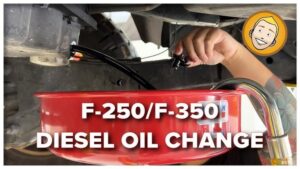
Regular engine oil and filter changes keep your Ford 6.7 Powerstroke Diesel running smoothly. Clean oil reduces friction and protects engine parts. Changing the filter removes dirt and debris. This helps avoid engine damage and keeps performance steady.
Recommended Oil Types
Use engine oil approved for diesel engines. The best choice is synthetic 15W-40 or 5W-40 oil. These oils handle high temperatures and heavy loads well. Always check your owner’s manual for exact oil specs. Using the right oil improves engine life and efficiency.
Change Intervals
Change the oil every 7,500 miles or six months, whichever comes first. Under tough conditions, like towing or dusty roads, change it more often. Replace the oil filter each time you change the oil. Following these intervals prevents sludge buildup and engine wear.
Signs Of Oil Degradation
Dark, thick oil means it’s time for a change. An engine running rough or making noise can signal dirty oil. Low oil levels also show oil loss or leaks. Watch for the oil pressure warning light on the dash. These signs protect your engine from damage.
Fuel System Care
Fuel system care is vital for the Ford 6.7 Powerstroke Diesel engine. It keeps the engine running smoothly and avoids costly repairs. Clean fuel and a well-maintained system improve performance and fuel efficiency. Proper care also helps the engine last longer. Follow the right steps to protect the fuel system.
Fuel Filter Replacement Schedule
Replace the fuel filter every 15,000 to 20,000 miles. This prevents dirt and debris from reaching the engine. A clogged filter reduces fuel flow and causes engine problems. Changing the filter on time keeps fuel clean and the engine healthy. Always use filters that fit your Ford 6.7 Powerstroke.
Using Diesel Additives
Diesel additives improve fuel quality and engine performance. They clean fuel injectors and prevent buildup inside the system. Use additives designed for diesel engines only. Additives help reduce water in fuel and stop corrosion. Regular use protects your fuel system and engine parts.
Preventing Fuel Contamination
Keep fuel clean to avoid engine damage. Always use clean fuel tanks and containers. Avoid filling up at dirty or unreliable fuel stations. Water and dirt in fuel can cause blockages and corrosion. Regularly check for leaks and fix them quickly. Clean fuel means better engine life and power.
Cooling System Maintenance
The cooling system in your Ford 6.7 Powerstroke Diesel is key to keeping the engine safe. It stops the engine from overheating during long drives or heavy work. Regular checks and care help your truck run smoothly and avoid costly repairs.
This section covers the main parts of the cooling system you should check often. Following these steps keeps your engine cool and efficient.
Coolant Types And Levels
Use the right coolant made for diesel engines like the Ford 6.7 Powerstroke. Check the coolant level every month. Low coolant can cause the engine to heat up too much. Top it up with the correct mix of antifreeze and water. Never use just water alone.
Radiator Inspection
Look at the radiator for leaks or damage. Dirt and bugs can block airflow. Clean the radiator fins gently with a soft brush or water. Make sure the radiator cap seals well. Replace it if you see cracks or wear.
Thermostat And Water Pump Checks
Test the thermostat to ensure it opens and closes at the right temperature. A faulty thermostat can cause overheating or poor engine warming. Check the water pump for leaks or noise. It moves coolant through the engine. Replace the pump if it shows signs of failure.
Air Intake And Turbocharger
The air intake and turbocharger are vital parts of the Ford 6.7 Powerstroke diesel engine. They work together to bring clean air into the engine and boost its power. Proper care of these parts keeps the engine running smoothly and helps avoid costly repairs.
Regular checks and maintenance help the engine breathe better. Clean air improves fuel efficiency and lowers emissions. The turbocharger increases engine power by forcing more air into the cylinders.
Air Filter Replacement
The air filter blocks dirt and dust from entering the engine. Replace the air filter every 15,000 to 30,000 miles. Check it more often in dusty areas. A clogged filter reduces airflow and lowers engine power. Always use the correct filter for your model.
Turbocharger Inspection
Inspect the turbocharger for cracks, leaks, or unusual noises. Look for oil leaks around the turbo housing. Check for shaft play by gently moving the turbine wheel. Excessive play means worn bearings. Address issues early to prevent major damage.
Cleaning Intake Components
Clean the intake pipes and intercooler regularly to remove soot and buildup. Use a safe cleaner designed for diesel engines. Dirty intake parts reduce airflow and engine performance. Cleaning ensures the turbocharger works efficiently and extends its life.
Transmission And Drivetrain Service
The transmission and drivetrain are key parts of your Ford 6.7 Powerstroke Diesel. They help send power from the engine to the wheels. Proper maintenance keeps these parts working smoothly and lasts longer. Regular checks and fluid changes reduce wear and prevent costly repairs.
Transmission Fluid Change
Transmission fluid keeps gears moving without friction. Check fluid levels every 30,000 miles. Change the fluid based on your truck’s manual or if it looks dark or smells burnt. Fresh fluid helps avoid overheating and gear slipping.
Differential And Transfer Case Fluids
The differential and transfer case need clean fluids to work well. Inspect these fluids every 30,000 miles or as the manual states. Dirty fluid causes noise and rough handling. Replace fluids to protect gears and bearings inside these parts.
Clutch And Drive Shaft Checks
Check the clutch and drive shaft for wear and damage regularly. Look for vibrations or unusual noises while driving. Proper lubrication and timely repairs keep your drivetrain balanced and smooth. Avoid ignoring these checks to prevent breakdowns.

Credit: www.gallatinford.com
Exhaust And Emissions System
The exhaust and emissions system plays a key role in your Ford 6.7 Powerstroke Diesel. It helps reduce pollution and keeps your truck running clean. Regular maintenance keeps this system working well and prevents costly repairs.
Checking and caring for these parts ensures your truck meets emissions standards. It also improves fuel efficiency and engine performance.
Diesel Particulate Filter Maintenance
The diesel particulate filter (DPF) traps soot from the exhaust. Over time, it fills with particles and needs cleaning. The truck can perform a self-cleaning process called regeneration. If the DPF gets too clogged, manual cleaning or replacement may be necessary. Follow the maintenance schedule for best results.
Egr Valve Care
The Exhaust Gas Recirculation (EGR) valve lowers nitrogen oxide emissions. It recirculates some exhaust gases back into the engine. Carbon build-up can block the valve, causing rough idling and reduced power. Cleaning or replacing the EGR valve keeps it working properly. Inspect it regularly to avoid engine problems.
Emission Sensor Checks
Emission sensors monitor the exhaust gases. They send data to the engine control unit to adjust fuel and air mix. Faulty sensors can cause poor fuel economy and failed emissions tests. Regular sensor checks help catch problems early. Replace sensors as needed to keep emissions low.
Battery And Electrical System
The battery and electrical system play a key role in your Ford 6.7 Powerstroke Diesel. This system powers the engine start and all electronic parts in your truck. Keeping it healthy ensures smooth performance and avoids sudden breakdowns.
Regular checks help catch problems early. Small issues can grow into costly repairs. Follow the maintenance schedule to keep the electrical system in good shape.
Battery Testing And Replacement
Test the battery every six months. Use a voltmeter to check the charge. A healthy battery shows about 12.6 volts when the engine is off.
Look for signs like slow starts or dim lights. These mean the battery may need replacement. Replace the battery every 3 to 5 years or sooner if weak.
Alternator Inspection
The alternator charges the battery while driving. Check it every 12 months or 12,000 miles. Listen for unusual noises from the alternator belt.
Test the alternator output with a voltmeter. It should read about 13.5 to 14.5 volts with the engine running. Replace the alternator if output is low or noisy.
Wiring And Connector Care
Inspect wiring and connectors for cracks or corrosion. These can cause poor electrical flow or shorts. Clean connectors using electrical contact cleaner.
Secure loose wires to prevent damage from vibration. Replace damaged wires or connectors immediately. Good wiring keeps your truck’s electrical system reliable.
Routine Inspections And Tune-ups
Routine inspections and tune-ups keep the Ford 6.7 Powerstroke diesel engine running strong. Regular checks help spot problems early. This saves money and prevents breakdowns. Follow a set schedule to maintain engine health. Pay close attention to key areas for best results.
Valve Lash Adjustment
Valve lash adjustment controls the gap between valve parts. Proper adjustment ensures smooth engine performance. Incorrect lash can cause noise and damage. Check the valve lash at recommended intervals. Adjustments improve fuel efficiency and power output.
Glow Plug Testing
Glow plugs help start the engine in cold weather. Faulty plugs lead to hard starts and rough idling. Test glow plugs regularly to ensure proper function. Replace any that show signs of wear or failure. This keeps the engine reliable in winter.
Belt And Hose Inspections
Belts and hoses carry fluids and power vital engine parts. Cracks, leaks, or wear can cause engine failure. Inspect belts and hoses for damage every few months. Replace worn parts promptly to avoid breakdowns. Healthy belts and hoses support long engine life.
Seasonal And Mileage-based Checks
Keeping your Ford 6.7 Powerstroke diesel in top shape requires regular checks tied to the seasons and mileage. These checks help protect the engine and improve performance. Seasonal and mileage-based maintenance stops small problems from turning into big repairs. This guide breaks down key tasks for cold weather, high mileage, and long-term storage.
Cold Weather Preparations
Cold weather can strain your diesel engine. Use the right diesel fuel additive to prevent gelling. Check the battery’s charge and clean the terminals. Replace the engine coolant with one suited for low temperatures. Inspect the glow plugs to ensure quick starts. Keep the oil at the recommended viscosity for cold conditions. Check tire pressure regularly since cold air lowers it.
High Mileage Service Tips
High mileage demands more frequent checks. Change the engine oil and filter every 5,000 miles. Inspect the fuel filter for clogging and replace as needed. Check the turbocharger for wear or leaks. Test the EGR valve and clean if necessary. Monitor the transmission fluid level and quality. Look for any leaks under the vehicle. Keep an eye on the brakes and suspension parts.
Long-term Storage Advice
Prepare your Powerstroke for long storage periods. Fill the fuel tank completely to avoid condensation. Add a fuel stabilizer to keep the diesel fresh. Change the oil and filter before storing. Disconnect the battery or use a maintainer to keep charge. Cover the truck to protect it from dust and moisture. Start the engine monthly and let it run for 15 minutes. Check tire pressure and inflate if needed.
Common Issues And Troubleshooting
The Ford 6.7 Powerstroke diesel engine is reliable but may face common issues. Recognizing these problems early helps keep your truck running smoothly. Troubleshooting can save you time and costly repairs. Here are some frequent issues and ways to handle them.
Overheating Problems
Overheating can damage the engine quickly. Causes include low coolant levels or a faulty thermostat. Check the radiator for leaks or blockages. A dirty cooling fan may reduce airflow. Regular coolant changes prevent buildup and corrosion. Address overheating signs immediately to avoid engine failure.
Power Loss Symptoms
Power loss affects performance and fuel efficiency. It may result from clogged fuel filters or bad injectors. A dirty air filter can also reduce power. Inspect the turbocharger for proper function. Use quality diesel fuel to protect the system. Routine filter replacements keep the engine running strong.
Unusual Noises And Vibrations
Strange sounds signal potential engine trouble. Knocking or rattling may indicate worn bearings or injectors. Excessive vibration can mean loose mounts or imbalanced parts. Listen carefully during startup and acceleration. Early diagnosis helps prevent major damage. Regular engine checks ensure smooth operation.

Credit: bulletproofdiesel.com
Frequently Asked Questions
How Often Should I Change The Oil In A 6.7 Powerstroke?
Change the oil every 7,500 miles or six months, whichever comes first. Use high-quality synthetic oil for best performance and engine longevity.
When Is The Fuel Filter Replacement Due For 6.7 Powerstroke?
Replace the fuel filter every 20,000 miles to maintain fuel system efficiency and prevent clogging. Timely changes protect injectors and boost engine reliability.
What’s The Recommended Coolant Change Interval For 6.7 Powerstroke?
Flush and replace the coolant every 100,000 miles or five years. Proper coolant levels prevent overheating and protect the engine from corrosion.
How Often Should The Air Filter Be Replaced On 6.7 Powerstroke?
Replace the air filter every 30,000 miles or as needed. A clean filter improves airflow, fuel economy, and overall engine performance.
Conclusion
Keeping up with the Ford 6. 7 Powerstroke diesel maintenance helps your truck last longer. Follow the schedule chart to avoid costly repairs and keep it running smooth. Regular checks protect the engine and improve fuel efficiency. Small tasks, like oil changes and filter replacements, make a big difference.
Stay on track with the maintenance plan. Your truck will thank you with better performance and reliability. Simple steps lead to a stronger, healthier engine. Don’t skip the routine. It keeps your Powerstroke ready for the road ahead.
Disclosure: As an Amazon Associate, I may earn from qualifying purchases at no extra cost to you. Amazon and the Amazon logo are trademarks of Amazon.com, Inc, or its affiliates.
- Amazon, Amazon Prime, the Amazon logo and Amazon Prime logo are trademarks of Amazon. com, Inc. or its affiliates.

I am Sadman, the founder of CarSensorHub.com, where I share my passion for cars and technology. I specialize in writing detailed reviews and helpful guides on car gadgets, accessories, safety tools and many more. My mission is to help car owners discover the best products and tips to improve their driving experience and stay safe on the road.