If you own a Ford F450 or are thinking about getting one, knowing its towing capacity is a must. Whether you’re hauling a heavy trailer, a boat, or work equipment, you need to be sure your truck can handle the load safely.
But towing limits can change from year to year, and that’s where things get tricky. This article gives you a clear, easy-to-read chart showing the Ford F450 towing capacity by year. You’ll learn exactly what your truck can tow, so you avoid costly mistakes and keep your vehicle in top shape.
Keep reading to find out how much your F450 can really pull and why those numbers matter to you.
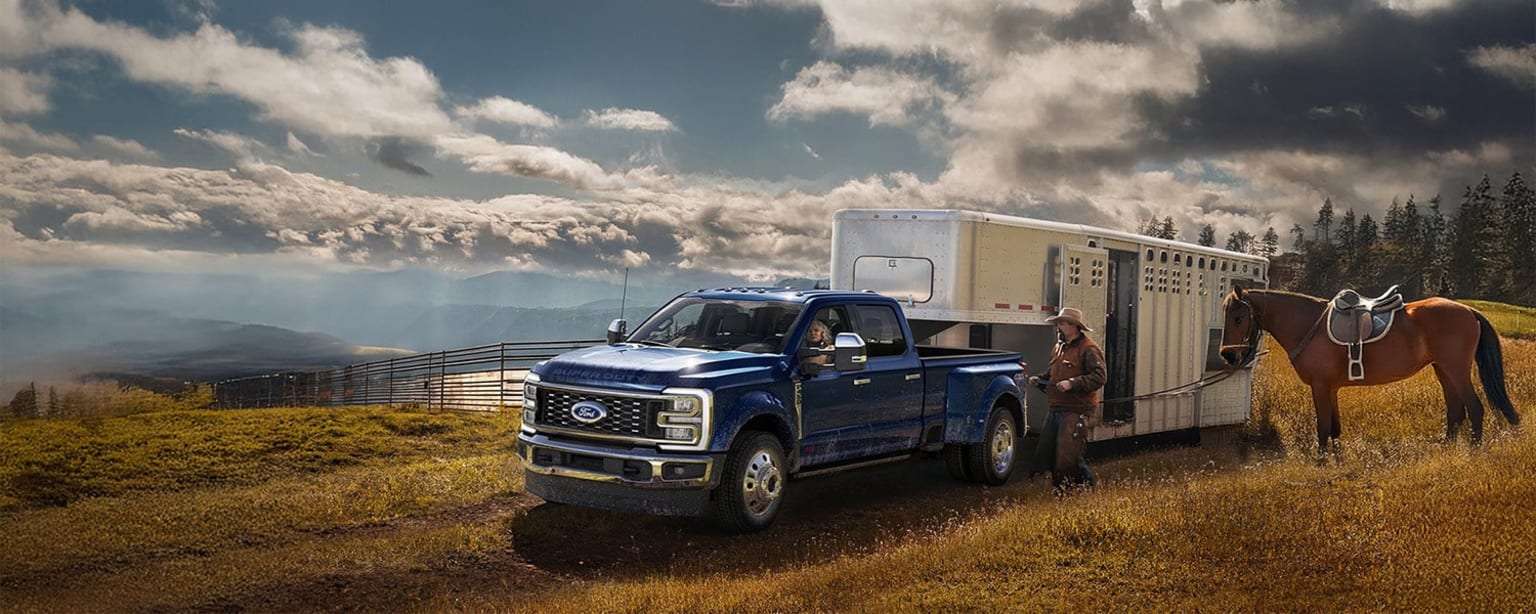
Credit: www.jclewisford.com
Ford F450 Towing Capacity Overview
The Ford F450 is known for its strong towing power. It is a popular choice for heavy-duty towing needs. Towing capacity varies by year, model, and trim. This makes it important to understand its limits before use.
Knowing the towing capacity helps keep safety and performance at their best. It also protects the truck from damage. This overview explains the main factors that affect towing limits.
Key Factors Affecting Towing Limits
Engine size plays a big role in towing capacity. Larger engines provide more power and torque. The type of transmission also affects towing strength. Automatic transmissions often handle heavy loads better.
Truck weight impacts towing limits. Heavier trucks can tow more safely. Suspension and brakes matter, too. Stronger suspensions support heavier trailers. Better brakes help control the load.
Tire type and condition can limit towing. Proper tires improve stability and safety. Lastly, the truck’s frame design affects how much it can tow. A reinforced frame handles bigger loads.
Differences Between Models And Trims
Ford offers the F450 in several trims. Each trim has distinct towing capabilities. Higher trims often include stronger engines and advanced features.
Some trims come with dual rear wheels. This feature increases towing capacity and stability. Others may have different axle ratios, which affect towing strength.
The choice of cab style can change the truck’s weight and towing limits. Crew cabs tend to weigh more, slightly lowering towing capacity. Regular cabs are lighter, offering better towing potential.
Towing Capacity By Year Chart
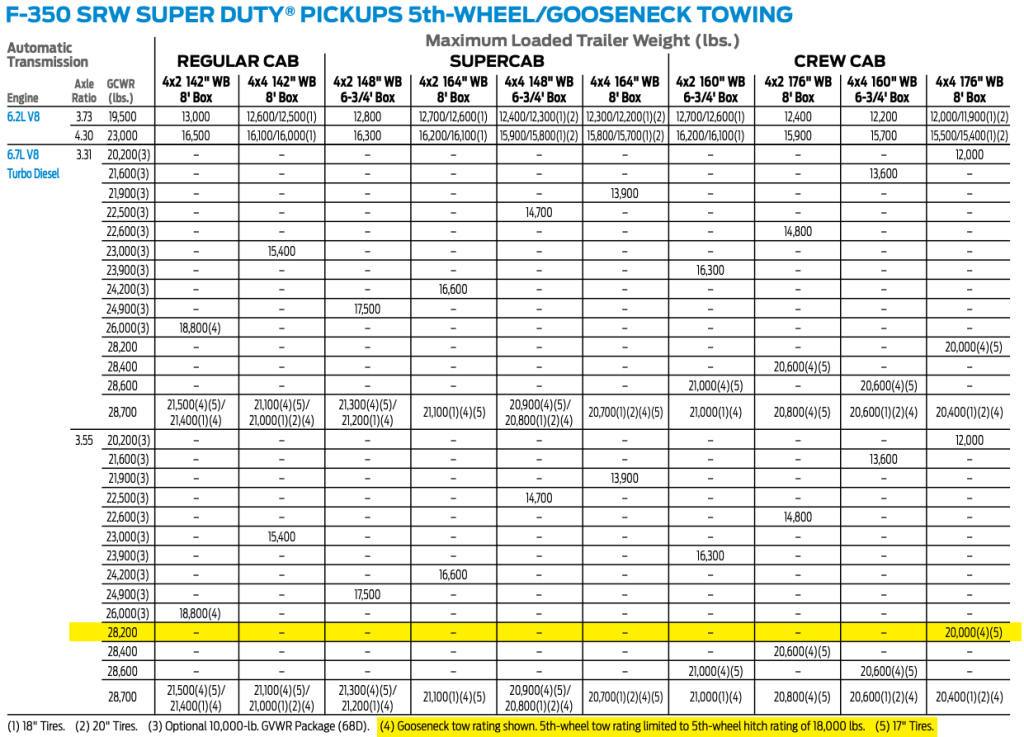
The Ford F450 is known for its strong towing power. The towing capacity changes slightly each year. Knowing the towing limits helps you choose the right model. The chart below shows the towing capacity by year. It helps compare different model years at a glance.
2000-2005 Models
Early 2000s F450 trucks had a towing capacity around 12,000 to 14,000 pounds. These models used heavy-duty engines and strong frames. They were popular for medium to large towing tasks. The 2005 models saw small improvements in engine power. Towing limits stayed mostly steady during this period.
2006-2010 Models
From 2006, Ford made upgrades to the F450’s engine and suspension. Towing capacity increased slightly to about 14,000 to 15,000 pounds. Diesel engine options offered better torque. This helped with heavier trailers and loads. These trucks became more reliable for long-distance towing.
2011-2015 Models
During this period, the F450’s towing capacity rose again. Most models could tow between 15,000 and 18,000 pounds. Ford introduced stronger chassis and better transmission systems. These changes improved stability while towing heavy loads. The 2015 model marked a peak in towing power for this generation.
2016-2020 Models
Ford redesigned the F450 with new technology and engines. Towing capacity reached up to 21,000 pounds for some models. Diesel engines became more efficient and powerful. Safety features also improved to help with towing control. These trucks handle large trailers with confidence.
2021-present Models
Latest F450 models push towing limits further. Some can tow over 24,000 pounds. Advanced engine options and trailer assist technology enhance performance. Ford focused on durability and driver comfort. These trucks are built for the toughest towing jobs today.
Engine Options And Their Impact
The Ford F450 offers various engine choices that affect its towing ability. Different engines deliver different power and torque levels. These differences impact the truck’s strength and fuel use. Picking the right engine is key to meeting your towing needs. Understanding engine types and their specs helps in making the best choice for your Ford F450.
Gasoline Vs Diesel Engines
The Ford F450 comes with both gasoline and diesel engines. Gasoline engines are usually lighter and cheaper. They work well for lighter towing tasks. Diesel engines provide more torque and last longer. They use fuel more efficiently during heavy towing. Diesel engines perform better on steep hills or rough roads. Gasoline engines might need more frequent refueling during tough jobs. Diesel often suits drivers who tow heavy loads regularly.
Power And Torque Ratings
Power and torque are vital for towing strength. Power is the engine’s speed output, measured in horsepower. Torque measures the twisting force that moves heavy loads, shown in pound-feet. Higher torque helps in pulling heavy trailers from a stop. Diesel engines usually have higher torque than gasoline ones. The Ford F450 diesel engine can deliver torque over 1,000 lb-ft. Higher power and torque ratings allow safer and easier towing. Always check these specs before choosing your engine.
Chassis And Suspension Upgrades
The Ford F450 offers strong chassis and suspension upgrades that support its impressive towing capacity. These upgrades help the truck handle heavy loads safely and smoothly. They improve stability and control on rough roads and steep hills.
The truck’s frame is built to carry heavy weight without bending or breaking. Suspension parts work together to keep the ride steady. These features protect the truck and the trailer during long hauls.
Heavy-duty Suspension Features
The F450 uses heavy-duty suspension systems designed for tough work. It includes strong leaf springs that support large weights. These springs help keep the truck level, even with heavy trailers.
Shock absorbers reduce bounce and improve ride comfort. They also help maintain tire contact with the road. This improves traction and control, especially when towing heavy loads.
Some models have upgraded suspension parts to handle specific towing needs. This can include reinforced axles and stronger coil springs. These parts increase the truck’s ability to carry and pull heavy trailers.
Brake System Enhancements
Brakes are critical for safe towing. The F450 features enhanced brake systems to manage the extra weight. It has larger brake discs and stronger calipers for better stopping power.
Many models include integrated trailer brake controllers. These systems sync the truck’s brakes with the trailer’s brakes. This coordination helps stop the entire load smoothly and quickly.
Anti-lock braking systems (ABS) come standard. ABS prevents wheel lock-up during hard braking, improving control. This feature is essential for towing on slippery or uneven roads.
Trailer Types And Weight Considerations
Understanding trailer types and weight limits is key for towing with the Ford F450. Choosing the right trailer affects safety and performance. Weight limits help prevent damage and keep control on the road.
Each trailer type has unique features and weight needs. Knowing these helps match your truck’s towing ability. Proper weight distribution affects stability and handling. Stay within limits to avoid accidents and truck strain.
Gooseneck Vs Fifth-wheel Towing
Gooseneck trailers attach inside the truck bed. They offer strong connection and better turning. Ideal for heavy loads and long hauls. They often have higher towing capacity than other types.
Fifth-wheel trailers connect to a hitch above the truck bed. They provide smooth rides and good control. Better for large campers and flatbed trailers. Both types require specific hitches and weight checks.
Payload And Tongue Weight Limits
Payload is the total weight the truck can carry. It includes passengers, cargo, and trailer tongue weight. Exceeding payload limits strains suspension and brakes.
Tongue weight is the downward force on the hitch. It should be 10-15% of trailer weight. Proper tongue weight keeps the trailer stable. Too little or too much causes sway and loss of control.
Safety And Legal Towing Limits
Understanding the safety and legal towing limits is crucial for Ford F450 owners. These limits protect drivers, passengers, and others on the road. Staying within these boundaries ensures safe towing and avoids legal troubles.
Federal And State Regulations
The federal government sets general rules for towing. These rules include maximum weight limits and equipment standards. States may have their own laws that are stricter or different. Drivers must follow both federal and state rules. Ignoring these laws can lead to fines or accidents.
Recommended Safety Practices
Always check the Ford F450’s towing capacity before towing. Use proper hitching equipment suited for your load. Secure the load tightly to prevent shifting during travel. Regularly inspect brakes, tires, and lights. Drive slower than usual and keep a safe distance from other vehicles.
Tips To Maximize Towing Performance
Maximizing towing performance for your Ford F450 is key to safe and efficient hauling. Understanding simple tips can help you get the most from your truck’s towing capacity. Proper techniques reduce stress on the vehicle and improve control on the road.
Focus on how you load your truck and keep it well-maintained. These steps ensure better towing power and extend your truck’s lifespan. Let’s explore important tips to help you tow smarter and safer.
Proper Loading Techniques
Distribute weight evenly across the truck bed and trailer. Place heavier items low and close to the axle. Avoid putting too much weight on the rear, which can cause sway.
Secure all cargo tightly to prevent shifting. Use straps and tie-downs designed for heavy loads. Balance helps your truck maintain control and reduces wear on brakes and tires.
Maintenance For Towing Efficiency
Regularly check your truck’s engine, brakes, and tires. Well-maintained parts perform better under heavy loads. Keep the tires inflated to the recommended pressure for towing.
Change the oil and filters on time to protect the engine. Inspect the transmission fluid to avoid overheating. Proper maintenance prevents breakdowns and keeps towing smooth.
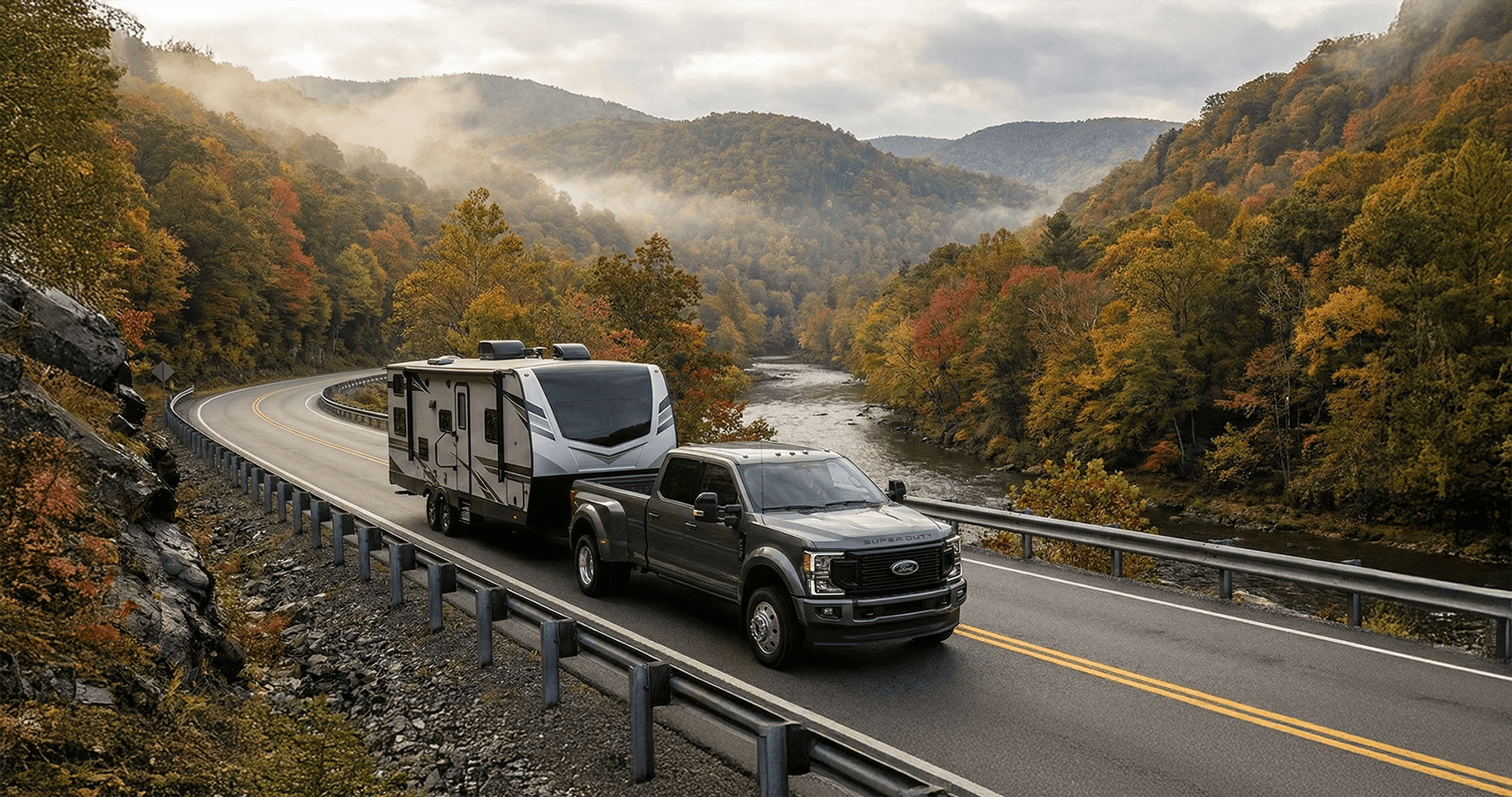
Credit: www.tandsford.com
Credit: changinglanesrv.com
Frequently Asked Questions
What Is The Ford F450’s Maximum Towing Capacity?
The Ford F450’s maximum towing capacity varies by year and configuration. It typically ranges from 24,000 to 37,000 pounds. Always check the specific model year chart for exact limits to ensure safe towing.
How Does Towing Capacity Change By Ford F450 Model Year?
Towing capacity improves with newer Ford F450 models due to engine upgrades and chassis improvements. Older models have lower limits, while recent years offer enhanced capabilities. Refer to the year-by-year chart for precise data.
What Factors Affect Ford F450 Towing Limits?
Towing limits depend on engine type, axle ratio, cab style, and drivetrain. Payload capacity and trailer weight also impact towing performance. Always consider all specs before towing.
Can I Exceed Ford F450 Towing Capacity Safely?
Exceeding towing capacity is unsafe and risks vehicle damage, accidents, and legal issues. Always stay within manufacturer-specified limits for safety and optimal performance.
Conclusion
Knowing the Ford F450 towing capacity by year helps choose the right truck. Each model year offers different towing limits to fit your needs. Always check the chart before towing heavy loads. This keeps your truck safe and working well.
Understanding these limits saves time and prevents damage. Use this guide to plan your towing trips wisely. Stay informed and tow with confidence every time.
Disclosure: As an Amazon Associate, I may earn from qualifying purchases at no extra cost to you. Amazon and the Amazon logo are trademarks of Amazon.com, Inc, or its affiliates.
- Amazon, Amazon Prime, the Amazon logo and Amazon Prime logo are trademarks of Amazon. com, Inc. or its affiliates.

I am Sadman, the founder of CarSensorHub.com, where I share my passion for cars and technology. I specialize in writing detailed reviews and helpful guides on car gadgets, accessories, safety tools and many more. My mission is to help car owners discover the best products and tips to improve their driving experience and stay safe on the road.