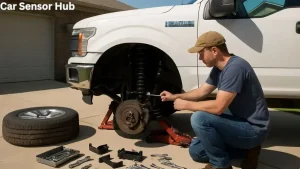
Cleaning the wheel speed sensors on your Ford F-150 can make a big difference in how your truck drives. Many drivers notice warning lights, strange ABS behavior, or even trouble with their speedometer, but do not realize that dirt or metal shavings on these sensors are a common cause. Taking the time to clean them properly can fix these problems, help your brakes work better, and may even prevent expensive repairs in the future.
This guide walks you through everything you need to know about cleaning Ford F-150 wheel speed sensors. You will learn what these sensors do, why they get dirty, how to clean them safely, and mistakes to avoid. Even if you are new to working on your truck, you can follow these steps.
A few basic tools and some care are all you need to get the job done.
What Are Wheel Speed Sensors?
Wheel speed sensors are small devices located near each wheel of your Ford F-150. They detect how fast each wheel is turning. This information is sent to the truck’s computer, which uses it to control systems like the anti-lock braking system (ABS) and traction control. If a sensor gets dirty or damaged, the computer may think a wheel is slipping or not turning, causing warning lights or braking problems.
There are two main types on Ford F-150s:
- Active sensors: Use a magnetic field and electronic signal.
- Passive sensors: Use a simple magnet and coil.
Most newer F-150 trucks have active sensors, but the cleaning process is similar for both.
Signs Your Wheel Speed Sensors Need Cleaning
You do not need to wait for a warning light to clean your sensors. Regular cleaning is a good idea, especially if you drive off-road or on salty winter roads. However, these signs often mean it is time to check your sensors:
- ABS or traction control lights on your dashboard
- Sudden loss of ABS function
- Speedometer acting strange
- Pulsing brakes when stopping gently
- Clicking or grinding sounds from the wheels
Ignoring these signs can lead to more serious problems, so cleaning the sensors is a smart first step.
Tools And Materials Needed
Before you start, gather these items:
- Jack and jack stands (to lift the truck safely)
- Wheel chocks
- Socket set
- Ratchet and extensions
- Torx or Allen bits (depending on your sensor bolts)
- Soft brush (like an old toothbrush)
- Clean rags
- Non-chlorinated brake cleaner
- Safety glasses and gloves
Never use harsh chemicals or wire brushes. These can damage the sensor and make things worse.
How To Clean Ford F-150 Wheel Speed Sensors
Cleaning the sensors is not hard, but you need to be careful. Here is a step-by-step guide:
1. Park And Prepare
- Park your F-150 on a flat surface.
- Set the parking brake and use wheel chocks.
- Loosen the lug nuts on the wheel you will be working on.
2. Lift The Truck
- Use your jack to lift the truck.
- Place jack stands under the frame for safety.
- Remove the wheel.
3. Locate The Sensor
- Look behind the brake rotor. The wheel speed sensor is usually mounted to the hub or the backing plate.
- You will see a small wire leading to a sensor held in place by one or two bolts.
4. Remove The Sensor
- Unplug the sensor’s electrical connector.
- Remove the bolts with your socket or Torx bit.
- Gently pull the sensor out. Do not force it—wiggle it if it is stuck.
5. Clean The Sensor
- Spray the sensor tip with non-chlorinated brake cleaner.
- Use a soft brush to gently scrub away dirt, metal shavings, or debris.
- Wipe the sensor with a clean rag.
- Inspect the sensor for cracks or damage.
6. Clean The Mounting Area
- Spray the hole or area where the sensor sits.
- Wipe away any dirt or rust.
7. Reinstall The Sensor
- Insert the sensor back into place.
- Tighten the bolts securely, but do not overtighten.
- Reconnect the electrical plug.
8. Reinstall The Wheel
- Put the wheel back on.
- Hand-tighten the lug nuts.
- Lower the truck and finish tightening the lug nuts.
9. Repeat For Other Wheels
- Many problems are caused by just one dirty sensor, but it is a good idea to clean all four.

Credit: www.youtube.com
Comparison: Professional Cleaning Vs. Diy
If you wonder whether to do this yourself or hire a mechanic, consider this:
| Factor | DIY | Professional Service |
|---|---|---|
| Cost | Low (just tools and cleaner) | High ($100-$200+) |
| Time Needed | 1-2 hours (all wheels) | Usually 1 hour |
| Skill Required | Basic mechanical skills | None (mechanic does it) |
| Quality Control | Direct control | Depends on mechanic |
DIY cleaning saves money and lets you check your brakes and suspension at the same time.
Common Mistakes To Avoid
Cleaning the sensors is simple, but many people make these mistakes:
- Using a wire brush or sandpaper (can damage sensor)
- Breaking the sensor by pulling too hard
- Forgetting to clean the hole or mounting surface
- Mixing up the electrical connectors
- Not tightening the bolts enough
Take your time and double-check each step to avoid these problems.
How Often Should You Clean Wheel Speed Sensors?
For most Ford F-150 owners, cleaning the sensors every 12,000 miles or once a year is enough. If you drive in muddy, salty, or dusty areas, check them more often—every 6 months is a good idea.
The Science Behind Dirty Wheel Speed Sensors
Most sensors rely on a magnetic field to measure wheel speed. Metal dust from brake pads or rotors can collect on the sensor tip. Over time, this layer of metal blocks the magnetic signal, causing the sensor to send incorrect data. Even a thin layer of rust or mud can cause trouble.
For example, a 2018 F-150 owner reported that after driving on winter roads, their ABS warning light came on. Cleaning the sensors fixed the problem without needing new parts.
What If Cleaning Does Not Fix The Problem?
Sometimes, cleaning is not enough. If you still see warning lights after cleaning:
- Check the sensor wires for damage or corrosion.
- Inspect the tone ring (a toothed ring near the sensor) for cracks or missing teeth.
- Consider using a scan tool to read trouble codes.
In rare cases, the sensor itself may be bad and needs replacement. Always try cleaning first—it is cheap and often works.
Real-world Example: Sensor Cleaning Success
A Ford F-150 owner drove through deep mud and noticed the ABS light on the next day. They cleaned all four sensors, and the light went away. They also found a small rock stuck near one sensor, which could have caused more damage if left alone.
This shows that regular cleaning not only fixes problems but can also prevent larger issues.

Credit: www.wikihow.com
Table: Symptoms And Likely Causes
To help you diagnose wheel sensor problems, here is a quick reference:
| Symptom | Possible Cause | Cleaning Fixes It? |
|---|---|---|
| ABS light on | Dirty sensor, broken wire | Often |
| Traction control light | Debris on sensor | Usually |
| Speedometer jumps | Faulty sensor signal | Sometimes |
| Pulsing brakes | Sensor or tone ring issue | Possible |
Two Insights Most Beginners Miss
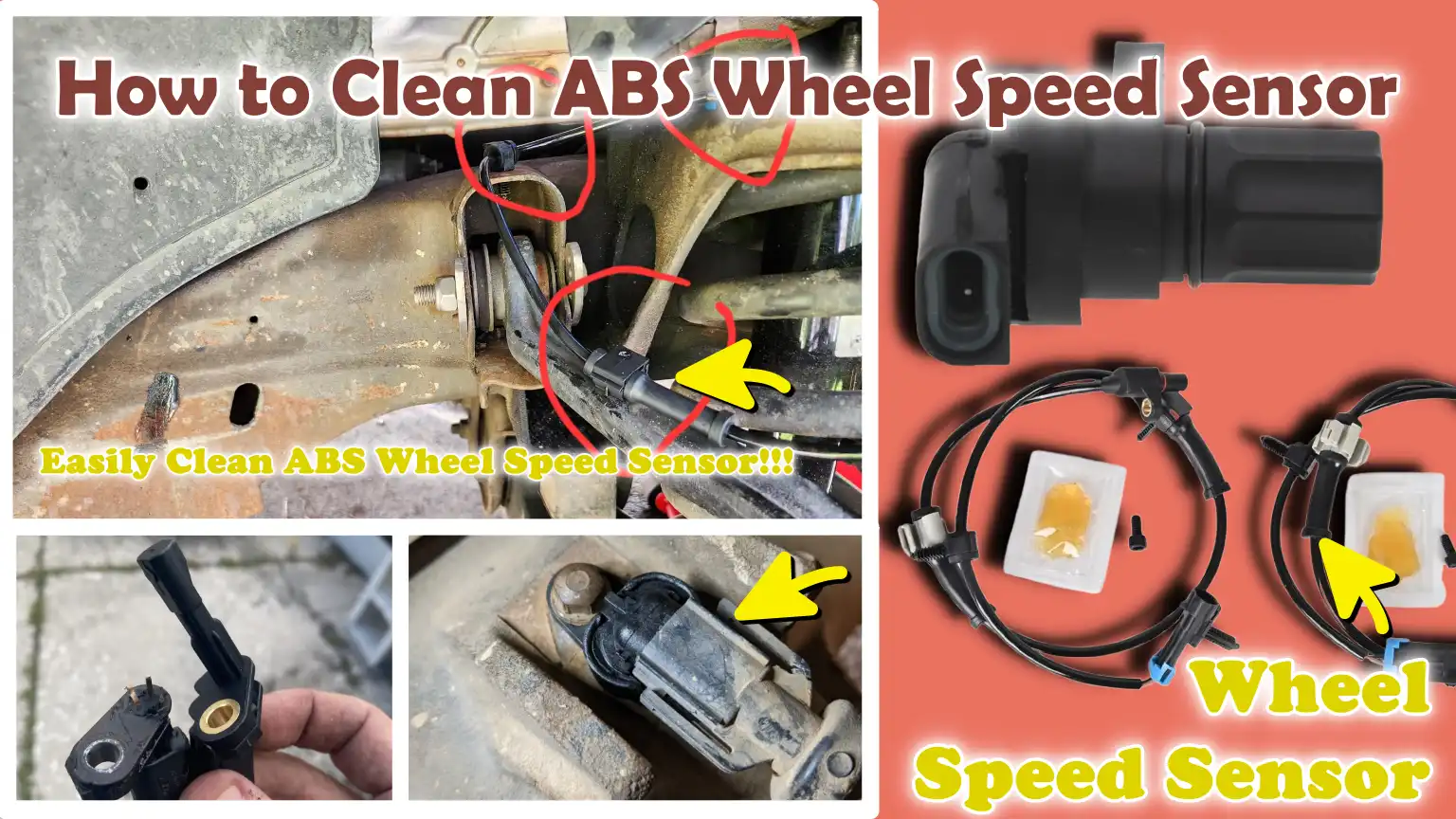
- Sensor Position Matters: Front and rear sensors can get dirty at different rates. The front sensors often pick up more road dirt, while rear sensors can be affected by axle grease or differential oil leaks.
- Do Not Forget the Mounting Hole: Many people only clean the sensor tip. Dirt, rust, or metal in the hole where the sensor sits can cause just as many problems as debris on the sensor itself.
Credit: westvillageauto.com
Practical Tips For Success
- Always clean sensors when you change brake pads or rotors.
- Use only non-chlorinated brake cleaner. Other cleaners may leave a residue that attracts more dirt.
- Take photos before unplugging connectors if you are worried about mixing them up.
- If a sensor is stuck, spray with penetrating oil and let it sit for 10 minutes before trying again.
- Never use compressed air to blow out the mounting hole—this can send debris into the bearing.
Resources For Further Learning
If you want to understand more about how wheel speed sensors work and their role in ABS systems, you can read the detailed explanation on the Wikipedia ABS page.
Frequently Asked Questions About Cleaning Ford F-150 Wheel Speed Sensors
How Do I Know If A Ford F-150 Wheel Speed Sensor Is Dirty Or Bad?
If you see the ABS or traction control lights, or your speedometer acts strangely, the sensor may be dirty. Clean it first—if the problem remains, check the wires and tone ring.
Can I Drive With A Dirty Wheel Speed Sensor?
You can, but your ABS and traction control may not work right. This makes your truck less safe, especially in wet or icy conditions. Clean the sensors as soon as possible.
What Is The Best Cleaner For Wheel Speed Sensors?
Use non-chlorinated brake cleaner. It cleans well without harming plastics or rubber. Never use harsh chemicals or degreasers.
Will Disconnecting The Battery Reset The Abs Light After Cleaning?
Sometimes, but not always. If cleaning fixed the problem, the light may go out after a short drive. If not, you may need a scan tool to clear the code.
Can I Clean The Sensors Without Removing The Wheels?
It is possible on some trucks, but you will do a much better job if you remove the wheel. You will see the sensor clearly and can clean the mounting hole.
Cleaning your Ford F-150 wheel speed sensors is a simple job that can prevent many problems. With the right tools, a little care, and the advice in this article, you can keep your truck’s safety systems working their best for years to come.
Disclosure: As an Amazon Associate, I may earn from qualifying purchases at no extra cost to you. Amazon and the Amazon logo are trademarks of Amazon.com, Inc, or its affiliates.
- Amazon, Amazon Prime, the Amazon logo and Amazon Prime logo are trademarks of Amazon. com, Inc. or its affiliates.

I am Sadman, the founder of CarSensorHub.com, where I share my passion for cars and technology. I specialize in writing detailed reviews and helpful guides on car gadgets, accessories, safety tools and many more. My mission is to help car owners discover the best products and tips to improve their driving experience and stay safe on the road.